


Gallbladder Diet: What to Eat to Support a Healthy Gallbladder
At a glance A gallbladder diet focuses on maintaining healthy bile composition, cholesterol balance, and normal gallbladder activi…
Intermittent Fasting and Menopause: Tips and What to Know
At a glance Intermittent fasting and menopause both influence metabolic processes involved in blood sugar regulation, stress respo…

Magnesium for Migraines: What Does the Research Say?
At a glance Magnesium is an essential mineral that helps maintain healthy nerve signaling and supports normal brain activity. Low …
Intermittent Fasting and PCOS: What to Know
At a glance Intermittent fasting can help reduce inflammation and support metabolic and hormonal balance, which may improve PCOS s…
Different Types of Fasting Explained
At a glance Fasting means avoiding calories for a set period of time, but there are several different types of fasting, including …
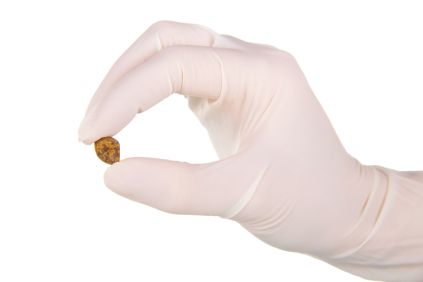
What Are Gallstones? Symptoms, Causes, and Remedies
At a glance Gallstones form when bile becomes imbalanced or stagnant, often due to high-carb diets, very low-fat diets, rapid weig…
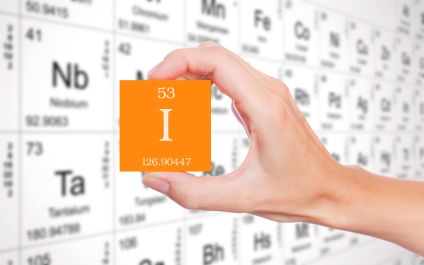
5 Health Benefits of Iodine
At a glance Iodine is a trace dietary mineral involved in hormone production and in functions that affect metabolism, growth, brai…

Fasting with Type 2 Diabetes: What You Need to Know
At a glance Fasting changes how the body manages glucose, insulin, and stored energy during periods without food. For people with …
Magnesium for Muscle Cramps: Does It Actually Help?
At a glance Muscle cramps can have several contributing factors, including mineral imbalances, physical strain, dehydration, and p…

Electrolytes After a Workout: Benefits and Hydration Tips
At a glance Consuming electrolytes after workout sessions can help replace those electrolytes lost through sweat, support fluid ba…

Creatine for Brain Health: Memory, Focus, and More
At a glance The use of creatine for brain health centers on its role in supporting cellular energy and cognitive performance. Its …
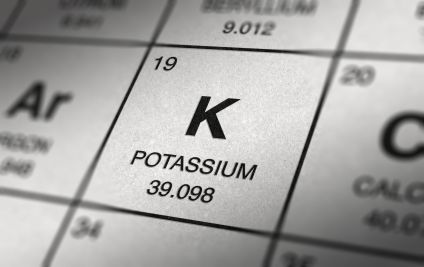
What Is Potassium Good For? Uses and Benefits
At a glance Potassium is an essential mineral and electrolyte that supports nerve function, muscle contraction, heart function, an…
Potassium Supplements: Forms and How to Choose
At a glance Potassium is an essential nutrient that supports cellular fluid balance, healthy blood pressure, and muscular and nerv…
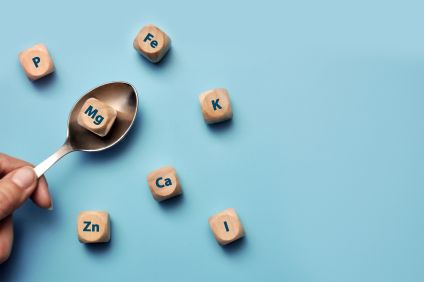
Magnesium and Potassium: How They Work Together
At a glance Electrolytes help maintain the electrical and fluid conditions cells need to function. Magnesium and potassium are two…
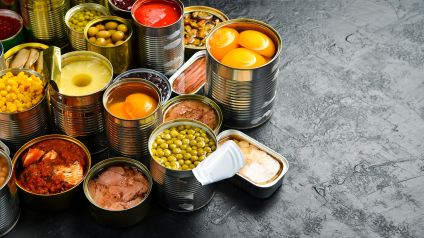
Whole Foods vs. Processed Foods: What’s the Difference?
At a glance Food processing exists on a spectrum, and not all processed foods are unhealthy. Whole and minimally processed foods r…

Are Naps Good? Benefits, Timing, and Tips
At a glance Daytime naps provide a brief period of rest outside the main sleep schedule. Their effects vary based on duration, tim…

What Are Ketones? How Your Body Makes and Uses Them
At a glance Ketones, also known as ketone bodies, serve as a vital alternative fuel source that the body creates when carbohydrate…

Chewable vs. Gummy Kids’ Multivitamin Supplements
At a glance Both chewable and gummy kids’ multivitamins can make it easier for children to take supplements. However, many gummy f…

Muscle Loss with Age: Causes, Signs, and What to Do
At a glance Age-related muscle loss involves gradual changes in muscle mass, strength, and physical performance as the body gets o…

Creatine for Women: Benefits and What to Know
At a glance Using creatine for women’s health may support physical performance, muscle health, recovery, and certain aspects of me…
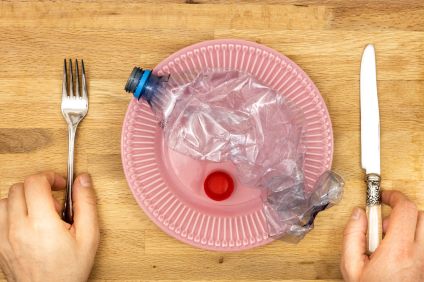
What Are Microplastics? Health Effects and How to Avoid Them
At a glance Microplastics can come from everyday sources such as food packaging, household dust, synthetic materials, and drinking…
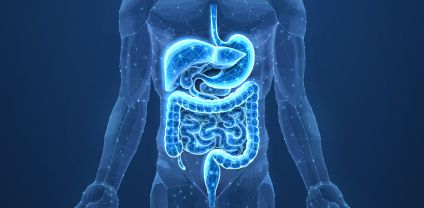
Digestive Enzyme Supplements: Forms and How to Choose
At a glance Digestive enzymes help facilitate the breakdown of food into nutrients the body can absorb and use for energy and esse…
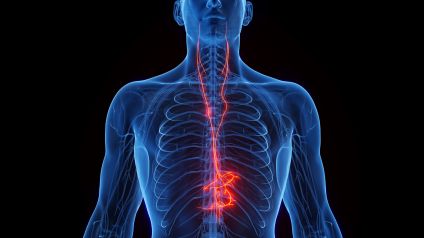
Vagus Nerve Exercises: Benefits and How They Work
At a glance Vagus nerve exercises may help support communication between the brain and organs involved in heart rate, digestion, a…
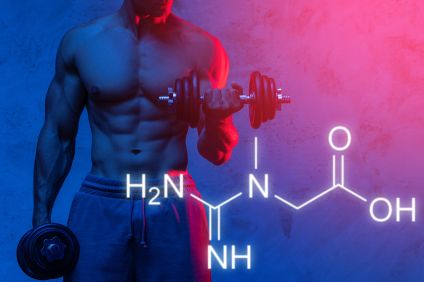
Creatine Loading vs. Daily Dosing: What’s the Difference?
At a glance Creatine loading involves higher daily doses of creatine, split into smaller doses, whereas daily dosing starts with s…