


At a glance
Microplastics can come from everyday sources such as food packaging, household dust, synthetic materials, and drinking water. Some particles may pass through the digestive tract, while tiny particles can reach tissues and organs. Their possible effects on several body systems continue to raise questions about long-term exposure and accumulation.
Microplastics are tiny plastic particles that are now widespread in the environment and can enter food, water, and air.
Because exposure can occur through several everyday sources, concerns have grown about how these particles may interact with the body.
Simple lifestyle and household changes can help limit contact and reduce overall exposure to microplastics.
What are microplastics?
Microplastics are generally defined as plastic particles less than five millimeters in size and can appear as fragments, fibers, films, or beads. Most microplastics are not visible to the naked eye.
They’re classified as either primary or secondary microplastics. Primary microplastics are intentionally manufactured at a small size, while secondary microplastics develop when larger plastic materials break down because of sunlight, weathering, friction, and other physical processes.
Their small size and widespread presence make this plastic debris difficult to avoid completely, which is why understanding common sources and ways to reduce exposure is important for limiting everyday contact.
Some plastics can also contain harmful chemicals, raising questions about their potential health risks and effects on human health.
Watch the video below to learn more about microplastics and ways to reduce exposure.
How are people exposed to microplastics?
People are primarily exposed to microplastics through ingestion and inhalation.
Particles have been detected in drinking water and various foods, while airborne particles can enter the respiratory tract.
A study published in Science detected microplastics in marine samples and identified several types of synthetic polymers, including acrylic, polyester, polyethylene, and polypropylene.
Food processing, storage, and preparation may also contribute to exposure.
Water bottles, food containers, cutting boards, and other materials can release small particles through heat, abrasion, repeated use, or deterioration. Microplastics have also been found in personal care products and cosmetics, while paint may release small plastic particles as it wears, flakes, or is removed.
Synthetic clothing, carpets, upholstered furniture, and other textiles can shed fibers that accumulate in household dust.
Plastic waste that escapes collection or recycling can even enter waterways and the ocean, where larger items may gradually break down into smaller pieces and potentially cause harm when consumed by aquatic life.
The amount and type of microplastics a person encounters can vary depending on diet, surroundings, product use, and other lifestyle factors.
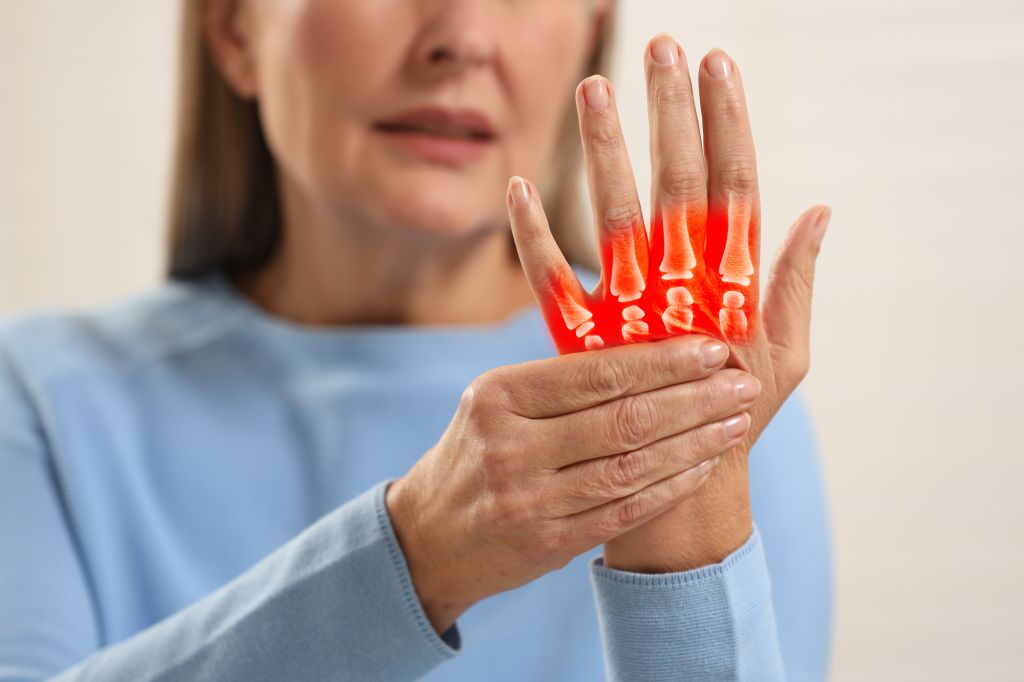
Six potential health effects of microplastics
Scientists are investigating how microplastics may affect different tissues and biological processes after entering the human body.
Here are six potential health effects of microplastics that are currently being studied.
1. Inflammation and oxidative stress
Microplastics may contribute to oxidative stress, a condition in which reactive oxygen species (ROS) overwhelm the body’s antioxidant defenses and potentially damage proteins, lipids, and DNA.
Research published in Science of the Total Environment found that polytetrafluoroethylene (PTFE) microplastics increased oxidative stress and inflammatory signals in human-derived lung and immune cell lines.
These findings suggest that PTFE microplastics may promote cellular inflammation, although more research is needed to understand the effects of typical human exposure.
2. Digestive disruption and gut changes
Microplastics that are swallowed travel through the digestive system, where they can interact with the intestinal lining and gut microbiome.
Potential effects under investigation include changes in gut bacteria, oxidative stress, irritation of intestinal cells, and reduced intestinal barrier integrity. However, more human research is needed to determine whether everyday exposure causes meaningful digestive problems over time.
3. Cardiovascular effects
Microplastics and nanoplastics have been detected in cardiovascular tissues, raising questions about their potential relationship to inflammation and vascular health.
Evidence published in The New England Journal of Medicine found microplastics and nanoplastics in carotid artery plaques removed from patients undergoing surgery. During approximately three years of follow-up, participants with plastic particles detected in their plaques had a higher risk of the composite outcome of heart attack, stroke, or death from any cause than those without detectable particles.
These findings show an association between microplastics and cardiovascular outcomes, although more research is needed to determine whether microplastics contribute to these effects.

4. Potential effects on hormone signaling
Microplastics have been investigated for their possible relationship with hormone regulation, including hormones involved in metabolism, growth, and reproduction.
This is supported by a study published in Ecotoxicology and Environmental Safety, which found microplastics in the fluid surrounding developing eggs in 14 of 18 women undergoing fertility treatment.
Furthermore, higher microplastic levels were positively correlated with follicle-stimulating hormone (FSH) levels, a hormone that helps regulate ovarian function.
While these findings don’t prove that microplastics cause hormonal changes or reproductive issues, they do show this area as one that warrants further study.
5. Respiratory irritation and lung changes
“Airborne microplastics can be inhaled into the respiratory tract, where smaller particles may travel deeper into the lungs,” explains Dr. Berg. “Once deposited, they may be difficult for the body to clear completely, especially with repeated or prolonged exposure.”
Moreover, potential respiratory effects being researched include airway irritation, changes in lung tissue, and impaired lung function.
People with higher occupational exposure to synthetic fibers or plastic dust may also encounter higher concentrations than the general population, making workplace exposure to plastic pollution an important concern.
6. Brain and nervous system effects
The presence of very small microplastics and nanoplastics in the central nervous system has raised questions about whether they could interfere with normal nerve cell function or other processes that help maintain the brain.
Research published in Nature Medicine found higher concentrations of microplastics and nanoplastics in brain tissue than in liver or kidney samples.
The researchers also discovered greater concentrations in brain samples from people with diagnosed dementia, although the study doesn’t establish that microplastics caused dementia or other neurological problems.

How to reduce your exposure to microplastics
Reducing contact with plastic in food, drinks, and household materials can help lower microplastic exposure, especially when plastic is heated, worn, or repeatedly used.
Here are more practical first steps to help reduce everyday exposure to microplastics:
- Filter drinking water with an appropriate household filtration system.
- Use glass containers for food storage.
- Choose wooden cutting boards instead of plastic.
- Drink from stainless steel or glass bottles.
- Replace worn, scratched, or damaged plastic kitchenware.
- Choose loose-leaf tea or certified plastic-free tea bags.
- Use cast iron or stainless steel cookware.
- Reduce single-use plastic food and beverage packaging.
- Choose natural-fiber cleaning cloths over synthetic materials.
- Vacuum regularly with a HEPA-filtered vacuum.
- Wash synthetic clothing less aggressively to reduce fiber shedding.
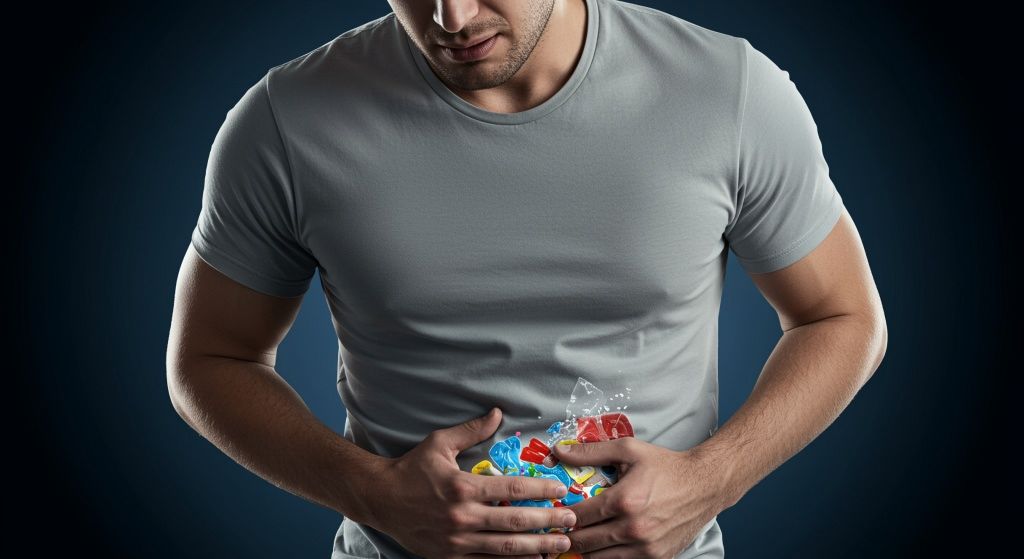
Can the body eliminate microplastics?
According to the World Health Organization (WHO), more than 90 percent of ingested microplastics are unlikely to be absorbed and are expected to pass through the gastrointestinal tract.
Particles larger than 150 micrometers are considered especially unlikely to cross the intestinal barrier.
Smaller microplastics may be absorbed to a limited extent, while absorption and distribution may be greater for nanoplastics, although evidence remains limited.
Key takeaways
- Microplastics are tiny plastic particles commonly found in food, water, air, and household environments.
- Microplastics are tiny plastic particles commonly found in food, water, air, and household environments.
- Exposure occurs mainly through ingestion and inhalation, with plastics in packaging and household products contributing to contact.
- Potential effects under investigation include oxidative stress and changes involving the digestive, respiratory, and nervous systems.
- Reducing plastic use around food, drinks, and household materials may help lower everyday exposure.
FAQ
- 1. How do you avoid microplastics in your body?
- 2. Which foods may contain microplastics?
- 3. Can the body flush out plastics that are less than five millimeters?
- 4. How do I know if I have microplastics in my body?
- 5. Does plastic pollution in aquatic life pose health risks?
Sources
- https://www.science.org/doi/10.1126/science.1094559
- https://www.sciencedirect.com/science/article/abs/pii/S0048969723039189
- https://www.nejm.org/doi/10.1056/NEJMoa2309822
- https://www.sciencedirect.com/science/article/pii/S0147651325002040
- https://www.nature.com/articles/s41591-024-03453-1
- https://iris.who.int/server/api/core/bitstreams/a6365240-4b02-4620-9f51-d700eb4e00de/content


