


At a glance
Phlegm forms when the airways become irritated or inflamed, leading to thick mucus that’s hard to clear. Understanding what triggers excess phlegm and how to support airway function with hydration and breathing practices can make clearing congestion easier and more comfortable.
Understanding how to clear phlegm from the lungs begins with recognizing what can trigger or contribute to excess mucus production, airway irritation, or changes in airway lubrication.
Lifestyle factors, dietary patterns, environmental exposure, and underlying respiratory conditions all can affect mucus consistency and the body’s ability to clear secretions effectively.
Discover ways to clear persistent phlegm with simple but effective home remedies and learn about nutrition-focused approaches to expel persistent mucus.
What is phlegm?
Phlegm is a thick, sticky substance released by the mucus membranes lining the respiratory tract. It serves as a defense mechanism to trap and remove dust, allergens, and pathogens before they can reach deeper lung tissue.
This mucus contains water, immune cells, enzymes, and various proteins that help bind to and neutralize potentially harmful particles.
Healthy mucus should remain thin and mobile, allowing it to be cleared naturally by the cilia, which are the tiny hairs lining the airways.
While the body consistently produces a small amount of phlegm, excessive mucus can develop as a result of inflammation or infection, leading to chest congestion and coughing.
Watch the video below to learn how to clear mucus with salt.
What causes phlegm in the lungs?
Phlegm buildup is the body’s natural response to irritation or infection in the respiratory tract.
When the airways become inflamed, the mucus glands located in the bronchi and bronchioles increase production to trap dust, allergens, pathogens, and other airborne particles, thereby preventing these irritants from reaching deeper lung tissue.
Respiratory infections, such as bronchitis, sinus infections, and pneumonia, are common triggers for phlegm production.
Environmental factors, including cigarette smoke, air pollution, and dry indoor air, can also irritate the airway lining and stimulate the production of excess mucus.
Acid reflux, dehydration, and seasonal allergies may contribute further by causing dry or inflamed mucous membranes.
In some cases, lying flat for long periods or having underlying lung conditions such as asthma, chronic obstructive pulmonary disease (COPD), or cystic fibrosis can make mucus thicker and more difficult to clear.
When mucus builds up, cilia can’t function as efficiently. This makes it harder to clear the lungs and can lead to coughing, shortness of breath, and chest discomfort.
Both the consistency of mucus and the color of phlegm may vary depending on the underlying cause, ranging from clear or white to yellow, green, or even dark in individuals exposed to heavy smoke or pollution.
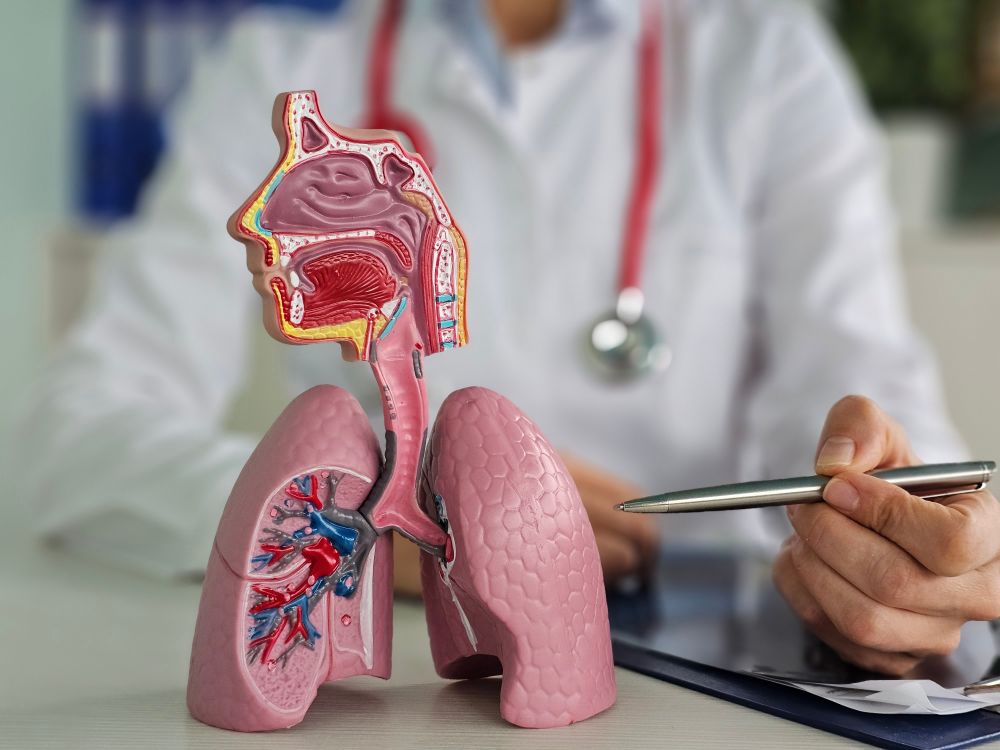
7 natural ways to clear phlegm from lungs
Maintaining clear and comfortable breathing requires supporting optimal mucus consistency, airway hydration, and normal respiratory function.
Many individuals prefer natural approaches that support these mechanisms and help the body loosen phlegm and manage excess mucus.
Here are seven ways to support the lungs’ natural mucus-clearing process.
1. Stay hydrated
Adequate hydration helps keep mucous thin and easier to clear as it supports the mucociliary escalator, which is the body’s natural way to move mucus up and out of the lungs.
Sipping on warm fluids, such as herbal teas, bone broth, or hot lemon water, not only helps soothe an irritated throat but also contributes to maintaining respiratory moisture balance.
2. Incorporate steam inhalation or humid air exposure
Inhaling moist air can help loosen phlegm and relieve airway congestion. Incorporating steam inhalation, using a humidifier, or taking a long, hot shower can help restore airway moisture and ease breathing.
Inhaling warm mist infused with eucalyptus oil may also open the airways and relieve congestion naturally.
Salt-based inhalation, also known as halotherapy, can be another way to alleviate phlegm, as breathing salt-enriched air helps thin mucus and may reduce airway inflammation.
“In addition, salt has natural antibacterial and antifungal properties, and inhaling microscopic salt particles can support mucus clearance in the lungs, sinuses, and throat,” explains Dr. Berg.
Evidence published in ERJ Open Research found that using a saline mist can help hydrate the airways and support normal mucociliary clearance, making it easier to loosen and remove mucus.

3. Practice deep breathing and controlled coughing
Breathing exercises expand lung capacity and can mobilize trapped mucus. Deep diaphragmatic breathing also changes chest pressure, helping secretions move upward for easier expulsion.
Controlled coughing, especially huff coughing, may also help clear mucus effectively without excessive strain.
In addition, slow, steady exhalation increases airflow through the bronchi and supports the movement of mucus toward the upper airways.
4. Eat mucus-clearing foods
Certain foods contain natural compounds that can influence mucus consistency and support normal airway function. Regularly including these ingredients in daily meals may help the body maintain clearer, more comfortable breathing.
While onions supply quercetin and sulfur-containing compounds that help remove mucus and reduce airway irritation, radishes offer glucosinates that can stimulate bronchial secretions and support mucus clearance.
Ginger provides gingerols that relax airway muscles and promote healthy airflow, and fresh lemons offer vitamin C and bioflavonoids that can help strengthen airway tissue.
Manuka honey coats mucous membranes, soothes irritation, and provides natural antioxidants that support respiratory comfort.
A study published in AIMS Microbiology reports that Manuka honey exhibits significant antibacterial activity, which is attributed to its higher phenolic and methylglyoxal content.
The authors highlighted that “Manuka honey’s antibacterial activity, in comparison to non-Manuka honey, is due to a higher phenolic and methylglyoxal content.”
While these properties contribute to Manuka honey’s supportive role in respiratory comfort, it is naturally high in sugar and should be used sparingly, especially for individuals with poor metabolic health or those following a low-carb diet.

5. Support electrolyte and mineral balance
Electrolyte minerals such as sodium, calcium, and magnesium play a vital role in regulating the body’s fluid balance and muscle contraction, including those in the lungs, which can greatly influence mucus consistency.
A lack of these essential electrolyte minerals can lead to thicker secretions and impede mucus clearance.
Incorporating mineral-rich foods such as leafy green vegetables, almonds, sesame seeds, and bone broth can support lung and muscle function and help clear persistent phlegm.
6. Avoid mucus-triggering foods and habits
While phlegm is often linked to lung or sinus infections, certain dietary and lifestyle factors can also increase mucus production.
Refined sugar and processed foods can spike blood sugar and insulin levels, which can worsen inflammation and may trigger airway irritation, triggering mucus release as a protective response.
High-carb foods can also thicken existing mucus, making it harder for cilia to move it out of the lungs. The combination of increased mucus production and slower clearance can exacerbate congestion and respiratory discomfort.
Individuals sensitive to milk proteins, including whey and casein, may also notice increased congestion when consuming dairy products due to increased immune system activation.
Avoiding smoking and limiting exposure to pollutants helps protect the airways and reduce chronic irritation.
Simple steps such as using an air purifier, choosing walking routes away from busy roads, avoiding aerosols, and wearing a mask in dusty or polluted environments can help minimize everyday irritants.
7. Stay physically active
Physical activity stimulates deeper breathing and promotes natural mucus clearance.
Low-impact exercises such as walking, gentle stretching, or cycling improve oxygen flow and help mobilize secretions.
Research published in the European Respiratory Journal found that exercise improved mucus clearance in individuals with cystic fibrosis, and the effect was even stronger when combined with coughing-based airway clearance techniques.
Techniques such as postural drainage, which utilize gravity and specific body positions to help drain mucus from various areas of the lungs, can provide additional support.
Consult with a healthcare provider or physical therapist for specific guidance to ensure techniques are safe and tailored to your individual needs.

When to see a doctor
While natural remedies can help relieve mild congestion, persistent or worsening symptoms require medical attention.
Contact a medical professional if phlegm lasts longer than two weeks, contains blood, becomes thick or discolored, or is accompanied by chest pain, fever, or shortness of breath.
These signs may indicate infection or more serious underlying conditions that require treatment.
Key takeaways
- Phlegm is a protective mucus that traps dust, allergens, and microbes, but excessive buildup can obstruct airways and make breathing difficult.
- Optimal hydration, steam inhalation, and breathing exercises can help loosen mucus and support the body’s natural airway-clearing mechanisms.
- Incorporating nutrient-dense foods such as onions, ginger, lemon, and honey can help thin mucus and support airway comfort.
- Maintaining electrolyte and mineral balance can further support smooth airway function and mucus clearance.
FAQ
- 1. Why do I have phlegm in my lungs?
- 2. What helps clear phlegm from lungs quickly?
- 3. What can I drink to loosen mucus in my lungs?
Sources
- Kelly S, Valentine M, Chua WH, Tatkov S. Impact of high- and low-flow nebulised saline on airway hydration and mucociliary transport. ERJ open research. 2023;9(3). doi:10.1183/23120541.00724-2022 https://pmc.ncbi.nlm.nih.gov/articles/PMC10258716/
- Johnston M, McBride M, Dahiya D, Owusu-Apenten R, Nigam PS. Antibacterial activity of Manuka honey and its components: An overview. AIMS microbiology. 2018;4(4):655-664. doi:10.3934/microbiol.2018.4.655 https://pmc.ncbi.nlm.nih.gov/articles/PMC6613335/
- Dwyer TJ, Daviskas E, Zainuldin R, Verschuer J, Eberl S, Bye PT, et al. Effects of exercise and airway clearance (positive expiratory pressure) on mucus clearance in cystic fibrosis: a randomised crossover trial. European Respiratory Journal. 2019;53(4):1801793. doi:10.1183/13993003.01793-2018 https://publications.ersnet.org/content/erj/53/4/1801793
Related Articles
-
Food Intolerance Symptoms and How to Identify Patterns
 Digestive health
Food Intolerance Symptoms and How to Identify Patterns
At a glance Food intolerance symptoms can be difficult to connect to a particular food because they don’t always happen immediately after eating. Reactions may depend on portion size, food…07/30/2026 -
Zinc Supplements: Forms and How to Choose
 Nutrition
Zinc Supplements: Forms and How to Choose
At a glance Zinc is an essential trace mineral involved in hundreds of enzymatic reactions that influence immune activity, cellular functions, and hormone regulation. Understanding the differences in formulation, dosage,…04/10/2026 -
How to Help Reduce Cancer Risk – 10 Natural Ways
 Health concerns
How to Help Reduce Cancer Risk – 10 Natural Ways
At a glance Cancer risk is strongly influenced by diet and lifestyle factors that affect inflammation, metabolic health, immune surveillance, and cellular repair. Strategies such as carbohydrate restriction, fasting, regular…04/03/2026 5.4k views -
How to Get Rid of Toenail Fungus – 3 Natural Solutions
 Health concerns
How to Get Rid of Toenail Fungus – 3 Natural Solutions
At a glance Toenail fungus is a common nail infection often linked to environmental exposure to infectious microbes, nail injury, and poor metabolic or immune health. Natural topical solutions and…03/13/2026 33.6k views -
HPV Skin Tags: Causes and What to Do
 Health concerns
HPV Skin Tags: Causes and What to Do
At a glance While both skin tags and warts can be linked to human papillomavirus (HPV), they differ in appearance and how they affect the body. Targeted dietary and lifestyle…03/13/2026 16.6k views -
How to Ease a Sore Throat Quickly Using Acupressure
 Health concerns
How to Ease a Sore Throat Quickly Using Acupressure
At a glance Acupressure offers a simple, hands-on approach to promoting physical comfort, which may help soothe sore throat pain. While it’s not a substitute for a medical evaluation, acupressure…02/27/2026 25.2k views -
Can Iron Tablets Make You Feel Sick?
 Nutrition
Can Iron Tablets Make You Feel Sick?
At a glance Iron tablets can make you feel sick by irritating the intestines, altering the gut microbiome, and potentially damaging intestinal cells. While iron is essential in trace amounts,…02/13/2026 6.5k views -
Benefits of Colostrum for Babies and Adults
 Nutrition
Benefits of Colostrum for Babies and Adults
At a glance Colostrum is the first milk produced after birth and delivers concentrated nutrients, immune factors, and growth compounds that support a newborn’s early development. This nutrient dense milk…02/13/2026 13.3k views -
What Are Viral and Bacterial Infections? Differences Explained
 Health concerns
What Are Viral and Bacterial Infections? Differences Explained
At a glance Viral and bacterial infections are caused by different pathogens and require distinct approaches for treatment and prevention. While viruses invade cells and typically resolve on their own,…02/12/2026 2.4k views -
Ear Infection Home Remedies: 8 Natural Solutions
 Immune health
Ear Infection Home Remedies: 8 Natural Solutions
At a glance Ear infections can cause pressure, discomfort, and temporary hearing changes, often triggered by viral or bacterial infections. Over-the-counter options may relieve symptoms, but often don’t address the…01/16/2026 26.9k views


