


At a glance
Muscle cramps can have several contributing factors, including mineral imbalances, physical strain, dehydration, and prolonged inactivity. Magnesium may play a role in cramping in some cases because adequate levels help support normal nerve and muscle activity. Knowing whether low magnesium is contributing can help guide more appropriate choices for managing recurring cramps.
Muscle cramps are sudden, involuntary contractions that can cause tightness, discomfort, or pain, often affecting the legs, feet, or calves.
Because magnesium helps to regulate muscle contraction, nerve signaling, and electrolyte balance, it’s often suggested as a potential way to reduce cramping.
Understanding what causes muscle cramps and how magnesium supports normal muscle function can help determine whether increasing magnesium intake may be beneficial.
What are muscle cramps?
Muscle cramps happen when a sudden, involuntary tightening of one or more muscles occurs. Cramps can last anywhere from a few seconds to several minutes.
During a cramp, the affected muscle contracts and temporarily struggles to relax, which can cause noticeable tightness, stiffness, or sharp discomfort.
Cramps commonly occur in the calves, feet, thighs, and hamstrings, although almost any skeletal muscle can be affected.
They may develop during physical activity, while resting, or at night, when they’re often referred to as nocturnal leg cramps.
Normal muscle movement depends on coordinated communication between nerves and muscle fibers. Proper fluid and electrolyte balance could also affect this process.
When this function is disrupted, a muscle may contract repeatedly or remain tightened longer than intended, resulting in a cramp.
Watch the video below to discover common factors that may contribute to nighttime leg cramps.
The role of magnesium in muscle function
Magnesium is an essential mineral involved in several processes that enable muscles to contract, relax, and produce energy efficiently.
It helps regulate the movement of calcium and potassium across cell membranes, supports normal nerve signaling, and is required for adenosine triphosphate (ATP) metabolism, the primary energy source for muscle cells.
Magnesium also helps regulate calcium activity within muscle tissue. Calcium plays a key role in initiating muscle contraction, while magnesium supports processes that help muscle fibers return to a relaxed state.
A review published in Magnesium Research highlights magnesium’s importance in skeletal muscle function, including its roles in muscle fiber composition, muscle contraction, and physical performance.
Low magnesium levels may interfere with normal nerve and muscle signaling, increasing muscle excitability and affecting how efficiently muscles contract and relax.
Does magnesium help with muscle cramps?
“Magnesium may help ease muscle cramps when low magnesium levels are a contributing factor,” explains Dr. Berg. “In these cases, increasing magnesium intake can support normal muscle function and help correct an underlying deficiency.”
However, cramping can also be linked to dehydration, heavy sweating, muscle overuse, prolonged inactivity, or imbalances in other electrolytes such as potassium and sodium.
Because cramps can be caused by so many factors, persistent or recurring cramps may require a broader look at hydration, activity levels, medications, and other possible causes.
A review published in the Cochrane Database of Systematic Reviews found that magnesium supplementation is unlikely to meaningfully reduce muscle cramps in older adults, while evidence for other populations remains limited or inconsistent.
Best types of magnesium for muscle cramps
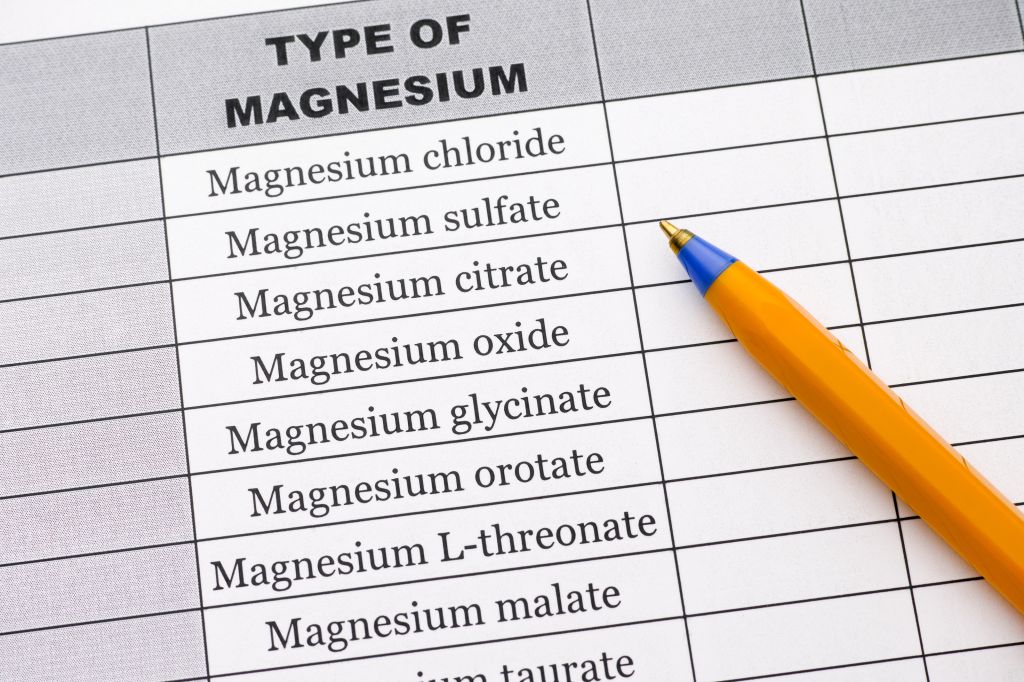
Different forms of magnesium vary in absorption and digestive effects, which helps determine which option is best for regular use.
Magnesium glycinate combines magnesium with glycine, an amino acid linked to nervous system relaxation. It may be preferred over some other forms of magnesium because it’s generally well tolerated and may be less likely to cause laxative effects.
Magnesium citrate is another well-absorbed option, but it’s more likely to cause loose stools or act as a mild laxative at higher doses.
For people who experience muscle cramps and want a form that is easier to tolerate regularly, magnesium glycinate can be a practical choice.
When choosing a high-quality magnesium supplement, be sure to study the label carefully and discuss options with your doctor.
How much magnesium should you take?
According to the National Institutes of Health (NIH) Office of Dietary Supplements, adult men generally need 400 to 420 milligrams of magnesium per day, while adult women need about 310 to 320 milligrams per day.
These recommended amounts include magnesium from both food and supplements. However, according to the NIH Office of Dietary Supplements, the adult upper limit for magnesium from supplements and medications is 350 milligrams daily, excluding magnesium naturally present in foods.
Taking more supplemental magnesium than needed can cause diarrhea, nausea, or abdominal discomfort.
People with kidney problems or those taking medications that interact with magnesium should also consult a doctor before supplementing.

Best dietary sources of magnesium
Magnesium is naturally present in a variety of nutrient-dense foods, making it easy to include in a nutritious diet.
The following are some of the best dietary sources of magnesium:
- Pumpkin seeds
- Chia seeds
- Almonds
- Spinach
- Swiss chard
- Avocado
- Mackerel
- Salmon
- Sardines
- Dark chocolate
- Brazil nuts
- Pecans

Other ways to help prevent muscle cramps
Reducing the likelihood of muscle cramps often involves improving flexibility, physical conditioning, and overall recovery practices.
Gentle stretching can help maintain flexibility in areas such as the calves and hamstrings, while stretching before bed may be useful for people who experience nighttime leg cramps.
Gradually increasing exercise intensity can also help prevent excessive fatigue, especially during new or more demanding workouts.
Adequate rest, sufficient sleep, and proper warm-ups further support physical recovery between periods of activity.
Pickle juice may also provide rapid relief for some acute cramps, possibly by activating nerve reflexes rather than by immediately replacing electrolytes.
Frequent or unexplained cramping, especially when accompanied by weakness, swelling, numbness, or other unusual symptoms, should be evaluated by a healthcare professional.

When to see a healthcare provider
Occasional muscle cramps are usually brief and harmless, but medical evaluation may be appropriate when they become frequent, severe, or persistent.
Cramps that regularly disrupt sleep, limit daily activities, or continue without an obvious trigger should be discussed with a physician.
A doctor should also assess cramping that develops alongside ongoing pain, changes in skin color or temperature, or noticeable changes in muscle function.
These signs can sometimes indicate an underlying issue involving circulation, nerve function, medication effects, or another health condition.
Seek urgent medical care if cramping is accompanied by sudden severe swelling, redness, or warmth, and emergency medical care if chest pain or shortness of breath occurs.
Key takeaways
- Choosing magnesium glycinate can offer good absorption and digestive tolerance for regular use.
- Choosing magnesium glycinate can offer good absorption and digestive tolerance for regular use.
- Daily intake needs can be met through a combination of magnesium-rich foods and magnesium supplements when appropriate.
- Stretching, gradual conditioning, and proper recovery may also help reduce the risk of cramping.
FAQ
- 1. How long does it take magnesium to stop leg cramps?
- 2. What is the body lacking when you have leg cramps?
- 3. What should you never mix with magnesium supplements?
- 4. What can I eat to stop leg cramps immediately?