

At a glance
Vagus nerve exercises may help support communication between the brain and organs involved in heart rate, digestion, and stress regulation. Techniques such as slow breathing, humming, facial cooling, and gentle stretching are designed to encourage a calmer physiological state. These practices can be incorporated into a routine that supports relaxation, healthy stress management, and overall well-being.
The vagus nerve plays an important role in regulating involuntary functions such as heart rate, digestion, and the body’s stress response.
Certain breathing, movement, and relaxation techniques may help support vagal nerve activity and promote a shift toward a calmer, more relaxed state.
Learn how vagus nerve exercises work, their potential benefits, and simple ways to incorporate them into your daily routine.
What is the vagus nerve?
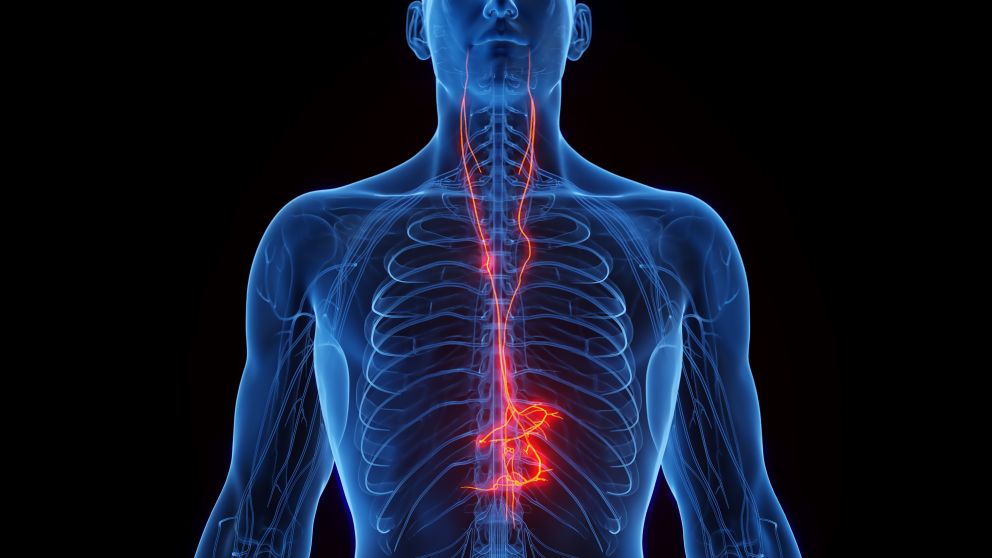
The vagus nerve is the longest cranial nerve, extending from the brainstem through the neck, chest, and abdomen.
As a major component of the parasympathetic nervous system, it connects the brain with several vital organs. Most vagus nerve fibers are sensory, carrying information from the organs back to the central nervous system.
A review published in Comprehensive Physiology found that the vagus nerve plays important sensory and motor roles in cardiovascular, respiratory, and gastrointestinal functions and also interacts with the immune system.
Because the vagus nerve connects to many organs, injury or dysfunction can affect a wide range of the body’s essential functions. Damage to the vagus nerve may result from neck or chest trauma, certain surgical procedures, tumors, or conditions that affect peripheral nerves.
Depending on where the damage occurs, it may affect swallowing, voice, heart rate regulation, or the digestive system.
Watch the video below to learn techniques that may help support vagus nerve function.
Signs of vagus nerve dysfunction
Symptoms of vagus nerve dysfunction vary depending on which nerve fibers are affected and may involve digestive, cardiovascular, or throat-related functions.
Changes in vagus nerve activity may contribute to symptoms by altering communication between the brain and the organs the nerve helps regulate.
Possible signs include the following:
- Difficulty swallowing food or liquids
- Hoarseness or noticeable changes in voice tone
- Nausea, bloating, delayed stomach emptying, or feeling full sooner than expected
- Abnormally fast or slow heart rate
- Dizziness or fainting related to blood pressure changes
- Reduced gag reflex or difficulty controlling throat muscles
4 vagus nerve exercises to try
Vagus nerve exercises can involve breathing, vocalization, brief facial cooling, and gentle stretching.
Some of these approaches, particularly slow breathing, may support parasympathetic activity and provide different ways to encourage a calmer physical state.
1. Slow diaphragmatic breathing
Sit or lie comfortably with your shoulders relaxed. Inhale deeply through your nose, allowing your abdomen to expand, then exhale slowly. Take slightly longer to exhale than to inhale.
Maintaining a smooth, unforced breathing pattern may increase vagally mediated heart rate variability and support parasympathetic cardiac activity.
2. Humming
Take a comfortable breath in, then gently hum as you exhale until the breath naturally ends.
Humming naturally prolongs the period of exhalation and can be paired with slow breathing to create a steady rhythm. Repeat several times at a comfortable volume without straining your vocal cords or forcing the sound, and see how your body responds.

3. Brief facial cooling
Splash cold water on your face or place a cool, damp cloth across your cheeks and forehead for a short period.
“Cooling the face may trigger the diving reflex, a natural response that can temporarily slow heart rate and increase cardiac vagal activity,” explains Dr. Berg.
Use comfortably cool water rather than extremely cold water, especially if you have cardiovascular concerns or are sensitive to sudden temperature changes.
4. Gentle stretching
Choose slow, comfortable stretches that relax the body without causing strain. Move gradually between different stretches, focusing on releasing muscular tension rather than overexerting yourself.
Stretching may help reduce physical tension while providing low-intensity movement that complements other relaxation practices.

Four benefits of vagus nerve exercises
Practices that help with increasing vagus nerve activity may also support parasympathetic nervous system function, which is associated with rest, recovery, and autonomic balance.
Although results can vary depending on the technique and the individual, incorporating vagus nerve exercises into your routine may offer several potential benefits.
1. Promotes relaxation
Slow, controlled breathing is one vagus nerve exercise that may encourage the body’s natural relaxation response and restore balance.
Breathing at a steady pace, especially with a longer exhalation, can help slow the heart rate, reduce physical tension, and create a greater sense of calm.
For people experiencing chronic stress, this practice may help reduce fight-or-flight activity from the sympathetic nervous system and move the body into a more relaxed state.
2. Helps regulate heart rate
The vagus nerve contributes to parasympathetic control of cardiac function, and slow breathing may influence this activity by altering heart rate variability.
A systematic review and meta-analysis published in Neuroscience & Biobehavioral Reviews found that voluntary slow breathing increased vagally mediated heart rate variability during breathing, immediately afterward, and following repeated practice. These findings suggest that this breathing technique may help support healthy heart regulation.

3. Supports digestive function
The vagus nerve helps coordinate digestive processes, including gastrointestinal motility and secretions.
Practices such as deep breathing and physical movement may help support normal digestive regulation.
A review published in Neurogastroenterology & Motility explains that the vagus nerve helps the brain and digestive tract communicate and plays a role in controlling how food moves through the gastrointestinal tract.
Supporting healthy vagal activity may therefore help maintain normal digestive regulation, although effects can vary depending on the technique and individual.
4. May improve sleep quality
Healthy sleep involves shifts in autonomic nervous system activity as the body moves from wakefulness through different sleep stages.
Some vagus nerve exercises before bedtime, such as paced breathing, may support this transition and help create conditions more conducive to consistent sleep.
When to seek medical advice
It’s best to speak with a healthcare provider if you experience ongoing fainting, unexplained changes in heart rate, difficulty swallowing, persistent digestive issues, or new voice changes.
Stop exercising and seek medical guidance if it causes dizziness, chest discomfort, shortness of breath, or unusual heart sensations.
People with cardiovascular conditions or a history of fainting should also discuss adding any new exercises with their healthcare provider before practicing them regularly, particularly if they may affect heart rate or blood pressure.
Key takeaways
- The vagus nerve helps regulate heart rate, digestion, stress responses, and other involuntary functions.
- Vagus nerve exercises may support relaxation, digestion, and better sleep quality.
- Slow breathing, gentle humming, brief facial cooling, and stretching are gentle techniques that may support vagal activity.
- Persistent symptoms or adverse reactions during exercises should be discussed with a healthcare provider.
FAQ
- 1. Do vagus nerve exercises like deep breathing actually work?
- 2. How to tell if your vagus nerve is struggling?
- 3. What is the best exercise to stimulate the vagus nerve?
- 4. Is there a downside to vagus nerve stimulation?


