


At a glance
Nausea can develop when both the digestive and nervous systems are under strain. Sleep is essential for regulating stress hormones, inflammatory signaling, and communication between the brain and the gut. When sleep is disrupted, these processes can become less stable, potentially increasing susceptibility to nausea in certain situations.
Can lack of sleep cause nausea? Yes, a poor night’s sleep may play a role in nausea and increase the risk of queasiness linked to digestive or motion-related issues.
Discover how lack of sleep can contribute to nausea and explore simple but effective natural remedies that support relief and help improve overall well-being.
Why is sleep important?
Sleep is essential as it allows the body to regulate, reset, and rejuvenate systems that control the stress response, inflammatory balance, and digestive functions.
During restful and restorative sleep, stress hormone levels decline, inflammatory signaling is rebalanced, and communication between the brain and the digestive tract is optimized.
These processes work together to help maintain a balanced nervous system during rest. When cortisol, the body’s primary stress hormone, remains elevated, normal digestive processes and gut motility can be disrupted.
At the same time, increased inflammation can heighten nervous system sensitivity, making the body more reactive to physical sensations.
Adequate sleep helps the brain and digestive system to communicate effectively, maintaining a balance between digestive functions and the body’s stress responses.
When sleep is lacking, brain-gut communication weakens, and the body may shift into a heightened state of stress.
This can disrupt normal digestion and increase the risk of uncomfortable gut symptoms, including an upset stomach or nausea, especially when other triggers such as stress, dehydration, or poor dietary habits are present.
Watch the video below to discover nine symptoms of sleep deprivation.
Can lack of sleep cause nausea?
Lack of sleep isn’t considered a direct cause of nausea in many cases. However, insufficient sleep appears to lower the body’s tolerance to physical and sensory stress, which can make nausea more likely when other triggers are present.
This effect is believed to be closely tied to how sleep supports nervous system adaptation.
When the body is well rested, the nervous system is better able to adjust to movement and changes in position. When sleep is disrupted, this adaptive capacity appears to weaken.
A study published in the Journal of Environmental and Public Health highlights that individuals who were sleep-deprived before travel were significantly more likely to experience motion-related sickness.
The authors state, “In order to prevent or reduce the sensation of car sickness, passengers should take enough physical rest, sleep well, and avoid eating heavy meals before a journey.”
This suggests that sleep deprivation can make the nervous system more reactive to motion, increasing the likelihood of nausea.

Sleep loss also affects how the brain processes internal signals related to discomfort. Poor sleep increases mental fatigue, which reduces the nervous system’s ability to filter sensory input. As a result, sensations that might otherwise be tolerated can feel more intense or unpleasant.
Evidence published in Sleep Science reports that reduced sleep quality is associated with higher mental fatigue, along with changes in inflammatory and neurotransmitter pathways, including alterations in serotonin and histamine signaling.
These pathways help regulate the gut-brain connection and may influence how nausea and other forms of gut discomfort are perceived.
The connection between disrupted sleep and digestive symptoms is also seen in broader health research.
Research published in the Journal of Translational Medicine found that conditions characterized by unrefreshing sleep frequently include gastrointestinal symptoms. This overlap reinforces the idea that sleep quality, nervous system regulation, and digestive comfort are closely linked.
Other signs of sleep deprivation
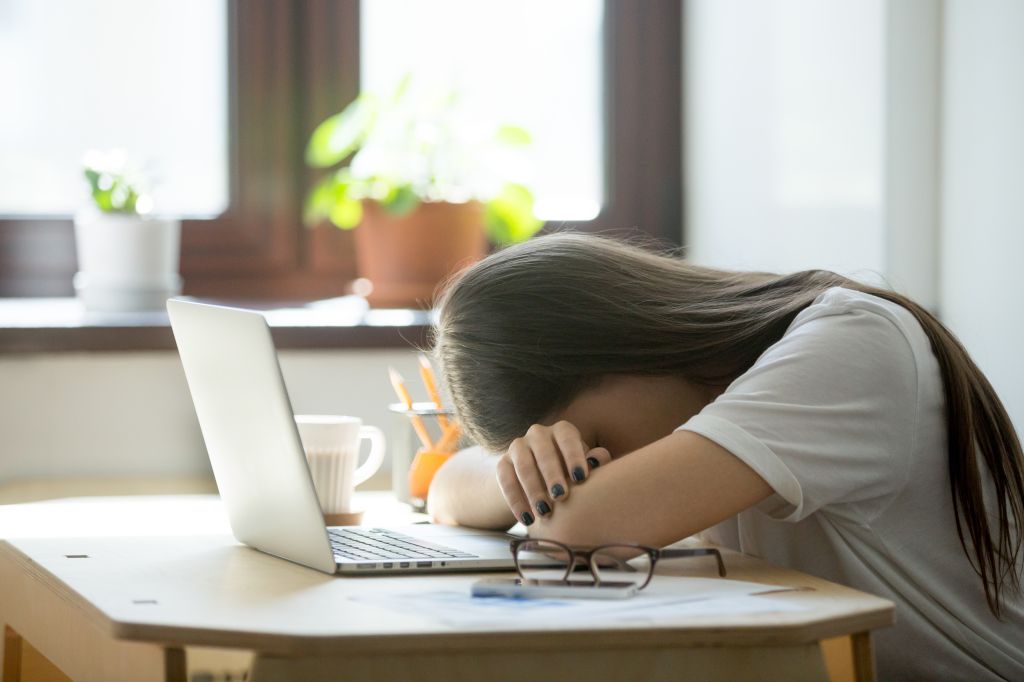
Sleep deprivation affects millions worldwide and can cause nausea, often appearing alongside other noticeable signs of poor rest.
Common signs linked to sleep deprivation include:
- Persistent mental fatigue
- Increased irritability
- Poor stress tolerance
- Difficulty concentrating
- Digestive discomfort
- Appetite changes and increased cravings
Experiencing multiple symptoms associated with inadequate rest may indicate that sleep disruption is significantly contributing to physiological strain, which can have a profound impact on overall health and well-being.

Natural remedies for nausea
Reducing nausea often involves supporting digestive wellness and calming nervous system activity while addressing the underlying causes.
Consuming ginger or ginger tea may help support gastric motility, which can reduce nausea by improving stomach emptying and supporting coordinated movement of the upper stomach muscles.
Peppermint is another commonly used remedy to help relax gastrointestinal smooth muscles, including those in the upper digestive tract, which may ease digestive discomfort.
Chamomile tea has traditionally been used to promote relaxation, which can help calm nervous system activity and support overall gut comfort.
Incorporating gut-soothing remedies may help support occasional nausea, but shouldn’t replace medical evaluation for chronic nausea or severe digestive symptoms.

Tips for better sleep
Practicing good sleep hygiene supports the body’s natural restorative processes that help regulate the stress response and digestive health.
Poor-quality sleep can disrupt these processes, making the body more sensitive to digestive signals and thereby increasing the risk of nausea.
Here are four practical tips to improve sleep quality.
1. Keep a consistent sleep schedule
Going to bed and waking up at the same time each day, including weekends, supports healthy sleep rhythms and nervous system balance.
Consistent sleep patterns also help regulate stress hormones, which can reduce the risk of sleep issues and make it easier to get a good night’s sleep over time.
2. Avoid heavy meals before bedtime
Eating large meals close to bedtime can increase digestive activity and stomach acid release, which can interfere with sleep quality and duration.
Allowing sufficient time between dinner and sleep, typically around three hours, helps support digestion and may prevent an upset stomach or nausea during the night or shortly after waking.

3. Avoid caffeine later in the day
Caffeine stimulates the nervous system and can make it harder to fall asleep or stay asleep, even several hours after consumption.
Limiting caffeine intake in the afternoon and evening may help reduce sleep disturbances and support deeper, more restful sleep.
4. Create a calming pre-sleep routine
Establishing a relaxing bedtime routine helps signal the body that it’s time to rest and begin winding down. Reducing stimulation in the evening also supports nervous system regulation and prepares the body for sleep.
Dimming lights, limiting screen use, and winding down in a quiet room can help lower stress levels and support more restful sleep.
Avoiding screens before bed is particularly important, as blue light exposure can interfere with the body’s natural sleep signals.
“Cell phones, tablets, and TVs all emit blue light that can affect the circadian rhythm, which is the internal clock that governs the sleep-wake cycle,” explains Dr. Berg. “Blue light can also elevate cortisol, the body’s stress hormone that can cause difficulty falling or staying asleep.”
Key takeaways
- Nausea can develop when the nervous and digestive systems are under physiological strain, including stress related to poor or insufficient sleep.
- While lack of sleep isn’t typically a direct cause of nausea, it can increase sensitivity to common triggers such as motion, stress, or digestive upset.
- Natural remedies, including ginger, peppermint, and chamomile, may help support digestive comfort and reduce symptoms.
- Practicing good sleep hygiene and following simple sleep-supportive habits may help improve the body’s tolerance to nausea-provoking stressors.
FAQ
- 1. Can lack of sleep cause nausea?
- 2. What are the signs of not enough sleep?
- 3. Will sleeping help nausea go away?
- 4. Is nausea a symptom of sleep apnea?
- 5. What helps with nausea?
Sources
- https://pmc.ncbi.nlm.nih.gov/articles/PMC8888106/
- https://pmc.ncbi.nlm.nih.gov/articles/PMC8906385/
- https://pmc.ncbi.nlm.nih.gov/articles/PMC7391812/
Related Articles
-
Is Working Out at Night Bad for Sleep?
 Healthy lifestyle
Is Working Out at Night Bad for Sleep?
At a glance Working out at night can be a good fit for many people, especially when there is enough time to recover before bed. Evening workouts temporarily raise heart…09/03/2026 -
What Is the Best Time to Take Magnesium?
 Supplements
What Is the Best Time to Take Magnesium?
At a glance The best time to take magnesium depends on your primary health goals and daily routine. Morning magnesium intake can support daytime stress management and energy production, while…08/31/2026 -
Sleep Hygiene Basics That Actually Matter
 Healthy lifestyle
Sleep Hygiene Basics That Actually Matter
At a glance Sleep hygiene includes the daily routines and environmental cues that shape sleep quality. These habits influence the circadian rhythm, nighttime recovery, and how easily the body transitions…08/27/2026 -
Why You Crave Carbs and How to Reduce Cravings
 Nutrition
Why You Crave Carbs and How to Reduce Cravings
At a glance Carb cravings are often influenced by blood sugar regulation, hormone activity, and nutrient status. These cravings are not always driven by hunger and may reflect underlying metabolic…07/16/2026 -
Sore Muscles: Recovery vs. Overdoing It
 Fitness
Sore Muscles: Recovery vs. Overdoing It
At a glance Sore muscles are a normal response to unfamiliar or intense exercise. Mild to moderate soreness is usually a sign of productive adaptation, while sharp pain, significant swelling,…06/25/2026 -
Ashwagandha Supplements: Forms and How to Choose
 Supplements
Ashwagandha Supplements: Forms and How to Choose
At a glance Ashwagandha supplements, widely available as root powders and extracts, are often used to support emotional well-being, sleep quality, and hormonal balance. Because ashwagandha formulations vary in concentrations…04/24/2026 -
Cortisol Cravings: How Stress Can Lead to Weight Gain
 Healthy lifestyle
Cortisol Cravings: How Stress Can Lead to Weight Gain
At a glance Elevated cortisol levels, typically linked to stress, disrupt appetite signaling, which can increase the desire for processed, calorie-dense foods. Persistently high cortisol levels may also promote weight…04/24/2026 -
How Much Caffeine Is Too Much? Signs and Daily Limits
 Food and Drink
How Much Caffeine Is Too Much? Signs and Daily Limits
At a glance Caffeine is a widely consumed stimulant that can temporarily increase alertness and reduce fatigue. Its effects depend on dose, timing, and individual sensitivity. While moderate intake is…04/16/2026 -
Craving Chocolate? Here’s What It Could Mean
 Deficiencies
Craving Chocolate? Here’s What It Could Mean
At a glance Regular chocolate cravings may signal estrogen imbalances, elevated cortisol levels, or depleted magnesium stores. Choosing organic dark chocolate with higher cacao content can help satisfy cravings while…04/03/2026 -
Why Am I Feeling Weak and Shaky? 7 Possible Causes
 Health concerns
Why Am I Feeling Weak and Shaky? 7 Possible Causes
At a glance Feeling weak and shaky can indicate poor blood sugar regulation, dehydration, electrolyte imbalances, or nutrient deficiencies, which can disrupt normal energy production, nervous system signaling, and muscle…03/12/2026


