

At a glance
Ketones, also known as ketone bodies, serve as a vital alternative fuel source that the body creates when carbohydrate intake drops. Produced by the liver from dietary or stored fats, these molecules step in to provide steady energy for the brain and other vital organs when blood glucose runs low.
What are ketones? Ketones are the body’s primary source of energy during periods of low carbohydrate intake, during which the body makes the switch to a metabolic state known as ketosis.
Ketones can serve as an efficient fuel source for the brain and other vital organs, allowing the body to rely on dietary fat and fat stores for energy instead of glucose.
Learn what ketones are, how ketosis works, and about the potential benefits of burning ketones for energy.
What are ketones?
Ketones are compounds that serve as an important alternative fuel source when carbohydrate intake is low. The process begins when dietary fat or stored fat is broken down into fatty acids.
In the liver—through the metabolic process of ketogenesis—these acids are converted into three specific ketone bodies: acetoacetate, beta-hydroxybutyrate, and acetone.
Ketones then enter the bloodstream and fuel the brain and other vital organs that cannot burn fat directly.
There are three main types of ketones the body can provide when breaking down fat stores.
- Acetoacetate (AcAc): This is the parent ketone. The body either converts it into usable energy or eliminates it as waste.
- Beta-hydroxybutyrate (BHB): As the most abundant and stable ketone body, BHB travels through the bloodstream to power your brain and muscles.
- Acetone: As the breakdown byproduct of AcAc, acetone cannot be used for energy, so it is mainly exhaled through the lungs. This process causes temporary “keto breath,” a fruity or metallic taste and odor that occurs upon entering ketosis.
How does ketogenesis work?
Under normal conditions, the human body breaks down carbohydrates into glucose, which powers the body’s cells and organs.
When carbohydrates are restricted or removed, blood sugar levels drop, and the body must look elsewhere for energy. That energy is stored in body fat, which is mobilized and released into the bloodstream as free fatty acids. The liver breaks down these fatty acids via beta-oxidation to create the compound acetyl-CoA.
Ketogenesis refers specifically to the liver’s conversion of acetyl-CoA into ketone bodies, the most abundant being beta-hydroxybutyrate.
The liver releases these ketones into the bloodstream, where they cross the blood-brain barrier to efficiently power the brain as well as other parts of the body.
How to transition into ketosis
To switch the body into a fat-burning state of ketosis, net carb intake is often reduced to about 20 to 50 grams per day.
Fasting or adopting a low-carb diet, such as the Healthy Keto® diet, are two ways to lower carbohydrate intake enough for the body to enter ketosis.
When adopting a low-carb diet, be sure to focus meals on whole foods like cruciferous vegetables, healthy fats, and protein sources like meat. Avoid low-carb approaches like “dirty keto” that only emphasize lowering carbohydrate intake without prioritizing nutritional content.
Watch the video below to learn some of the signs that may indicate your body is in ketosis.
How do I check for ketones?
Keto breath may indicate the presence of ketones, but symptoms alone are not reliable indicators of ketosis.
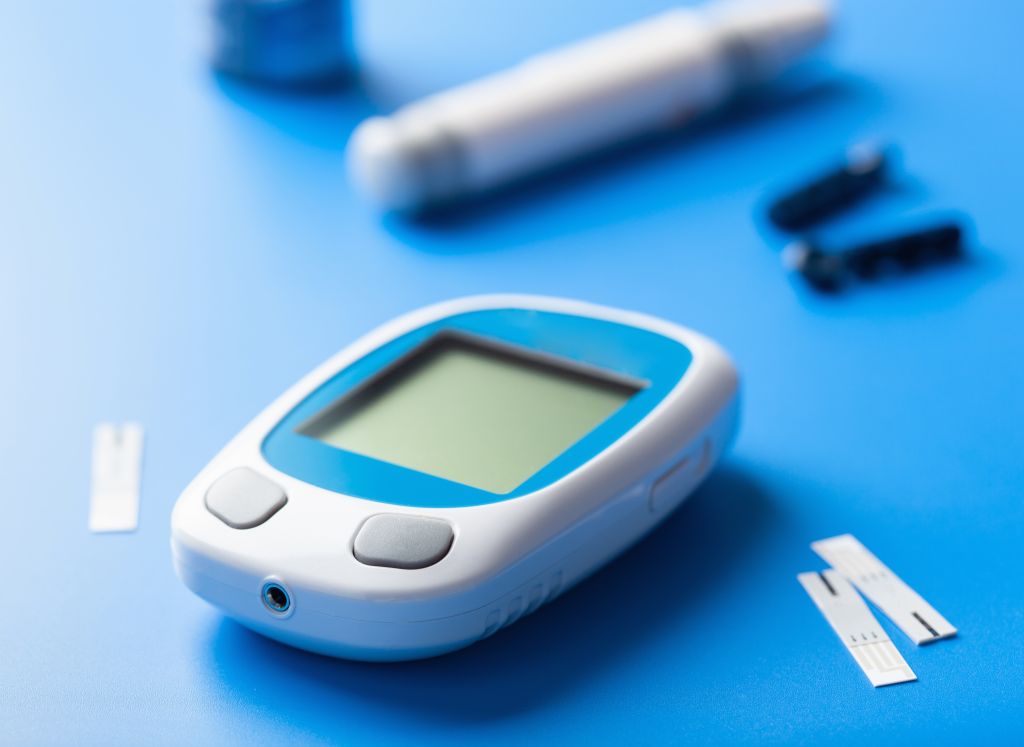
However, getting an accurate read on ketone levels requires an at-home kit. There are a few options commonly available for those who want to test their ketone levels.
- Blood test meters: Blood samples are considered the most accurate method for testing ketone levels.
- Urine ketone test strips: Strips for urine tests are often the cheapest and easiest option for beginners to utilize.
- Breath meters: Measuring the byproduct acetone with a breath meter is one of the least precise ways to measure ketone levels.
“Whichever testing method you use, it is recommended to perform tests at the same time each day,” says Dr. Berg. “Staying consistent with test timing can help to reduce unhelpful variances.”
Understanding ketone test results
To know if healthy lifestyle changes are working, it helps to understand the results of ketone test kits.
Blood ketone meters test a single drop of blood and provide an easy-to-read digital number.
Millimoles per liter (mmol/L) is the standard used to measure the number of ketone molecules, or the molarity, in a liter of blood.
A normal ketone level for someone eating a standard diet is about 0.5 mmol/L or lower. Nutritional ketosis officially begins when blood ketone levels rise above that number.
During nutritional ketosis, blood ketone levels may range between 1.5 and 3.0 mmol/L, although levels vary among individuals.
For urine ketone test strips, there will be a color-coded meter on the product that will indicate which range you fall into.
Breath meters usually show a result in parts per million (PPM). Nutritional ketosis generally falls between 4 and 30 PPM.

Ketosis vs. diabetic ketoacidosis
It is important not to confuse ketosis with ketoacidosis, two very different states. They both involve ketones, but one is safe while the other is a life-threatening condition.
Ketosis is a natural metabolic process brought on mainly by a low-carb diet or fasting. Because the body lacks carbs, the liver breaks down fat for fuel and creates a small, controlled number of ketones.
During ketosis, the body still produces enough insulin to keep blood chemistry balanced and stable.
In contrast, diabetic ketoacidosis (DKA) happens when a severe lack of insulin causes excessive production of ketones along with elevated blood sugar. The resulting build-up of ketones makes the blood dangerously acidic.
Early DKA symptoms are similar to those of high blood sugar and include frequent urination, extreme thirst, dry mouth and skin, headaches, and dehydration. Without treatment, this can lead to vomiting, stomach pain, confusion, heavy breathing, and even death.
DKA may also affect people with type 2 diabetes. Alcoholic ketoacidosis is a separate form of ketoacidosis associated with heavy alcohol use.
People at risk of ketoacidosis should consult a healthcare provider before trying a keto diet or other ketogenic activity.
Metabolic benefits of burning ketones
Making the metabolic switch from burning glucose to burning ketones can offer many potential benefits for the body.
Individuals may find that being in ketosis helps control appetite and manage weight without a sense of deprivation, as ketogenic diets may influence hunger-related hormones.
A review published in Nutrients found that “Ketogenic diets significantly suppress feelings of hunger and reduce the secretion of ghrelin (the hunger hormone) despite weight loss.”
Ketones may also reduce energy crashes caused by extreme blood sugar fluctuations and the mental sluggishness associated with them.
Moreover, a review published in Nutrients found that restricting carbohydrate intake through ketogenic dieting significantly reduced blood sugar spikes.
Ketosis may also have some influence on oxidative stress and inflammatory responses, although more research is necessary.
A review published in the Journal of Child Neurology found evidence that eating a low-carb keto diet may lead to a reduction of inflammation.
Key takeaways
- Ketones are clean-burning fuel molecules produced by the liver from broken-down fat when glucose levels are low.
- Natural ketosis is a controlled metabolic state where the body burns fat for energy, distinct from the life-threatening condition of ketoacidosis.
- Transitioning into ketosis by lowering net carbs to 20 to 50 grams per day may support weight management and appetite control.
FAQ
- 1. How long does it take to enter ketosis?
- 2. Do I need to take ketone supplements to enter ketosis?
- 3. What is the fastest way to stop the “keto flu”?
- 4. How can I check for high ketone levels?


