

At a glance
Gallstones form when bile becomes imbalanced or stagnant, often due to high-carb diets, very low-fat diets, rapid weight loss, hormonal changes, or insulin resistance. Many cause no symptoms for years, but even a small stone can block bile flow and trigger severe pain that needs prompt medical care. Learn more about gallstones and what causes them.
What are gallstones, and why do some cause problems while others go unnoticed?
The answer often comes down to bile, the digestive fluid that keeps cholesterol dissolved and helps the body digest fats. When bile becomes imbalanced or stops flowing properly, stones can form.
Let’s explore how gallstones form, the symptoms to watch for, common causes and risk factors, and natural strategies that may help support healthy bile flow and long-term gallbladder health.
What are gallbladder stones?
Gallbladder stones, also known as gallstones, are hardened deposits that form in the gallbladder, which is a small pear-shaped organ located beneath the liver.
The gallbladder’s primary role is to store bile, a vital digestive fluid produced by the liver. Bile is made up of bile salts, cholesterol, and bilirubin—a yellowish byproduct of red blood cell breakdown that can also act as a natural antioxidant.
When you eat a fatty meal, it triggers the gallbladder to contract, pushing bile through the common bile duct into the small intestine. There, bile acts as a natural detergent that emulsifies dietary fats, breaking them into tiny droplets that are easier to digest and supporting the absorption of fat-soluble nutrients.
Bile also serves as a primary elimination pathway, carrying metabolic waste products such as excess cholesterol and toxins from the liver out of the body.
However, sluggish gallbladder function or bile that becomes overly saturated with cholesterol or bilirubin can cause bile to thicken into a sludge. When bile flow becomes too stagnant, its components can crystallize and harden into gallstones.
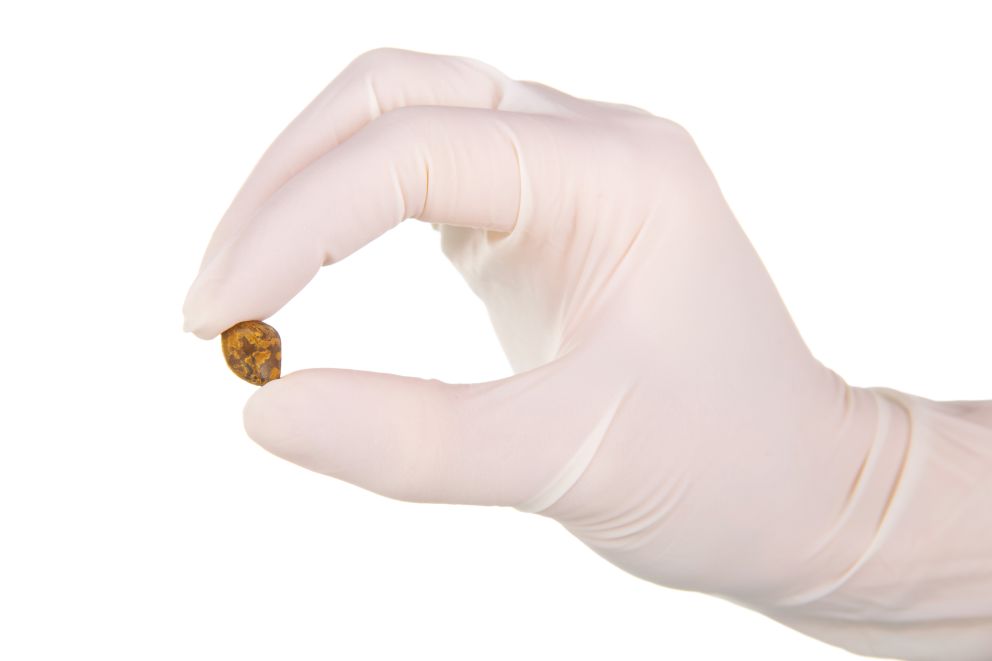
Gallstones can range in size from a grain of sand to larger than a golf ball, and in extreme cases, they can grow large enough to completely fill the gallbladder.
When gallstones block bile flow, they can cause sudden, severe abdominal pain (also known as biliary colic), gallbladder inflammation, and digestive health problems.
Watch the video below to learn about the common causes of gallstones.
Different types of gallstones
There are two primary types of gallstones: cholesterol gallstones and pigment gallstones.
Cholesterol gallstones
Most gallstones are cholesterol stones, consisting mainly of hardened, undissolved cholesterol. They’re typically linked to excess cholesterol secretion by the liver, too few bile salts to keep cholesterol dissolved, and other risk factors such as insulin resistance, obesity, sluggish gallbladder motility, or rapid weight loss.
Pigment gallstones
Pigment stones are formed when there’s too much bilirubin in the bile. They are typically linked to chronic liver disease or specific blood disorders, such as sickle cell anemia.
Some individuals may develop a mixture of both cholesterol and pigment stones.
Symptoms of gallbladder stones
It can be difficult to detect gallstones at first, since they can be present for years before any symptoms appear. When a gallstone partially or completely blocks the biliary tract, a sudden gallbladder attack can be triggered.
A gallbladder attack can lead to rapidly worsening pain and discomfort as the gallbladder contracts against the blockage. Often felt in the upper right abdomen, gallstone pain may last anywhere from several minutes to a few hours.
Other symptoms that may be associated with impaired gallbladder function and stone risk include the following:
- Difficulty digesting fatty foods
- Pale or clay-colored stool
- Back pain
- Pain radiating up the right shoulder
- Nausea and vomiting
- Fat-soluble vitamin deficiencies
- Fatigue
If you are concerned about your gallbladder health or are experiencing symptoms of gallstones, it’s crucial to consult a healthcare provider to promptly evaluate the situation.
If gallstones block bile flow, they can cause severe gallbladder inflammation, also known as cholecystitis, a serious condition that may require gallbladder removal surgery.
Severe pain, pain lasting more than a few hours, jaundice (yellowing of the skin or eyes), fever or chills, or persistent vomiting may indicate a serious complication, such as a blocked bile duct or infection, and requires immediate medical care.
Causes and risk factors
Several genetic, dietary, and lifestyle factors can contribute to impaired bile flow and the formation of gallstones.
According to a review published in StatPearls, women and older adults, as well as individuals with excess weight, a genetic predisposition to gallstones, and diabetes, are at increased risk of gallstone formation.
Stress, female hormonal imbalances, and the use of birth control pills may further exacerbate this risk, as hormones such as cortisol, estrogen, and progesterone may influence bile composition and gallbladder function.
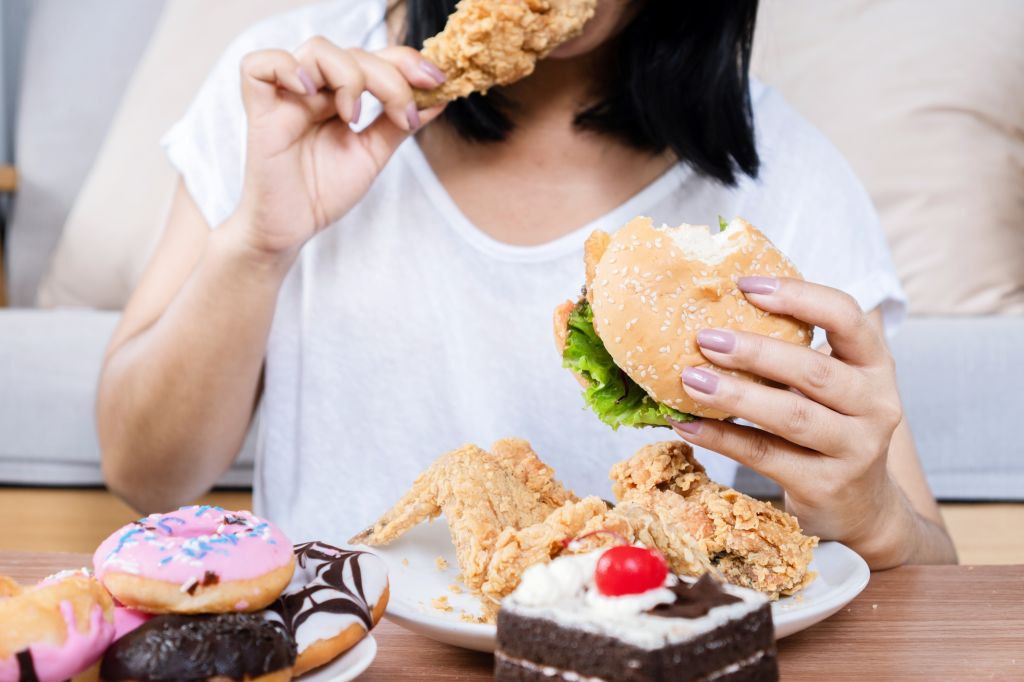
A very low-fat diet has also been linked to gallstone formation, as it can reduce how often the gallbladder contracts and empties. This can lead to bile sludge buildup and, over time, stone formation.
In addition, dietary patterns high in carbohydrates have been associated with an increased risk of gallstones and gallbladder disease.
High-carb diets, especially those that include a lot of refined carbohydrates, can trigger the release of large amounts of insulin to maintain blood sugar control. High insulin levels may increase cholesterol production in liver cells, which can lead to too much cholesterol in bile and potentially contribute to gallstone formation.
A study published in Frontiers in Endocrinology supports this connection, finding that individuals with type 2 diabetes are more likely to develop gallstones than those without diabetes.
Natural remedies for gallstones
While there are no simple home remedies scientifically proven to dissolve gallstones, natural approaches focus instead on supporting healthy bile flow, which may promote gallbladder function.
Certain herbs have choleretic properties, meaning they may promote bile production and flow, which may support gallbladder health. However, these herbs have not been proven to prevent gallstones and may be unsuitable for individuals with gallstones or bile duct obstruction.
Herbs traditionally used to support digestive and gallbladder health include the following:
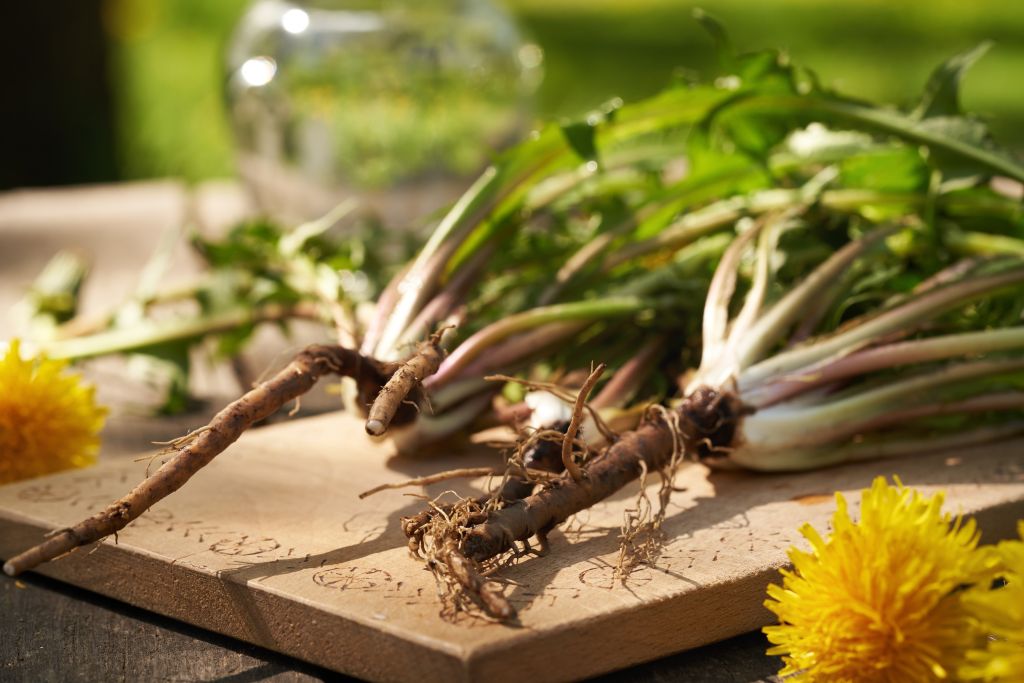
- Dandelion root
- Milk thistle
- Stoneroot
- Artichoke extract
- Wormwood
However, these herbs have not been proven to prevent or dissolve gallstones. Dandelion root is not recommended for individuals with gallstones, while wormwood and artichoke preparations should not be used by individuals with bile duct obstruction or certain liver and biliary disorders.
Consult a healthcare provider before incorporating any of these herbs into your diet.
In addition, including more bitter greens in your diet, such as arugula, dandelions, mustard greens, radicchios, endives, and kale, may help support healthy bile production.
These remedies are not a substitute for medical treatment or gallstone surgery. Consult a healthcare provider before using these herbs, especially if you have gallstones or bile duct obstruction.
4 strategies to support gallbladder health
Targeted dietary and lifestyle modifications can support normal gallbladder function and promote steady bile flow, potentially lowering the risk of gallstone formation.
Learn about four beneficial strategies that may help reduce the risk of gallstones.
1. Eating a Healthy Keto® diet
“Many people think they need to avoid dietary fat to protect their gallbladder, but fat actually helps trigger bile flow,” explains Dr. Berg.
Regularly combining large amounts of fat with refined carbohydrates may contribute to insulin resistance and fatty liver, both of which are associated with cholesterol-rich bile.
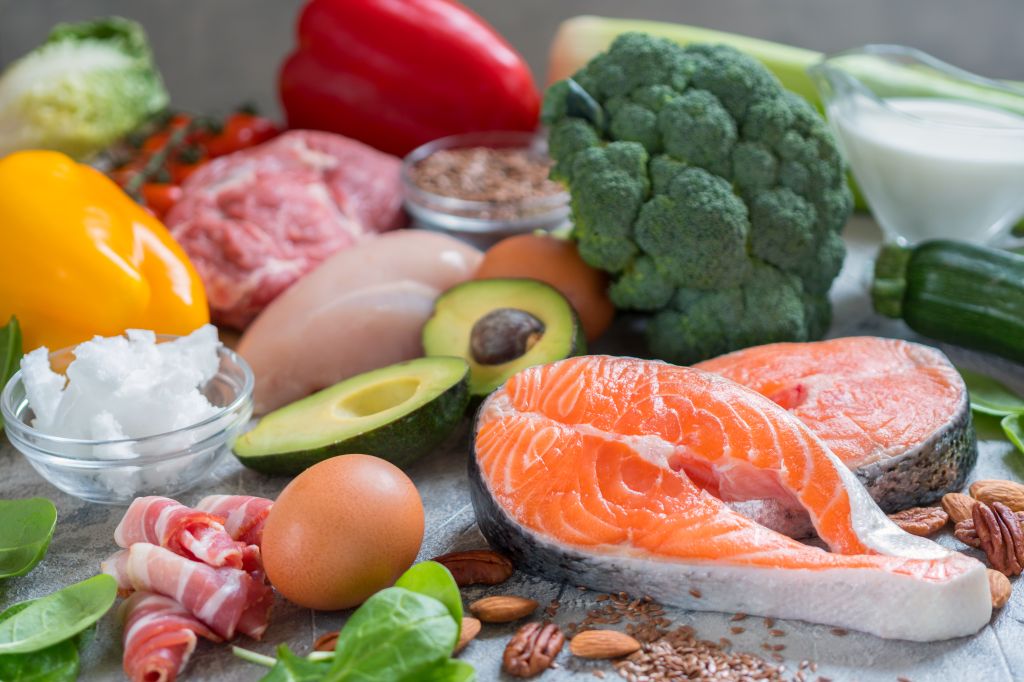
This is why adopting a nutrient-dense, low-carb diet such as Healthy Keto®, which emphasizes healthy fats from whole-food sources while limiting carbohydrate intake, may be a beneficial strategy for healthy individuals to promote long-term gallbladder health.
Eating a nutritious low-carb diet can help maintain normal blood sugar and insulin sensitivity, which supports liver function. Consuming healthy dietary fats is necessary to stimulate regular gallbladder emptying, supporting the body’s natural clearance of cholesterol and bilirubin.
Research published in Cell Metabolism found that among adults with obesity, prediabetes, and fatty liver, those who lost weight on a ketogenic diet saw greater reductions in liver fat and greater improvements in liver insulin sensitivity than those on Mediterranean or very-low-fat diets.
If you already have gallstones, talk to your healthcare provider before making major dietary changes. Also, consider only making a very gradual transition to a low-carb diet, as rapid weight loss and large, high-fat meals may trigger symptoms in some people.
2. Consuming choline-rich foods
Choline is a crucial nutrient that supports healthy bile composition and normal liver function.
The liver uses choline to produce compounds naturally found in healthy human bile. The compounds produced help keep cholesterol soluble in bile.
The body also uses choline to produce acetylcholine, an important neurotransmitter involved in the nerve signals that help regulate gallbladder contractions.
According to the National Institutes of Health (NIH), rich sources of choline include egg yolks, beef liver, fish, and cruciferous vegetables.
3. Supporting a diverse gut microbiome
Beneficial gut microbes help recycle bile salts, which are essential for optimal digestion and gallbladder health.
Supporting a diverse gut microbiome by consuming plenty of probiotic foods, such as sauerkraut, kimchi, yogurt, and kefir, can help deliver beneficial microbes to the gut. Supporting gut microbe diversity may promote overall digestive balance and normal bile salt recycling.
4. Maintaining adequate magnesium intake
Research published in Lipids in Health and Disease found that adults with higher magnesium intake had a significantly lower prevalence of gallstones. Researchers suggest this may be related to magnesium’s roles in lipid metabolism and insulin sensitivity, though more research is needed.
Making a point to consume more magnesium-rich whole foods, such as pumpkin seeds, avocados, leafy green vegetables, and salmon, may be a practical way to support fat metabolism and gallbladder health.
Key takeaways
- What are gallstones? They are hardened deposits that form when bile becomes stagnant or too concentrated with cholesterol or bilirubin.
- High-carb diets, very low-fat diets, rapid weight loss, hormonal changes, and insulin resistance may increase the risk of gallstones.
- A low-carb diet rich in healthy fats, such as Healthy Keto®, may support regular gallbladder emptying and metabolic health.
- Choline-rich, magnesium-rich, and fermented foods may further support healthy bile composition, fat metabolism, and gut health.
FAQ
- 1. How are gallstones diagnosed?
- 2. What food melts gallstones?
- 3. What can I drink to remove gallstones?
- 4. How do you get rid of gallstone pain ASAP?
- 5. What dissolves gallbladder stones quickly?
- 6. How can I prevent gallstones from forming?
Sources
- https://www.ncbi.nlm.nih.gov/books/NBK459370/
- https://www.frontiersin.org/journals/endocrinology/articles/10.3389/fendo.2018.00720/full
- https://www.sciencedirect.com/science/article/pii/S1550413126002937
- https://ods.od.nih.gov/factsheets/Choline-HealthProfessional/
- https://pmc.ncbi.nlm.nih.gov/articles/PMC10953275/