


At a glance
Food processing exists on a spectrum, and not all processed foods are unhealthy. Whole and minimally processed foods remain close to their natural state, whereas ultra-processed foods (UPFs) are industrial formulations linked to weight gain, digestive imbalances, cardiovascular disease, and other chronic disease risks. Replacing UPFs with more whole and minimally processed foods may be a better way to support long-term health.
Whole foods vs. processed foods: What’s the difference?
Over the last several decades, the food supply has shifted toward more heavily processed products, with a focus on flavor, aesthetics, and shelf life rather than nutritional value.
Discover the differences between whole and processed foods. Learn which options are healthy and get easy tips to help eliminate ultra-processed items from your meal plan.
What counts as whole food and processed food?
The line between whole foods and processed foods isn’t always clear. Some foods are only lightly altered and retain most of their original structure and nutrients, while others are so refined that it’s nearly impossible to guess what the end product is made of.
To clarify, researchers developed the NOVA classification system, which sorts foods into four groups based on their level of processing.
Group 1: Unprocessed or minimally processed foods
Group 1 consists of whole foods and minimally processed foods. Whole unprocessed foods are the edible parts of plants, animals, or fungi that remain close to their natural state after harvesting.
Common unprocessed whole food examples include:
- Fresh fruits
- Vegetables
- Mushrooms
- Herbs
- Whole grains
- Legumes
- Seeds
- Nuts
- Eggs
- Fresh fish
- Unground meat
Minimally processed foods are whole foods lightly altered using simple methods such as cleaning, cutting, freezing, roasting, boiling, drying, vacuum-packing, pasteurizing, or non-alcoholic fermentation, without adding sugar, salt, vinegar, or oil.
These methods preserve food or make it easier to eat while keeping its original structure intact.
Minimally processed examples include:
- Frozen fruit
- Frozen vegetables
- Ground beef or poultry
- Unsalted, unflavored nut mixes
- Produce canned in water
- Plain, unsalted peanut butter
Group 2: Processed culinary ingredients
Group 2 includes substances extracted from Group 1 foods or from nature through processes like pressing, milling, refining, or centrifuging. These are typically concentrated seasonings or cooking mediums used to prepare foods, such as fats.
Common examples include:
- Plant-based oils
- Butter and ghee
- Tallow and lard
- Plain honey
- Pure maple syrup
- Pure cane sugar
- Mined sea salt
- Vinegar
Group 3: Processed foods
Processed foods combine Group 1 and Group 2 ingredients to change flavor or extend shelf life. They usually have a relatively straightforward ingredients list and can often be made in a home kitchen.
These may include certain functional additives, such as ascorbic acid or citric acid, to prevent oxidation or bacterial growth, but the food itself typically remains recognizable.
Common processed examples include:
- Canned beans or vegetables packed in brine
- Freshly baked artisan breads
- Traditional cheese
- Nuts and seeds with added salt or sugar
- Fruits preserved in syrup
- Some cured meats
- Dried or canned fish
- Alcoholic drinks produced by fermenting Group 1 foods
Group 4: Ultra-processed foods
Group 4 includes ultra-processed foods (UPFs). These are complex industrial concoctions that are more involved than something you could make in a home kitchen.
Manufacturers often build the bulk of UPFs from cheap, chemically isolated components extracted from Group 1 or 2 ingredients. These ingredients are typically so refined that little or none of the original whole food remains. Common examples include high-fructose corn syrup, modified starches, hydrogenated oils, and protein isolates.
These foods usually have long ingredient lists with synthetic flavors, colors, texturizers, and preservatives, and are engineered to be hyper-palatable, profitable, and intensely shelf-stable. Diets heavy in UPFs have been associated with increased chronic disease risk and overall poorer health outcomes.
Here are some common product types that are often made up of UPFs.
- Beverages: formulated fruit drinks, juice concentrates, energy drinks, sodas, sports drinks
- Dairy and alternatives: sweetened dairy drinks, flavored yogurts, frozen dairy desserts, cheese slices, dips, and spreads, imitation cheese, dairy substitutes like almond, soy, or oat milk
- Snacks and sweets: chips, crackers, cookies, cereals, candies
- Meat and protein products: hot dogs, chicken nuggets, deli meats, plant-based meat substitutes, meal-replacement shakes, protein bars
Watch the video below to discover seven foods to avoid that support better health.
How ultra-processed foods can affect health
Not all processing is harmful, and most foods from NOVA Groups 1 to 3 can fit into a healthy diet.
However, the processes used to produce UPFs often strip or degrade many of the nutritional benefits of whole foods, including vitamins, minerals, antioxidants, and healthy fats. They can also introduce new components that may contribute to inflammation and metabolic imbalances.
Here are three common ways UPFs can affect your health.
1. Oxidized oils and inflammation
Most UPFs rely on refined seed oils rich in linoleic acid—an essential fatty acid that is extremely vulnerable to oxidation, especially at high temperatures. This process is called lipid peroxidation.
According to research published in Frontiers in Molecular Biosciences, this can generate reactive byproducts linked to cellular inflammation and tissue damage.
This is particularly concerning, considering that seed oils are typically exposed to heat at least twice: first during industrial refining and again during commercial cooking and deep-frying.
Heating can also produce small amounts of trans fats, which are unhealthy fats tied to inflammation and cardiovascular risk. This means that even when cooking with trans-fat-free seed oils, repeatedly heating them can create new trans fats right in the fryer.
2. Metabolic imbalances and altered appetite
When food is heavily processed, much of its natural fiber and structure is stripped away. This allows your body to digest it rapidly, leading to sharp spikes in blood sugar and insulin levels that can cause energy fluctuations and fat storage.
Refining also makes food softer and easier to chew, which can cause individuals to eat faster than satiety signals can keep up with. Moreover, these products are usually calorically dense but low in the nutrients needed to feel satisfied. Together, these factors may contribute to overeating.
“UPFs are very calorie-dense, but they usually lack nutrients needed for the body to function efficiently,” explains Dr. Berg. “This is one reason these foods often leave you feeling hungry and sluggish, and why diets high in UPFs can lead to overconsumption and weight gain.”
3. Additives and the gut microbiome
Preservatives and additives, such as emulsifiers and artificial colorings, are common ingredients in many UPFs and have raised concerns about their potential effects on cognitive, cardiovascular, and gut health.
A study published in Gastroenterology demonstrated that just 11 days of exposure to the common dietary emulsifier carboxymethylcellulose (CMC), which is regularly used in ice cream, baked goods, and diet foods, can disrupt the gut microbiome and contribute to post-meal abdominal discomfort.
How to identify ultra-processed foods
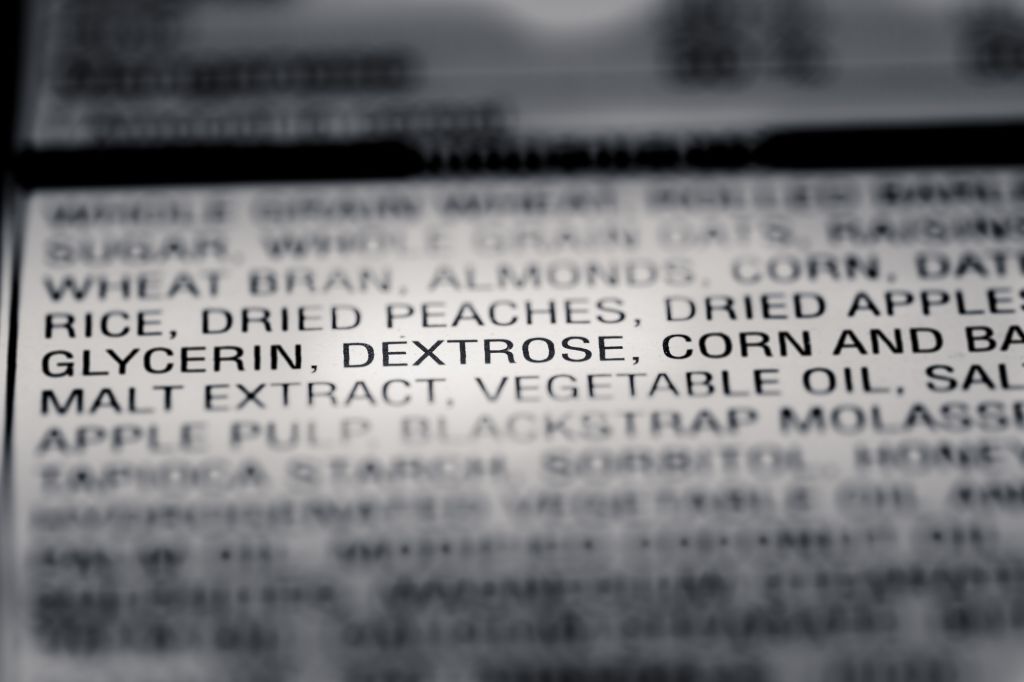
A reliable sign of UPFs is the ingredient list. These lists are often much longer than those of less processed foods, typically ranging from five ingredients to several dozen. Usually, the lists will contain numerous unfamiliar, chemically named ingredients.
However, things can get confusing when industrially processed ingredients are labeled in ways that sound like whole or minimally processed foods, such as vegetable oil or fruit juice extract. In addition, several refined ingredients technically fall into other NOVA groups but are often combined to create many popular UPFs.
Here are some tricky ingredients that are often used to create ultra-processed foods:
- Vegetable oil
- Soybean oil
- Corn oil
- Canola oil
- Fruit juice concentrate
- Fruit nectar
- Tapioca syrup
- Rice syrup
- Modified food starch
- Enriched flour
- White flour
- Potato flour
- Yeast extract
- Wheat gluten
- Milk protein isolate
- Soy protein isolate
- Textured vegetable protein
How to replace ultra-processed foods
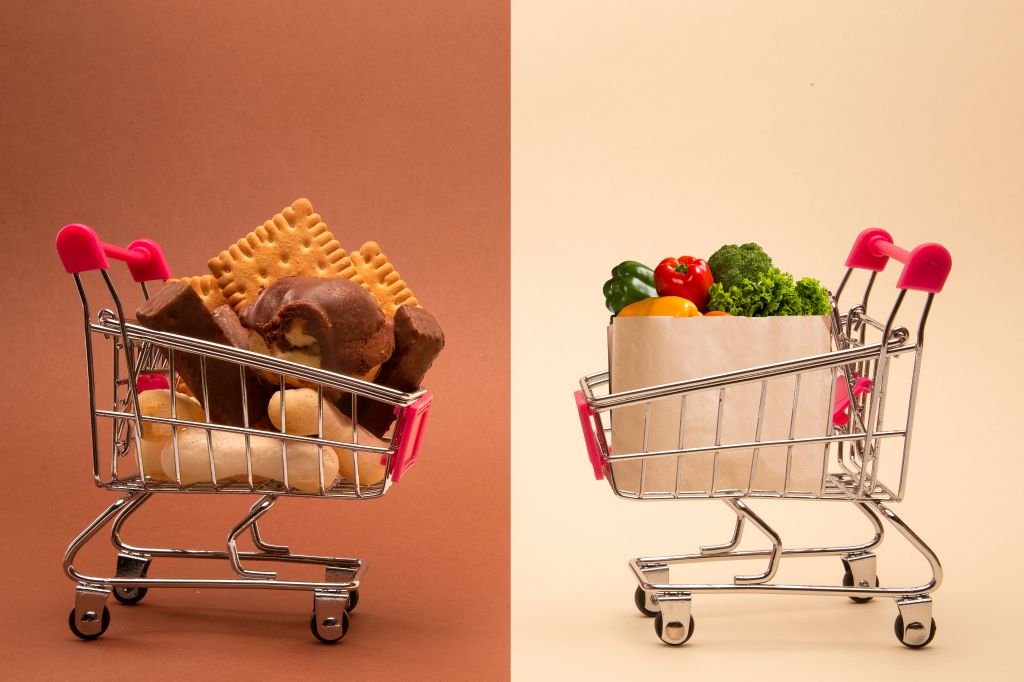
Evidence published in The BMJ suggests that minimizing UPF exposure is crucial, as higher consumption is associated with an increased risk of adverse cardiometabolic, mental health, obesity, and mortality outcomes.
However, when you’re building healthier habits, it helps to focus on gradually compounding small, sustainable wins. Even small changes, made consistently, can lead to significant improvements over time.
Here are three simple strategies to help reduce UPF consumption.
1. Control your environment
Eliminating ultra-processed items from your home and the places you spend the most time is one of the easiest and most effective ways to reduce your consumption. These foods are engineered to appeal to your brain’s pleasure centers, making them especially hard to resist under stress.
When your body perceives stress, it naturally increases hunger signals and triggers cravings for calorie-dense foods, meaning willpower alone is often not enough on busy or difficult days.
Shaping your environment so that nutrient-dense foods are the easiest ones to access helps reduce decision fatigue and sustains your health goals more effortlessly.
2. Swap your most frequent UPFs
Identify the UPFs that you consume most commonly and replace them with options that are still convenient but have undergone minimal processing.
For example, if soda is a daily habit, you might try sparkling water flavored with a natural alternative sweetener such as stevia, monk fruit, or allulose. Eliminating a single 12-ounce can of standard soda cuts out about 39 grams of added sugar and several other highly processed ingredients.
If lunch often includes highly processed meats, choosing deli cuts without refined preservatives or additives can be a simple, beneficial change.
3. Prioritize the ingredients list when shopping
When shopping, look past the health claims on the front of the package and check the ingredient list. If you spot common ultra-processed ingredients such as refined seed oils, sugars, starches, or artificial ingredients, it’s usually best to leave that item on the shelf.
Key takeaways
- Whole foods vs. processed foods isn’t always a simple good-or-bad comparison, as food processing exists on a spectrum.
- Whole and minimally processed foods retain most of their original nutrients and can easily fit into a healthy diet, while ultra-processed foods contain empty calories, rely on highly refined ingredients and artificial additives, and can be easier to overeat.
- Processing can strip fiber, degrade healthy fats, and introduce oxidized oils, emulsifiers, and additives that may contribute to inflammation and metabolic imbalances.
- Diets high in ultra-processed foods have been linked to increased risks of weight gain, cardiovascular disease, and other chronic health problems.
- Reading the ingredient list can help with identifying highly processed foods and make it easier to choose more nutritious, less processed options.
FAQ
- 1. What is the main difference between whole foods and processed foods?
- 2. Are all processed foods unhealthy?
- 3. How do I spot an ultra-processed food in the grocery store?


