

At a glance
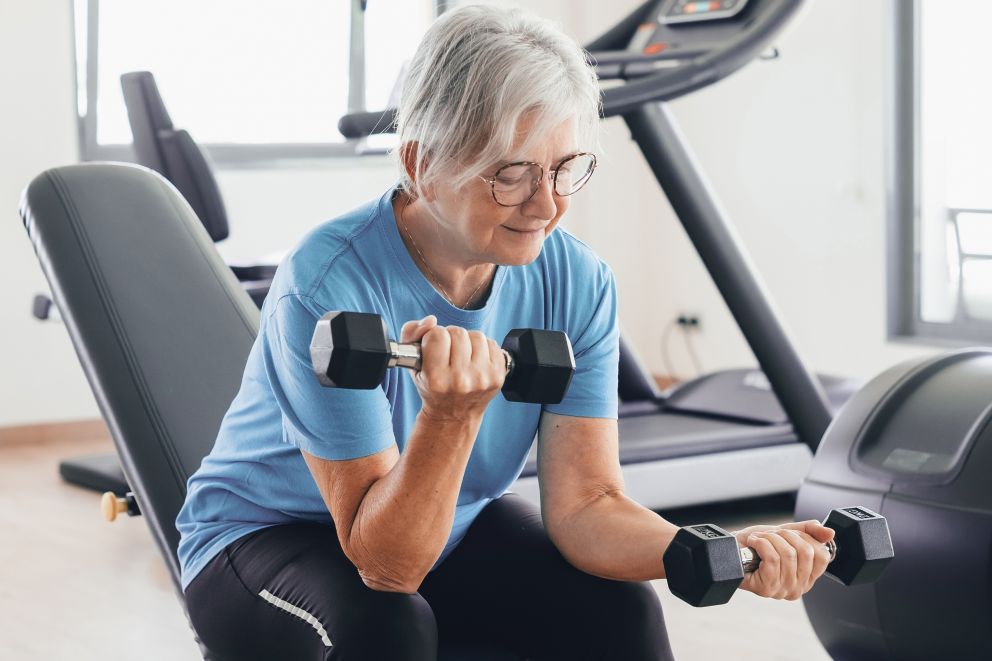
Age-related muscle loss involves gradual changes in muscle mass, strength, and physical performance as the body gets older. These changes can become more noticeable when they begin to affect everyday movement, endurance, and independence. Factors such as activity levels, hormones, nutrition, and overall health can influence how muscles change over time.
Muscle loss is a common part of aging and can gradually affect strength, mobility, and overall physical function.
Several factors can contribute, including reduced activity, hormonal changes, and inadequate protein intake.
Understanding the signs and causes of age-related muscle loss can help you take practical steps to maintain muscle mass and support healthy aging.
What is age-related muscle loss?
Age-related muscle loss refers to the gradual decline in skeletal muscle mass, strength, and physical performance that occurs as the body grows older.
“Muscle mass and strength typically peak around ages 30 to 35, followed by a gradual decline that can accelerate later in life,” explains Dr. Berg. “More substantial declines may progress to sarcopenia, a condition characterized by reduced muscle strength and decreased muscle quantity, quality, or physical performance.”
Skeletal muscle plays an important role in movements such as standing, walking, lifting, and maintaining balance.
As muscle tissue and strength decline, these everyday activities may become more difficult, particularly when muscle loss becomes significant.
Watch the video below to learn how to preserve your muscles as you age.
Five common causes of age-related muscle loss
Muscle mass declines with age because the body gradually becomes less efficient at maintaining and rebuilding muscle tissue.
Let’s look at five common factors that can contribute to muscle loss as you age.
1. Reduced physical activity
Regular movement helps provide the mechanical stimulus muscles need to maintain their size and function.
When activity levels decline, muscles receive less stimulation, which can reduce muscle protein synthesis and contribute to gradual losses in muscle tissue, particularly in older people.
Prolonged sitting, bed rest, or a substantial reduction in daily walking may accelerate these changes.
According to a study published in The Journal of Clinical Endocrinology & Metabolism, healthy older adults who reduced their daily step count by about 76 percent for two weeks experienced a 3.9 percent decrease in leg fat-free mass and a 26 percent reduction in post-meal muscle protein synthesis.
This evidence indicates that even short periods of reduced activity can contribute to measurable losses in muscle mass in older people.
2. Changes in muscle protein synthesis
Muscle protein synthesis is the process by which the body builds and repairs muscle tissue.
As people age, their muscles may not respond as strongly to the protein they eat. This is known as anabolic resistance and can make it harder to maintain muscle over time.
Evidence published in The FASEB Journal compared 44 healthy young and old men after they consumed different amounts of essential amino acids.
The researchers found that muscle protein synthesis at rest was similar between the two groups, but older adults had a weaker muscle-building response after consuming amino acids.
This suggests that aging may make it harder for muscles to use dietary protein to support muscle maintenance.
3. Inadequate protein intake
Protein provides the amino acids the body needs to build, repair, and maintain muscle. Not getting enough protein over time can make it harder to preserve muscle mass, especially as people get older.
A study published in The American Journal of Clinical Nutrition followed 2066 adults ages 70 to 79 for three years. Researchers found that those who ate the most protein lost about 40 percent less lean mass than those who ate the least.
4. Hormonal changes
Hormones can help promote muscle growth, repair, and maintenance. As people age, levels of hormones such as testosterone, estrogen, growth hormone, and insulin-like growth factor 1 (IGF-1) may decline or change.
These shifts can reduce anabolic signals that help preserve skeletal muscle and may contribute to the gradual loss of muscle mass and strength over time.
Over time, these hormonal changes may make it more difficult for the body to preserve muscle strength and size.
5. Chronic health conditions
Chronic health conditions can contribute to muscle loss by affecting activity levels, appetite, nutrient intake, and the way the body uses energy.
Moreover, conditions that cause prolonged inactivity or chronic inflammation may make it more difficult to maintain and increase muscle mass over time.
Certain illnesses can also lead to fatigue, reduced mobility, or unintended weight loss, all of which may increase the risk of losing muscle. Because these effects can overlap, chronic illness may accelerate muscle decline and make recovery more difficult.
Signs of muscle loss with age
Age-related muscle loss can develop gradually, so the early signs may be easy to overlook.
Changes often become more noticeable when they begin to affect strength, endurance, or everyday movement.
Common signs may include the following:
- Reduced grip strength
- Difficulty climbing stairs
- Trouble getting up from a chair
- Slower walking speed
- Increased fatigue during physical activity
- Difficulty lifting or carrying objects
- Reduced muscle size
- Poorer balance or stability
- More difficulty completing daily activities
- Declining physical endurance

How to maintain muscle as you age
Maintaining muscle with age depends on regularly challenging the muscles, eating enough protein, and supporting recovery.
Learn about four habits that can help preserve strength, mobility, and physical independence over time.
1. Prioritizing resistance training
Resistance and strength training make your muscles work against varying levels of opposition, which helps them become stronger over time.
Such exercises can include lifting weights, using resistance bands, using exercise machines, or doing bodyweight movements. As your exercise routine becomes easier, gradually adding more weight, repetitions, or difficulty can keep the muscles challenged.
Simple movements such as squats, rows, presses, and step-ups can be adjusted to match different strength and fitness levels.
For older people, starting slowly and using proper form can make resistance training safer and easier to maintain.
2. Eating enough protein
Older individuals may benefit from including protein in each meal rather than consuming most of their daily intake at once.
Spreading protein intake throughout the day can help support ongoing muscle maintenance.
Choose nutrient-dense, minimally processed sources such as grass-fed beef, pasture-raised eggs, wild-caught fish, organic poultry, and full-fat dairy from grass-fed animals.
These foods can provide protein along with vitamins, minerals, and other nutrients that contribute to a nutritious diet.

3. Staying active throughout the day
Regular movement outside of structured workouts can also help support muscle function as you age.
Simple activities such as walking after meals, doing household chores, gardening, taking the stairs, or standing up regularly can add meaningful movement without requiring a formal workout.
Even small increases in daily activity can help support endurance, circulation, and overall physical function. The goal is to avoid spending most of the day in a sedentary state and to find practical ways to move more often.
4. Supporting recovery
Older adults may need more time between challenging training sessions, especially when working the same muscle groups.
Getting enough sleep, scheduling rest days, and avoiding intense workouts on the same muscles on back-to-back days can help support consistent training. Light movement, such as an easy walk or gentle stretching, can also be useful on recovery days.
Pay attention to ongoing soreness, unusual fatigue, or any noticeable drops in performance, as these can be signs that the body needs additional recovery time.
Can age-related muscle loss be prevented?
Age-related muscle loss can’t always be completely prevented since some changes in muscle tissue occur naturally with aging.
However, the rate and severity of muscle loss can often be reduced through consistent lifestyle habits that support muscle health.
Starting these habits earlier in adulthood may help preserve more muscle over time, but older adults can still benefit from making changes later in life.
Individual factors such as health status, mobility, nutrition, and medications can also influence how much muscle a person maintains as they age.

When to talk to a healthcare provider
Talk to a healthcare provider if muscle loss appears rapid, unexplained, or continues to worsen over time.
Evaluation may also be appropriate if weakness begins to interfere with daily activities or occurs alongside unintentional weight loss, frequent falls, persistent fatigue, or other new symptoms.
A medical professional can help determine whether changes are related to normal aging or another factor, such as a medical condition, medication, or nutritional deficiency. A doctor may also recommend appropriate testing or refer you to a dietitian or physical therapist when needed.
Key takeaways
- Age-related muscle loss can reduce muscle mass, strength, and physical performance over time.
- Resistance training, adequate protein, daily movement, and sufficient recovery can help preserve muscle.
- Rapid or unexplained muscle loss, weakness, or frequent falls should be discussed with a healthcare provider.
FAQ
- 1. Can you reverse muscle loss in old age?
- 2. What are the first signs of muscle loss?
- 3. What is the best treatment for muscle loss?
- 4. What to eat to reverse muscle atrophy?


