

At a glance
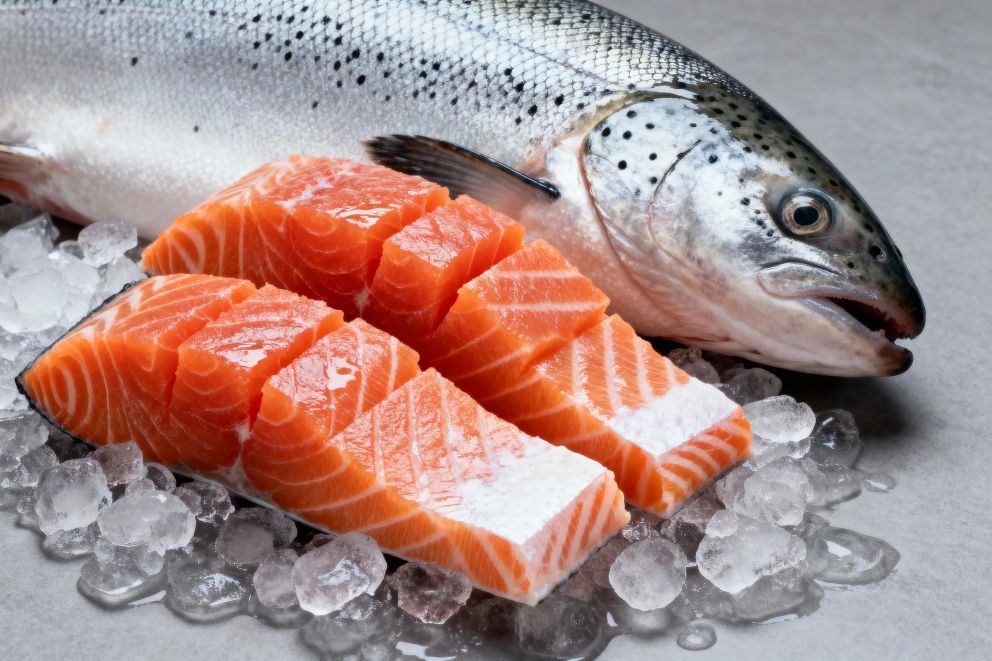
Wild-caught and farm-raised fish differ in nutrient quality, sourcing methods, and overall eating experience. Wild-caught fish come from natural environments and support a more balanced fatty acid profile, while farm-raised fish are produced in controlled systems that shape their composition and consistency.
Choosing between wild-caught and farm-raised fish can affect the quality, nutrient profile, and overall health benefits of eating seafood.
One main nutritional difference is that wild-caught oily fish may offer more omega-3s and natural nutrients, while farm-raised fish can be higher in omega-6 fats and lower in nutrient variety, depending on feed.
Learn how to distinguish between farmed and wild-caught fish in this article so that you can make the healthiest choice possible at the grocery store.
What is wild-caught fish?
Wild-caught fish are harvested from natural environments, such as oceans, rivers, and lakes, rather than raised in controlled surroundings.
They feed on a natural diet of smaller fish, algae, and marine organisms, which influences their nutrient composition.
Because wild-caught fish swim freely in open waters and against currents, they develop firmer flesh and a more defined muscle structure. Their appearance often includes deeper, more varied coloration and less uniform shapes than those of farm-raised fish.
Wild-caught fish are harvested using fishing methods such as line fishing, nets, or traps. Availability of different kinds of fish can vary depending on season, region, and migration patterns of wild fish populations.
Watch the video below to learn how to choose between farm-raised and wild-caught fish.
What is farm-raised fish?
Farm-raised fish are raised in controlled environments, such as ponds, tanks, or ocean enclosures. These environments are ideal for closely managing their population and growth.
In these settings, feeding is carefully regulated. Often, formulated diets made from grains, various kinds of fish meal, and added nutrients are used to feed farm-raised fish.
Limited space and controlled conditions influence growth patterns, body composition, and consistency of farm-raised seafood.
As a result, appearance is usually fairly uniform in size, shape, and color due to consistent conditions and selective breeding.
Because production is managed year-round, labeling on farm-raised options may include terms such as “farmed” or “aquaculture” to indicate that the fish was raised rather than caught in the wild.
Wild-caught vs. farm-raised fish: which is better?
Choosing between farm-raised fish and their wild counterparts comes down to key differences in nutritional benefits, safety, and overall quality.
Here are three key factors to consider when buying seafood for your next meal.
1. Nutritional value
Wild-caught fish typically provide a fat content with a more favorable balance of omega-3 to omega-6 fatty acids, which contributes to heart health and overall well-being.
“The naturally varied food chain of wild populations supports higher levels of micronutrients in the fish themselves, such as vitamin D, iodine, selenium, and zinc,” explains Dr. Berg. “These nutrients play important roles in immune function, thyroid support, and overall metabolic processes.”
In contrast to wild stocks, farm-raised fish are often fed grain- and soy-based diets, which can increase their omega-6 fatty acid content and result in a narrower micronutrient profile.
Over time, a higher omega-6 to omega-3 ratio may promote inflammatory processes and affect how the body regulates metabolism and overall balance.
Moreover, some farming systems may involve additional factors, such as antibiotic use or exposure to environmental contaminants, which can influence the quality of the final product.
For those focused on cleaner sourcing and a more varied nutrient profile, wild-caught fish are generally the stronger choice.
2. Contaminants and safety
Contaminant levels and safety can vary based on how fish are raised or sourced.
Typically, wild-caught fish, including sardines, trout, and salmon, tend to have lower levels of industrial contaminants, though exposure can still occur through environmental pollution.
In contrast, farmed seafood may contain higher levels of certain compounds due to controlled feeding and farming conditions.
For example, research published in Environmental Health Perspectives found that farmed salmon can contain higher levels of contaminants (such as polychlorinated biphenyls (PCBs), dioxins, and some pesticide residues) than wild salmon, with levels varying by region.
Selecting wild-caught fish when possible may be the better choice for health-conscious consumers, as it can help reduce exposure to certain contaminants.

3. Taste and quality
Wild fish often develop a more complex, pronounced flavor due to a varied natural diet that includes smaller fish and marine organisms.
Constant movement in open water also supports a firmer texture and more defined muscle structure.
This aligns with consumer perceptions, as evidence published in Appetite found that people view wild fish as more natural, fresher, and raised on a healthier diet.
In comparison, farmed fish are fed controlled diets, which can lead to a milder, more consistent flavor profile that lacks a variety of nutrients.
Additionally, limited movement in confined environments often results in a softer texture and more uniform appearance.
These differences often make wild-caught fish a preferred option for those seeking stronger flavor and more natural variation in quality.

How to select quality seafood
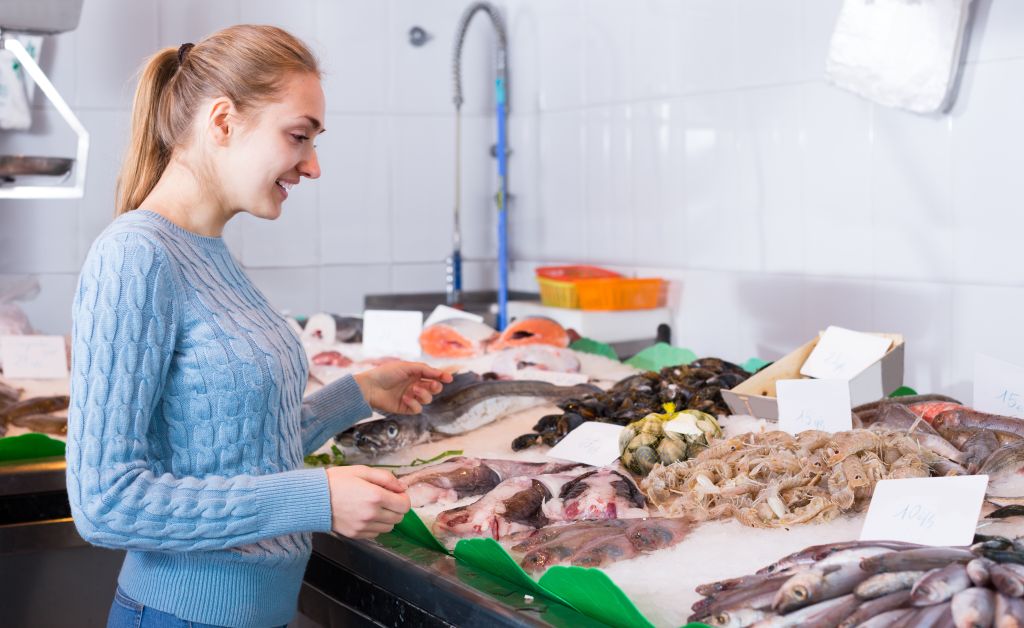
Whether buying canned fish, whole fish, or fillets, it’s important to pay attention to labeling. Start by reading labels, looking out for terms like “wild-caught,” “aquaculture,” and “farmed” to understand how the fish was obtained.
In addition, the country of origin can help clarify how the fish was sourced. Different regions follow varying fishing and aquaculture standards, which can influence handling practices, quality, and potential exposure to contaminants or antibiotics. The country of origin can also indicate where the fish was harvested versus where it was processed, helping you better assess its quality and transparency.
Next, consider the species, since smaller fish, such as sardines and tilapia, are often more consistent in quality and lower in mercury.
Freshness also matters, so find fish with clear, bright eyes, a clean smell, firm texture, and natural color when selecting whole fish.
While wild-caught fish typically cost more, the price often reflects sourcing methods and a more natural composition shaped by open-water conditions, making it the better choice for seafood consumption.

How to incorporate fish in your diet
Fish is a versatile, nutrient-dense option that fits easily into a low-carb, ketogenic lifestyle. Because many wild-caught fish offer omega-3 fatty acids that the body cannot produce on its own, fish make an excellent addition to most diets.
Here are five simple keto-friendly fish recipes to help you enjoy different flavors and cooking methods of wild-caught seafood.
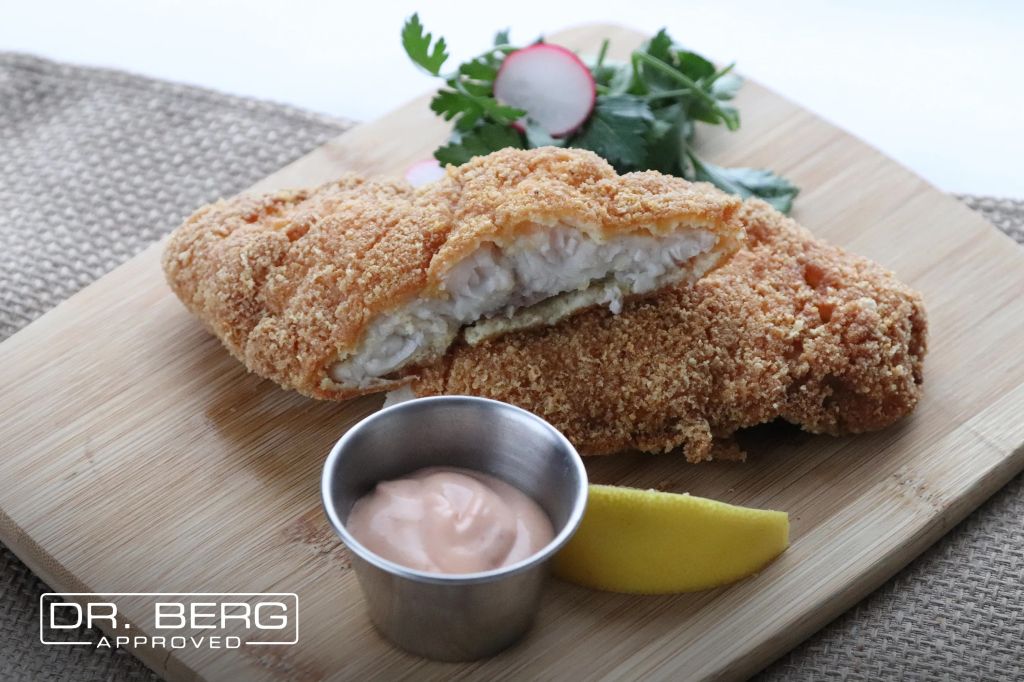
1. Keto Fried Fish with Spicy Dipping Sauce
You don’t have to give up classic fried fish to stay on track with keto, especially when you start with quality wild-caught fish.
This Keto Fried Fish with Spicy Dipping Sauce uses a coating made from crushed pork rinds and coconut flour, creating a crisp, well-seasoned crust that pairs well with a bold, spicy dipping sauce.
Ready in under 20 minutes, it delivers a fast, flavorful meal that fits easily into a low-carb routine.
2. Keto Salmon with Lemon Garlic Butter Sauce
Zesty lemon, warm garlic butter, and a blend of savory seasonings highlight the natural flavor of wild-caught salmon, creating a delectable dish that’s hard to resist.
This Keto Salmon with Lemon Garlic Butter Sauce pairs easily with low-carb sides, making it an easy choice for busy weeknights or more relaxed meals.
3. Garlic Lemon Halibut
Cooking over low to moderate heat keeps the Garlic Lemon Halibut flaky while allowing the citrus and savory notes to infuse each bite.
With just some simple ingredients and spices, you can make a fresh, well-balanced dish that pairs easily with low-carb vegetables.
4. Keto Tuna Patties
Pan-seared Keto Tuna Patties deliver a crisp exterior with a soft, savory center that holds together well.
Simple seasonings deepen the flavor, while a squeeze of lemon or a creamy dip balances each bite. Serve with a fresh salad for a complete meal that won’t raise blood sugar levels.
5. Keto Smoked Trout Dip
Scoop the Keto Smoked Trout Dip with cucumber slices or celery for a low-carb option that’s perfect for quick treats or casual gatherings.
The smoky flavor stands out without overpowering, creating a nutritious bite with depth.
Key takeaways
- Wild-caught fish have a more varied nutrient profile, influenced by a diverse marine diet that includes algae and other marine organisms.
- Farm-raised fish are fed formulated diets in controlled environments, which can alter fatty acid composition and balance.
- Wild-caught fish often have a better omega-3 to omega-6 fatty acid profile than farm-raised fish, making wild-caught fish the better option for supporting overall health.
- Easily work wild-caught seafood into your diet with a range of keto recipes, including fried fish with low-carb coatings, pan-seared fillets, and creamy dips.
FAQ
- 1. Is it better to eat wild-caught or farm-raised fish?
- 2. Why avoid farm-raised fish?
- 3. What is the most unhealthy fish to eat?
- 4. What are the top 3 healthiest fish?


