

At a glance
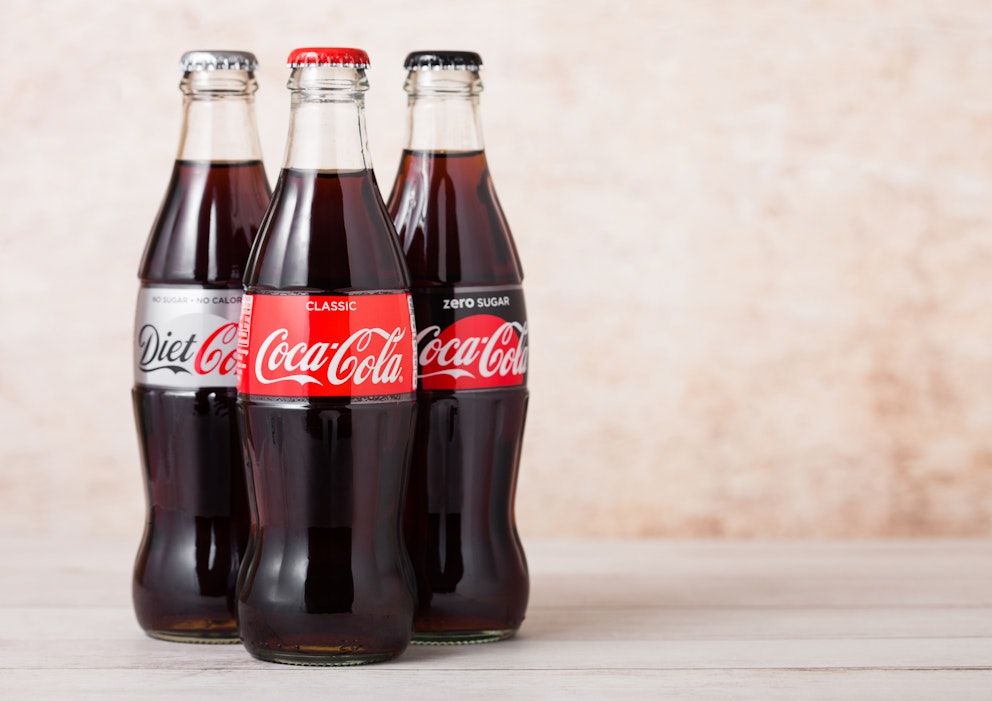
While Diet Coke and Coke Zero are marketed as sugar-free, their artificial ingredients, including aspartame, make them unsuitable for a Healthy Keto® lifestyle. Consuming diet sodas can trigger insulin responses and disrupt gut balance, and contain additives that don’t align with the principles of a nutrient-dense ketogenic diet.
Is Diet Coke or Coke Zero keto-friendly?
While diet sodas don’t contain carbs, certain ingredients in Diet Coke and Coke Zero are bad for your health and may spike insulin levels.
Let’s compare these two popular diet sodas to see how they differ and whether Coke Zero or Diet Coke truly fits within a keto-friendly lifestyle.
Is diet soda keto-friendly?
Diet soda can fit into a keto lifestyle, but its compatibility largely depends on the ingredients used.
Both Diet Coke and Coke Zero contain carbonated water, caffeine, caramel color, phosphoric acid, aspartame, potassium benzoate, and citric acid. Coke Zero also includes potassium citrate, acesulfame potassium, and natural flavors.
While these sodas have zero net carbohydrates, certain artificial sweeteners, such as aspartame, may influence the body’s insulin response in certain individuals. This can interfere with ketosis and hinder fat-burning.
For those following a stricter low-carb approach, choosing diet sodas made without artificial sweeteners or potentially concerning additives may be a more suitable option.
Watch the video below to discover why Diet Coke isn’t a good option for a keto-friendly lifestyle.
Should you drink Diet Coke or Coke Zero on Healthy Keto®?
Diet Coke and Coke Zero contain several ingredients that may not align well with the principles of a nutritious low-carb diet, such as Healthy Keto®.
One concern is caramel coloring, which is typically produced by heating sugar, often derived from genetically modified (GMO) corn, with ammonia compounds.
This process can result in the formation of advanced glycation end-products (AGEs), which are sticky proteins that may accumulate in organs such as the brain, liver, kidneys, and pancreas.
AGEs have been linked to inflammation and oxidative stress, and may potentially increase the risk of chronic conditions like heart disease, diabetes, and neurodegenerative disorders.
While both Diet Coke and Coke Zero are free of sugar and carbohydrates, they include the artificial sweetener aspartame, which may impact insulin sensitivity in certain individuals and potentially interfere with metabolic health goals.
Furthermore, a report published by the World Health Organization (WHO) highlights that aspartame may be linked to various potential health issues, especially if consumed in large amounts.1
For those following Healthy Keto, it may be best to avoid Diet Coke and Coke Zero and instead opt for beverages made with cleaner, more natural ingredients.
Best and worst sweeteners on keto
Artificial sweeteners such as aspartame can negatively impact the gut microbiome and contribute to insulin resistance.
Despite being calorie-free, aspartame has been shown to raise blood sugar levels, potentially as much as regular sugar, making it unsuitable for a keto diet.
Furthermore, evidence published in Environmental Health classified aspartame as a chemical carcinogen in animal studies, noting its potential to increase cancer risk.2
The study concluded: “These new findings confirm that aspartame is a chemical carcinogen in rodents and highlight the concerning effect that prenatal exposure to aspartame increases cancer risk in rodent offspring.”
Other artificial sweeteners, such as saccharin and sucralose, share similar risks, including fluid retention, insulin resistance, and damage to the gut microbiome.
Additionally, avoid sodas containing the sugar alcohol maltitol, which has a glycemic index of 52, indicating its potential to raise blood sugar levels almost as much as table sugar.
“For keto-friendly alternatives, consider natural sweeteners such as monk fruit and stevia,” explains Dr. Berg. “Both are derived from plants and have a glycemic index of 0, meaning they won’t spike insulin levels.”
Keto-friendly sugar alcohols such as erythritol and xylitol are also good options when choosing organic and non-GMO versions.
Erythritol offers a cold sweetness and a glycemic index of zero, while xylitol, with a glycemic index of 13, closely resembles the taste of table sugar.
However, it’s important to note that sugar alcohols, especially when consumed in large quantities, can cause digestive discomfort.

Healthy Keto soda alternatives
If you’re following a keto diet and want to enjoy a diet drink, opt for a carb-free beverage that avoids artificial ingredients like caramel color, caramel flavoring, and phosphoric acid.
It’s equally important to choose drinks free from artificial sweeteners such as aspartame, which can affect insulin levels and gut health.
Carbonated or sparkling water is a great choice for those on a low-carb diet. For added flavor, try infusing it with fresh lemon or a touch of stevia to create a refreshing, keto-friendly drink without the extra carbs or artificial additives.
Key takeaways
- Diet Coke and Coke Zero contain aspartame, caramel coloring, and other potentially harmful additives that may affect insulin sensitivity and overall metabolic balance.
- Artificial sweeteners have been found to disrupt gut health and may interfere with ketosis.
- Healthy Keto emphasizes whole-food-based and nutritious ingredients, while avoiding artificial additives.
- Sparkling water or carbonated drinks sweetened with monk fruit, stevia, erythritol, or xylitol are keto-friendly options and excellent alternatives to Diet Coke and Coke Zero.
FAQ
- 1. Is Diet Coke or Coke Zero better for keto?
- 2. Can I drink Diet Coke on keto?
- 3. Is Coke Zero keto?
- 4. Can I drink soda on Healthy Keto?
- 5. What is the best soda to drink on keto?
- 6. Can I have soda made with stevia on keto?
- 7. Can I drink sparkling water on keto?
- 8. Will diet soda kick me out of ketosis?
Sources
- https://www.who.int/news/item/14-07-2023-aspartame-hazard-and-risk-assessment-results-released ↩︎
- https://link.springer.com/article/10.1186/s12940-021-00725-y ↩︎
Related Articles
-
How Does Sugar Affect Digestion?
 Digestive health
How Does Sugar Affect Digestion?
At a glance Sugar is a carbohydrate that the digestive system breaks down into simple molecules for absorption and energy use. While this is a normal part of metabolism, sugar…09/24/2026 -
How to Read Food Labels
 Food and Drink
How to Read Food Labels
At a glance Food labels can provide useful nutrition information, but they don’t always reflect a food product's actual quality. Serving sizes, nutrient claims, health claims, and ingredient names can…08/21/2026 -
What Are the Best and Worst Carbs?
 Nutrition
What Are the Best and Worst Carbs?
At a glance Carbohydrates can be a source of energy for the body, but their nutritional value can vary widely depending on the source. Some carbohydrate foods supply fiber, vitamins,…07/30/2026 -
Blood Sugar Spikes: What Causes Them and Tips for Balance
 Blood sugar and insulin
Blood Sugar Spikes: What Causes Them and Tips for Balance
At a glance Blood sugar spikes are rapid increases in blood glucose that often happen after eating foods high in sugar or refined carbohydrates. While a temporary rise in blood…07/23/2026 -
“Sugar-Free” Label Claims: What They Actually Mean
 Food and Drink
“Sugar-Free” Label Claims: What They Actually Mean
At a glance Sugar-free labels are commonly used on packaged foods and beverages to indicate minimal sugar content per serving. However, this claim is based on specific labeling criteria and…07/16/2026 -
Liquid Calories: Why They Add Up Faster Than You Think
 Diet
DietLiquid Calories: Why They Add Up Faster Than You Think
At a glance Liquid calories come from liquids rather than solid foods. Because they’re often consumed quickly and don’t always trigger fullness like solid food, they’re easy to overconsume, promoting…06/12/2026 -
Names for Added Sugar to Watch for on Labels
 Foods to avoid
Names for Added Sugar to Watch for on Labels
At a glance Added sugars are often listed under many different names, which can make them difficult to recognize on ingredient lists. A single product may contain multiple types of…06/11/2026 -
Artificial Sweeteners: Types, Pros, and Cons
 Nutrition
Artificial Sweeteners: Types, Pros, and Cons
At a glance Artificial sweeteners are widely used in sugar-free and low-calorie products as substitutes for added sugar. These compounds provide sweetness with little to no calories or carbohydrates and…06/05/2026 -
Keto-Friendly Sauces and Condiments
 Nutrition
Keto-Friendly Sauces and Condiments
At a glance Keto-friendly sauces and condiments can help support ketosis by keeping overall carbohydrate intake within the limit of 20 to 50 grams per day. Choosing options made with…06/01/2026 -
Sugar Withdrawal: What to Expect and How to Cope
 Nutrition
Sugar Withdrawal: What to Expect and How to Cope
At a glance Sugar withdrawal can trigger intense cravings, fatigue, headaches, and mood changes as the body and brain adjust to reduced sugar intake. With the right strategies, such as…04/24/2026


