

At a glance
Regular chocolate cravings may signal estrogen imbalances, elevated cortisol levels, or depleted magnesium stores. Choosing organic dark chocolate with higher cacao content can help satisfy cravings while providing beneficial plant compounds. Rich in flavonoids, polyphenols, and natural stimulants, dark chocolate may support heart health, skin appearance, and cognitive and physical performance.
Cravings for sweet foods, especially chocolate, may reflect underlying hormonal shifts, emotional triggers, or nutritional gaps that influence appetite control and reward signaling.
Learn why you may be craving chocolate, how to make healthier choices, and five ways high-quality chocolate may benefit your health.
What craving chocolate could mean
Chocolate cravings can be influenced by several physiological factors, including hormonal shifts, stress responses, and nutrient needs.
While occasional cravings aren’t typically a cause for concern, persistent or intense cravings may signal underlying imbalances.
Here are three common reasons why you may be craving chocolate.
1. Hormonal imbalances
In women, low estrogen levels can trigger intense cravings for chocolate and other sweet foods.
Estrogen influences the activity of the “feel-good” neurotransmitter serotonin, as well as dopamine, which is involved in the brain’s reward and motivation pathway. These molecules play key roles in regulating mood, emotion, and behavior.
When estrogen levels decline–such as before menstruation, after pregnancy, or during menopause–serotonin and dopamine often also decrease.
This shift can increase sugar cravings and the desire for pleasurable, energy-dense foods like chocolate to temporarily stimulate the brain’s reward system.
2. Chronic stress
Stress can contribute to sugar addiction and worsen chocolate cravings by increasing cortisol, the body’s primary stress hormone.
Chronically elevated cortisol can disrupt normal appetite regulation, increase hunger signals, and trigger food cravings for highly palatable, fatty, and sugary foods.
Additionally, stress may lead to blood sugar instability, which can further intensify cravings for chocolate bars and other quick sources of energy.
Over time, this pattern may reinforce stress-related eating behaviors, as the brain associates chocolate with a quick source of energy during prolonged physical or emotional stress.
3. Magnesium deficiency
Chocolate cravings may also signal low magnesium intake.
Cocoa powder and dark chocolate are rich sources of magnesium, an essential mineral involved in muscle and nerve function, energy production, and hundreds of enzymatic reactions throughout the body.
When magnesium stores are depleted, often due to poor dietary habits or chronic stress, the body may crave chocolate and other magnesium-rich foods to restore nutrient levels.
Watch the video below to learn more about chocolate cravings.
Healthy ways to satisfy chocolate cravings
Because many products are high in sugar and heavily processed ingredients, eating chocolate is often considered unhealthy. However, there are healthier ways to satisfy a sweet tooth while reaping the nutritional benefits of chocolate.
Eating dark chocolate with at least 70 to 85 percent cacao is preferable to white or milk chocolate, as it typically contains less sugar and offers a higher concentration of antioxidant-rich cocoa solids.
Reviewing the ingredients list carefully can also help you avoid unhealthy ingredients, such as added sugars, vegetable or seed oils, additives, or emulsifiers.
Instead, choose brands that use real cocoa butter, the natural fat found in cacao, and alternative sweeteners, such as stevia, monk fruit, or erythritol, to minimize blood sugar fluctuation linked to intense food cravings.
Additionally, choosing organic chocolate products can ensure higher sourcing standards and ingredient quality and help reduce potential exposure to synthetic chemicals often used in conventional cacao production.
Health benefits of dark chocolate
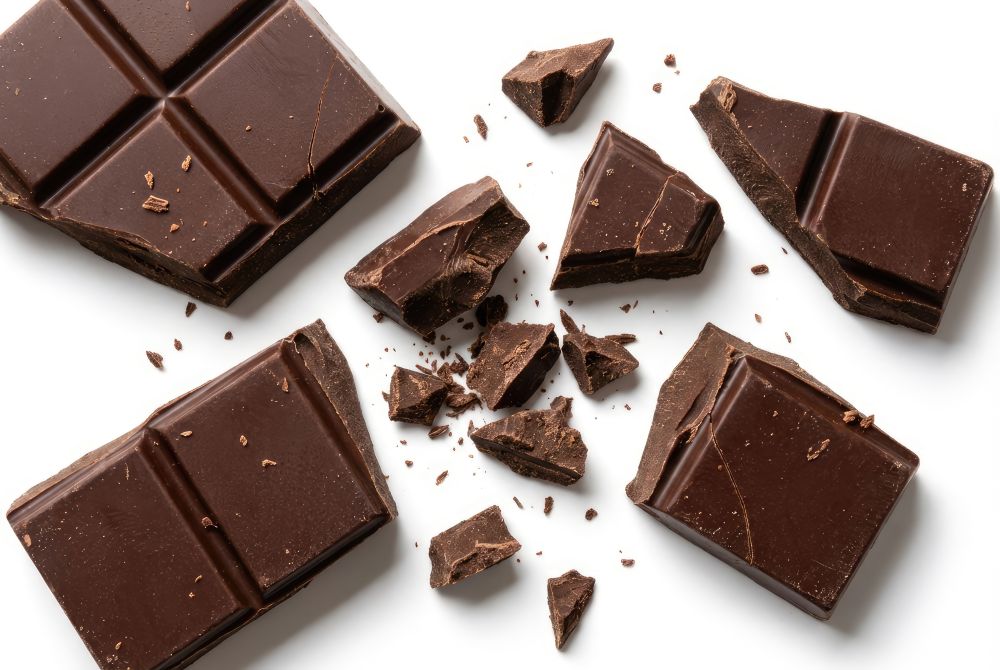
Dark chocolate with a high cocoa content may offer significant health benefits due to its exceptional concentrations of antioxidants, including flavonoids and polyphenols.
Here are five potential health benefits of dark chocolate.
1. Supports cardiovascular health
Cocoa solids are rich sources of flavanols, a type of flavonoid that may support cardiovascular function by boosting nitric oxide production. This helps promote blood vessel elasticity and circulation, which may contribute to healthier blood pressure levels and overall heart health.
Dark chocolate may also support cholesterol balance by increasing high-density lipoprotein (HDL) cholesterol, often called the “good” cholesterol, while lowering certain harmful forms of low-density lipoprotein (LDL) cholesterol.
Additionally, consuming high-quality dark chocolate has been associated with a lower risk of clot formation linked to heart attack and stroke.
A study published in Heart summarizes “Dark chocolate exerts favourable effects on endothelial function and platelet aggregation. These findings are most likely mediated by the antioxidant effect of dark chocolate.”

2. May boost athletic performance
The ability of dark chocolate to boost nitric oxide activity may help support more efficient oxygen delivery to muscles, reducing fatigue and potentially supporting endurance during physical activity.
A study published in Nutrients found that dark chocolate significantly improved anaerobic sprint timings in both male and female athletes.
Additionally, dark chocolate’s antioxidant and anti-inflammatory compounds may help reduce exercise-related oxidative stress, thereby reducing muscle soreness and recovery time.
3. Supports balanced moods
Chocolate contains bioactive compounds such as theobromine and phenylethylamine, which may help support effective dopamine and serotonin activity in the brain.
This can temporarily alleviate negative emotions and promote a sense of comfort during periods of anxiety or stress. Dark chocolate may also support emotional well-being by benefiting gut health.
Research published in The Journal of Nutritional Biochemistry found that dark chocolate exerts prebiotic effects and promotes gut microbiome diversity, which may help improve moods via the gut-brain axis.
4. Enhances cognitive function
Flavonoids and polyphenols in dark chocolate display potent antioxidant and anti-inflammatory properties. This may support cerebral blood flow, helping deliver more oxygen and nutrients to the brain to support memory, focus, and performance.
“Dark chocolate may also promote neuroplasticity and stimulate brain-derived neurotrophic factor (BDNF), a vital protein involved in the survival and maintenance of neurons,” explains Dr. Berg. “This can help support learning and long-term cognitive health.”
Additionally, cacao contains caffeine and theobromine, two naturally occurring stimulants. Caffeine stimulates the central nervous system, enhancing alertness, while theobromine promotes calm, focused energy.
5. May improve skin health and appearance
The flavanols and other antioxidants found in dark chocolate may help protect against oxidative stress linked to premature aging, including fine lines and wrinkles.
These compounds may also improve circulation to the skin, promoting hydration, elasticity, and a more youthful appearance. Although not a replacement for sunscreen, studies suggest that dark chocolate may support the skin’s natural defenses against sun-related damage.
Research published in the Journal of Cosmetic Dermatology found that regularly consuming high-flavanol chocolate provided significantly greater photoprotection against harmful ultraviolet
(UV) radiation than conventional chocolate, which showed no measurable effect.
Key takeaways
- If you’re craving chocolate, it may be due to hormonal changes, such as low estrogen, chronic stress, or inadequate magnesium intake, especially when cravings are constant or intense.
- Choosing dark chocolate with at least 70 to 85 percent cacao, minimal additives, and cocoa butter rather than seed oils can help satisfy cravings with less sugar and fewer negative health impacts.
- Dark chocolate’s flavanols and polyphenols may support cardiovascular health, mood, endurance and recovery, and cognitive performance.
- High-flavanol dark chocolate may also promote healthy skin and resilience and may offer some protection against harmful UV rays.
FAQ
- 1. What does it mean if you crave chocolate?
- 2. What hormone makes you crave chocolate?
- 3. What deficiency can cause chocolate cravings?
- 4. Can stress increase chocolate cravings?
Sources
- Hermann F, Spieker LE, Ruschitzka F, Sudano I, Hermann M, Binggeli C, Lüscher TF, Riesen W, Noll G, Corti R. Dark chocolate improves endothelial and platelet function. Heart. 2006;92(1):119. doi:10.1136/hrt.2005.063362. https://pmc.ncbi.nlm.nih.gov/articles/PMC1860996/
- Balasekaran G, Ng YC, Foong S, Ong XRR, Boey P. Effects of Dark Chocolate on Physiological and Anaerobic Performance Among Healthy Female and Male Adults. Nutrients. 2025;17(21):3317. doi:10.3390/nu17213317. https://pmc.ncbi.nlm.nih.gov/articles/PMC12609709/
- Consumption of 85% cocoa dark chocolate improves mood in association with gut microbial changes in healthy adults: a randomized controlled trial. The Journal of nutritional biochemistry. 2022;99. doi:10.1016/j.jnutbio.2021.108854. https://pubmed.ncbi.nlm.nih.gov/34530112/
- Eating chocolate can significantly protect the skin from UV light. Journal of cosmetic dermatology. 2009;8(3). doi:10.1111/j.1473-2165.2009.00448.x. https://pubmed.ncbi.nlm.nih.gov/19735513/
Related Articles
-
How Does Sugar Affect Digestion?
 Digestive health
How Does Sugar Affect Digestion?
At a glance Sugar is a carbohydrate that the digestive system breaks down into simple molecules for absorption and energy use. While this is a normal part of metabolism, sugar…09/24/2026 -
How to Practice Mindful Eating Every Day
 Diet
DietHow to Practice Mindful Eating Every Day
At a glance Mindful eating helps you connect food choices to hunger, fullness, food cravings, emotions, and your environment. It focuses on understanding the factors that influence eating habits without…08/27/2026 -
Blood Sugar Spikes: What Causes Them and Tips for Balance
 Blood sugar and insulin
Blood Sugar Spikes: What Causes Them and Tips for Balance
At a glance Blood sugar spikes are rapid increases in blood glucose that often happen after eating foods high in sugar or refined carbohydrates. While a temporary rise in blood…07/23/2026 -
Why You Crave Carbs and How to Reduce Cravings
 Nutrition
Why You Crave Carbs and How to Reduce Cravings
At a glance Carb cravings are often influenced by blood sugar regulation, hormone activity, and nutrient status. These cravings are not always driven by hunger and may reflect underlying metabolic…07/16/2026 -
Eating Out on Keto: Simple Ordering Strategies
 Food and Drink
Eating Out on Keto: Simple Ordering Strategies
At a glance Restaurant meals are often centered around carbohydrate-rich foods, which can make low-carb dining more difficult. Hidden carbohydrates are also common in sauces, dressings, and other prepared ingredients.…06/25/2026 -
Why You Feel Hungry: The Role of Hunger Hormones
 Keto
KetoWhy You Feel Hungry: The Role of Hunger Hormones
At a glance Hormones are chemical messengers that regulate appetite, satiety, and energy homeostasis. Key hunger hormones, such as ghrelin, leptin, and insulin, signal when to eat and when to…05/15/2026 -
Cortisol Cravings: How Stress Can Lead to Weight Gain
 Healthy lifestyle
Cortisol Cravings: How Stress Can Lead to Weight Gain
At a glance Elevated cortisol levels, typically linked to stress, disrupt appetite signaling, which can increase the desire for processed, calorie-dense foods. Persistently high cortisol levels may also promote weight…04/24/2026 -
3 Reasons You Wake up Hungry
 Health concerns
3 Reasons You Wake up Hungry
At a glance While energy needs vary from person to person, hunger signals should naturally be lowest in the morning. Individuals who regularly wake up hungry often have poor dietary…04/10/2026 -
Keto-Friendly Drinks: What to Drink and What to Avoid
 Keto
KetoKeto-Friendly Drinks: What to Drink and What to Avoid
At a glance Many beverages contain hidden carbohydrates, artificial ingredients, and added sugars that can disrupt ketosis. Choosing keto-friendly drinks that are low in carbs and minimally processed helps support…04/10/2026 -
3 Tips to Avoid Overeating After Fasting
 Diet
Diet3 Tips to Avoid Overeating After Fasting
At a glance Overeating after fasting is a common rebound effect influenced by changes in hunger and satiety signaling. However, breaking a prolonged fast with the wrong foods may cause…03/20/2026


