

At a glance
Many beverages contain hidden carbohydrates, artificial ingredients, and added sugars that can disrupt ketosis. Choosing keto-friendly drinks that are low in carbs and minimally processed helps support metabolic balance, reduce cravings, and maintain steady energy on a ketogenic diet.
Beverage choices are often overlooked when first starting a ketogenic lifestyle, especially as many commercial products are marketed as keto-friendly.
Let’s explore which drinks truly support a ketogenic diet and the options that don’t, and learn what to look for on beverage labels so you can make keto‑friendly choices.
What makes a drink keto-friendly?
“Drinks are one of the most common sources of hidden carbs on keto,” explains Dr. Berg. ”Even small servings of certain beverages can raise blood sugar levels enough to temporarily slow or interrupt ketosis.”
Fortunately, you can quickly determine whether a drink is truly keto-friendly by checking if it’s:
- Low in total and net carbohydrates
- Doesn’t contain added sugars or starches
- Limits artificial sweeteners, colors, and preservatives
For those following a Healthy Keto® lifestyle, product quality and sourcing are also crucial. It’s recommended to prioritize beverages with reputable third-party certifications, such as United States Department of Agriculture (USDA) Organic, non-genetically modified (non-GMO) project verified, or similar standards.
These certifications can help reduce exposure to certain artificial ingredients and agricultural contaminants, including herbicide residues such as glyphosate.
According to research published in Scientific Reports, higher urinary glyphosate levels were associated with poor glucose balance and elevated markers of impaired blood sugar regulation in adults.
Watch the video below to discover why you should avoid diet sodas on keto.
Keto drinks to enjoy
Many keto drinks are very low in carbs and focus on simple ingredients without added sugars or ultra-processed additives.
Unsweetened hot or iced tea is naturally carb-free and comes in a wide variety, including green tea, black tea, and caffeine-free herbal teas.
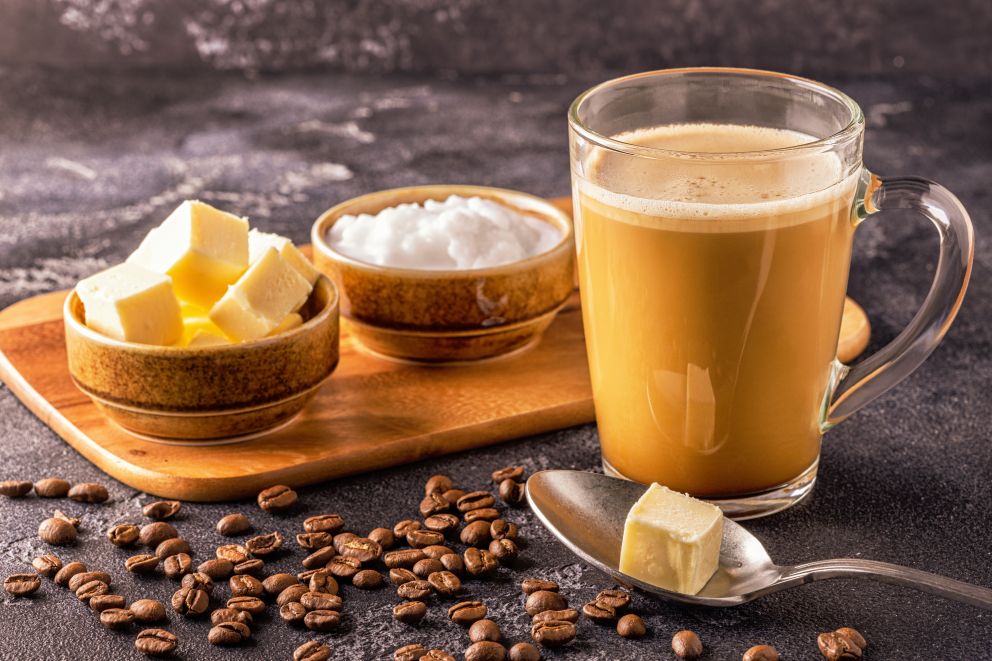
Black coffee is another reliable option. Some people also enjoy bulletproof coffee, blended with nourishing fats such as butter, ghee, or medium-chain triglyceride (MCT) oil. This creates a satiating drink that can help extend intermittent fasting windows and may reduce sugar cravings during the transition into a low-carb diet.
For those who enjoy dairy or milk alternatives, heavy cream is an excellent low-carb creamer, though it should be used in moderation due to its high caloric density. Unsweetened almond milk, coconut milk, and plain kefir can also be good options.
Other hydrating keto-friendly choices include:
- Plain water
- Carbonated water
- Sparkling water
- Mineral water
- Club soda
- Sugar-free flavored waters infused with cucumber, lemon, lime, or berries
High-quality sugar-free electrolyte drinks are also an excellent option during keto adaptation to support hydration, mineral balance, energy, and muscle comfort.
Drinks to avoid on keto
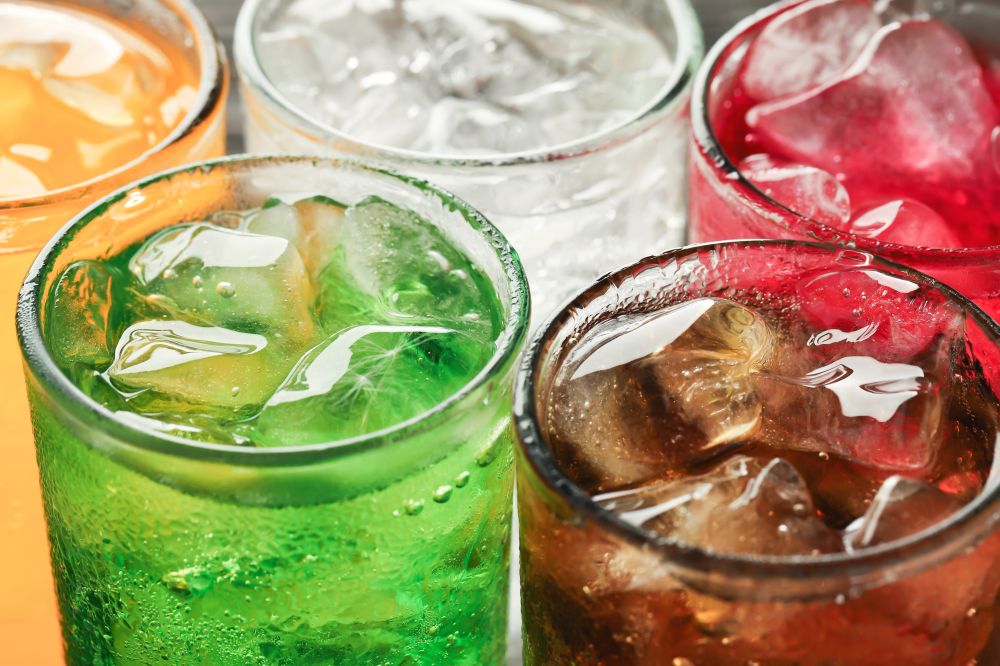
Certain beverages can quickly increase carbohydrate intake and make it difficult to maintain ketosis, especially those with added sugars, juice concentrates, refined starches, and sweetened dairy or milk alternatives.
Cow’s milk contains lactose, a natural milk sugar that can provide enough carbohydrates to exceed typical ketogenic limits when consumed regularly.
In addition, sweetened plant milks and higher-carb options such as oat milk, sweetened almond milk, and rice milk are also generally unsuitable for a low-carb lifestyle.
Many commercial plant-based milks also contain gums, emulsifiers, and stabilizers to improve texture and shelf life. One common example is carrageenan, which, according to research published in Food & Function, has been associated with increased intestinal inflammation.
Other drinks that aren’t recommended on keto include:
- Sweetened energy drinks
- Sweetened coffee beverages, such as lattes, frappes, and flavored drinks
- Tonic water
- Fruit juice and juice blends
- Fruit-infused drinks made with high-glycemic fruits or added sugars
- Conventional sports drinks
- Most regular sodas
Although typically sugar-free and low in calories, most diet sodas contain artificial ingredients that may influence cravings, appetite regulation, and the gut microbiome. For these reasons, diet sodas are generally best avoided on Healthy Keto.
Alcohol should also be avoided, as it triggers blood sugar fluctuations, disrupts sleep, and contributes to systemic inflammation. This applies to all kinds of alcohol, including low-carb seltzers, hard liquors such as tequila, vodka, and whiskey, as well as sweet and dry wines such as cabernet sauvignon, pinot grigio, and sauvignon blanc.
As the body perceives and processes alcohol as a toxin, the liver prioritizes metabolizing it over burning fat, which can significantly interfere with fat adaptation and ketosis.
How to read beverage labels on keto
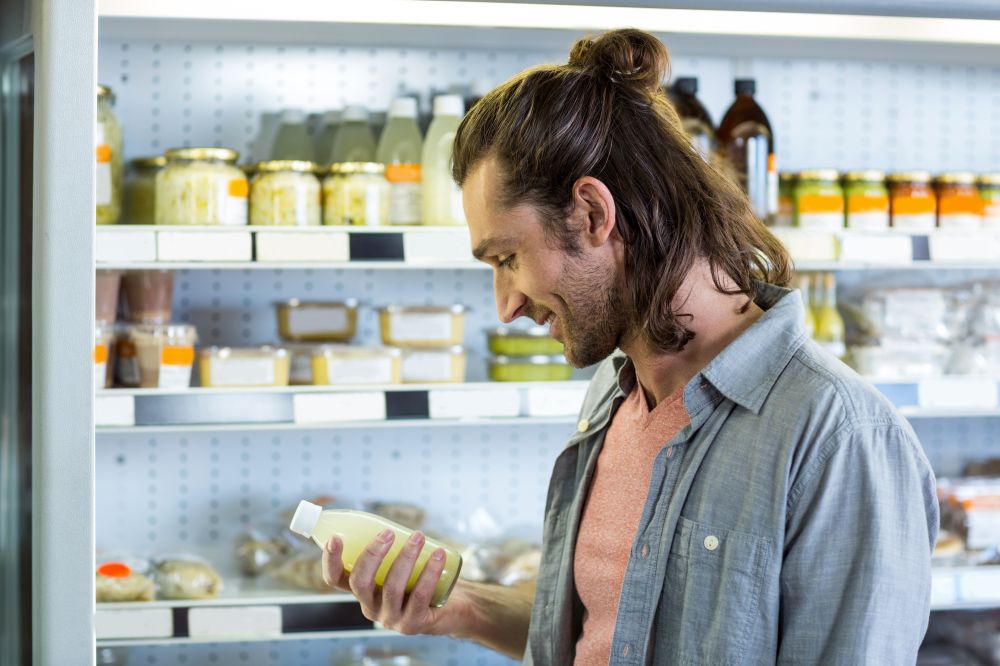
Many manufacturers use marketing language to make drinks appear healthier than they really are, but these claims don’t always reflect ingredient quality or blood sugar impact.
This is why even seemingly healthy juices or fitness drinks can quickly stall your progress, highlighting the importance of knowing how to properly decode product labels and identify which beverages will truly support your ketogenic health goals.
Here are three key beverage components to review when looking for keto-friendly drinks.
1. Serving size and servings per container
First, check the exact serving size and the number of servings in the bottle. This is crucial as a beverage may appear low in carbs per serving, but the serving size may be unrealistically small.
If a product lists two or three servings per container and you finish the entire bottle, you’re consuming double or triple the carbohydrates, sugars, and calories.
2. Total carbohydrates, sugars, and added sugars
Start by reviewing total carbohydrate content per serving, then check total sugars and added sugars.
A product’s total carbohydrate count shows the overall carb content for one serving. Total sugars include both naturally occurring and added sugars, and added sugars indicate how much refined sugar was added during processing.
For keto beverages, aim to choose drinks with as close to zero carbs per serving as possible, especially those you consume regularly.
Any amount of added sugars is a strong indicator that a drink is not truly keto-friendly and will likely cause a substantial spike in blood glucose levels, temporarily halting ketosis and leading to energy dips throughout the day.
Some individuals also calculate net carbs by subtracting dietary fiber and, in some cases, certain sugar alcohols from total carbohydrates. Even when using net carbs, it’s still advisable to avoid drinks that contain added sugars or large amounts of rapidly absorbed carbohydrates.
3. Ingredients list and quality
The ingredients list is usually the most revealing of whether a product truly aligns with a Healthy Keto diet.
In general, longer ingredient lists, especially those that include many artificial or highly processed ingredients, tend to indicate a lower-quality drink.
When reviewing the ingredients list, look first for added sugars and syrups, then for hidden high-glycemic starches and refined flours, followed by artificial sweeteners and food colorings, and finally for ultra-processed seed oils.
Additionally, when reviewing labels, it’s worth noting that ingredients must be listed in descending order by weight, meaning the first few items make up the bulk of the product.
Common names of these ingredients include:
- Sugars and syrups: glucose, glucose syrup, high-fructose corn syrup (HFCS), dextrose, maltose, cane sugar, invert sugar
- High-glycemic starches and refined flours: modified corn starch, modified wheat starch, modified food starch, maltodextrin, rice flour, tapioca flour
- Artificial sweeteners and food colorings: aspartame, sucralose, acesulfame potassium (Ace-K), saccharin, Red 40, Yellow 5, Yellow 6, Blue 1
- Ultra-processed seed oils: vegetable oil, corn oil, soybean oil, canola oil, cottonseed oil, sunflower oil, safflower oil
Beverages with short, simple ingredient lists containing recognizable ingredients, such as water, herbs, food-based colors, minerals, or natural low-glycemic sweeteners such as stevia, monk fruit, or allulose, are often the best options for supporting ketosis.
Key takeaways
- The best keto drinks are very low in net carbs, contain no added sugars, and avoid artificial or ultra-processed ingredients.
- Tea, black coffee, plain water, club soda, and unsweetened almond or coconut milk, along with high-quality sugar-free electrolyte drinks, are among the most reliable keto-friendly options for daily use.
- Regular cow’s milk, sweetened plant milks, fruit juices, tonic water, sugar-containing energy drinks, conventional sports drinks, and most sodas are high in carbohydrates and often contain additives that can interfere with ketosis and metabolic health.
- Natural low-glycemic sweeteners such as stevia, monk fruit, or allulose can enhance flavor without meaningfully increasing net carbs.
- It’s recommended to choose beverages with minimal carbohydrates, short and recognizable ingredient lists, and free of artificial sweeteners, synthetic colors, and ultra-processed seed oils.
FAQ
- 1. What drinks can you have on a keto diet?
- 2. Can you drink coffee on keto?
- 3. Are diet sodas keto-friendly?
- 4. Is alcohol allowed on a keto diet?
Sources
- Feng X, Wang M, Wang Y, Liang R, Yan C. Associations between environmental glyphosate exposure and glucose homeostasis indices in US general adults: a national population-based cross-sectional study. Sci Rep. 2025;15(1):1627. doi:10.1038/s41598-024-84694-5.
- Bellanco A, Félix J, Díaz Del Cerro E, Martínez Cuesta MC, De la Fuente M, Requena T. Influence of consumption of the food additive carrageenan on the gut microbiota and the intestinal homeostasis of mice. Food Funct. 2024;15(12):6759-6767. doi:10.1039/D4FO01418A.
Related Articles
-
What Are Ketones? How Your Body Makes and Uses Them
 Alternative diets
What Are Ketones? How Your Body Makes and Uses Them
At a glance Ketones, also known as ketone bodies, serve as a vital alternative fuel source that the body creates when carbohydrate intake drops. Produced by the liver from dietary…10/08/2026 -
7 Common Intermittent Fasting Myths Debunked
 Diet
Diet7 Common Intermittent Fasting Myths Debunked
At a glance Intermittent fasting is an increasingly popular dietary pattern that is often misunderstood. Many common concerns surrounding intermittent fasting, including muscle loss, hormonal disruption, and metabolic slowdown, are…09/03/2026 -
What Is Time-Restricted Eating?
 Diet
DietWhat Is Time-Restricted Eating?
At a glance Time-restricted eating is a form of intermittent fasting that limits meals to a consistent daily eating window. This approach focuses on when food is consumed rather than…08/13/2026 -
Ketones vs. Glucose: How Your Body Uses Fuel
 Diet
DietKetones vs. Glucose: How Your Body Uses Fuel
At a glance Ketones and glucose are two fuels the body can use, but they are produced and used under different metabolic conditions. Glucose is closely tied to carbohydrate intake,…08/13/2026 -
Blood Sugar Spikes: What Causes Them and Tips for Balance
 Blood sugar and insulin
Blood Sugar Spikes: What Causes Them and Tips for Balance
At a glance Blood sugar spikes are rapid increases in blood glucose that often happen after eating foods high in sugar or refined carbohydrates. While a temporary rise in blood…07/23/2026 -
What Is the Best Meal Timing for Stable Energy?
 Diet
DietWhat Is the Best Meal Timing for Stable Energy?
At a glance Meal timing can influence daily alertness, hunger cues, and blood sugar patterns. The body processes food according to internal rhythms that affect insulin, digestion, and metabolic activity.…07/17/2026 -
Can You Drink Coffee While Fasting?
 Diet
DietCan You Drink Coffee While Fasting?
At a glance Fasting involves limiting food intake so the body can use stored energy and maintain steady metabolic function. Coffee can be consumed during a fast, and plain black…06/19/2026 -
Why You Feel Hungry: The Role of Hunger Hormones
 Keto
KetoWhy You Feel Hungry: The Role of Hunger Hormones
At a glance Hormones are chemical messengers that regulate appetite, satiety, and energy homeostasis. Key hunger hormones, such as ghrelin, leptin, and insulin, signal when to eat and when to…05/15/2026 -
How to Break a Weight Loss Plateau: 9 Simple Ways
 Keto
KetoHow to Break a Weight Loss Plateau: 9 Simple Ways
At a glance Weight loss plateaus typically occur when the body adapts to dietary and lifestyle changes, resulting in reduced energy requirements. Factors such as insulin resistance, poor sleep, and…05/08/2026 -
Sugar Withdrawal: What to Expect and How to Cope
 Nutrition
Sugar Withdrawal: What to Expect and How to Cope
At a glance Sugar withdrawal can trigger intense cravings, fatigue, headaches, and mood changes as the body and brain adjust to reduced sugar intake. With the right strategies, such as…04/24/2026


