


At a glance
Artificial sweeteners are widely used in sugar-free and low-calorie products as substitutes for added sugar. These compounds provide sweetness with little to no calories or carbohydrates and are commonly found in beverages, snacks, and processed foods. Despite their widespread use, artificial sweeteners differ in how they are processed by the body and their potential effects on metabolic health.
Artificial sweeteners are commonly used to replace sugar in products labeled “sugar-free” or “low-calorie.”
While they offer sweetness without the same caloric content as table sugar, their potential health effects can vary.
Explore the different types of artificial sweeteners, how they compare to other alternative sweeteners, and what to consider when choosing the best option for a low-carbohydrate lifestyle.
What are artificial sweeteners?
Artificial sweeteners are non-nutritive sweeteners used to sweeten foods without adding significant calories or carbohydrates. They are often much sweeter than table sugar, which allows only small amounts to be used in food products.
These compounds are classified as food additives and are commonly used to replace table sugar in sugar-sweetened beverages, candies, chewing gum, and other processed foods.
Because they provide a sweet taste with little to no energy contribution and fewer calories than sugar, artificial sweeteners are often used in products marketed for weight loss or reduced sugar consumption.
Artificial sweeteners are just one type of sugar substitute. Other alternative sweeteners, such as monk fruit, stevia, and sugar alcohols, differ in key ways.
Watch the video below to learn more about alternative sweeteners.
Common types of artificial sweeteners
Several artificial sweeteners are commonly used in the modern food supply. Each differs in chemical structure, sweetness intensity, and how it’s metabolized.
Here are four of the most commonly used artificial sweeteners.
1. Aspartame
Aspartame is made by combining two amino acids, phenylalanine and aspartic acid. It provides a sweet taste with minimal caloric contribution and is approximately 200 times sweeter than table sugar.
It’s commonly found in carbonated drinks like diet soda, sugar-free candies, chewing gum, and many processed foods that are labeled as low-calorie or sugar-free.
Research published in Environmental Health notes that aspartame is commonly used in the modern food supply, with authors stating, “Aspartame is one of the world’s most widely used artificial sweeteners and is an ingredient in more than 5000 food products globally.”
2. Sucralose
Sucralose is derived from sugar through a chemical process that replaces certain hydrogen-oxygen groups with chlorine atoms. This alteration prevents it from being metabolized for energy.
It’s a low-calorie sweetener that provides intense sweetness without contributing significant calories or carbohydrates and is commonly used in tabletop sweeteners, baked goods, and artificially sweetened beverages, including some fruit juices.
Because sucralose remains stable at high temperatures, this sweetener is often used in cooking and baking.
3. Acesulfame potassium
Acesulfame potassium, also known as acesulfame K or Ace K, is produced through chemical synthesis. It’s approximately 200 times sweeter than table sugar and is not metabolized by the body.
It’s commonly used in soft drinks, frozen desserts, and processed foods, often in combination with other sweeteners to enhance flavor.
4. Saccharin
Saccharin was originally discovered through chemical synthesis. It’s approximately 300 to 400 times sweeter than table sugar and is not metabolized by the body.
It’s often found in tabletop sweeteners and certain processed foods and beverages, particularly in products labeled as sugar-free.
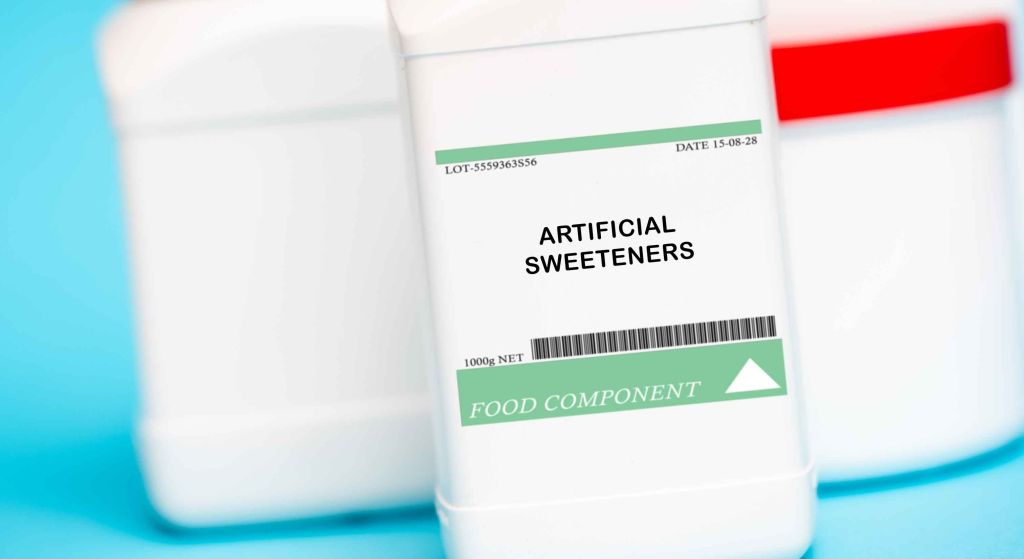
Potential health effects of artificial sweeteners
Artificial sweeteners are widely used as sugar substitutes in processed foods and beverages, but their effects on the human body may extend beyond simply reducing calorie intake.
Some artificial sweeteners may interact with metabolic and cardiovascular pathways and have been associated with weight gain, particularly when consumed regularly through ultra-processed foods and beverages.
Research published in The BMJ found that higher intake of artificial sweeteners, including acesulfame potassium and sucralose, was linked to an increased risk of cardiovascular disease.
Additional findings based on data from the British Journal of Nutrition found that higher saccharin intake was associated with major health problems, including increased all-cause cardiovascular and cancer mortality.
Some artificial sweeteners may also affect gut health. A study published in Allergy found that aspartame exposure may disrupt intestinal barrier function and promote inflammatory responses, potentially increasing gut permeability and contributing to systemic inflammation.
Because of potential health concerns, some individuals choose to avoid artificial sweeteners altogether. Instead, they may opt for other types of alternative sweeteners that differ in how they are processed by the body.
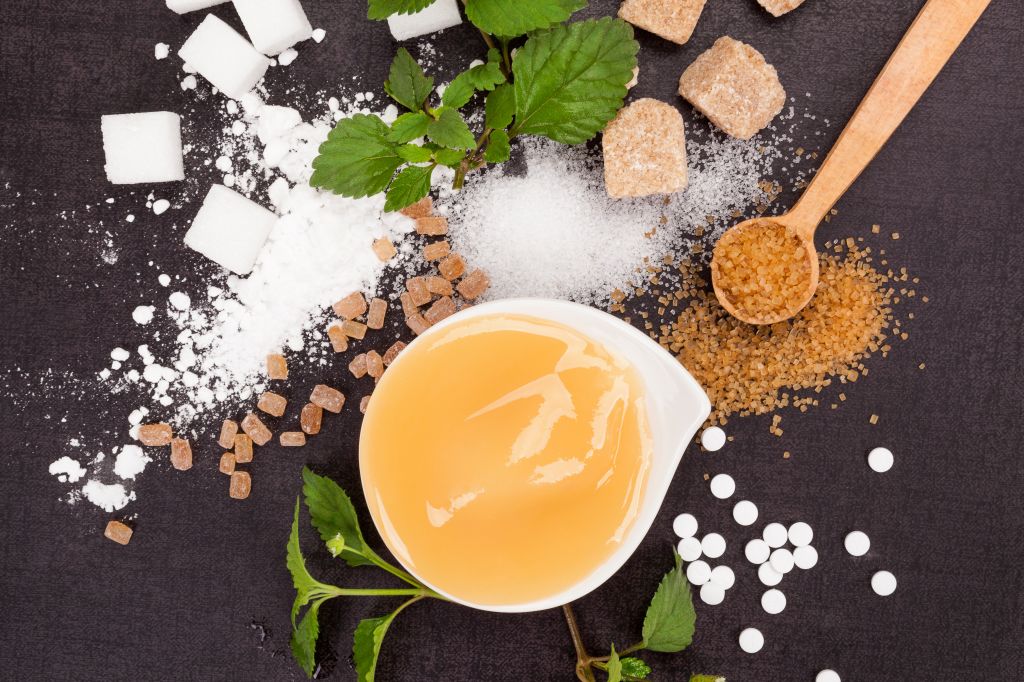
The best sweeteners to use on a keto diet
While artificial sweeteners may be popular among some people trying to lower their sugar intake and in many processed foods, other sugar substitutes are preferred by individuals following low-carb eating plans.
Many sugar substitutes, such as honey, agave, high-fructose corn syrup, maple syrup, and maltitol, can raise blood glucose and insulin levels, so it is important to use caution when selecting an alternative sweetener.
Here are the best sweeteners approved for use on a keto diet.
1. Monkfruit
Monk fruit extract is a natural sweetener derived from a Southeast Asian fruit called luo han guo.
Monk fruit extracts are 100 to 250 times sweeter than regular sugar while offering a similar taste and texture.
Monk fruit has zero calories and scores zero on the glycemic index, meaning it doesn’t spike blood sugar and is commonly used in low-carbohydrate and ketogenic diets.
Additionally, monk fruit contains compounds called mogrosides, which contribute to its sweetness and are associated with metabolic health support.
2. Erythritol
Erythritol is a zero-calorie sugar alcohol naturally found in small amounts in certain whole fruits and fermented foods.
It has about 60 to 70 percent of the sweetness of sugar and produces a negligible effect on blood glucose and insulin levels.
Erythritol may also support oral health by helping reduce the growth of harmful bacteria in the mouth, which might help lower the risk of tooth decay.
Erythritol is commonly used in baking and packaged low-carb products due to its ability to add bulk and texture.
However, consuming larger amounts may lead to digestive discomfort, including bloating or gas.
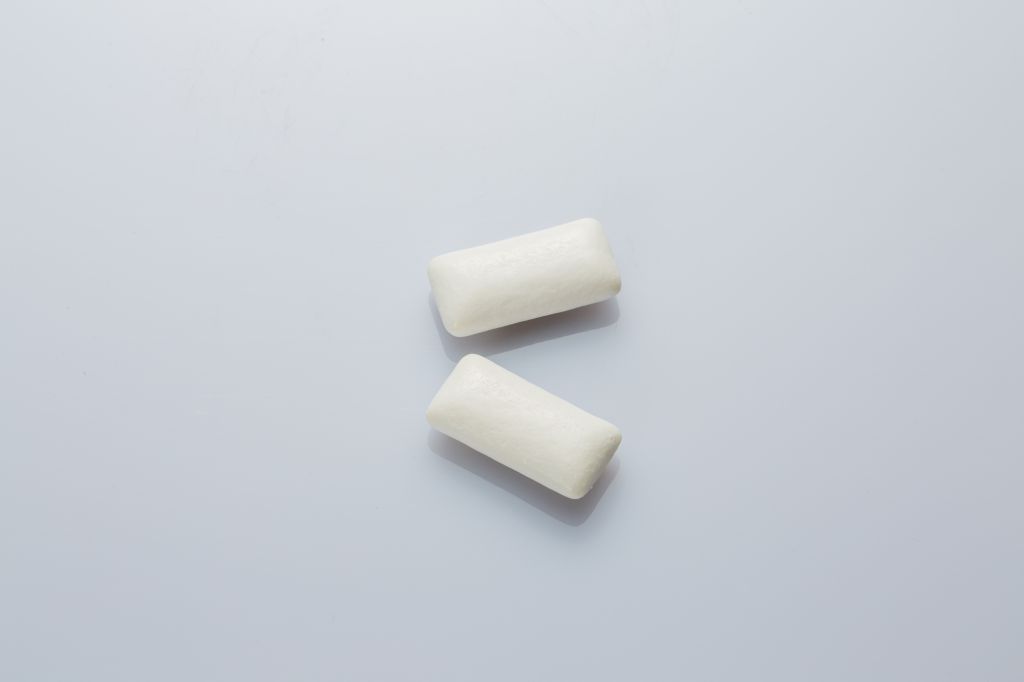
3. Xylitol
Xylitol is a plant-derived sugar alcohol with a slightly higher glycemic impact than other alternative sweeteners, meaning it may raise blood sugar levels when consumed in larger amounts.
Xylitol tastes almost identical to sugar and has a similar mouthfeel, making it a practical option for baking and everyday use. Like erythritol, xylitol is also associated with oral health benefits, including reducing cavity-causing bacteria and supporting saliva production.
Granulated xylitol has a similar sweetness to sugar and can be used in a 1:1 ratio, which makes it easy to substitute in recipes. However, consuming larger amounts may cause digestive discomfort.
Xylitol is highly toxic to dogs and should be kept out of reach in households with pets.
4. Stevia
Stevia is a natural sweetener made from the leaves of the Stevia rebaudiana plant.
It contains compounds called steviol glycosides, which provide intense sweetness without affecting blood glucose or insulin levels.
Stevia is significantly sweeter than sugar, so only small amounts are needed in recipes or beverages.
When choosing products made with purified stevia leaf extracts, it’s important to check the ingredient list, as some formulations contain additives such as maltodextrin, which has a higher glycemic index than sugar and can affect blood glucose levels.

How to identify artificial sweeteners on labels
Several artificial sweeteners are commonly listed in the ingredient list of packaged foods and beverages, particularly in products labeled as sugar-free, low-calorie, or diet.
Check food labels for artificial sweeteners like:
- Aspartame
- Sucralose
- Acesulfame potassium (acesulfame K or Ace K)
- Saccharin
- Neotame
- Advantame
You may also see these sweeteners listed under brand names, such as Splenda® (sucralose), Equal® (aspartame), or Sweet’N Low® (saccharin).
Reviewing both the ingredient list and the Nutrition Facts label provides a more complete understanding of a product’s total carbohydrate content and potential metabolic impact.
Key takeaways
- Artificial sweeteners are widely used in sugar-free and low-calorie products and provide sweetness without significant calories or carbohydrates.
- Some artificial sweeteners have been associated with potential effects on metabolic signaling, gut health, and cardiovascular outcomes.
- Alternative sweeteners differ in how they are processed by the body, and while some have minimal impact on blood glucose, others can raise blood sugar levels and may not be suitable for low-carbohydrate dietary patterns.
- Certain substitutes, including stevia, monk fruit, erythritol, and xylitol, are more commonly used in ketogenic diets as they still taste sweet and have a minimal impact on blood glucose and insulin levels.
FAQ
- 1. Are artificial sweeteners bad for you?
- 2. What are the most common artificial sweeteners?
- 3. Are artificial sweeteners the same as sugar alcohols?
- 4. Do artificial sweeteners contain calories?
- 5. Can artificial sweeteners affect cravings?