

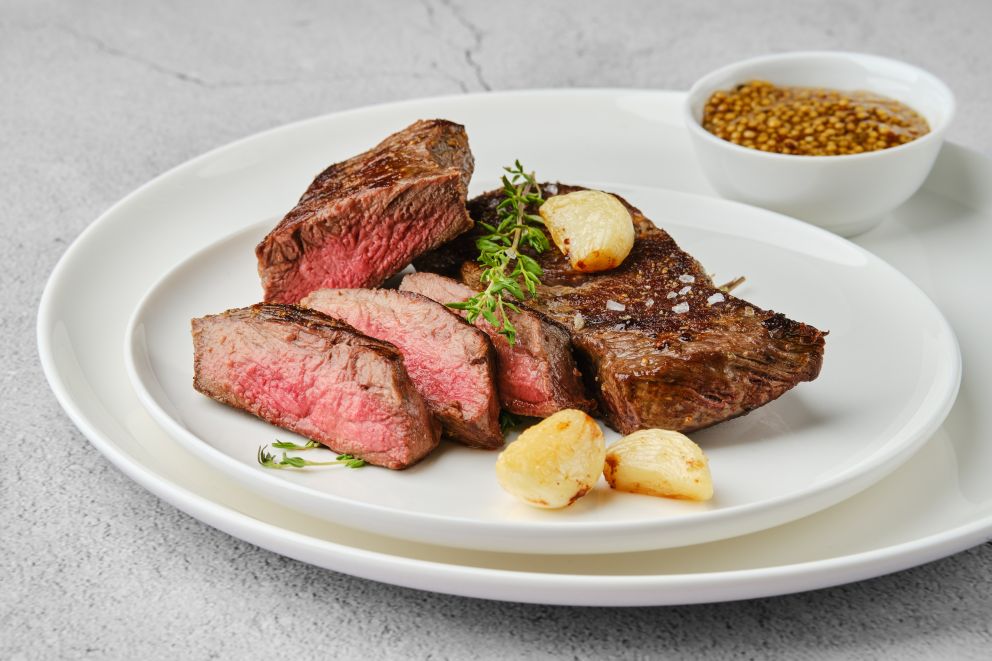
At a glance
Red meat offers essential nutrients such as protein, iron, zinc, and B vitamins that support muscle repair, energy metabolism, and brain health. However, nutritional quality varies widely, and choosing grass-fed, pasture-raised options while avoiding highly processed or overcooked red meats can maximize nutritional benefits while minimizing potential health risks.
Grass-fed, grain-fed, and processed red meats are often lumped together. Unfortunately, this oversimplification has led to widespread misunderstandings about the potential benefits and disadvantages of eating red meat.
Learn why some types of red meat are more nutritious than others and how to choose high-quality options to support a health-focused diet.
What is considered red meat?
Red meat refers to the muscle meat of mammals, including beef, lamb, mutton, pork, bison, and venison. It typically has a light to dark purplish-red color due to its higher myoglobin content, an iron-rich protein that delivers oxygen to muscle cells.
Processed red meat, which includes items such as pork or beef sausages, deli cuts, and cured meat products, can also fall under this category.
Watch the video to discover if red meat fits into a nutritious diet.
Benefits of red meat
When sourced from healthy, pasture-raised animals and prepared properly, red meat can be highly nutritious and help support nearly every system of the body.
Here are four benefits of consuming red meat.
1. Source of complete protein
Unlike many plant-based proteins, red meat is a source of complete protein, meaning it supplies all nine essential amino acids, in highly bioavailable ratios that the body can easily absorb and effectively use.
These amino acids serve as building blocks for proteins and are essential for the synthesis and repair of muscle fibers, connective tissue, enzymes, and hormones.
2. Rich in essential nutrients
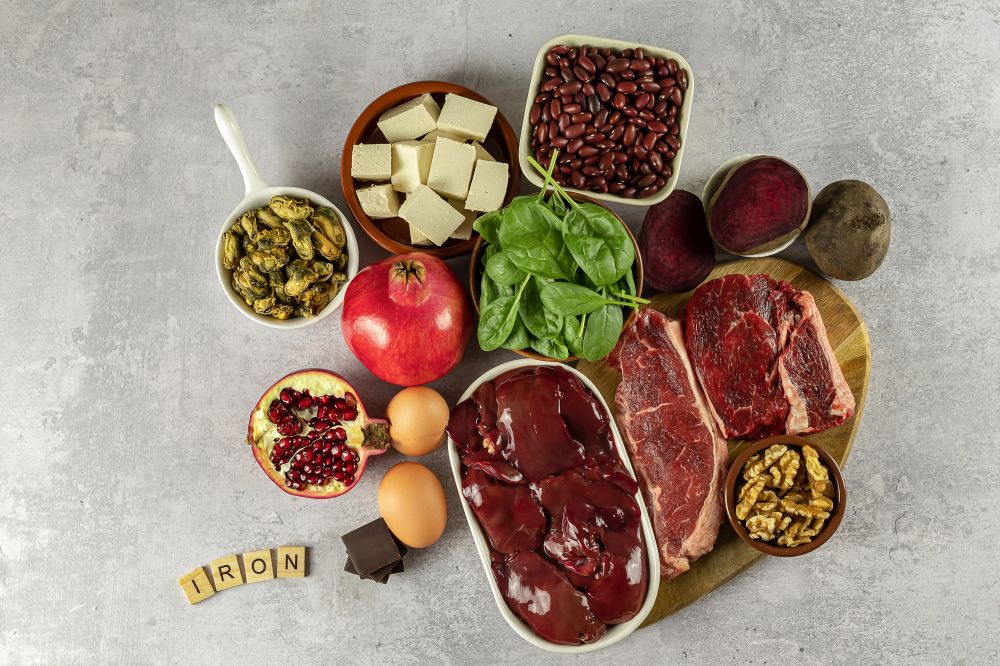
Red meat is an excellent source of B vitamins, including B12 and B6, as well as iron, zinc, and selenium. These nutrients play vital roles in supporting the formation of red blood cells, strengthening immunity, promoting detoxification, and facilitating energy-making processes.
When compared to fish, poultry, or eggs, 100 percent pasture-raised red meat provides the highest levels of heme iron, which is more efficiently absorbed than non-heme iron found in plant food.
Research published in Nutrition Reviews highlights that obtaining iron from red meat sources helps maintain normal iron levels, especially for individuals with a higher risk of iron deficiency, such as young or pregnant women, athletes, and those with malabsorption issues.
3. Supports energy and recovery
Red meat is a rich source of nutrients that are crucial for metabolic support, including carnitine, creatine, carnosine, and coenzyme Q10.
These compounds play a crucial role in promoting energy production within the mitochondria, and red meat consumption can help enhance endurance, athletic performance, and muscle recovery.
4. Offers nourishing fats
Pasture-raised beef and lamb are rich sources of beneficial fatty acids, including omega-3 fats and conjugated linoleic acid (CLA), which support cardiovascular health and metabolic wellness.
Research published in Nutrition Journal highlights that grass-fed beef typically contains higher levels of omega-3 fatty acids and a more favorable omega-6 to omega-3 fat ratio than grain-fed beef, which supports the body’s ability to balance inflammatory responses.
Grass-fed meats are also a good source of healthy saturated fat, such as stearic acid, a key structural component of cell membranes.
Disadvantages of red meat
While high-quality red meat offers numerous benefits, many commercially available options come with significant drawbacks, as they often prioritize profit over nutrition and animal welfare.
Here are three disadvantages of red meat.
1. Factory farmed
Many of the red and processed meat products found in supermarkets originate from large factory farms, also known as concentrated animal feeding operations (CAFOs).
Animals raised in these environments are often confined to small spaces and fed restrictive, non-organic, genetically modified (GMO) grain-based diets instead of nutrient-rich pasture, which has been linked to higher stress hormone levels in the animals and less nutritious meat.
Because these facilities often operate with lower quality standards, their meat is also more likely to contain chemical residues from pesticides, feed additives, or synthetic hormones.
Additionally, many processed meat products contain filler ingredients, stabilizers, and various chemical preservatives, which can irritate the digestive tract and contribute to inflammatory stress.
2. Cost and availability
The nutrient density and associated health benefits of red meat depend heavily on its quality and origin.
While 100 percent pasture-raised and grass-finished meats can deliver an impressive and well-rounded nutrient profile, they’re often significantly more expensive and may not be readily available in many local grocery stores.
3. May trigger gut problems
While red meat can be a valuable part of a nutrient-focused diet, certain individuals benefit from moderating their intake.
Individuals with low stomach acid may experience difficulty digesting dense animal proteins. As stomach acidity naturally declines with age, this can lead to a feeling of heaviness or incomplete digestion after eating large portions of red meat.
Although extremely rare, individuals who contracted a tick-borne condition known as alpha-gal syndrome can experience a severe allergic reaction to eating red meat or other mammalian products.
Is red meat good for you?
Yes, red meat can be good for you when it’s high-quality and properly sourced. However, its nutritional value depends on how the animal was raised, what it was fed, and how the meat was processed and prepared.
“Your body can only heal and rebuild as efficiently as the raw materials you provide,” explains Dr. Berg. “Nutrient-dense foods such as pasture-raised red meats can help supply those materials in their most natural and usable form.”
Grass-fed and pasture-raised meats contain more omega-3 fatty acids, CLA, vitamin E, and glutathione compared to grain-fed or processed options. These compounds help support cardiovascular health and strengthen the body’s antioxidant defenses.
That said, individuals with high iron levels should be cautious about consuming too much red meat, as its high iron content can accumulate in body tissues over time. Excessive iron levels can potentially contribute to oxidative stress and organ damage.
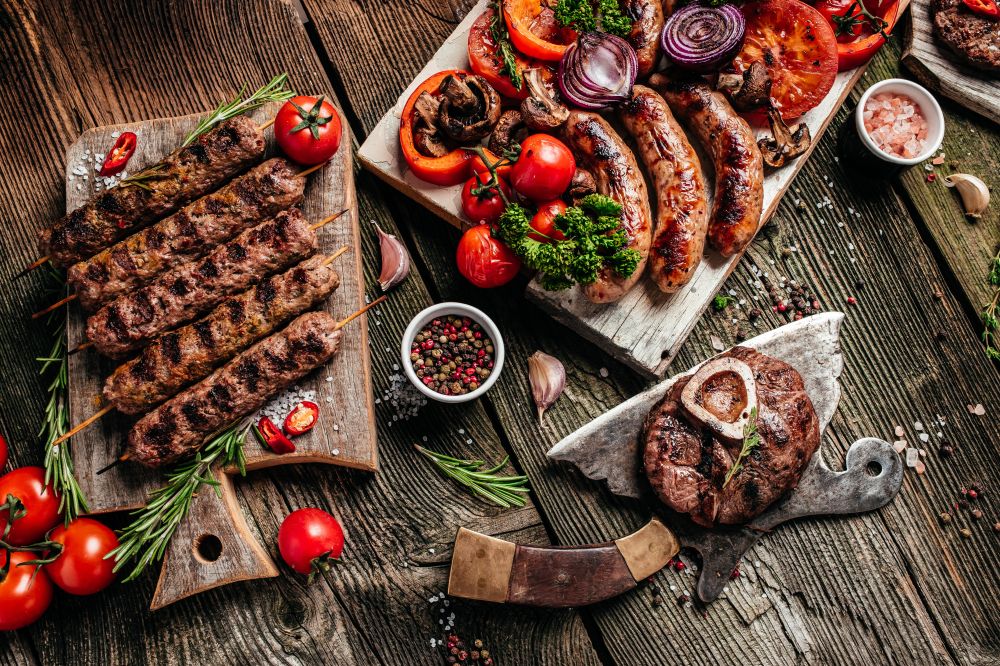
Best and worst types of red meat
Because the quality of red meat varies widely, understanding simple ways to identify the most nutrient-rich options is crucial for maximizing nutrition and health benefits.
Here’s how to spot the best and worst types of red meat.
The best types of red meat
The most health-supportive and nutrient-dense red meat options come from animals raised under conditions that prioritize a diverse natural diet, animal welfare, and nutrient preservation.
The best types of red meat include:
- 100 percent grass-fed
- Grass-fed organ meats
- Pasture-raised lamb
- Wild-caught venison and elk
- Wild-caught or pasture-raised bison
Look for 100 percent grass-fed and pasture-raised red meat, which offers the best nutrient profile. While grass-finished beef is superior to conventional products, it often has only been grass-fed for a few months of its life.
Additionally, choosing certified organic and non-GMO meats can help reduce exposure to pesticides, synthetic hormones, and antibiotics, which is supportive of long-term health.
Minimally processed options such as ground meat and cuts like ribeye, chuck, and short ribs provide high-quality protein and healthy fats, making them ideal choices for a nutrient-rich diet.
The worst types of red meat
The worst types of red meat typically come from animals raised in confined factory farm settings. These operations often rely on grain-based feed and have low animal-welfare standards, which can compromise nutritional integrity and increase exposure to unwanted compounds.
The worst types of red meat include:
- Grain-fed meat
- Non-organic meat
- Low-quality processed meats
Many processed meat products contain preservatives, sugars, nitrates, and filler ingredients that can diminish nutrient value and flavor integrity.
Unless clearly labeled as 100 percent grass-fed, pasture-raised, wild-caught, and free from additives and preservatives, most processed red meats, such as bacon, sausages, deli meats, jerky, and hot dogs, should be avoided.
Key takeaways
- Red meat is an excellent source of complete protein and offers key nutrients, including vitamin B12, iron, and zinc.
- Pasture-raised and grass-fed meats are nutritionally superior as they contain healthier fats and higher antioxidant levels than conventional red meat products.
- Factory-farmed and processed red meats often contain additives, have a less favorable nutrient profile, and may be exposed to synthetic hormones.
- Ground meat and cuts such as ribeye, short ribs, and chuck offer bioavailable protein and healthy fats, which are vital for supporting a healthy body.
FAQ
- 1. What are the benefits and downsides of red meat?
- 2. How often should you eat red meat?
- 3. What is the healthiest type of red meat?
- 4. Are grass-fed meats better for you?
Sources
https://academic.oup.com/nutritionreviews/article/83/8/1389/8068911?login=false
https://pmc.ncbi.nlm.nih.gov/articles/PMC2846864
Related Articles
-
Net Carbs vs. Total Carbs: Which Should You Track?
 Diet
DietNet Carbs vs. Total Carbs: Which Should You Track?
At a glance Tracking total carbs is simpler and more consistent for supporting metabolic health and maintaining ketosis. Net carbs can help expand food choices, but they can also backfire…07/23/2026 -
How to Break a Weight Loss Plateau: 9 Simple Ways
 Keto
KetoHow to Break a Weight Loss Plateau: 9 Simple Ways
At a glance Weight loss plateaus typically occur when the body adapts to dietary and lifestyle changes, resulting in reduced energy requirements. Factors such as insulin resistance, poor sleep, and…05/08/2026 -
Why You’re Not Losing Belly Fat on Keto
 Diet
DietWhy You’re Not Losing Belly Fat on Keto
At a glance Shedding stubborn belly fat may require more than cutting carbs. Insulin levels, stress hormones, liver function, and muscle mass all influence how efficiently your body can access…02/20/2026 13k views -
12 Fat-Burning Foods To Accelerate Weight Loss
 Weight loss
12 Fat-Burning Foods To Accelerate Weight Loss
At a glance Certain foods can support fat loss by promoting satiety, stabilizing blood sugar, and enhancing metabolic health. Eating nutrient-dense options such as oily fish, grass-fed beef, leafy greens,…01/22/2026 18.1k views -
10 Keto Zucchini Recipes You Must Try – Low-Carb & Gluten-free
 Keto
Keto10 Keto Zucchini Recipes You Must Try – Low-Carb & Gluten-free
At a glance Zucchini is a low-carb, nutrient-rich ingredient that’s perfect for a health-focused keto diet. It provides dietary fiber, vitamin C, potassium, and antioxidants, and can be used as…01/16/2026 1.9k views -
Why You’re Not Losing Weight on Keto
 Diet
DietWhy You’re Not Losing Weight on Keto
At a glance Ketosis is a metabolic state where the body shifts from using carbohydrates to burning fat for energy. It occurs when carbohydrate intake drops low enough for the…12/12/2025 7.6k views -
9 Fast Fat-Burning Methods That Actually Work
 Diet
Diet9 Fast Fat-Burning Methods That Actually Work
At a glance Eating habits strongly influence whether your body enters fat-burning mode by shifting how it produces energy. When carbohydrate intake stays low, blood glucose levels fall, allowing the…12/12/2025 23.3k views -
11 High-Calorie, Low-Carb Foods
 Diet
Diet11 High-Calorie, Low-Carb Foods
At a glance High-calorie, low-carb foods can help you gain weight and build muscle without relying on high-carb meals that may contribute to insulin resistance and low energy. Emphasizing healthy…12/05/2025 -
How to Burn Fat Naturally – 4 Proven Strategies
 Diet
DietHow to Burn Fat Naturally – 4 Proven Strategies
Losing weight doesn’t have to mean unsatisfying meals, endless cardio workouts, or eating fewer calories. The key to efficient fat burning isn’t deprivation or excessive exercise—it’s about restoring your body’s…11/13/2025 -
The 4 Best Exercises to Lose Weight
 Diet
DietThe 4 Best Exercises to Lose Weight
At a glance The best exercises for weight loss support hormone balance, encourage metabolic flexibility, and build lean muscle to support ongoing fat burning. Pairing strategic movement and proper recovery…10/24/2025


