

At a glance
Certain foods can support fat loss by promoting satiety, stabilizing blood sugar, and enhancing metabolic health. Eating nutrient-dense options such as oily fish, grass-fed beef, leafy greens, and healthy fats helps reduce inflammation and improve insulin sensitivity, both of which influence how efficiently the body burns stored fat.
Losing belly fat isn’t about eating fewer calories. Achieving a healthy weight is about choosing the right foods that help your body burn fat while keeping you satiated and providing balanced nutrition.
Discover 12 fat-burning foods you should regularly include in your meal plan to lose body fat, curb hunger and sugar cravings, and reach your health and fitness goals.
12 fat-burning foods
While no single food has magical fat-burning properties, regularly consuming nutritious low-carb foods is associated with a healthy body composition and a lower risk of medical issues linked to excess body fat.
Here are 12 fat-burning foods that can help you lose weight fast.
1. Oily fish
Fatty fish such as tuna, salmon, trout, and mackerel are incredibly rich sources of healthy fats, including eicosapentaenoic acid (EPA) and docosahexaenoic acid (DHA).
Evidence published in the International Journal of Obesity reported that individuals who consumed five ounces (150 grams) of oily fish three times per week experienced more significant fat loss than those who consumed little to no omega-3-rich fish.
It’s believed that EPA and DHA promote fat loss due to their potent anti-inflammatory properties and benefits for metabolic health.
Inflammation can contribute to insulin resistance, which is a metabolic and hormonal imbalance that stimulates fat storage and blocks your metabolism from burning fat.
Omega-3 fatty acids can help lower inflammation, which explains why eating fatty fish has fat-burning benefits and can help you shed belly fat.
2. Grass-fed beef
Grass-fed beef offers a more balanced fatty acid profile than grain-fed meat and is a rich source of heart-healthy fats and conjugated linoleic acid (CLA).
Research published in Nutrients suggests that CLA promotes fat burning by stimulating the activity of lipoprotein lipase, an enzyme that facilitates the breakdown of stored body fat.
Grass-fed beef also delivers high-quality protein and contains all nine essential amino acids, which help maintain muscle mass, promote hormone balance, and strengthen immune defenses.
While most people believe lean meat is the best choice for weight loss, fattier beef cuts are easier to digest and make you feel fuller for longer, which helps maximize the weight-loss benefits of eating grass-fed beef.
3. Pasture-raised eggs
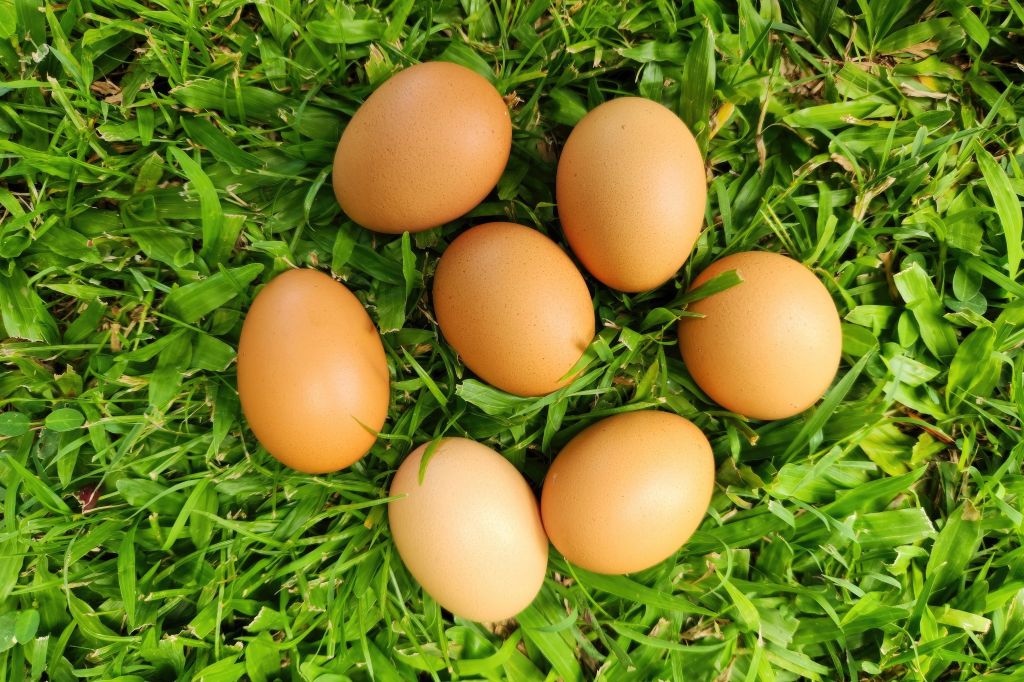
Pasture-raised eggs provide significant amounts of vitamins and minerals, which are essential for overall health and can increase your basal metabolic rate (BMR), a measure of the number of calories your body burns at rest.
In addition, eggs can increase testosterone, a critical sex hormone that regulates body composition and fat cell distribution. Balanced testosterone levels are associated with a healthy metabolism and a lower risk of weight gain.
4. Medium-chain triglyceride oil
Medium-chain triglycerides (MCTs) are fatty acids found in coconut oil and grass-fed butter. They have long been recognized for increasing fat burning and supporting long-term weight management.
A study published in Nutrients suggests that MCTs are one of the most satiating fatty acids that can suppress appetite and curb cravings. This may explain why regularly consuming MCTs can accelerate weight loss.
5. Leafy green vegetables
Green leafy vegetables are a diverse group of nutrient-rich plants, including spinach, kale, Brussels sprouts, Swiss chard, and collard greens.
Leafy greens are exceptionally nutrient-dense foods associated with a wide range of health benefits, including a reduced risk of obesity, insulin resistance, metabolic syndrome, and type 2 diabetes.
These vegetables contain very few calories and are rich sources of dietary fiber, and eating between seven and ten cups of salad and leafy green vegetables daily can be an excellent way to lose weight and maintain a healthy body weight.
6. Grass-fed butter
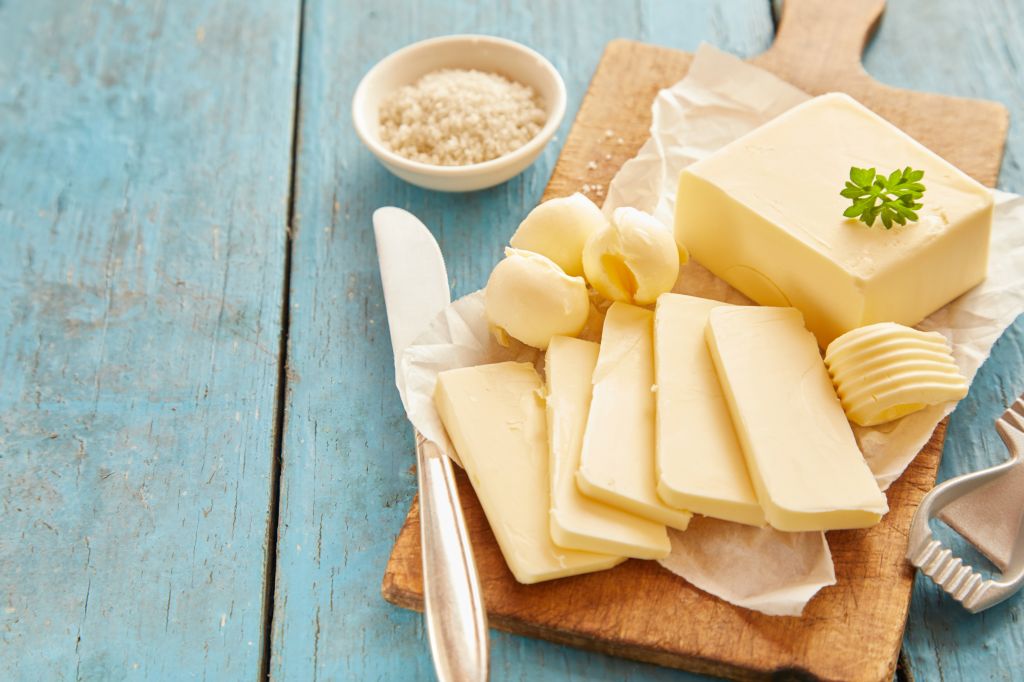
Grass-fed butter is rich in healthy fats and boosts fat-burning, and regularly eating butter supports weight loss.
Grass-fed butter contains fatty acids, including CLA and butyric acid. These fatty acids have been found to promote insulin sensitivity, which enhances the body’s ability to maintain blood sugar balance and plays a crucial role in metabolic health.
Impaired blood sugar control triggers fat storage and can increase inflammation, which creates a vicious cycle of insulin resistance, poor blood sugar control, and weight gain.
Research published in the European Journal of Nutrition confirms that regularly consuming high-fat dairy products such as butter is associated with better metabolic health and a lower risk of obesity.
7. Extra virgin olive oil
Extra virgin olive oil (EVOO) can help you maintain a healthy waistline and prevent weight gain.
EVOO is a rich source of oleic acid, a fatty acid with potent anti-inflammatory properties that can enhance insulin sensitivity, support balanced blood sugar regulation, and promote overall metabolic health.
8. Chili peppers
Chili pepper and other spices such as cinnamon, turmeric, cardamom, and ginger have been linked to potential weight-loss benefits.
Chilli and cayenne peppers contain capsaicin, a phenolic compound that triggers the production of heat in the body. This increase in thermogenesis can temporarily boost your metabolic rate, which means you burn more calories.
Aromatic spices such as cinnamon, turmeric, cardamom, and ginger are rich sources of various polyphenols that have been found to possess potent anti-inflammatory properties and promote insulin sensitivity and blood sugar balance.
9. Apple cider vinegar
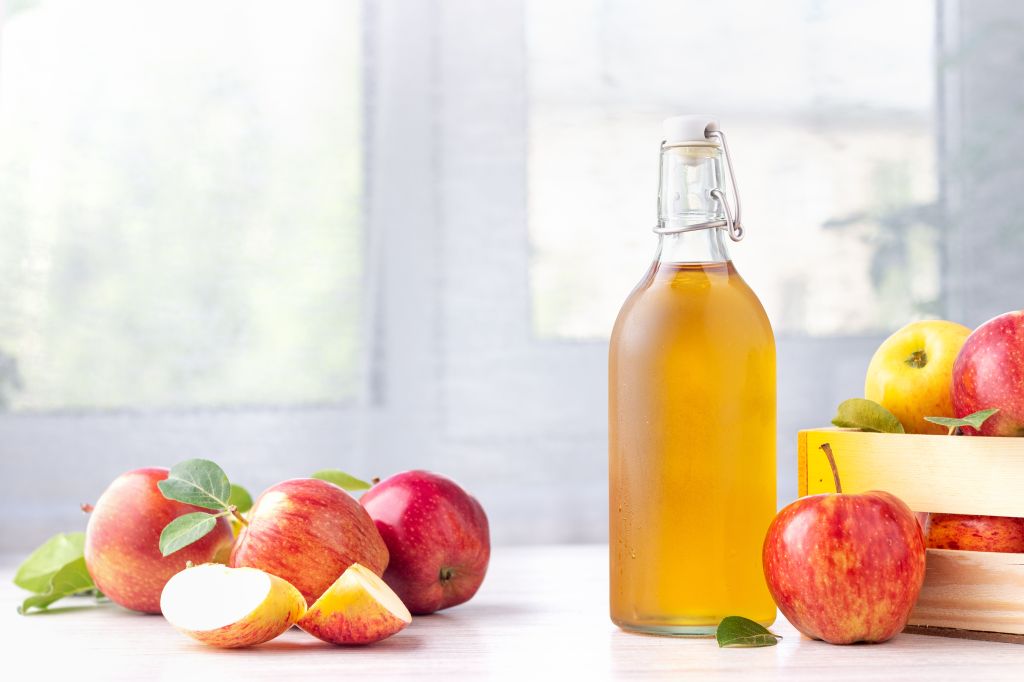
Apple cider vinegar contains high concentrations of acetic acid, an organic acid that has been found to support healthy blood sugar levels and help lower the risk of insulin resistance, a leading cause of weight gain and fatty liver disease.
“Acetic acid slows down gastric emptying, which buffers the rise of blood sugar levels after a meal,” explains Dr. Berg. “This avoids insulin spikes and enhances the liver’s ability to burn fat.”
If you want to maximize its fat-burning effects, combine apple cider vinegar and cranberry juice to boost weight loss.
10. Full-fat dairy
While yogurts can be packed with sugar and should be avoided, unsweetened, full-fat dairy products such as grass-fed butter, Greek yogurt, whole cream, and cheese can promote a healthy waistline.
A study published in Advances in Nutrition investigated the metabolic effects of full-fat dairy and concluded, “Consumption of whole-fat dairy products is not associated with the development of obesity or cardiometabolic disease in adults, and could even be beneficial.”
High-fat dairy slows down the release of glucose into the bloodstream after a meal, which supports balanced blood sugar and insulin levels linked to a healthy weight.
11. Green tea
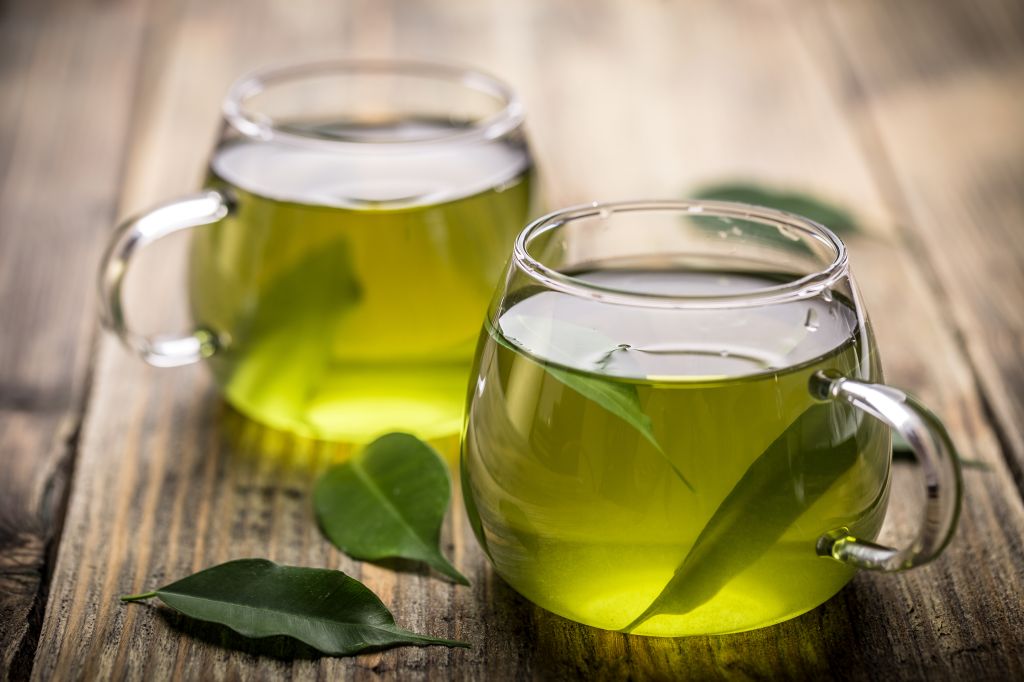
Green tea has long been recognized for its potential role in supporting weight management, and individuals who regularly drink green tea may be at lower risk of weight gain.
Green tea contains the catechin epigallocatechin gallate (EGCG), which has been found to enhance fat oxidation and stimulate the breakdown of stored body fat.
12. Coffee
Black coffee has many health benefits, and coffee drinkers may find it easier to maintain a healthy weight than people who don’t drink coffee.
Research published in Physiological Research confirms the anti-obesity effects of coffee and suggests that coffee suppresses appetite and may enhance fat oxidation, concluding that regular coffee consumption can support a better body composition.
Watch the video below to discover the best foods to help you lose the most weight.
Which foods are the worst for weight loss?
Are you on a never-ending weight loss journey despite closely watching your calorie intake?
Chances are you are eating the wrong types of foods that cause weight gain and block your body’s ability to tap into stored body fat.
Here are five of the worst foods for weight loss.
1. Carbohydrates and sugars
Eating carbohydrates and sugars is one of the fastest ways to gain weight.
Refined carbohydrates, such as white bread, sugary cereals, and pastries, are quickly broken down into glucose, leading to rapid spikes in blood sugar levels.
The body responds to elevated blood sugar by releasing insulin to regulate blood glucose levels. This promotes the conversion of blood sugar to fat, blocks the liver from burning fat, and explains why carbohydrates and sugars lead to weight gain.
Many people believe that switching to whole-grain bread, brown rice, and whole-wheat pasta will support weight loss. However, this is often one of the biggest weight loss mistakes.
While these foods are more nutritious than refined grain products, they’re high in carbohydrates, making them a common reason for difficulties losing weight.
2. Processed foods
Evidence published in Cell Metabolism confirms that processed foods are a primary driver of weight gain and a significant cause of obesity, insulin resistance, and diabetes.
Processed foods are typically high in calories, refined carbohydrates, and harmful seed oils, which are associated with poor metabolic health, blood sugar imbalances, and excess weight.
In addition, foods such as cereals, chips, sugary drinks, processed meats, and fast food often contain artificial flavorings, preservatives, and other synthetic ingredients that can trigger inflammation and hormonal imbalances associated with persistent weight gain.
3. Protein shakes
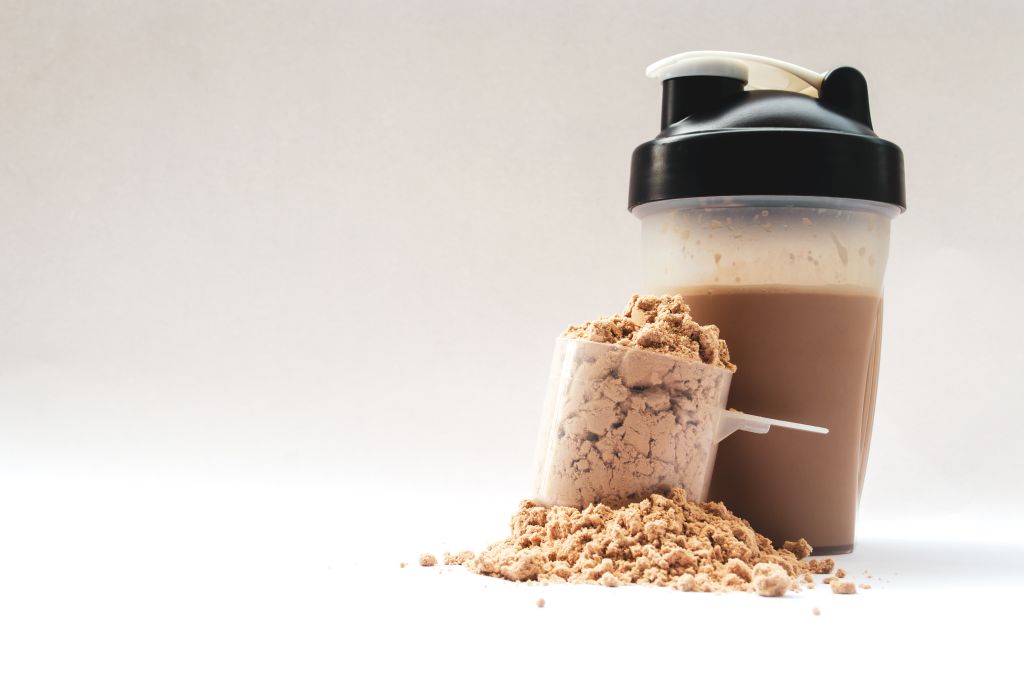
While protein is crucial in maintaining muscle mass and hormone balance, too much protein can make you fat.
Replacing meals with protein shakes to lose weight can quickly lead to excessive protein intake.
Excess protein is either excreted or converted into glucose through a process called gluconeogenesis, which causes blood sugar spikes and can lead to weight gain.
In addition, many protein powders are laden with sugar and preservatives and are contaminated with heavy metals that are linked to poor liver function, which can further increase the risk of being overweight.
4. Snacks
Most snack foods are heavily processed and high in sugar or carbs, and constant snacking is a weight loss trap.
Snacking throughout the day, even on seemingly healthy foods, keeps blood sugar and insulin levels elevated. This keeps your metabolism in a fat-storage mode, preventing fat burning and weight loss, regardless of how few calories you consume or how much you exercise.
5. Alcohol
Alcohol is a toxic compound, and the liver prioritizes the detoxification of alcohol over other metabolic processes, including fat burning.
Even small amounts of alcohol can stop weight loss, and regularly consuming alcohol can cause fatty liver disease, which is associated with poor metabolic health and weight gain.
Key takeaways
- Fat-burning foods are low in carbohydrates and rich in healthy fats, antioxidants, or anti-inflammatory nutrients.
- Oily fish, grass-fed beef, eggs, leafy greens, MCT oil, olive oil, and full-fat dairy support metabolic health and satiety.
- Aromatic spices and chili peppers may modestly boost thermogenesis and promote insulin sensitivity.
- Processed foods, sugars, refined grains, alcohol, and frequent snacking can hinder fat loss by raising insulin and driving fat storage.
FAQ
- 1. Can certain foods speed up weight loss?
- 2. What are the best fat-burning foods?
- 3. What should I eat daily to lose fat?
- 4. What foods should I avoid if I want to lose weight?
- 5. Are vegetables good for weight loss?
- 6. Are protein shakes good for weight loss?
Sources
- Gunnarsdottir I, Tomasson H, Kiely M, et al. Inclusion of fish or fish oil in weight-loss diets for young adults: effects on blood lipids. Int J Obes (Lond). 2008;32(7):1105-12. https://pubmed.ncbi.nlm.nih.gov/18490931/
- https://pmc.ncbi.nlm.nih.gov/articles/PMC6413010/
- Maher T, Sampson A, Goslawska M, Pangua-Irigaray C, Shafat A, Clegg ME. Food Intake and Satiety Response after Medium-Chain Triglycerides Ingested as Solid or Liquid. Nutrients. 2019;11(7):1638. https://pmc.ncbi.nlm.nih.gov/articles/PMC6683029/
- Kratz M, Baars T, Guyenet S. The relationship between high-fat dairy consumption and obesity, cardiovascular, and metabolic disease. Eur J Nutr. 2013;52(1):1-24. https://pubmed.ncbi.nlm.nih.gov/22810464/
- O’Sullivan TA, Schmidt KA, Kratz M. Whole-Fat or Reduced-Fat Dairy Product Intake, Adiposity, and Cardiometabolic Health in Children: A Systematic Review. Adv Nutr. 2020;11(4):928-950. https://pmc.ncbi.nlm.nih.gov/articles/PMC7360438/
- https://pmc.ncbi.nlm.nih.gov/articles/PMC8820582/
- https://www.cell.com/cell-metabolism/fulltext/S1550-4131(19)30248-7. cell.com. Accessed 2026. https://www.cell.com/cell-metabolism/fulltext/S1550-4131(19)30248-7
Related Articles
-
Net Carbs vs. Total Carbs: Which Should You Track?
 Diet
DietNet Carbs vs. Total Carbs: Which Should You Track?
At a glance Tracking total carbs is simpler and more consistent for supporting metabolic health and maintaining ketosis. Net carbs can help expand food choices, but they can also backfire…07/23/2026 -
How to Break a Weight Loss Plateau: 9 Simple Ways
 Keto
KetoHow to Break a Weight Loss Plateau: 9 Simple Ways
At a glance Weight loss plateaus typically occur when the body adapts to dietary and lifestyle changes, resulting in reduced energy requirements. Factors such as insulin resistance, poor sleep, and…05/08/2026 -
Why You’re Not Losing Belly Fat on Keto
 Diet
DietWhy You’re Not Losing Belly Fat on Keto
At a glance Shedding stubborn belly fat may require more than cutting carbs. Insulin levels, stress hormones, liver function, and muscle mass all influence how efficiently your body can access…02/20/2026 13k views -
10 Keto Zucchini Recipes You Must Try – Low-Carb & Gluten-free
 Keto
Keto10 Keto Zucchini Recipes You Must Try – Low-Carb & Gluten-free
At a glance Zucchini is a low-carb, nutrient-rich ingredient that’s perfect for a health-focused keto diet. It provides dietary fiber, vitamin C, potassium, and antioxidants, and can be used as…01/16/2026 1.9k views -
Red Meat: Benefits and Disadvantages Explained
 Nutrition
Red Meat: Benefits and Disadvantages Explained
At a glance Red meat offers essential nutrients such as protein, iron, zinc, and B vitamins that support muscle repair, energy metabolism, and brain health. However, nutritional quality varies widely,…01/08/2026 7.5k views -
Why You’re Not Losing Weight on Keto
 Diet
DietWhy You’re Not Losing Weight on Keto
At a glance Ketosis is a metabolic state where the body shifts from using carbohydrates to burning fat for energy. It occurs when carbohydrate intake drops low enough for the…12/12/2025 7.6k views -
9 Fast Fat-Burning Methods That Actually Work
 Diet
Diet9 Fast Fat-Burning Methods That Actually Work
At a glance Eating habits strongly influence whether your body enters fat-burning mode by shifting how it produces energy. When carbohydrate intake stays low, blood glucose levels fall, allowing the…12/12/2025 23.3k views -
11 High-Calorie, Low-Carb Foods
 Diet
Diet11 High-Calorie, Low-Carb Foods
At a glance High-calorie, low-carb foods can help you gain weight and build muscle without relying on high-carb meals that may contribute to insulin resistance and low energy. Emphasizing healthy…12/05/2025 -
How to Burn Fat Naturally – 4 Proven Strategies
 Diet
DietHow to Burn Fat Naturally – 4 Proven Strategies
Losing weight doesn’t have to mean unsatisfying meals, endless cardio workouts, or eating fewer calories. The key to efficient fat burning isn’t deprivation or excessive exercise—it’s about restoring your body’s…11/13/2025 -
The 4 Best Exercises to Lose Weight
 Diet
DietThe 4 Best Exercises to Lose Weight
At a glance The best exercises for weight loss support hormone balance, encourage metabolic flexibility, and build lean muscle to support ongoing fat burning. Pairing strategic movement and proper recovery…10/24/2025