

Losing weight doesn’t have to mean unsatisfying meals, endless cardio workouts, or eating fewer calories.
The key to efficient fat burning isn’t deprivation or excessive exercise—it’s about restoring your body’s ability to use its own stored energy efficiently.
Discover how to burn fat naturally with four proven strategies that target metabolic health and support long-term weight management.
How fat burning works
Fat burning is triggered when the body switches from using glucose to using stored fat for energy. This shift is primarily governed by insulin, a key metabolic hormone that determines whether your body stores or releases energy.
After eating, especially foods high in carbohydrates or sugary drinks, blood sugar rises, prompting the pancreas to release insulin.
Insulin helps move glucose into cells for immediate use, while excess glucose is stored as glycogen. When glycogen stores are saturated, surplus glucose is converted into body fat for long-term storage.
As long as insulin levels remain high, the body continues to store fat and burn sugar, contributing to an increase in fat mass, while simultaneously blocking fat burning.
When insulin remains steady and low—which can be achieved through fasting or carbohydrate reduction—stored body fat is released and converted into ketones. These organic acids serve as an alternative fuel source, providing long-lasting energy for the brain and muscles when glucose is scarce.
“When insulin is low, your body finally has permission to tap into its own fat stores. The key isn’t eating less—it’s eating less often and choosing foods that maintain balanced insulin,” explains Dr. Berg.
Watch the video below to discover 12 easy ways to burn fat fast.
What slows down fat burning?
The most significant barrier to fat loss is insulin resistance—a condition in which your cells become less responsive to insulin’s signals due to chronically elevated levels.
Insulin resistance triggers a vicious cycle where the pancreas is forced to produce even more insulin to compensate. This keeps insulin levels high and traps the body in a state of fat storage, blocking access to body fat as a fuel source.
One of the main drivers of insulin resistance is a diet high in ultra-processed foods (UPFs), as they typically contain refined carbohydrates, added sugars, seed oils, and synthetic additives. These ingredients disrupt blood sugar balance, alter hunger hormones, damage cell membranes, and promote inflammation.
Research published in Nature Communications highlights that approximately 73 percent of the U.S. food supply consists of UPFs, underscoring how difficult it has become to avoid these ingredients.
Compounding the issue, UPFs are often engineered for hyper-palatability—making them addictive and easy to overconsume, leading to more calorie intake and poor mental health outcomes tied to energy crashes and cravings.
They also lack essential nutrients needed to support a healthy metabolism and gut balance, which explains why so many people struggle to prevent weight gain.
Seed oils, in particular, are one of the most overlooked contributors to a slow metabolism.
According to evidence published in Frontiers in Nutrition, these inflammatory oils not only trigger insulin resistance but are also high in unstable fatty acids that may lead to mitochondrial dysfunction, diminishing metabolic efficiency, and contributing to weight gain.
In addition to dietary factors, other influences such as chronic stress, inflammation, overtraining, poor sleep, hormonal fluctuations, age-related changes, and certain medications can further impair fat metabolism.
4 natural ways to boost fat burning
Fat burning doesn’t happen by accident—it’s the result of hormonal balance, nutrient efficiency, and healthy lifestyle habits.
Here are four ways to help your body burn fat more efficiently.
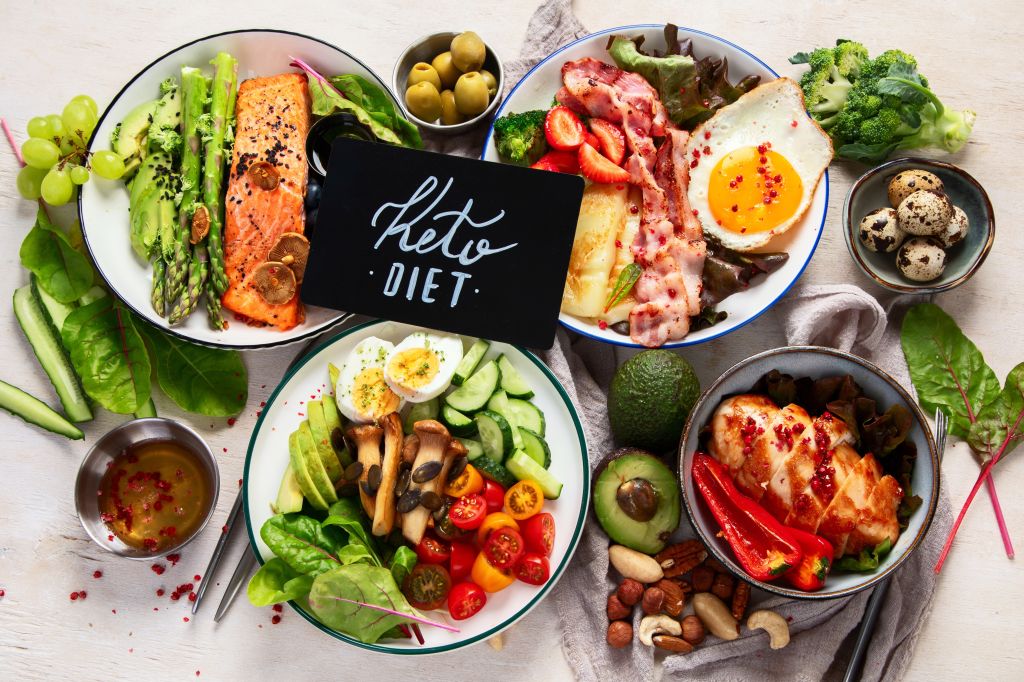
1. Adopt a Healthy Keto® diet
Following a Healthy Keto® diet can help prime your metabolism to become fat-adapted. This means your body learns to efficiently use stored fat and dietary fat as its primary fuel source instead of glucose.
Unlike fad diets that rely on packaged low-carb snacks, Healthy Keto focuses on nutritious whole foods rather than processed options, which often contain refined grains, seed oils, and artificial sweeteners that can contribute to weight gain.
Healthy Keto also emphasizes 7 to 10 cups of organic vegetables per day, high-quality protein intake from pasture-raised meat, dairy, eggs, or wild-caught fish, and plenty of healthy fats such as olive oil, avocado, grass-fed butter, and coconut oil.
By keeping carbohydrate intake to below 20 to 50 grams daily, insulin levels remain stable, allowing your liver to break down fat to generate energy.
Over time, this shift supports hormone balance, steady energy, mental clarity, and lasting fat loss without constant hunger or fatigue.
2. Practice intermittent fasting
Many people don’t realize that most snacks, even those that are low-carb, can disrupt fat burning, making snacking one of the biggest weight loss mistakes.
While seemingly healthy snacks may not spike blood sugar levels as much as candy or baked goods do, they still prompt an insulin response and temporarily shut off your body’s access to fat stores.
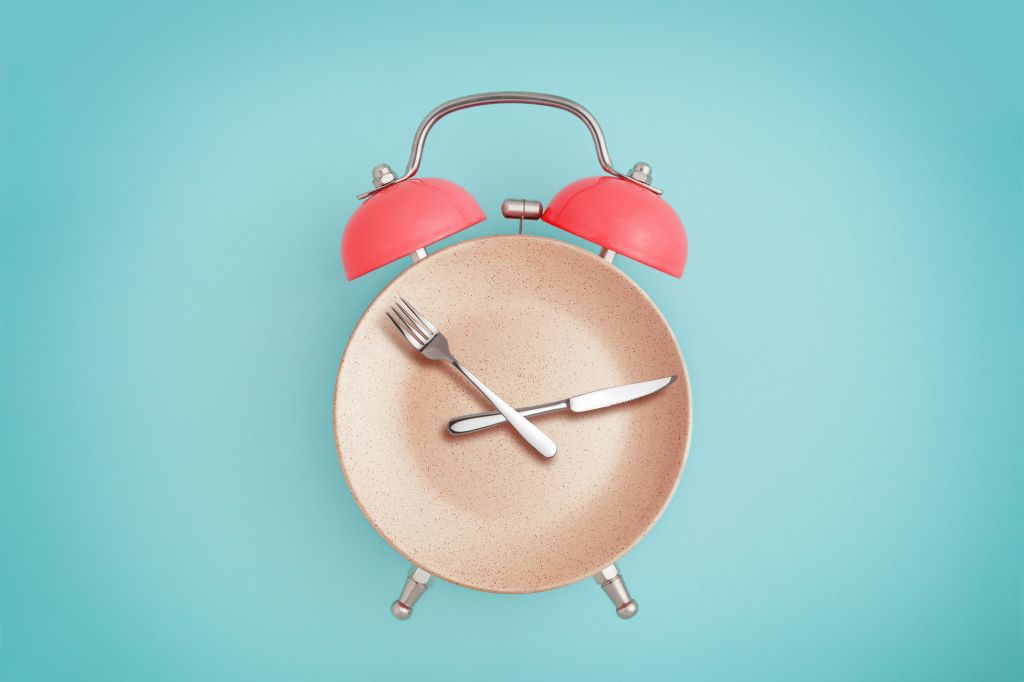
Intermittent fasting, which alternates between specific periods of eating and fasting, is one of the most effective natural ways to enhance fat burning by keeping insulin levels low, allowing your body to burn stored fat for a longer period.
One of the most popular fasting patterns is a 16:8 schedule, involving fasting for 16 hours and eating within an 8-hour window. Others prefer an 18:6 or 20:4 approach, gradually extending their fasting period as the body adapts.
If you’re new to fasting and find yourself feeling hungry or low on energy, consuming a small amount of pure fat, such as in bulletproof coffee, can help curb appetite without interrupting fat-burning.

3. Incorporate fat-burning exercises
Exercise can be a powerful way to burn more calories and promote rapid body weight loss. However, not all exercise enhances metabolic efficiency the same way.
To effectively lose body fat, preserve muscle mass, and prevent weight plateaus, it’s best to alternate aerobic exercise—such as brisk walking, cycling, or swimming—with high-intensity interval training (HIIT) or resistance training.
Both resistance strength training and HIIT-style workouts activate fast-twitch muscle fibers that stimulate the release of growth hormone—a powerful fat-burning and muscle-building hormone.
According to research published in Biomolecules, growth hormone offers several health benefits, including improved exercise performance, enhanced fat oxidation, increased muscle strength, and enhanced body composition.
Additionally, the researchers note that regular physical training “undeniably increases insulin sensitivity in healthy individuals and reverses aging-associated negative effects on insulin sensitivity,” underscoring how exercise supports both metabolic and hormonal health.
4. Prioritize rest and recovery
Rest and recovery are just as crucial for weight loss maintenance as exercise itself. Although it can be tempting to push yourself to extremes, it won’t necessarily help you achieve a healthy weight faster.
Overtraining can raise cortisol—the body’s primary stress hormone—which slows fat loss, breaks down muscle tissue, promotes abdominal fat storage, and increases cravings, especially when combined with poor sleep.
Ensure you’re getting quality sleep each night and aim to alternate heavy workouts with rest days and lighter movement, such as walking or stretching, to support muscle repair and hormonal balance.

Key takeaways
Understanding how to burn fat by improving your body’s metabolic efficiency is key to achieving and maintaining a healthy weight.
Balanced hormones are essential for promoting rapid weight loss, which can be achieved by adopting a Healthy Keto® lifestyle, practicing intermittent fasting, and effective stress management.
Combining aerobic activity with resistance workouts and HIIT helps increase energy expenditure, support insulin sensitivity, and release growth hormone, all of which support long-term weight management.
FAQ
- 1. What is the fastest way to burn fat naturally?
- 2. Does fasting help with fat burning?
- 3. What foods help your body burn more fat?
- 4. How can I tell if my body is burning fat?
- 5. How long does it take to see results?
- 6. What is the best weight loss plan for belly fat?
Sources
- https://www.nature.com/articles/s41467-023-37457-1
- Shanahan C. The energy model of insulin resistance: A unifying theory linking seed oils to metabolic disease and cancer. Front Nutr. 2025;12:1532961. https://pmc.ncbi.nlm.nih.gov/articles/PMC12105547/
- https://www.mdpi.com/2218-273X/14/11/1418
Related Articles
-
Net Carbs vs. Total Carbs: Which Should You Track?
 Diet
DietNet Carbs vs. Total Carbs: Which Should You Track?
At a glance Tracking total carbs is simpler and more consistent for supporting metabolic health and maintaining ketosis. Net carbs can help expand food choices, but they can also backfire…07/23/2026 -
How to Break a Weight Loss Plateau: 9 Simple Ways
 Keto
KetoHow to Break a Weight Loss Plateau: 9 Simple Ways
At a glance Weight loss plateaus typically occur when the body adapts to dietary and lifestyle changes, resulting in reduced energy requirements. Factors such as insulin resistance, poor sleep, and…05/08/2026 -
Why You’re Not Losing Belly Fat on Keto
 Diet
DietWhy You’re Not Losing Belly Fat on Keto
At a glance Shedding stubborn belly fat may require more than cutting carbs. Insulin levels, stress hormones, liver function, and muscle mass all influence how efficiently your body can access…02/20/2026 13k views -
12 Fat-Burning Foods To Accelerate Weight Loss
 Weight loss
12 Fat-Burning Foods To Accelerate Weight Loss
At a glance Certain foods can support fat loss by promoting satiety, stabilizing blood sugar, and enhancing metabolic health. Eating nutrient-dense options such as oily fish, grass-fed beef, leafy greens,…01/22/2026 18.1k views -
10 Keto Zucchini Recipes You Must Try – Low-Carb & Gluten-free
 Keto
Keto10 Keto Zucchini Recipes You Must Try – Low-Carb & Gluten-free
At a glance Zucchini is a low-carb, nutrient-rich ingredient that’s perfect for a health-focused keto diet. It provides dietary fiber, vitamin C, potassium, and antioxidants, and can be used as…01/16/2026 1.9k views -
Red Meat: Benefits and Disadvantages Explained
 Nutrition
Red Meat: Benefits and Disadvantages Explained
At a glance Red meat offers essential nutrients such as protein, iron, zinc, and B vitamins that support muscle repair, energy metabolism, and brain health. However, nutritional quality varies widely,…01/08/2026 7.5k views -
Why You’re Not Losing Weight on Keto
 Diet
DietWhy You’re Not Losing Weight on Keto
At a glance Ketosis is a metabolic state where the body shifts from using carbohydrates to burning fat for energy. It occurs when carbohydrate intake drops low enough for the…12/12/2025 7.6k views -
9 Fast Fat-Burning Methods That Actually Work
 Diet
Diet9 Fast Fat-Burning Methods That Actually Work
At a glance Eating habits strongly influence whether your body enters fat-burning mode by shifting how it produces energy. When carbohydrate intake stays low, blood glucose levels fall, allowing the…12/12/2025 23.3k views -
11 High-Calorie, Low-Carb Foods
 Diet
Diet11 High-Calorie, Low-Carb Foods
At a glance High-calorie, low-carb foods can help you gain weight and build muscle without relying on high-carb meals that may contribute to insulin resistance and low energy. Emphasizing healthy…12/05/2025 -
The 4 Best Exercises to Lose Weight
 Diet
DietThe 4 Best Exercises to Lose Weight
At a glance The best exercises for weight loss support hormone balance, encourage metabolic flexibility, and build lean muscle to support ongoing fat burning. Pairing strategic movement and proper recovery…10/24/2025


