


At a glance
Understanding how to stop cravings begins with identifying what triggers them. Blood sugar swings, insulin resistance, nutrient deficiencies, and gut imbalances can all contribute to persistent hunger and make certain foods seem irresistible. Targeted dietary and lifestyle adjustments can help support stable blood glucose and significantly improve satiety, helping you to regain control over your food choices as metabolic balance improves.
Cravings for processed foods, sugar, or salty snacks can signal metabolic imbalances or nutrient deficiencies, leaving you fatigued and hungry throughout the day.
Fortunately, adopting simple dietary habits can help maintain balanced blood sugar levels, which is key to supporting a healthy weight and overall well-being.
Here’s how to stop cravings with balanced meals, simple lifestyle adjustments, and satisfying sugar-free alternatives.
What causes cravings?
Many people assume that cravings are a matter of habit or lack of willpower. However, several hormonal and metabolic factors play a significant role in regulating hunger and satiety.
Here are four primary causes of food cravings.
1. Blood sugar fluctuations
High-carb, sugary foods cause blood glucose to rise rapidly, which prompts the pancreas to release insulin, a ketogenic metabolic hormone that regulates blood sugar levels.
Because insulin signals cells to absorb glucose, these rapid spikes and drops in blood sugar can trigger powerful cravings for quick-digesting carbohydrates to restore energy and stabilize blood sugar levels.
2. Insulin resistance
A high-carb diet and frequent snacking, even on seemingly healthy foods, keep blood sugar and insulin levels elevated, reducing cells’ sensitivity to insulin over time.
This can lead to insulin resistance, a serious metabolic condition in which cells can’t effectively absorb glucose for energy.
Because cells are no longer responding to insulin’s signals, the body struggles to regulate blood sugar. This can cause energy crashes, increased cravings for energy-dense foods, and a cycle of overeating that further worsens insulin resistance.
3. Nutrient deficiencies
Nutritional deficiencies may trigger hunger and cravings as the body attempts to restore depleted nutrient stores.
For example, low magnesium levels can cause chocolate or sugar cravings. B vitamin deficiencies may increase the desire for refined carbohydrates, while a lack of zinc or electrolyte minerals can increase cravings for salty snacks.
4. Poor gut health
An imbalance of gut bacteria, known as dysbiosis, can also exacerbate cravings by disrupting the gut-brain axis, a bidirectional communication network that influences hunger and cravings.
Dysbiosis can influence hormones such as ghrelin and leptin, which regulate hunger and fullness, as well as serotonin and dopamine, the brain’s feel-good neurotransmitters.
These changes often lead to cravings for sugar and refined carbohydrates, which feed unfriendly bacteria and further worsen gut microbiome imbalances, creating a cycle of cravings and digestive issues.
Watch the video below to learn how to stop your cravings.
9 strategies to stop cravings
Managing cravings is crucial to supporting weight loss, improving metabolic health, and promoting overall well-being.
Here are nine effective strategies to help you gain better control over your eating habits.
1. Eat more healthy fat
Healthy fats, such as those found in avocados, olive oil, coconut oil, nuts, and seeds, help reduce cravings by slowing digestion and buffering the blood sugar response to consuming carbohydrate-rich foods.
A study published in Nutrients found that meals containing a half or whole avocado increased feelings of fullness for up to six hours compared to a high-carb meal.
2. Practice intermittent fasting
Intermittent fasting (IF) involves time-restricted periods of eating and fasting, and may help control cravings by stabilizing blood sugar and insulin levels.
Fasting also switches the metabolism from using glucose as a fuel source to tapping into stored body fat, which offers a more readily available and steady source of energy.
“Intermittent fasting can be a great tool for weight loss and cravings,” explains Dr. Berg. “When combined with a low-carb, high-fat diet like keto, fasting helps reduce the body’s carbohydrate dependence.”
3. Avoid sugars and refined carbohydrates
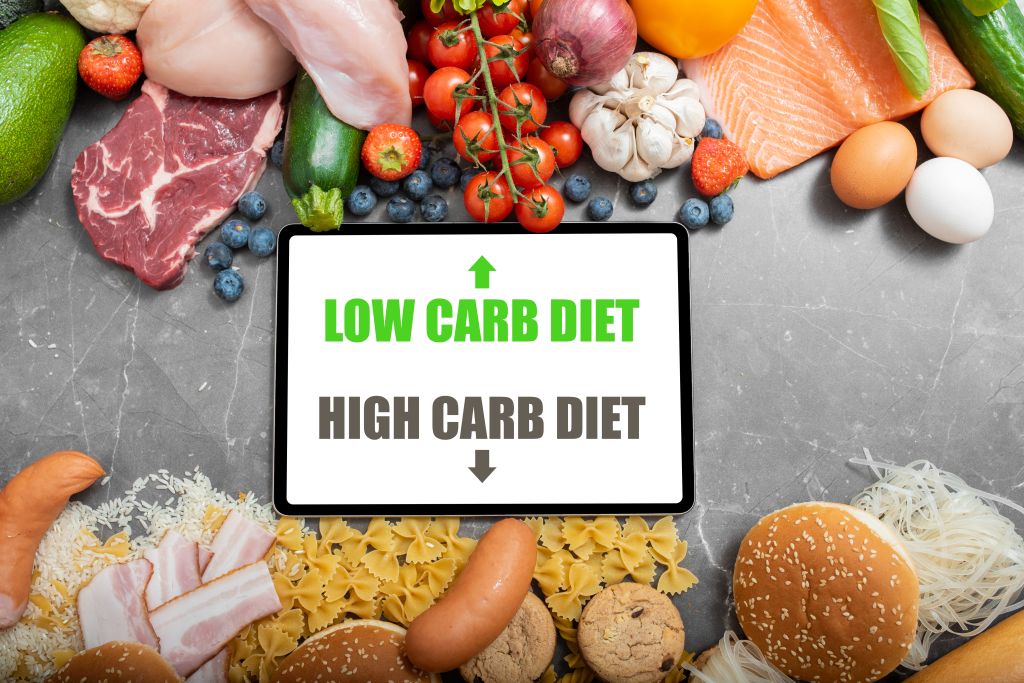
Sugars and refined carbohydrates, such as pasta, bread, cereal, and crackers, are quickly digested, leading to rapid fluctuations in blood sugar that trigger hunger and cravings.
Removing these carbohydrate sources from your diet can help prevent blood sugar swings, maintain steady energy levels, and make it easier to control your appetite.
4. Eat dark chocolate
Dark chocolate contains healthy fats and polyphenols, which are natural plant compounds that may help reduce ghrelin and increase leptin sensitivity, helping to curb cravings and support feelings of fullness.
However, it’s best to opt for dark chocolate with a cocoa content of 90 percent or higher to satisfy sweet cravings without significantly affecting blood sugar levels.
5. Incorporate cayenne pepper
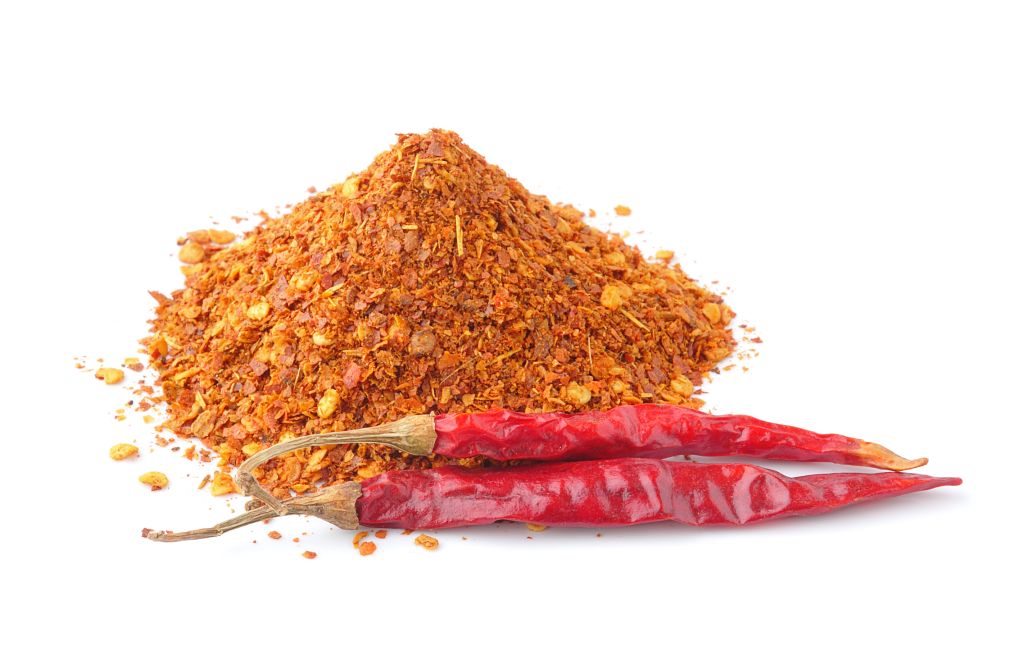
Capsaicin, a bioactive compound found in cayenne pepper, may reduce cravings for high-calorie foods by inducing thermogenesis, which is the process by which the body burns calories to produce heat.
This effect has been shown to temporarily increase metabolic rate and play a role in appetite control.
A study published in Food Quality and Preference found that cayenne pepper-spiced soup decreased the desire to continue eating, increased satiation, and lowered appetite one hour after the meal.
6. Sip bone broth
Bone broth is a rich source of protein, collagen, gelatin, and electrolytes, such as potassium and sodium, that support stable blood sugar levels, enhance satiety, and promote hydration.
In addition, collagen and gelatin also help strengthen the gut lining. This optimizes digestion, nutrient absorption, and microbiome health associated with better metabolic health and fewer cravings.
A study published in Clinical Nutrition Open Science noted significant weight loss, hunger suppression, and decreased cravings in obese adults following a bone broth fasting diet.
7. Choose high-fat protein sources
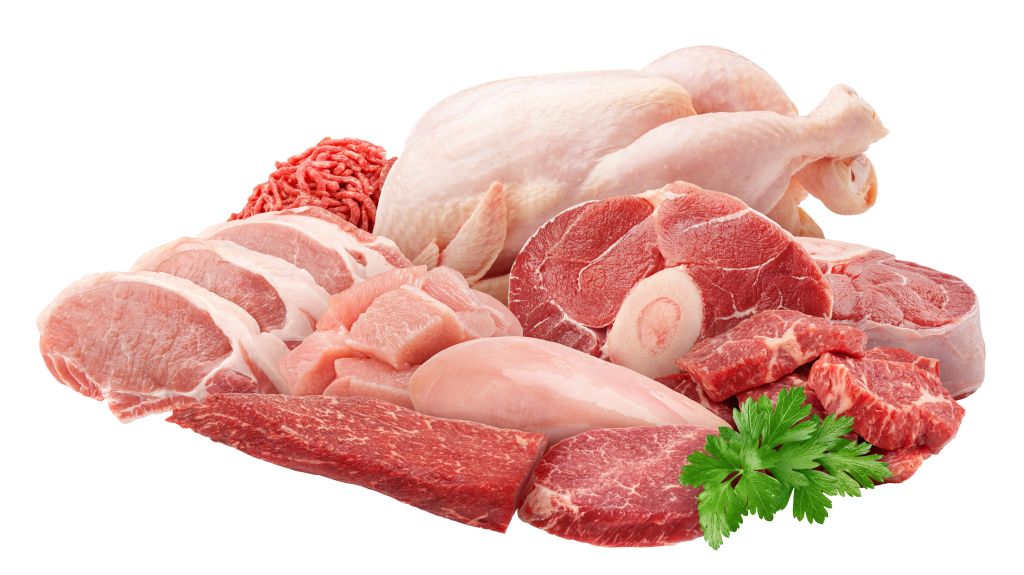
Fatty proteins, such as those found in grass-fed beef, wild-caught fish, and chicken with skin, are rich in amino acids and healthy fats that slow digestive processes, promote feelings of fullness, and support the production of appetite-regulating hormones.
In contrast, lean protein can trigger a metabolic process called gluconeogenesis, in which excess protein is converted into glucose in the absence of sufficient carbohydrates. This explains why a low-fat diet can contribute to blood sugar imbalances and cravings.
8. Increase fiber intake
Dietary fiber from dark leafy greens and other non-starchy vegetables can help reduce food cravings and support weight management by slowing digestion, modulating hunger signals, and promoting a sense of fullness.
A study published in Critical Reviews in Food Science and Nutrition found that “A number of mechanical and endocrine signals from the gastrointestinal tract are stimulated by fibers and their fermentation products, reach regions of the brain involved in the regulation of appetite, and ultimately reduce food intake.”
9. Use sugar alternatives
Unlike sugar, which triggers glucose spikes and contributes to cravings, certain natural sweeteners, such as stevia, erythritol, and monk fruit, have little to no effect on blood glucose or insulin.
These sugar alternatives can help satisfy cravings for a particular food without disrupting metabolic balance and can be used for baking, cooking, or making sugar-free beverages.
On low-carb diets, stevia, monk fruit, or erythritol are often added to keto fat bombs to help lose weight while satisfying a sweet tooth and controlling appetite.

How long does it take to stop cravings?
Those following a high-fat, low-carbohydrate ketogenic diet often notice a significant reduction in cravings within several days to a week.
This occurs as their body transitions from using glucose as a fuel to breaking down fats to generate energy, which is known as the metabolic state of fat burning.
As blood sugar and insulin levels stabilize, the brain increasingly uses ketones—an energy source derived from fat—reducing cravings for fast-digesting carbohydrates.
However, individuals with insulin resistance or those transitioning from a high-carbohydrate or ultra-processed diet may experience cravings for several weeks as their bodies and brain gradually adapt to using fat as the primary fuel source and restore balanced hunger signaling.
Key takeaways
- Knowing how to stop cravings is essential for maintaining stable energy, a healthy weight, and a balanced mood.
- Removing sugars and refined carbohydrates helps prevent rapid glucose spikes that fuel ongoing cravings for comfort food.
- Healthy fats, intermittent fasting, high-fat protein sources, and fiber-rich vegetables promote satiety and help stabilize energy levels.
- Bone broth, cayenne pepper, dark chocolate, and natural sweeteners such as stevia or monk fruit can help curb cravings without disrupting metabolic balance.
- Most people notice fewer cravings within days on a nutrient-dense ketogenic diet, though those with insulin resistance may need more time as their metabolism adjusts.
FAQ
- 1. How do you make cravings go away?
- 2. Why am I hungry all of the time?
- 3. How do you stop carb and sugar cravings?
- 4. Can cravings mean I’m deficient in something?
- 5. What should I eat if I crave sugar?
Sources
- Zhu L, Huang Y, Edirisinghe I, Park E, Burton-Freeman B. Using the Avocado to Test the Satiety Effects of a Fat-Fiber Combination in Place of Carbohydrate Energy in a Breakfast Meal in Overweight and Obese Men and Women: A Randomized Clinical Trial. Nutrients. 2019;11(5):952. https://pmc.ncbi.nlm.nih.gov/articles/PMC6567160/
- https://www.sciencedirect.com/science/article/
- https://www.sciencedirect.com/science/article/
- Akhlaghi M. The role of dietary fibers in regulating appetite, an overview of mechanisms and weight consequences. Crit Rev Food Sci Nutr. 2024;64(10):3139-3150. https://pubmed.ncbi.nlm.nih.gov/36193993/
Related Articles
-
Net Carbs: How to Calculate Them and When It Matters
 Diet
DietNet Carbs: How to Calculate Them and When It Matters
At a glance Knowing how to calculate net carbs can be an excellent tool to increase healthy carb intake while staying in ketosis. Many ultra-processed foods have low net carbs…06/19/2026 -
How to Break a Weight Loss Plateau: 9 Simple Ways
 Keto
KetoHow to Break a Weight Loss Plateau: 9 Simple Ways
At a glance Weight loss plateaus typically occur when the body adapts to dietary and lifestyle changes, resulting in reduced energy requirements. Factors such as insulin resistance, poor sleep, and…05/08/2026 -
Keto on a Budget: Tips and Foods to Eat
 Diet
DietKeto on a Budget: Tips and Foods to Eat
At a glance A ketogenic diet can be maintained using simple, affordable whole foods rather than expensive specialty products. Prioritizing versatile ingredients and planning meals strategically can help reduce grocery…04/24/2026 -
Muscle Twitching on Keto: Causes and What to Do
 Diet
DietMuscle Twitching on Keto: Causes and What to Do
At a glance Muscle twitching is common when first starting keto and is often linked to shifts in fluid balance, electrolyte minerals, and digestive function as insulin levels remain steady.…03/19/2026 22.3k views -
Why You’re Not Losing Belly Fat on Keto
 Diet
DietWhy You’re Not Losing Belly Fat on Keto
At a glance Shedding stubborn belly fat may require more than cutting carbs. Insulin levels, stress hormones, liver function, and muscle mass all influence how efficiently your body can access…02/20/2026 13k views -
Keto Poop: How Keto Can Change Your Stool and Why
 Diet
DietKeto Poop: How Keto Can Change Your Stool and Why
At a glance Starting a ketogenic diet can alter stool consistency, frequency, and appearance, often referred to as keto poop. These effects are common and typically indicate that the digestive…02/06/2026 26.2k views -
Foods to Avoid on Keto – Foods That Stop Ketosis
 Diet
DietFoods to Avoid on Keto – Foods That Stop Ketosis
At a glance Many seemingly healthy foods can disrupt ketosis, and even low-carb options may contain ingredients that raise blood sugar, contribute to inflammation, or stall fat burning. Learning to…11/04/2025 25.6k views -
What Is Keto Rash?
 Diet
DietWhat Is Keto Rash?
At a glance Keto rash is an uncommon but temporary skin change that can appear as the body transitions into ketosis. Supporting digestion, easing into ketosis, and adjusting dietary habits…04/09/2025 73.4k views -
How to Get Back on Track after a Keto Cheat Day
 Diet
DietHow to Get Back on Track after a Keto Cheat Day
At a glance Keto cheat days can disrupt metabolic balance and may shift the body out of fat-burning mode for an extended period, depending on how your metabolism responds. While…04/09/2025 52.9k views -
Keto Cycling: Smart Strategy or Setback?
 Keto
KetoKeto Cycling: Smart Strategy or Setback?
At a glance Keto cycling alternates between low-carb and high-carb days, offering some flexibility within the ketogenic diet. While this approach may seem convenient, keto cycling disrupts ketosis, hinders fat…04/09/2025 12.1k views


