

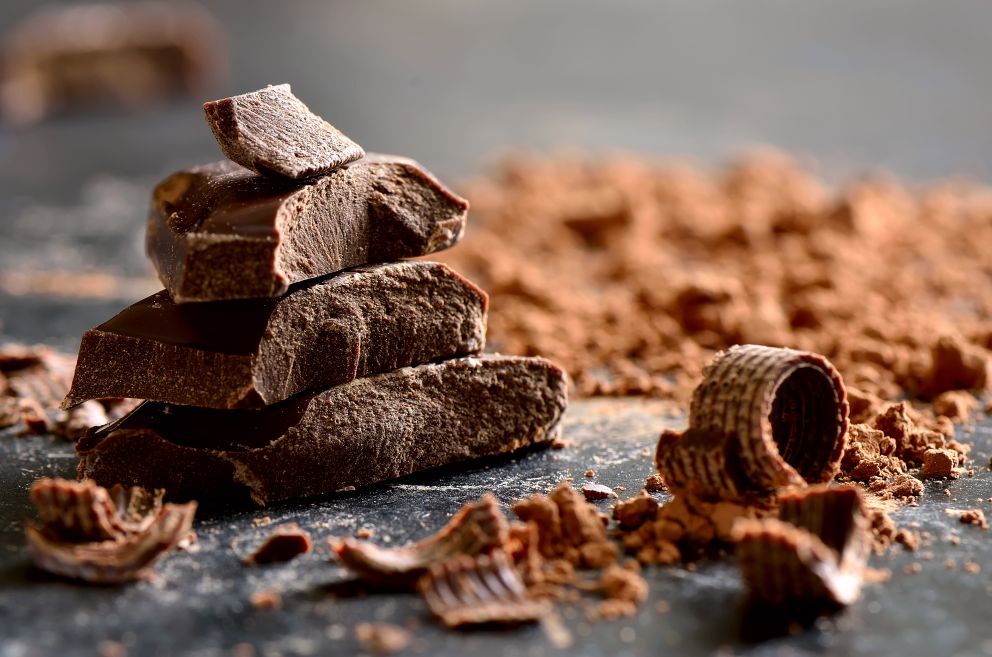
At a glance
Chocolate has varying amounts of caffeine, depending on how many cocoa solids it contains. Dark chocolate has the highest caffeine content, while milk chocolate contains much less, and white chocolate has none. Although chocolate provides far less caffeine than coffee, excessive intake can still contribute to sleep issues in sensitive individuals.
Chocolate is an all-time favorite sweet treat enjoyed by people of all ages, but does chocolate have caffeine?
Yes, chocolate, especially dark chocolate, contains some caffeine, but not enough to provide the same caffeine boost as coffee.
Learn which types of chocolate have the highest caffeine levels and discover how to choose a healthy chocolate to enjoy a guilt-free indulgence.
Does chocolate have caffeine?
Yes, certain types of chocolate contain caffeine. However, the caffeine content of chocolate depends on which part of the cocoa bean is used and how the chocolate has been processed.
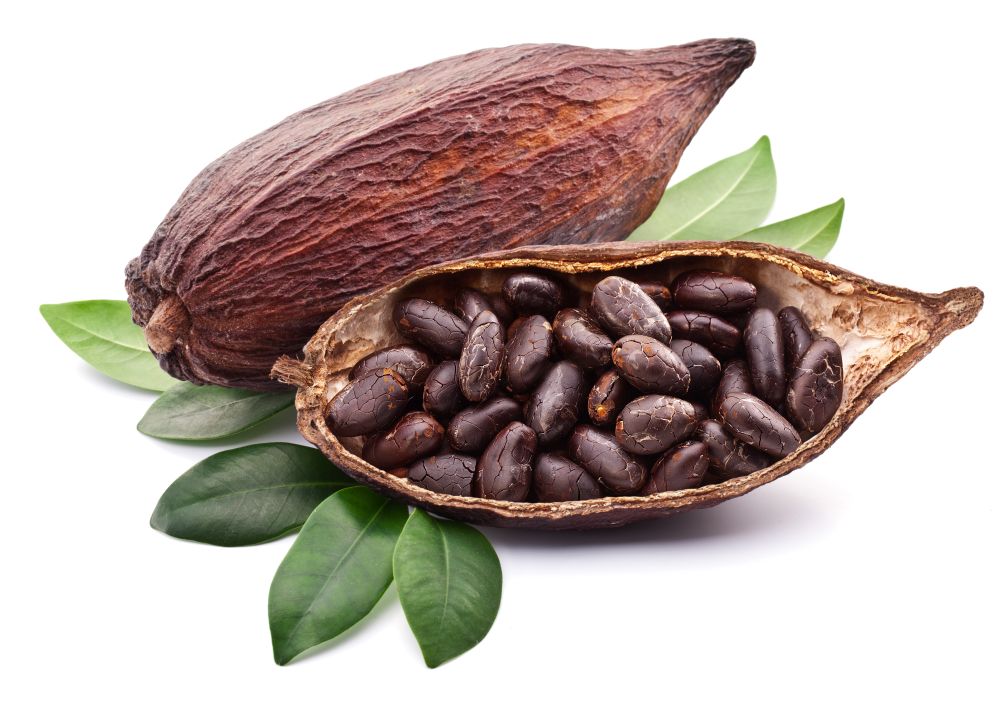
The chocolate-making process begins by harvesting cocoa beans from cacao trees. Cocoa beans undergo drying and roasting, and then are ground and separated into cocoa solids and cocoa butter, which can be processed into different types of chocolate.
Cocoa solids naturally contain some caffeine, whereas cocoa butter has zero caffeine. The amount of caffeine contained in chocolate depends on the ratio of cocoa solids to cocoa butter.
Dark chocolate contains more cocoa solids than milk chocolate, which explains why dark chocolate tends to have the highest amount of caffeine, and white chocolate made with only cocoa butter and milk powder contains no caffeine.
Watch the video below to learn more about the caffeine content in chocolate.
How much caffeine is in chocolate?
The precise caffeine content in chocolate is influenced by the type of cocoa bean used, the concentrations of cocoa solids present in the chocolate, and the processing technique employed.
Here’s the caffeine content of different types of chocolate per one ounce (28-gram) serving:
- Dark chocolate with 85 percent cocoa solids: 22 mg
- Dark chocolate with 45 percent cocoa solids: 12 mg
- Unsweetened baking chocolate: 23 mg
- Milk chocolate: 6 mg
- White chocolate: 0 mg
The caffeine content of chocolate, even dark chocolate, is relatively low compared to freshly brewed coffee, which typically contains between 80 and 100 mg of caffeine per cup.
Possible side effects of chocolate
Eating chocolate in moderation doesn’t tend to have significant side effects.
However, excessive intake of dark chocolate can cause caffeine-related sleep issues and restlessness, and some caffeine-sensitive individuals can develop migraine headaches after consuming chocolate.
Many chocolate products are high in sugar, which contributes to weight gain, tooth decay, and an increased risk of insulin resistance and diabetes.
In addition, individuals with sensitive digestive tracts can experience acid reflux, bloating, or abdominal pain after eating chocolate with a high cocoa content.

What is the healthiest chocolate?
Research published in Foods suggests that many of chocolate’s health benefits are attributed to its high concentrations of antioxidants and flavonoids, which are predominantly found in cocoa solids, making dark chocolate a significantly better choice than white or milk chocolate.
It’s also crucial to avoid chocolate products containing sugars, preservatives, artificial colorings, and flavorings, which can contribute to weight gain, food sensitivities, poor liver function, and inflammation.
Opt for minimally processed chocolate made with natural ingredients and sweetened with sugar alternatives such as monk fruit, stevia, or erythritol.
Health benefits of dark chocolate
Not only is chocolate a delicious treat, but regularly consuming moderate amounts of dark chocolate can positively affect your health and well-being.
Here are three health benefits of dark chocolate.
1. May help lower inflammation
Cocoa contains various anti-inflammatory polyphenols, and eating dark chocolate may help lower chronic inflammation, which is a leading factor in the development of many health conditions.
This has been confirmed by a study published in Current Research in Food Science, summarizing, “Polyphenols are a main component in dark chocolate linked to a lower risk of various inflammatory diseases, high blood pressure, and atherosclerosis.”
2. Supports brain function
Chocolate consumption triggers the release of endorphins and stimulates serotonin production, a neurotransmitter that regulates moods, making chocolate a natural mood elevator.
“Chocolate contains theobromine, a potent vasodilator that widens blood vessels and increases blood flow,” explains Dr. Berg. “This promotes the transport of oxygen and nutrients to brain tissue, linked to better brain health, mental clarity, and focus.”
3. Promotes heart health
Cocoa is a rich source of anti-inflammatory polyphenols and blood-pressure-lowering theobromine, which work together to promote vascular health and lower the risk of atherosclerosis, a leading cause of heart attacks and stroke.

Who should avoid chocolate?
Individuals sensitive to caffeine and those who limit caffeine intake due to an irregular heart rhythm, coronary artery disease, or high blood pressure should avoid dark chocolate.
It’s recommended that pregnant and breastfeeding mothers limit caffeine intake to no more than 200 mg per day. Therefore, it’s crucial to consider the additional caffeine intake from dark chocolate to avoid exceeding recommended limits during pregnancy and lactation.
In addition, those with insomnia may benefit from avoiding dark chocolate as it contains both caffeine and theobromine, two naturally occurring stimulants that can exacerbate sleep issues.
Key takeaways
- Cocoa solids contain caffeine, which explains why dark chocolate contains the highest caffeine levels and white chocolate has none.
- Even though dark chocolate contains the highest amounts of caffeine, it’s far less than that found in coffee or tea.
- Excessive chocolate intake may contribute to sleep issues, migraines, digestive discomfort, and weight gain.
- Dark chocolate offers the most antioxidants and flavonoids, while highly processed chocolates are less beneficial.
- Individuals sensitive to caffeine or managing certain health conditions may need to limit or avoid dark chocolate.
FAQ
- 1. Does chocolate contain caffeine?
- 2. How much caffeine is in one serving of chocolate?
- 3. Which has more caffeine, coffee or chocolate?
- 4. Can you eat chocolate if you don’t have caffeine?
- 5. Can the caffeine in chocolate keep you up at night?
- 6. What kind of chocolate has the most caffeine?
- 7. Does hot chocolate have caffeine?
Sources
Related Articles
-
Folic Acid vs. Folate: What’s the Difference?
 Nutrition
Folic Acid vs. Folate: What’s the Difference?
At a glance Folic acid and folate are two forms of vitamin B9 that differ in how the body absorbs and uses them. Folic acid is a synthetic form added…03/12/2026 2.3k views -
3 Incredible Health Benefits of Paprika
 Natural remedies
3 Incredible Health Benefits of Paprika
At a glance Paprika is a vibrant red spice derived from dried peppers that supports eye health, strengthens the immune system, and helps lower inflammation. In addition to its impressive…01/30/2026 9.5k views -
5 Amazing Lemon Peel Benefits
 Natural remedies
5 Amazing Lemon Peel Benefits
At a glance Lemon peel is a concentrated source of vitamins, minerals, and bioflavonoids that support liver, metabolic, and cardiovascular health. Because it's rich in compounds such as eriocitrin and…01/29/2026 54.9k views -
7 Incredible Dandelion Root Benefits
 Natural remedies
7 Incredible Dandelion Root Benefits
At a glance Despite being a weed, the roots of dandelions are a nutrient-rich herbal remedy with a long history of use in traditional medicine. Packed with vitamins, minerals, and…01/22/2026 28.5k views -
3 Unique Benefits of Rosemary
 Nutrition
3 Unique Benefits of Rosemary
At a glance Rosemary is a fragrant, nutrient-rich herb with potent antioxidant and anti-inflammatory compounds such as rosmarinic acid and carnosic acid. It supports cognitive function, helps relieve pain, and…01/22/2026 4.5k views -
4 Unique Health Benefits of Mustard
 Food and Drink
4 Unique Health Benefits of Mustard
At a glance Mustard is a low-calorie condiment made from nutrient-dense seeds that contain health-promoting compounds. As a member of the cruciferous vegetable family, mustard is a rich source of…01/15/2026 7.8k views -
9 Incredible Health Benefits of Cucumber
 Food and Drink
9 Incredible Health Benefits of Cucumber
At a glance Cucumbers are low-calorie, nutrient-rich vegetables that support hydration and overall health. Packed with vitamins, minerals, antioxidants, and fiber, they promote digestive health, healthy blood sugar, and glowing…01/15/2026 8.9k views -
Cilantro Benefits – 8 Reasons to Eat More Cilantro
 Health concerns
Cilantro Benefits – 8 Reasons to Eat More Cilantro
At a glance Cilantro is an aromatic herb rich in antioxidants, vitamins, and bioactive compounds that have been found to support multiple aspects of health. Regularly consuming cilantro may help…01/08/2026 5.6k views -
5 Amazing Health Benefits of Ginger
 Health concerns
5 Amazing Health Benefits of Ginger
At a glance Ginger is a nutrient-dense spice rich in potent phenolic compounds that support inflammation control, digestive comfort, and immune resilience. Incorporating ginger into your meals can also ease…12/18/2025 7.1k views -
Wormwood Benefits, Uses, and Side Effects
 Natural remedies
Wormwood Benefits, Uses, and Side Effects
At a glance Wormwood is a bitter medicinal herb traditionally used to support digestion, gallbladder function, and skin healing through its bioactive plant compounds. It also plays a role in…12/11/2025 6.3k views