

At a glance
Bread is high in carbohydrates, and frequent blood sugar spikes from grain-based foods can promote insulin resistance, a major driver of weight gain. Avoiding bread and other carb-rich foods supports better metabolic balance, which plays a vital role in effective weight management.
Bread is a staple in most diets, and whole wheat varieties are often associated with health benefits. But is it actually good for you, or does bread make you fat and unhealthy?
Although it’s possible to lose weight while eating bread in a significant calorie deficit, grain-based breads are high in carbohydrates, which impair metabolic balance and contribute to weight gain.
Discover why bread can inhibit weight loss and explore the benefits of consuming grain-free breads.
Does bread make you fat?
It’s possible to eat bread and lose weight while maintaining a significant calorie deficit, which involves burning more calories than you consume.
However, those with a slow metabolism may find that consuming high-carb foods like bread can slow down or inhibit weight loss efforts.
In addition, dietary carbohydrate intake causes blood sugar spikes, prompting the release of insulin to regulate the body’s glucose levels.
Over time, frequent insulin surges can lead to insulin resistance, where cells become less responsive to insulin signaling. This means more sugar stays in the blood, and the body responds by storing it as fat, which explains why a high-carbohydrate diet can lead to weight gain.
“Even though bread is low in fat, it’s metabolized into glucose and converted into fatty acids if it isn’t immediately needed for energy production,” explains Dr. Berg.
Watch the video below to learn more about why you should avoid bread.
6 benefits of avoiding grains
The Whole Grains Council recommends consuming six servings of grains daily to support heart health, boost fiber intake, and reduce overall disease risk.
However, a diet high in grains is linked to digestive issues, hypoglycemia, and insulin resistance, which is the leading cause of obesity, metabolic syndrome, and diabetes.
Here are six benefits of removing grains from your diet.
1. Improved gut health
Grain-based products such as wheat, rye, spelt, or sourdough bread contain gluten, a protein linked to sensitivities, gut inflammation, and autoimmune conditions, including celiac disease.
Research published in the World Journal of Gastroenterology found that six percent of the U.S. population, or approximately 21 million people, have gluten sensitivity, leaving them at risk of adverse health effects if they consume grain-based breads.
Gluten is one of the few proteins humans cannot digest, which explains why it’s a common trigger of intestinal inflammation, bloating, abdominal pain, and distension.
Avoiding bread can reduce gut inflammation and improve overall digestive health, and is especially critical for individuals with gluten sensitivity, celiac disease, or irritable bowel syndrome (IBS).
2. Enhanced nutrient absorption
Wheat bread is often labeled as a nutrient-dense food packed with heart-healthy nutrients.
However, whole wheat contains phytic acid, an antinutrient that binds to minerals such as zinc, iron, magnesium, manganese, and copper. This mineral binding inhibits nutrient absorption, negating any potential health benefits of wheat.
This also means that consuming bread with a meal can potentially reduce the absorption of minerals from other nutrient-rich foods.
Eliminating grains can enhance the absorption of essential vitamins and minerals, supporting overall health and well-being.
3. Better glycemic control
The glycemic index is a measure of how quickly a specific food can raise blood sugar levels.
Bread and grains, such as white rice and wheat flour, have a high glycemic index, indicating that they trigger rapid blood sugar elevations and insulin release linked to an increased risk of insulin resistance and diabetes.
In addition, frequent blood sugar fluctuations are linked to mood swings, energy crashes, inflammation, hormonal imbalances, and heart disease.
A study published in Nutrients found that “A low-carb diet can improve blood glucose more than a low-fat diet in Chinese patients with [type 2 diabetes mellitus] and helps regulate blood lipids, reduces BMI, and decreases insulin dose in patients.”
This suggests that limiting grain intake is an excellent dietary strategy for stabilizing blood sugar levels, enhancing glycemic control, and reducing the risk of metabolic and cardiovascular diseases.
4. Increased insulin sensitivity
Following a high-carb diet can cause chronically elevated blood sugar levels, prompting the body to release insulin continuously. Over time, this constant demand for insulin significantly contributes to the development of insulin resistance.
Insulin resistance is a key factor in several metabolic conditions, including diabetes, polycystic ovarian syndrome (PCOS), and non-alcoholic fatty liver disease (NAFLD). It also plays a role in persistent weight gain, making it particularly challenging to lose belly fat.
Reducing bread and grain consumption can help stabilize blood sugar levels and reduce insulin spikes, gradually improving cellular insulin sensitivity. This not only makes weight loss easier but also lowers the risk of obesity-related diseases.

5. Sharper focus and mental clarity
The gut and the brain are connected by a complex network of neural, hormonal, and immune signals known as the gut-brain axis.
Sensitivities to gluten or grains are linked to gut inflammation and potentially disrupt the microbiome, negatively affecting gut-brain signaling. This can contribute to poor cognitive function, including brain fog, mood swings, anxiety, and depression.
Those who experience low moods or have trouble concentrating may find that a grain-free diet improves mental clarity and promotes emotional stability, better focus, and overall cognitive function.
6. Reduced pesticide exposure
Eating fewer grains and grain-based products can reduce your exposure to potentially harmful pesticides.
Glyphosate is a chemical herbicide commonly used to treat wheat and other grain crops to control weeds and promote desiccation, which removes moisture from the plants for quicker harvesting.
Despite its widespread use in U.S. agriculture, glyphosate is a toxin banned in 28 countries due to its carcinogenic effects. It has also been associated with endocrine disruption, developmental issues, organ damage, metabolic disorders, and neuronal degeneration.
Research published in the International Journal of Molecular Sciences found that glyphosate had a significantly toxic effect on the nervous system, triggering neuronal death, abnormal cell development, and neuroinflammation in the brain.
How to go grain-free
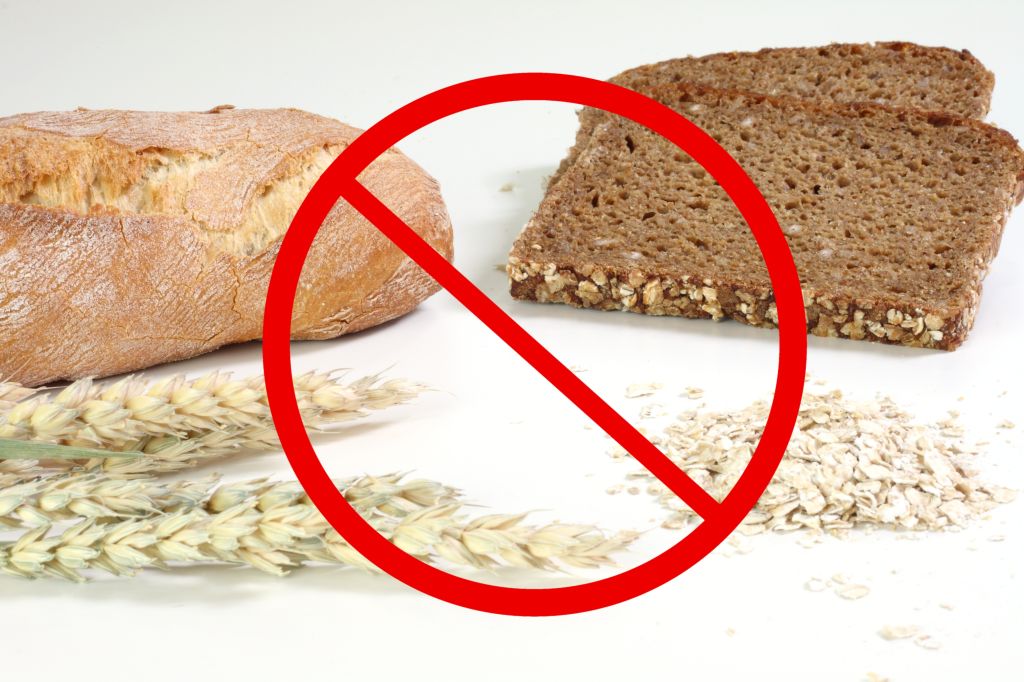
A nutrient-dense ketogenic diet, such as Healthy Keto®, can help support weight management by eliminating grains, processed foods, and sugar.
Healthy Keto is a low-carb, high-fat diet that involves reducing carbohydrate intake to between 20 and 50 grams of net carbs daily.
Limiting carbohydrates pushes the body to utilize fats instead of glucose as a fuel source. This metabolic state, known as ketosis, is associated with various health benefits, including weight loss, better metabolic health, improved energy levels, and enhanced cognitive functions.
Healthy Keto advocates the consumption of seven to ten cups of leafy green vegetables and three to six ounces of high-quality protein per meal. Around 70 percent of your daily caloric needs should come from healthy fats such as olive oil, avocados, oily fish, or grass-fed butter.
In addition, it’s crucial to avoid carbohydrate-rich foods such as:
- Bread and pastries
- Cereal and oats
- Cookies
- Corn
- Pasta
- Pizza
- Rice
- Sugar
However, you can still consume some of your favorite foods while phasing grains from your diet by switching to naturally grain-free starches and flour. These include ground chia and flax seeds, and arrowroot starch, as well as almond, einkorn, psyllium husk, or coconut flour.

Grain-free bread recipes
Starting a grain-free diet can be challenging for those who regularly eat bread. Fortunately, there are many alternative bread options that can support weight loss.
Here are four delicious grain-free bread recipes.
1. Healthiest Bread in the World
This Healthiest Bread In The World recipe uses alternative flours, including almond, arrowroot, and coconut flour, making it an excellent choice for those starting a grain-free diet.
Active dry yeast helps leaven the dough, and an egg wash crisps the outside, giving this low-carb bread a crunchy and soft texture.
2. Keto Yeast Bread
This Keto Yeast Bread is packed with protein and offers a mildly sweet, nutty flavor and golden brown crust, perfect for low-carb sandwiches, grilled cheese, or egg toast.

3. Keto Bread Rolls
Keto Bread Rolls are the perfect addition to your favorite keto comfort foods. Baked to golden perfection in one hour, these rolls can be customized with cheese, garlic, and various herbs.
This recipe is also ideal for preparing low-carb hamburger buns, hot dogs, or sandwiches.
4. Keto Parmesan Bread
Grain-free Italian eating has never been easier with this Keto Parmesan Bread Recipe.
Made with Parmesan cheese, Italian seasoning, and garlic powder, Keto Parmesan Bread is a satisfying side dish perfect for Keto Meatballs and Zoodles.
Key takeaways
- Bread is high in carbohydrates and can contribute to blood sugar spikes and fat storage.
- Frequent insulin surges from high-carb foods may promote insulin resistance and weight gain.
- Avoiding grains can help improve gut health, enhance nutrient absorption, and promote metabolic balance.
- Grain-free eating supports better glycemic control and enhanced insulin sensitivity, both of which are linked to effective weight management.
- Low-carb, grain-free bread alternatives are excellent options for individuals seeking to lose weight or follow a ketogenic diet.
FAQ
- 1. Does bread make you fat?
- 2. Can I lose weight if I eat bread?
- 3. Is it okay to eat bread every day?
- 4. Is whole wheat bread healthier than white bread?
- 5. Is whole-grain bread better for weight loss?
- 6. What is the best flour for keto bread?
- 7. What can I use instead of bread?
Sources
- https://wholegrainscouncil.org/sites/default/files/atoms/files/
- https://pmc.ncbi.nlm.nih.gov/articles/PMC5677194/
- https://pubmed.ncbi.nlm.nih.gov/29882884/
- https://pmc.ncbi.nlm.nih.gov/articles/PMC9101768/
Related Articles
-
What Are the Best and Worst Carbs?
 Nutrition
What Are the Best and Worst Carbs?
At a glance Carbohydrates can be a source of energy for the body, but their nutritional value can vary widely depending on the source. Some carbohydrate foods supply fiber, vitamins,…07/30/2026 -
Can You Drink Coffee While Fasting?
 Diet
DietCan You Drink Coffee While Fasting?
At a glance Fasting involves limiting food intake so the body can use stored energy and maintain steady metabolic function. Coffee can be consumed during a fast, and plain black…06/19/2026 -
Sugar Alcohols: What They Are and How They Affect Digestion
 Food and Drink
Sugar Alcohols: What They Are and How They Affect Digestion
At a glance Sugar alcohols are low-calorie sweeteners commonly used in sugar-free foods, chewing gum, desserts, and other processed foods. Unlike regular sugar, many sugar alcohols are not fully absorbed…05/21/2026 -
What Is Modified Food Starch?
 Foods to avoid
What Is Modified Food Starch?
At a glance Modified food starch is a widely used food additive and thickening agent. However, it may affect metabolic balance and gut health, particularly when consumed as part of…05/14/2026 -
How to Break a Weight Loss Plateau: 9 Simple Ways
 Keto
KetoHow to Break a Weight Loss Plateau: 9 Simple Ways
At a glance Weight loss plateaus typically occur when the body adapts to dietary and lifestyle changes, resulting in reduced energy requirements. Factors such as insulin resistance, poor sleep, and…05/08/2026 -
Keto on a Budget: Tips and Foods to Eat
 Diet
DietKeto on a Budget: Tips and Foods to Eat
At a glance A ketogenic diet can be maintained using simple, affordable whole foods rather than expensive specialty products. Prioritizing versatile ingredients and planning meals strategically can help reduce grocery…04/24/2026 -
How Many Calories Break a Fast?
 Fasting
How Many Calories Break a Fast?
At a glance Fasting keeps insulin levels low, allowing the body to burn stored fat and activate cellular repair processes. While any amount of calories technically breaks a fast, different…04/16/2026 -
Muscle Twitching on Keto: Causes and What to Do
 Diet
DietMuscle Twitching on Keto: Causes and What to Do
At a glance Muscle twitching is common when first starting keto and is often linked to shifts in fluid balance, electrolyte minerals, and digestive function as insulin levels remain steady.…03/19/2026 22.3k views -
What Is the Difference Between Virgin and Extra Virgin Olive Oil?
 Superfoods
What Is the Difference Between Virgin and Extra Virgin Olive Oil?
At a glance Virgin and extra virgin olive oils are both extracted from olives using mechanical methods, but extra virgin olive oil (EVOO) meets stricter quality standards. EVOO contains higher…03/06/2026 8.5k views -
Too Much Keto Weight Loss? What to Do If You’re Too Skinny
 Diet
DietToo Much Keto Weight Loss? What to Do If You’re Too Skinny
At a glance Keto weight loss often occurs rapidly during the early adaptation phase, primarily due to fluid loss rather than immediate fat reduction. While fat loss is expected, ongoing…03/06/2026 10.2k views


