

At a glance
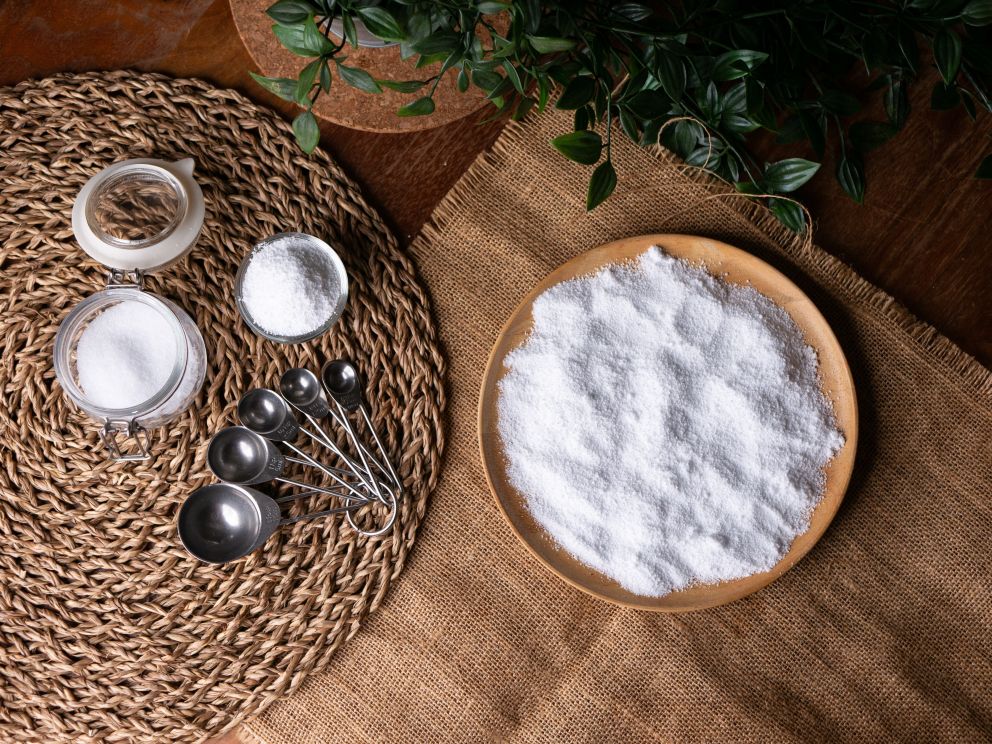
Sugar alcohols are low-calorie sweeteners commonly used in sugar-free foods, chewing gum, desserts, and other processed foods. Unlike regular sugar, many sugar alcohols are not fully absorbed in the small intestine, which can affect digestion and lead to unwanted symptoms.
Sugar alcohols are widely used as sugar substitutes in many low-carbohydrate products and in foods sweetened without regular sugar.
While many sugar alcohols have a significantly lower glycemic index than table sugar, some may negatively affect digestion because of how they are processed by the body.
Discover how sugar alcohols may influence digestive comfort and which ones may be better tolerated than others.
What are sugar alcohols?
Sugar alcohols are carbohydrates chemically classified as polyhydric alcohols because their structure resembles both sugar and alcohol, although they contain no ethanol.
Many sugar alcohols occur naturally in small amounts in certain fruits and vegetables, but most are produced by the food industry and added to processed foods.
These sweeteners are used in many sugar-free food products to reduce sugar content while maintaining a sweet taste, often appealing to those following a low-carbohydrate diet to lose weight or support metabolic health.
Unlike regular table sugar, sugar alcohols provide fewer calories per gram and typically have a lower glycemic index. This means they don’t have the same impact on blood sugar and insulin levels as sweeteners that are high on the glycemic index. In addition, sugar alcohols are metabolized differently and tend to have a reduced effect on blood glucose and insulin levels.
Sugar alcohols are often grouped with other sugar substitutes. However, they differ from other alternatives, such as non-nutritive sweeteners like monk fruit and stevia, or rare sugars like allulose.
Watch the video below to learn more about sugar alcohols.
Common types of sugar alcohols
Sugar alcohols differ in how they are produced and how closely they mimic regular sugar in taste and texture, which influences how they’re used in food products.
Here are four common sugar alcohols and their key differences.
1. Maltitol
Maltitol is produced from maltose and is widely used in sugar-free foods such as chocolate, candies, and baked goods.
Compared to other sugar alcohols, it has a higher glycemic index, making it a less suitable option for those aiming to minimize blood sugar impact.
“Maltitol can have a glycemic index of up to 52, meaning it can raise blood sugar levels quickly,” explains Dr. Berg. “It’s one of the sugar alcohols to avoid.”
As maltitol closely resembles regular sugar due to its level of sweetness and texture, it is widely used in processed foods that aim to replicate sugar-sweetened traditional products.
2. Sorbitol
Sorbitol is derived from glucose and occurs naturally in some fruits, though it’s commonly manufactured for use in food and pharmaceutical products.
This sugar alcohol isn’t as sweet as table sugar and is often used in chewing gum, syrups, and other formulations where a milder sweetness is preferred.
3. Xylitol
Xylitol provides a sweetness similar to sugar and is typically derived from plant fibers such as birch wood or corn cobs.
It’s commonly used in chewing gum and oral care products as it provides a clean, sugar-like taste that has a noticeable cooling effect.
4. Erythritol
Erythritol is produced through fermenting corn-derived glucose and is widely used in low-carb and sugar-free products.
It has a lower relative sweetness than sugar and, therefore, is sometimes combined with other sweeteners to improve overall flavor and balance.

How sugar alcohols affect digestion
Sugar alcohols can affect digestive comfort because many are only partially absorbed in the small intestine. When they reach the colon, they can be fermented by gut bacteria and may also draw water into the intestines.
A review in the Journal of Food and Drug Analysis notes that the combination of incomplete absorption, microbial fermentation, and osmotic activity contributes to symptoms such as bloating, gas, abdominal pain, and loose stools.
A study in Gut found that sorbitol is frequently malabsorbed, even in healthy adults. The authors stated, “These results show that malabsorption and intolerance of sorbitol may result from ingestion of doses and/or concentrations usually found in many foods and drugs.”
Similar findings have been reported for maltitol, with research reported in the International Journal of Environmental Research and Public Health indicating that maltitol is incompletely digested, leading to gastrointestinal issues.
Erythritol differs from other sugar alcohols in how it is absorbed and processed in the body. Because it is almost completely absorbed and excreted before reaching the colon, it is less likely to be fermented and is generally better tolerated than other sugar alcohols.
Evidence published in Nutrients indicates that erythritol passes through the body largely unchanged, which helps explain its lower likelihood of causing digestive symptoms compared to other sugar alcohols.
How to tell if a food contains sugar alcohols
Sugar alcohols are commonly found in processed foods marketed as sugar-free or low-sugar. They usually appear on ingredient lists with names ending in “-ol,” such as sorbitol, xylitol, or maltitol.
Common sources of sugar alcohols include:
- Sugar-free chewing gum and mints
- Protein bars and low-carb snacks
- Ice cream and desserts labeled sugar-free
- Cough drops and lozenges
- Chocolates and candies
- Syrups and drink mixes
Some products also contain hydrogenated starch hydrolysates, a blend of multiple sugar alcohols that can include sorbitol and maltitol. Because the label lists the blend by name rather than its individual components, it can be more challenging to identify certain products as a source of sugar alcohols.
Sugar alcohols are also commonly used in dental hygiene products such as toothpaste and mouthwash.
Tips for using sugar alcohols
Sugar alcohols can be a helpful tool for reducing added sugar, but they can affect digestion in different ways depending on the type and amount consumed. Being mindful of how you use them can help you enjoy the benefits while minimizing potential digestive discomfort.
Here are four practical considerations to make when using sugar alcohols.
1. Choose the right type
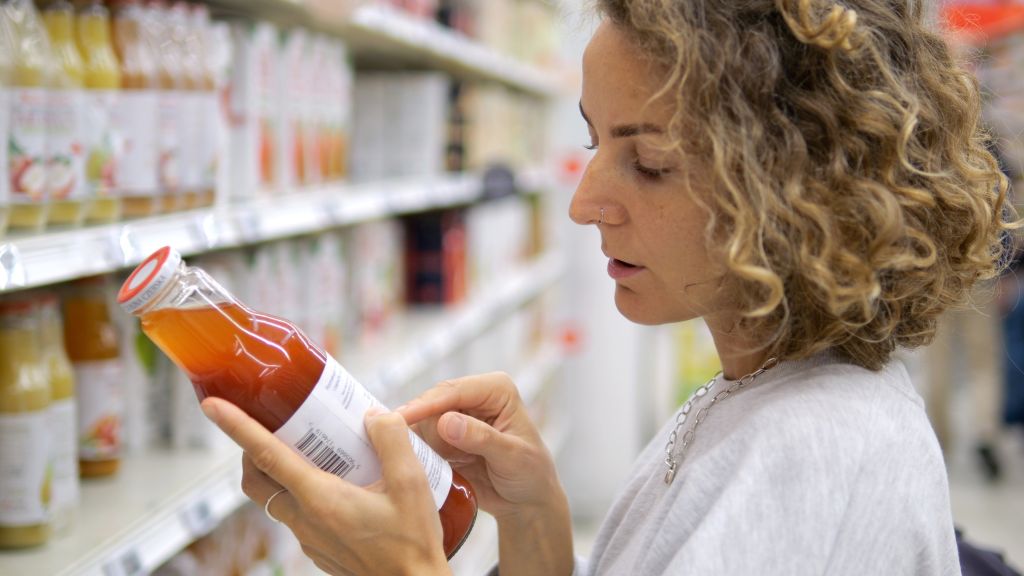
Different sugar alcohols are metabolized differently, so reviewing ingredient labels can help identify which types are present in a product. Maltitol and sorbitol are more commonly associated with digestive symptoms, while erythritol is generally better tolerated.
2. Consume in moderation
Because sugar alcohols have fewer calories than regular sugar, it can be tempting to consume them in larger quantities. However, it is important to remember that frequent or excessive consumption of these sugar substitutes can cause digestive discomfort. Keeping intake moderate may help reduce the likelihood of gastrointestinal upset.
3. Limit processed and sugar-free products
Sugar alcohols are most commonly found in processed foods such as protein bars, desserts, and sugar-free snacks. Reducing reliance on these products may help limit overall intake and support digestive comfort.
4. Listen to your body
Symptoms such as bloating, gas, abdominal pain, or loose stools may indicate poor tolerance to a specific sugar alcohol. If symptoms persist, limiting intake or choosing alternatives that are less likely to be fermented in the gut—such as allulose or monk fruit—may be a better option.
Key takeaways
- Sugar alcohols are low-calorie carbohydrates used as sugar substitutes in many sugar-free foods and low-carb products.
- Many sugar alcohols are incompletely absorbed in the small intestine and are fermented by gut bacteria in the colon. This can lead to bloating, gas, abdominal discomfort, and a laxative effect, especially when consumed in larger amounts.
- Maltitol and sorbitol are more likely to cause digestive symptoms, while erythritol is generally better tolerated due to differences in absorption.
FAQ
- 1. Are sugar alcohols bad for you?
- 2. Are sugar alcohols the same thing as sugar?
- 3. Are sugar alcohols the same as artificial sweeteners?
- 4. Do sugar alcohols contain calories?


