

At a glance
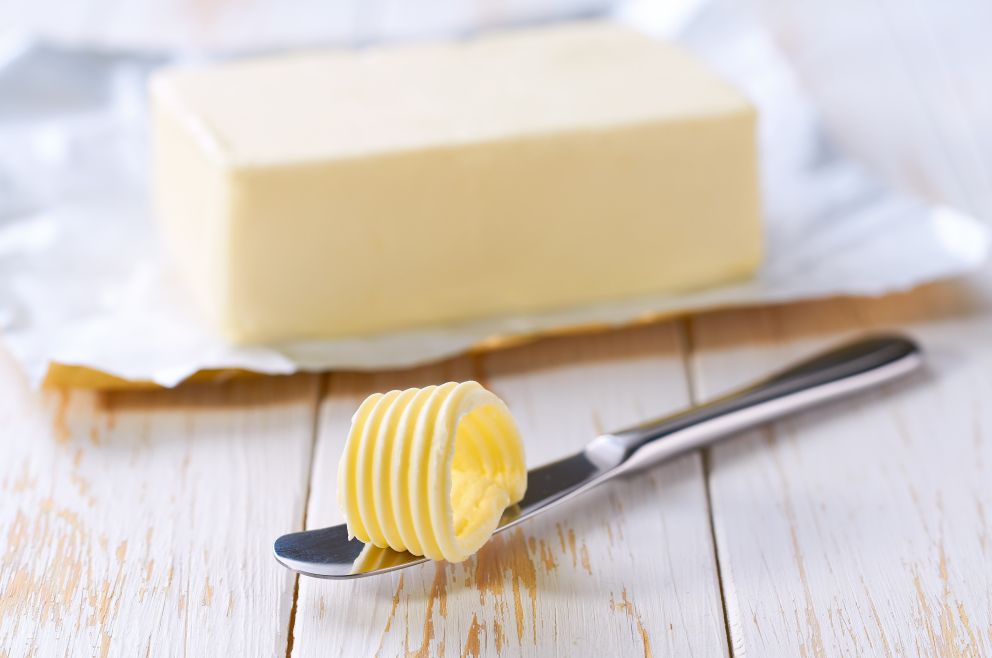
Butter can be good for you when included as part of a nutritious low-carb diet. Its blend of healthy fats and fat-soluble nutrients can support steady energy, metabolic balance, and overall wellness. Choosing minimally processed, pasture-raised options helps maximize the nutritional value of butter.
Is butter good for you? Yes, high-quality grass-fed butter provides essential nutrients that support brain function, hormone balance, and sustained energy, especially when included in a nutritious low-carb diet such as Healthy Keto®.
Discover five key health benefits of butter, essential considerations for its consumption, and how to select the highest quality product for optimal nutrition.
What is butter?
Butter is made by churning heavy cream until the milk fat separates from the buttermilk.
This creates a nutrient-dense spread packed with antioxidants, essential fat-soluble vitamins, and over 400 fatty acids, including monounsaturated fats and naturally occurring saturated and trans fats.
Butter’s flavor, texture, and color vary depending on the cows’ diet and the quality of the cream. Conventional butter, often from grain-fed cows, tends to be paler in color, waxier in texture, and milder in taste.
In contrast, grass-fed butter is higher in conjugated linoleic acid (CLA), omega-3 fats, and beta-carotene, giving it a deep yellow hue, smooth texture, and richer flavor.
Butter nutrition facts
One tablespoon (14 grams) of salted, grass-fed butter contains:
- 100 calories
- 12 g fat
- 0 g protein
- 0 g carbohydrates
In addition, grass-fed butter is an impressive source of health-promoting nutrients, including:
- Vitamin A
- Vitamin E
- Vitamin K2
- Butyric acid
- Omega-fatty acids
- CLA
Watch the video below to learn five amazing health benefits of grass-fed butter.
Is butter good for you?
Grass-fed butter is a rich source of beneficial fats and fat-soluble vitamins, which offer significant health benefits, especially on a low-carb diet.
Here are five impressive health benefits of eating butter.
1. Supports hormone production
“Butter provides cholesterol, which is a crucial building block for various hormones, including estrogen, progesterone, and cortisol, supporting overall endocrine function,” explains Dr. Berg.
Additionally, butter’s health-promoting saturated fats help stabilize blood sugar levels and support adrenal health, which plays a vital role in stress management and hormone regulation.
2. Enhances brain function
The brain is primarily composed of fatty acids, which explains why high-quality dietary fats are essential for cognitive health.
Grass-fed butter provides omega-3 fatty acids and sphingolipids, which support neuronal signaling, maintain cell membrane integrity, and help control inflammation within the central nervous system.
A study published in Progress in Lipid Research highlights that sphingolipids, such as ceramides and gangliosides, are vital for learning, memory, and cognitive function.
The study notes that disruptions in the brain’s sphingolipid composition can impair normal cellular function associated with cognitive decline and neurological disorders, underscoring their important role in brain health.
3. Supports cardiovascular health
Research suggests that saturated fats from natural sources such as butter can benefit heart health and metabolic pathways, particularly when consumed as part of a low-carb, high-fat diet.
Evidence published in Nutrition & Metabolism found that very low-carb, high-fat diets improve triglyceride levels, high-density lipoprotein (HDL) cholesterol, and blood sugar regulation more effectively than high-carb, low-fat diets.
Butter is also a natural source of choline, a vital nutrient that regulates homocysteine levels, which is linked to a lower risk of arterial damage and blood clots.
Additionally, choline supports liver function and facilitates fat metabolism and cholesterol balance, which helps reduce arterial plaque buildup.
Lecithin, a phospholipid found in butter, helps stabilize cell membranes and may prevent the oxidation of low-density lipoprotein (LDL) cholesterol, a key factor in arterial inflammation and heart disease.
Meanwhile, butter’s high omega-3 fatty acid and CLA content further promote heart health by reducing inflammation and supporting arterial flexibility.
4. Promotes gut health
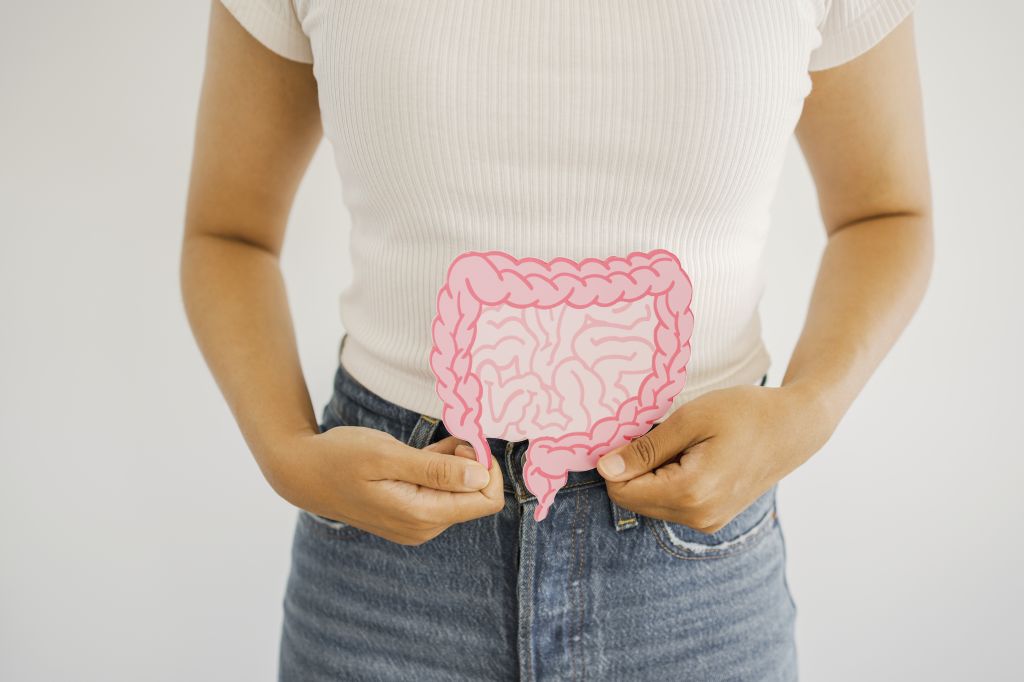
Grass-fed butter is a natural source of butyrate, a critical short-chain fatty acid essential for gut health.
Butyrate has anti-inflammatory properties and may help manage digestive issues, such as irritable bowel syndrome (IBS) and ulcerative colitis, by reducing gut inflammation and supporting microbiome balance.
Research published in the Journal of Education, Health, and Sport found that “Sodium butyrate significantly alleviated abdominal pain, bloating, and overall IBS symptoms compared to a placebo.”
5. Helps regulate blood sugar levels
Grass-fed butter contains medium-chain triglycerides (MCTs) and butyrate, which support insulin sensitivity and blood sugar regulation.
MCTs are rapidly absorbed and converted into ketones, which provide a steady energy source without triggering an insulin response. By reducing reliance on glucose for fuel, MCTs help maintain stable blood sugar levels and support metabolic flexibility.
A study published in Diabetes found that butyrate may help prevent insulin resistance and obesity in mice by enhancing mitochondrial function, fatty acid oxidation, and adaptive thermogenesis.

Cons of butter
While butter offers impressive health benefits, it’s critical to consider potential downsides.
Excessive fat intake in combination with a high-carb diet may contribute to insulin resistance, metabolic dysfunction, and an increased risk of heart disease. To support metabolic health, it’s essential to reduce carbohydrate intake when increasing dietary fats such as butter.
Research published in The American Journal of Clinical Nutrition indicates that increasing saturated fat intake can improve lipid profiles when combined with a low-carb, nutrient-dense diet that limits excess calories and refined carbohydrates.
This underscores the importance of a well-formulated low-carb approach, such as Healthy Keto, which prioritizes high-quality fats and nutrient-dense whole foods to promote fat adaptation and metabolic balance.
While butter offers valuable nutrients, consuming it in excess can hinder fat burning, as the body focuses on breaking down dietary fat first before accessing its own fat stores.
Butter also has a low smoke point, making it less suitable for high-heat cooking. For high-temperature cooking, clarified butter, also called ghee, can be an excellent substitute for applications such as frying or sautéing.
Butter vs. oil
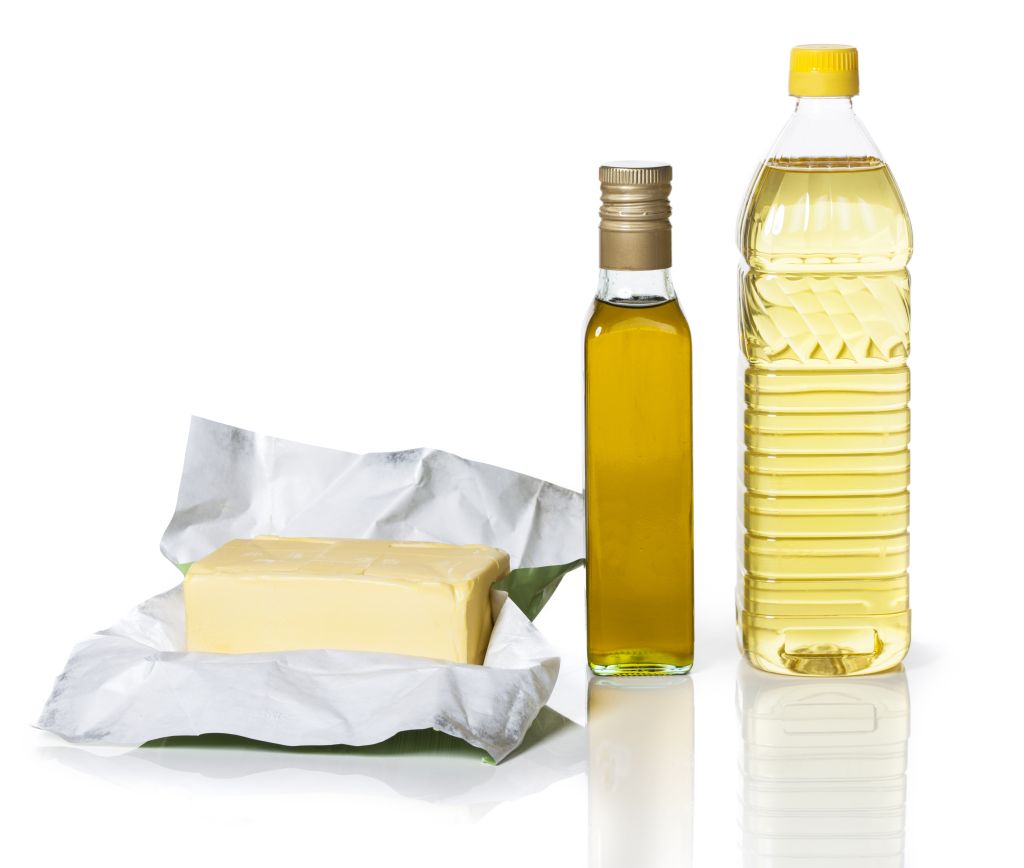
The health impact of butter compared to cooking oils largely depends on their processing methods and fat composition.
Unrefined oils, such as organic cold-pressed extra virgin olive oil (EVOO) and coconut oil, are rich sources of antioxidants and anti-inflammatory compounds. In contrast, highly processed seed oils may contribute to chronic inflammation and cardiovascular issues.
Research published by the BMJ found that replacing saturated fat with vegetable oil was linked to a 22 percent higher mortality risk.
Highly refined vegetable oils, such as soybean, corn, and canola oil, undergo high-heat processing, chemical extraction with solvents like hexane, and deodorization. This depletes nutrients, promotes oxidation, and creates harmful byproducts such as certain trans fats and aldehydes.
These oils also tend to have an imbalanced omega-6 to omega-3 ratio, often exceeding 20:1 or even higher, compared to the optimal ratio of approximately 2:1.
Excessive consumption of omega-6 polyunsaturated fatty acids has been linked to cardiovascular disease, cancer, cognitive decline, oxidative stress, and arterial inflammation.
Grass-fed and grass-finished butter provides a stable source of fatty acids and fat-soluble vitamins, with a balanced ratio of polyunsaturated fats that supports metabolic health.
For cooking, fats such as grass-fed butter, tallow, ghee, avocado oil, and coconut oil offer superior nutrition while avoiding the inflammatory risks associated with refined vegetable and seed oils.

How to choose the right butter
To maximize butter’s health benefits, opt for organic and grass-fed or grass-finished products, free from synthetic pesticides, growth hormones, and additives that can disrupt metabolic and hormonal health.
Research published in the Journal of Dairy Science found that cows grazing exclusively on pasture produced milk fat with 500 percent more CLA than those on grain-based diets, highlighting the significant nutritional advantages of grass-fed butter.
Production methods also shape butter quality. Raw and cultured butter retains more enzymes and beneficial bacteria that support digestion. Additionally, butter from farms practicing regenerative grazing enhances soil health and boosts nutrient quality.
Ultimately, choosing grass-fed, organic, and minimally processed butter ensures a nutrient-rich option that supports health and delivers superior flavor.
Key takeaways
- Is butter good for you? Yes. Grass-fed butter is rich in beneficial fatty acids and fat-soluble vitamins that support hormone balance, brain function, cardiovascular health, and digestion.
- Butter is most effective when paired with a whole-food, low-carb diet such as Healthy Keto, which helps minimize the metabolic risks associated with combining high-fat and high-carbohydrate foods.
- Excessive butter intake can hinder fat burning or strain digestion.
- Clarified butter, or ghee, is a better option than regular butter for high-heat cooking due to its higher smoke point.
- The best quality butter is typically organic, grass-fed, and minimally processed, offering superior nutrient density and supporting long-term metabolic balance.
FAQ
- 1. Is butter good for you or bad?
- 2. Is it fine to have butter every day?
- 3. What is the healthiest butter to eat?
- 4. Is butter good for your gut?
Sources
- https://www.sciencedirect.com/science/article/abs/pii/S0163782722000170
- Noakes M, Foster PR, Keogh JB, James AP, Mamo JC, Clifton PM. Comparison of isocaloric very low carbohydrate/high saturated fat and high carbohydrate/low saturated fat diets on body composition and cardiovascular risk. Nutr Metab (Lond). 2006;3(1):7. https://link.springer.com/article/10.1186/1743-7075-3-7?error=cookies_not_supported&code=03741121-85fd-4b99-ae0f-bc0c4ff691d7
- Exploring the Therapeutic Potential of Sodium Butyrate in Irritable Bowel Syndrome. A Literature Review. apcz.umk.pl. Accessed 2026. https://apcz.umk.pl/JEHS/article/view/55326
- Gao Z, Yin J, Zhang J, et al. Butyrate improves insulin sensitivity and increases energy expenditure in mice. Diabetes. 2009;58(7):1509-17. https://pubmed.ncbi.nlm.nih.gov/19366864/
- https://www.sciencedirect.com/science/article/pii/S0002916522031197
- Ramsden CE, Zamora D, Majchrzak-Hong S, et al. Re-evaluation of the traditional diet-heart hypothesis: analysis of recovered data from Minnesota Coronary Experiment (1968-73). BMJ. 2016;353:i1246. https://pubmed.ncbi.nlm.nih.gov/27071971/
- Dhiman TR, Anand GR, Satter LD, Pariza MW. Conjugated linoleic acid content of milk from cows fed different diets. J Dairy Sci. 1999;82(10):2146-56. https://pubmed.ncbi.nlm.nih.gov/10531600/
Related Articles
-
10 Delicious Keto Cauliflower Recipes
 Food and Drink
10 Delicious Keto Cauliflower Recipes
At a glance Cauliflower is a versatile cruciferous vegetable commonly used in keto cooking because it can serve as a delicious substitute for higher-carb ingredients in many popular dishes. From…09/18/2026 -
Simple Ways to Eat More Nutrient-Dense Foods
 Superfoods
Simple Ways to Eat More Nutrient-Dense Foods
At a glance Choosing nutrient-dense foods can help improve the quality of your meals while reducing reliance on ultra-processed products. Whole foods such as seafood, leafy greens, berries, and grass-fed…08/20/2026 -
Grass-Fed vs. Grain-Fed: What’s the Difference?
 Food and Drink
Grass-Fed vs. Grain-Fed: What’s the Difference?
At a glance Grass-fed and grain-fed beef differ in how cattle are raised and fed throughout their lives. These feeding practices can influence the nutritional characteristics, flavor, texture, and overall…07/30/2026 -
Wild-Caught vs. Farm-Raised Fish: What’s the Difference?
 Nutrition
Wild-Caught vs. Farm-Raised Fish: What’s the Difference?
At a glance Wild-caught and farm-raised fish differ in nutrient quality, sourcing methods, and overall eating experience. Wild-caught fish come from natural environments and support a more balanced fatty acid…07/09/2026 -
Eating Out on Keto: Simple Ordering Strategies
 Food and Drink
Eating Out on Keto: Simple Ordering Strategies
At a glance Restaurant meals are often centered around carbohydrate-rich foods, which can make low-carb dining more difficult. Hidden carbohydrates are also common in sauces, dressings, and other prepared ingredients.…06/25/2026 -
9 Keto Staples for Your Pantry and Fridge
 Nutrition
9 Keto Staples for Your Pantry and Fridge
At a glance Keeping the right foods on hand makes it easier to stay consistent on a ketogenic diet without relying on highly processed products. A well-stocked keto pantry focuses…06/19/2026 -
How to Spot Hidden Carbs
 Keto
KetoHow to Spot Hidden Carbs
At a glance Hidden carbs are found in many everyday foods that may not appear high in carbohydrates, including sauces, processed meats, dairy products, and salad dressings. These overlooked sources…06/05/2026 -
Keto-Friendly Sauces and Condiments
 Nutrition
Keto-Friendly Sauces and Condiments
At a glance Keto-friendly sauces and condiments can help support ketosis by keeping overall carbohydrate intake within the limit of 20 to 50 grams per day. Choosing options made with…06/01/2026 -
8 Unique Benefits of Turmeric Tea
 Nutrition
8 Unique Benefits of Turmeric Tea
At a glance Turmeric tea contains curcumin, a bioactive compound that offers anti-inflammatory and antioxidant effects that may support brain and heart health, improve digestion, help regulate weight, and strengthen…05/15/2026 4.4k views -
Keto on a Budget: Tips and Foods to Eat
 Diet
DietKeto on a Budget: Tips and Foods to Eat
At a glance A ketogenic diet can be maintained using simple, affordable whole foods rather than expensive specialty products. Prioritizing versatile ingredients and planning meals strategically can help reduce grocery…04/24/2026


