

At a glance
Zinc is an essential trace mineral involved in immune defenses, metabolism, hormone production, and muscle repair. Because the body doesn’t store zinc efficiently, regular dietary intake is vital to maintain healthy levels. Animal foods such as oysters and red meat provide the most bioavailable zinc, while certain plant foods and dietary factors can reduce absorption.
Zinc is an essential trace mineral needed for over 300 enzymatic reactions, including gene expression, immune defenses, hormone production, wound healing, and metabolic functions.
Despite its significance for overall health, most people don’t get enough zinc from their diets, which can lead to issues such as hair loss, skin problems, and digestive disorders.
Discover what foods are high in zinc, how certain foods can block zinc absorption, and how to recognize common symptoms of zinc deficiency.
What is zinc?
Zinc is the second most abundant trace element in the human body and is essential for optimal health. It acts as a cofactor for hundreds of enzymes and plays a critical role in regulating gene expression.
As a key component of over 1000 transcription factors, zinc influences various cellular processes and metabolic functions, including DNA synthesis, energy production, and immune regulation.
Additionally, zinc acts as an antioxidant and helps reduce damage and inflammation generated by free radicals, which is crucial for maintaining a healthy body.
Unlike some nutrients that can be stored in large quantities in the body, zinc must be continuously supplied through the diet to maintain optimal physiological function.
Due to its influence on various biological pathways, even mild zinc deficiencies can lead to significant health issues, including weakened immunity, digestive disorders, and hormonal imbalances.
“Your body doesn’t store much zinc, and you want to consume around 10 mg of zinc from nutritious whole foods daily to support optimal levels,” explains Dr. Berg.
Watch the video below to discover the best dietary source of zinc.
Is zinc important?
Zinc plays a crucial role in various physiological processes, making it an essential nutrient for maintaining overall health and well-being.
Approximately 50 percent of the body’s zinc is found in muscle tissue, where it supports muscle growth and aids post-exercise recovery.
Zinc is also critical for reproductive health, as it facilitates testosterone production and sperm viability and supports prostate health in men.
In women, zinc supports ovarian function, helps regulate hormones, enhances mood stability, and plays a crucial role in the menstrual cycle.
Research published in Nutrients highlights how low zinc levels may contribute to polycystic ovary syndrome (PCOS), dysmenorrhea, and endometriosis.
The study also found that adequate zinc intake was linked to reduced menstrual pain and improved hormonal regulation in women affected by these conditions.
Zinc is critical for supporting insulin synthesis, storage, and secretion, playing a significant role in blood sugar management. It also enhances enzymatic function in the small intestine, which helps optimize nutrient absorption.
Additionally, zinc supports the integrity of the mucosal barrier in the digestive tract, which helps prevent harmful bacteria from entering the bloodstream. Its natural antimicrobial properties may inhibit certain viruses, including those that cause the common cold.
Moreover, zinc enhances the activation of vitamin D receptors on cell membranes, which is vital for immune responses and overall cellular functions.

Signs of zinc deficiency
Because the body doesn’t store zinc long-term, regular intake of zinc-rich foods is essential for maintaining healthy levels and reducing the risk of deficiency.
Early signs of zinc deficiency can be subtle and often resemble other health issues, making it difficult to diagnose inadequate zinc stores.
Symptoms of zinc deficiency may include:
- Low testosterone levels
- Slow wound healing
- Chronic inflammation
- Decreased white blood cell count
- Frequent infections
- “Top Causes of Hair Loss and Natural Solutions | Dr. Berg.” drberg.com. https://www.drberg.com/blog/the-causes-of-hair-lo
- Loss of taste and smell
- Skin problems
- Ulcers
- Digestive issues
- “How to Stop Diarrhea Fast: Home Remedies | Dr. Berg.” drberg.com. https://www.drberg.com/blog/stop-diarrhea-fast
- Thymus atrophy
- Unexplained back pain
Since zinc is primarily stored in tissue, standard blood tests often fail to detect early-stage zinc deficiency, which may remain unnoticed until more severe symptoms arise.
Chronic zinc deficiency can impair pancreatic function, disrupt insulin regulation, and increase the risk of pancreatitis. It may also contribute to liver diseases, including cirrhosis and, in severe cases, hepatocellular carcinoma, a type of liver cancer.
If you’re concerned about your zinc levels, it’s important to consult a healthcare professional, especially before adding any dietary supplements to your routine. They can help assess your needs and recommend the best approach for maintaining optimal health.

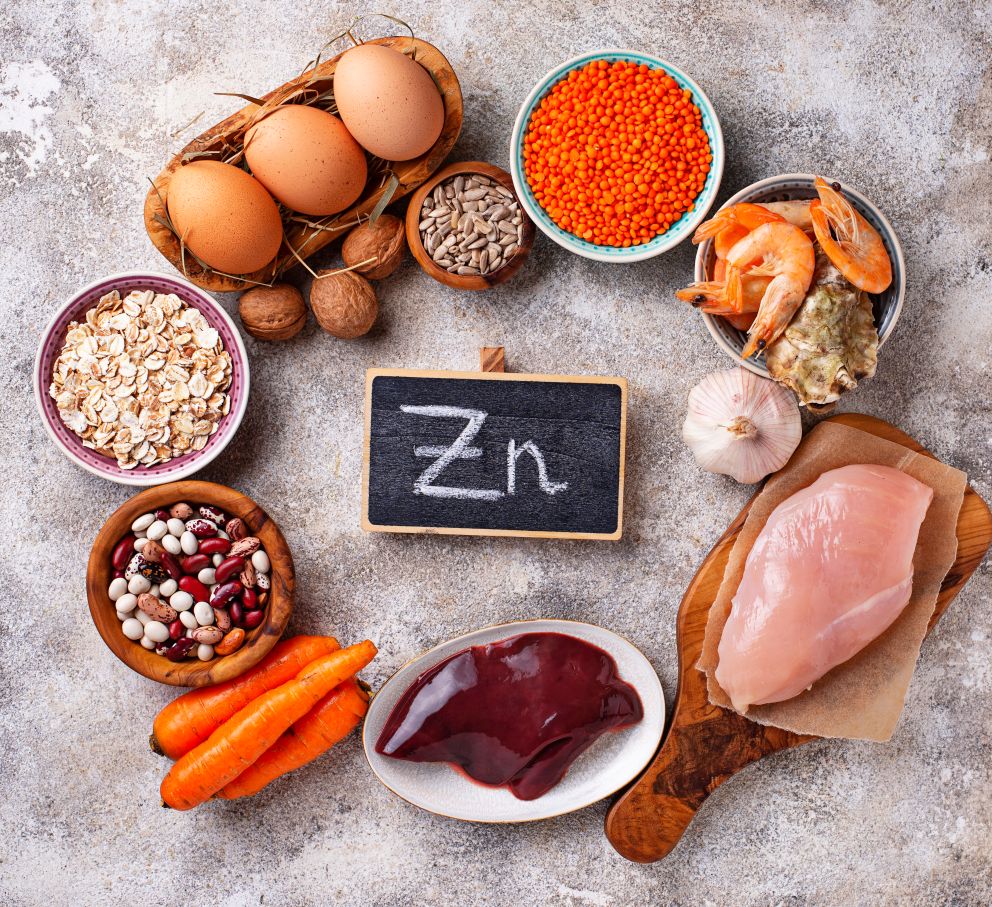
What foods are high in zinc?
Research published in PLOS One estimates that 15 to 20 percent of the global population lacks adequate zinc in their diet, underscoring the importance of identifying zinc-rich food sources to meet daily requirements.
Here are three foods high in zinc.
1. Oysters
According to the USDA National Nutrient Database, oysters are the most concentrated and bioavailable sources of zinc, providing an impressive 77 mg in just one three-ounce serving.
In addition to zinc, oysters are excellent sources of other essential minerals, including copper, selenium, iodine, iron, and magnesium.
2. Red meat and organ meats
Red meat and organ meats are among the most accessible sources of highly absorbable zinc.
A four-ounce serving of beef or lamb contains around four mg of zinc, making it a reliable dietary staple for maintaining adequate intake.
Additionally, red meat offers B vitamins and selenium, which support immune function, detoxification, energy production, and overall metabolic health.
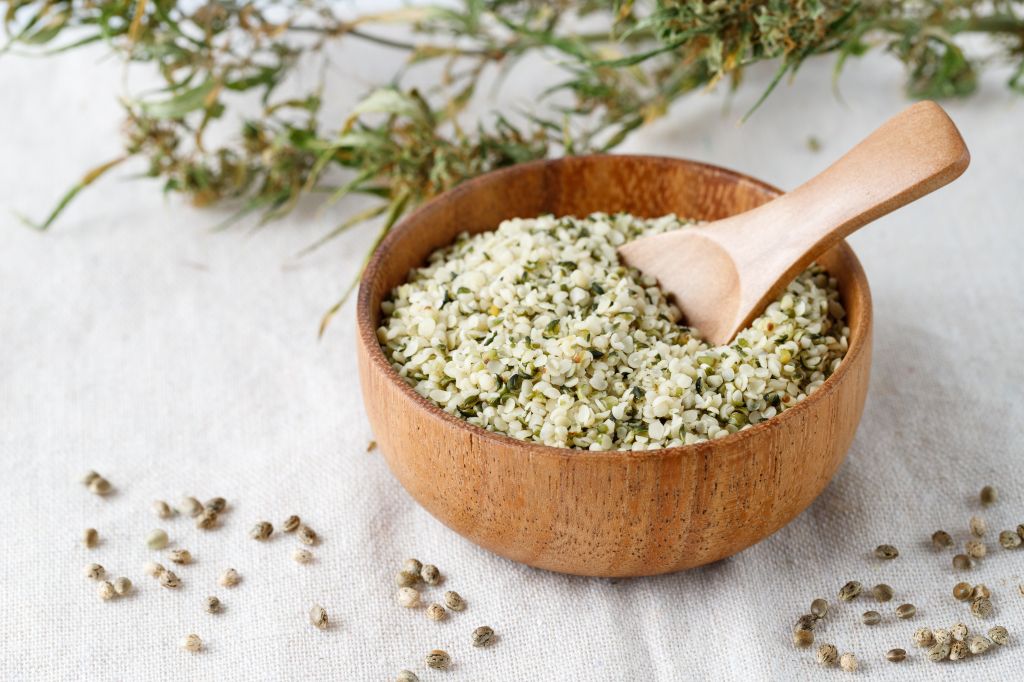
3. Nuts and seeds
Nuts and seeds offer a moderate amount of zinc for those seeking plant-based sources.
However, the zinc from these foods isn’t as easily absorbed by the body as the zinc found in animal products.
Hemp seeds provide 16 mg of zinc per cup, followed by sprouted pumpkin seeds, which contain around 8 mg of this essential mineral per cup. Sesame seeds, pine nuts, and cashews also contribute moderate amounts of zinc if consumed regularly.
3 foods that deplete zinc
Certain factors can deplete zinc levels or interfere with its absorption, making it challenging to maintain adequate zinc stores despite adequate dietary intake.
Here are three dietary factors that deplete zinc.
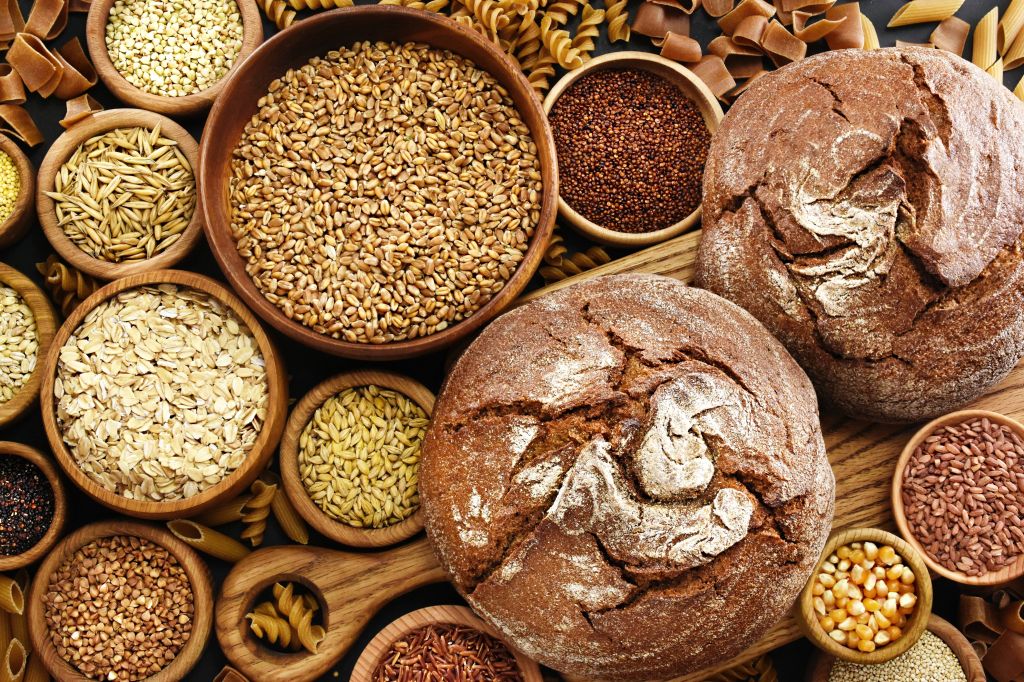
1. Whole grains and legumes
The bioavailability of zinc in plant-based foods, such as whole grains, corn, and legumes, is naturally lower than in animal foods. This is primarily due to the presence of anti-nutrients such as phytates and lectins that bind to minerals and reduce their absorption.
Additionally, diets heavily reliant on grains and legumes may lack complementary nutrients, such as adequate amounts of protein, which is vital for optimal zinc absorption and metabolism.
That said, for those who follow a plant-based diet, preparation techniques, including soaking, sprouting, roasting, and fermenting, can help break down anti-nutrients and increase the bioavailability of zinc.
2. Refined sugar
High sugar intake promotes inflammation and disrupts gut health, potentially resulting in the overgrowth of microbes such as Candida albicans or Helicobacter pylori, which can block zinc absorption.
Additionally, excessive sugar intake increases zinc excretion through urine, directly contributing to lower zinc levels in the body.
3. Alcohol
Chronic alcohol consumption disrupts intestinal barrier function, impairing the absorption of essential nutrients such as zinc.
Research published in the American Journal of Physiology-Gastrointestinal and Liver Physiology shows that alcohol-induced oxidative stress depletes zinc in the ileum, a critical site for nutrient absorption.
Additionally, free radicals generated by alcohol metabolism damage cells and release zinc from zinc-binding proteins, leading to zinc mobilization and dysregulation, which can contribute to deficiency.
Key takeaways
- Zinc supports immune function, metabolism, hormone balance, wound healing, and muscle maintenance.
- Oysters are the best dietary source of zinc, followed by red meat and organ meats.
- Plant-based sources such as nuts and seeds contain zinc but are less efficiently absorbed due to their high antinutrient concentrations.
- Whole grains, refined sugar, and alcohol can interfere with mineral absorption or increase zinc loss.
- Regular intake of zinc-rich whole foods is essential, as the body doesn’t store significant amounts of zinc.
FAQ
- 1. What foods are high in zinc?
- 2. Which fruit is rich in zinc?
- 3. What is the best way to get zinc daily?
- 4. What are the signs of zinc deficiency?
- 5. What causes zinc deficiency?
Sources
- Marzenna Nasiadek, Joanna Stragierowicz, Michał Klimczak, Anna Kilanowicz. The Role of Zinc in Selected Female Reproductive System Disorders. Nutrients. 2020;12(8):2464. doi:10.3390/nu12082464 The Role of Zinc in Selected Female Reproductive System Disorders. pmc.ncbi.nlm.nih.gov.
- K Ryan Wessells, Kenneth H Brown. Estimating the Global Prevalence of Zinc Deficiency: Results Based on Zinc Availability in National Food Supplies and the Prevalence of Stunting. PLoS ONE. 2012;7(11):e50568. doi:10.1371/journal.pone.0050568 Estimating the Global Prevalence of Zinc Deficiency: Results Based on Zinc Availability in National Food Supplies and the Prevalence of Stunting. pmc.ncbi.nlm.nih.gov.
- https://ods.od.nih.gov/pubs/usdandb/Zinc-Content.pdf
- “404_PAGE.” journals.physiology.org. https://journals.physiology.org/doi/full/10.1152/ajpgi.00350.2009
Related Articles
-
Zinc Chelate vs. Zinc Oxide Supplements
 Nutrition
Zinc Chelate vs. Zinc Oxide Supplements
At a glance Zinc chelate and zinc oxide are two forms of supplemental zinc. Although both contribute to zinc intake, they differ in structure, absorption, and how efficiently zinc is…07/16/2026 -
Natural vs. Synthetic Trace Minerals: Key Differences
 Nutrition
Natural vs. Synthetic Trace Minerals: Key Differences
At a glance Natural and synthetic trace mineral supplements differ in how they’re sourced and formulated, which can impact nutrient absorption, effectiveness, and tolerability. Naturally sourced trace minerals derived from…05/29/2026 -
Trace Mineral Supplements: Forms and How to Choose
 Nutrients
Trace Mineral Supplements: Forms and How to Choose
At a glance Trace mineral supplements provide nutrients that the body needs in small amounts. These minerals play important roles in energy production, enzyme function, immune health, bone strength, cardiovascular…05/21/2026 -
Zinc Supplements: Forms and How to Choose
 Nutrition
Zinc Supplements: Forms and How to Choose
At a glance Zinc is an essential trace mineral involved in hundreds of enzymatic reactions that influence immune activity, cellular functions, and hormone regulation. Understanding the differences in formulation, dosage,…04/10/2026 -
How to Get Rid of Toenail Fungus – 3 Natural Solutions
 Health concerns
How to Get Rid of Toenail Fungus – 3 Natural Solutions
At a glance Toenail fungus is a common nail infection often linked to environmental exposure to infectious microbes, nail injury, and poor metabolic or immune health. Natural topical solutions and…03/13/2026 33.6k views -
HPV Skin Tags: Causes and What to Do
 Health concerns
HPV Skin Tags: Causes and What to Do
At a glance While both skin tags and warts can be linked to human papillomavirus (HPV), they differ in appearance and how they affect the body. Targeted dietary and lifestyle…03/13/2026 16.6k views -
7 Nail Changes That May Be Linked to Nutrient Deficiencies
 Nutrition
7 Nail Changes That May Be Linked to Nutrient Deficiencies
At a glance Nails can serve as a biological record of your health, as changes in nail strength, shape, color, or texture may signal nutrient deficiencies. Supporting optimal nutrient levels…01/23/2026 33.4k views -
5 Supplements That Actually Work
 Nutrition
5 Supplements That Actually Work
At a glance Choosing the right supplements is crucial because the quality and bioavailability of nutrients significantly impact how well they support energy production, metabolic health, and immune balance. Many…12/19/2025 3.1k views -
Natural Remedies for Glaucoma
 Health concerns
Natural Remedies for Glaucoma
At a glance Glaucoma is a progressive eye condition that can lead to vision loss. Adopting a beneficial diet and lifestyle strategies can help support eye health. Additionally, prioritizing key…04/09/2025 20.3k views -
6 Zinc Benefits: Exploring Its Essential Role in Health and Wellness
 Nutrition
6 Zinc Benefits: Exploring Its Essential Role in Health and Wellness
At a glance There are numerous benefits to maintaining healthy zinc levels, as zinc is an essential trace mineral involved in hundreds of critical bodily processes. Since the body doesn’t…04/09/2025 24.7k views