


At a glance
Ceylon and cassia cinnamon are two popular varieties with distinct flavors, culinary uses, and coumarin levels. Both can support blood sugar balance and reduce inflammation, but Ceylon cinnamon’s lower coumarin content may make it a safer choice for regular use.
Ceylon cinnamon vs. cassia cinnamon—what’s the difference between them, and which one is better?
While both Ceylon and cassia cinnamon help support blood sugar regulation and promote inflammatory balance, they differ in potency, flavor profile, and culinary uses.
Discover the primary differences between these two cinnamon varieties and learn how to incorporate this aromatic spice into your routine to maximize its health benefits.
What is cinnamon?
Cinnamon, one of the most cherished spices worldwide, is derived from the delicate inner bark of various cinnamon tree species belonging to the Cinnamomum genus.
Known for its warm, spicy aroma, cinnamon has been used for millennia to enhance the flavor of sweet and savory dishes, prepare medicinal remedies to support health, and even for ceremonial purposes.
Ancient Egyptians used cinnamon for its preservative and antimicrobial properties, while later civilizations valued it in perfumes, incense, and as a luxury spice for flavoring foods.
Cinnamon was once considered more precious than gold, valued for its use in embalming and as a sacred offering to the gods in ancient civilizations.
In addition to adding aromatic notes to food, cinnamon is a rich source of antioxidants, anti-inflammatory compounds, and essential nutrients that have been found to help regulate blood sugar levels, improve heart health, and support brain function.
Watch the video below to learn how cinnamon can help support insulin sensitivity.
Ceylon cinnamon vs. cassia cinnamon
While there are hundreds of cinnamon varieties, two of the most popular and widely available options are Ceylon cinnamon and cassia cinnamon.
Let’s take a look at how these two types of cinnamon differ.
Ceylon cinnamon
Ceylon cinnamon is derived only from the Cinnamomum verum tree and is often referred to as true cinnamon.
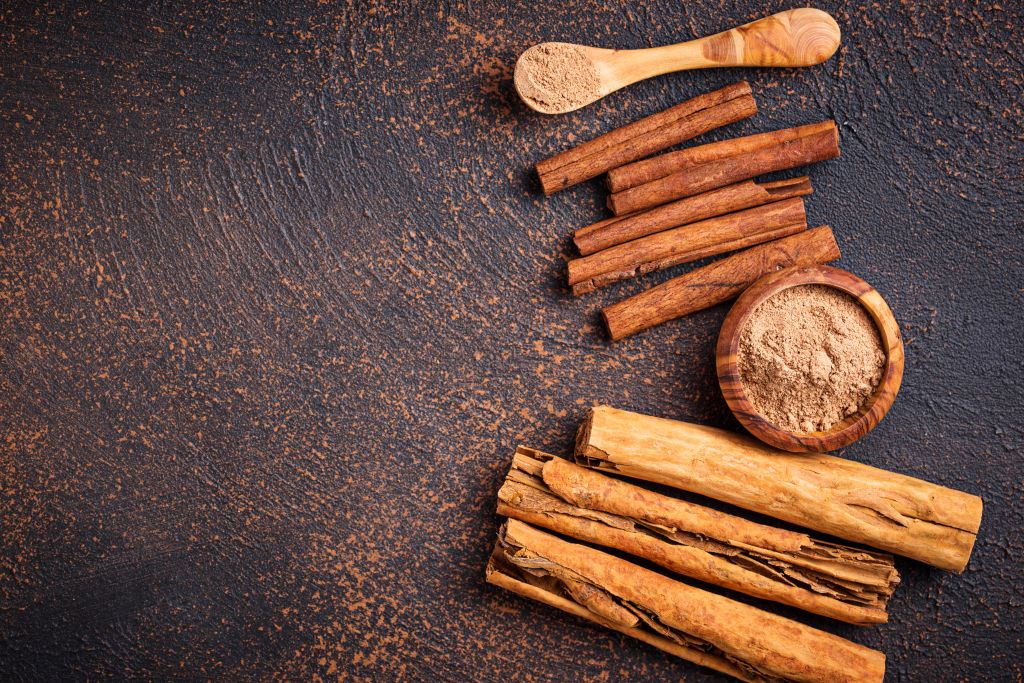
True Ceylon cinnamon is prized for its subtle sweet flavor and soft, crumbly texture. Ceylon cinnamon sticks have a pale tan color and are rolled into brittle quills with multiple layers.
Compared to other cinnamon varieties, Ceylon cinnamon contains lower levels of cinnamaldehyde and a crystalline compound called coumarin, both of which contribute to cinnamon’s distinctive pungent flavor.
Due to its mild taste, Ceylon cinnamon is often preferred for sweet and delicate dishes, making it an ideal choice for desserts, beverages, and light savory recipes.
Cassia cinnamon
Cassia cinnamon, also known as Cinnamomum cassia or Chinese cinnamon, includes several varieties, with Korintje cinnamon being one of the most common.
Cassia cinnamon sticks are dark brown, with quills consisting of a single, thick, rolled layer.
Its exceptionally high coumarin content gives cassia cinnamon a stronger flavor, which is ideal for hearty meals such as stews, curries, and other savory dishes.
Cassia cinnamon is the most commonly available variety in supermarkets and is relatively inexpensive compared to other types of cinnamon. However, its bold flavor can be overwhelming for lighter recipes that are better suited for Ceylon cinnamon.
Which type of cinnamon is better?
Ceylon cinnamon is often considered the healthier option due to its lower coumarin content, which can harm the liver if consumed in high doses. That said, studies have shown that coumarins also have beneficial effects.
According to research published in the European Journal of Pharmaceutical Sciences, coumarins offer a wide range of bioactive properties, including potential anticoagulant, antibacterial, anti-inflammatory, antioxidant, and antiviral effects.
The researchers also noted that coumarin may support cellular integrity, brain health, and cardiovascular wellness.
In general, Ceylon and cassia cinnamon can be safely enjoyed in moderation. However, Ceylon cinnamon may be the better option for regular use, particularly for individuals with liver concerns.
Both types are excellent for cooking, and choosing which cinnamon variety is better ultimately depends on your personal flavor preference.

Health benefits of cinnamon
Beyond being a flavorful ingredient, cinnamon intake has been linked to an array of health benefits.
“Cinnamon has been shown to support blood sugar levels and balanced glucose metabolism, making it an excellent natural remedy for enhancing metabolic health,” explains Dr. Berg.
A study published in Foods found that both Ceylon and cassia cinnamon are rich sources of antioxidants, including vanillic acid, caffeic acid, gallic acid, p-coumaric acid, ferulic acid, proanthocyanidins A and B, kaempferol, cinnamic acid, and cinnamaldehyde.
These bioactive compounds help protect the body from oxidative damage and, as noted by the researchers, “exhibit several human beneficial effects, such as neuroprotective, hepatoprotective, cardioprotective and gastroprotective.”
The essential oils of cinnamon bark, which consist of approximately 60 to 90 percent cinnamaldehyde, have been shown to function as effective insecticides and fungicides.
Additionally, evidence published in Agricultural and Biological Sciences shows that cinnamaldehyde has anti-inflammatory properties and high bioavailability.
This allows it to be easily absorbed by the body, where it helps strengthen the body’s capacity to counteract oxidative stress.
Other significant health benefits of cinnamon include:
- Supporting insulin and glucose regulation
- Promoting nerve health
- Enhancing kidney function
- Strengthening blood vessels
- Contributing to eye health
- Aiding weight management
- Potentially improving cognitive performance

Safety and side effects
While cinnamon offers various health benefits and is generally considered safe in moderation, excessive intake can lead to gastrointestinal problems, low blood sugar levels, and liver damage.
Additionally, cinnamon can interact with certain medications, such as blood thinners, antidiabetic drugs, or liver-related pharmaceuticals, increasing the risk of side effects and complications.
If you’re taking medications or have underlying health issues, it’s crucial to discuss the regular use of cinnamon with a healthcare provider to ensure it’s safe and appropriate for your individual circumstances.
How to use cinnamon
There are many ways to incorporate cinnamon into your routine. Whether you prefer Ceylon or cassia, both varieties can be used to spice up a wide range of dishes.
Due to its low carbohydrate content, cinnamon is on the keto-approved food list, making it an excellent ingredient for those following a Healthy Keto® diet.
Experimenting with flavorful, nutrient-rich ingredients, including cinnamon, helps keep your low-carb meal plan exciting while staying aligned with your keto goals.
Here are three delicious low-carb cinnamon-focused recipes to try.
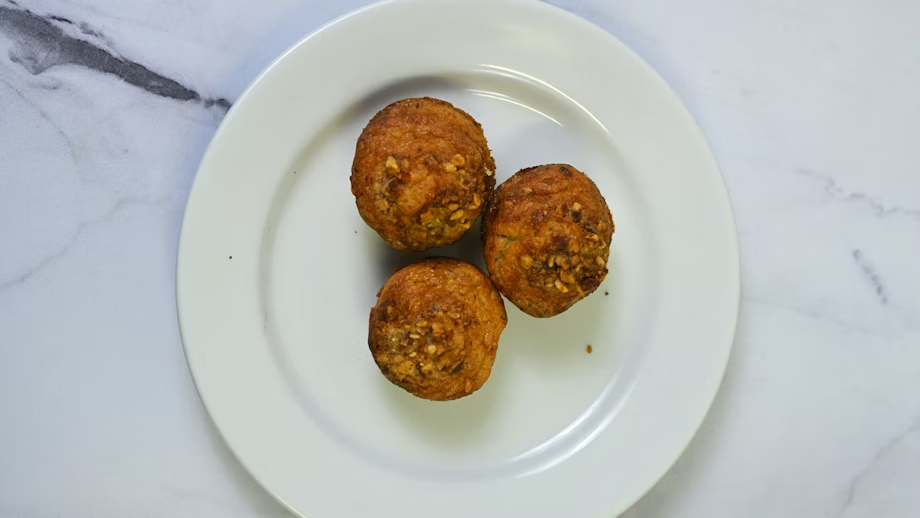
1. Keto Cinnamon Mini Muffins
These Keto Cinnamon Mini Muffins are the perfect bite-sized treat for a low-carb diet. The combination of almond flour, flaxseed meal, and cinnamon creates a subtly sweet and nutty flavor, while the coconut oil adds a savory richness.
Made entirely with low-carb ingredients, these muffins are a great option to satisfy a sweet tooth while following a ketogenic diet.

2. Keto Cinnamon Roll Fat Bombs
These Keto Cinnamon Roll Fat Bombs are a delightful low-carb dessert with a rich, creamy flavor and a cinnamon twist.
The butter and cream cheese base gives these fat bombs a smooth, indulgent texture. At the same time, the erythritol and cinnamon powder create a sweet, spiced flavor profile reminiscent of traditional cinnamon rolls.
3. Keto French Toast Recipe
This Keto French Toast Recipe offers a delicious low-carb alternative to the traditional dish without the added carbs. It features keto bread dipped in a rich cinnamon-egg mixture and cooked to golden perfection.
With only 6.6 grams of carbohydrates per serving, this recipe is perfect for anyone following a ketogenic diet. Top it with grass-fed butter and keto-friendly maple syrup for a satisfying breakfast that keeps you in fat-burning mode.
Key takeaways
- Ceylon cinnamon has a mild, sweet flavor and lower coumarin levels, making it suitable for lighter dishes.
- Cassia cinnamon is more robust, widely available, and affordable, but it contains higher coumarin concentrations, which may affect liver health if consumed in excess.
- Both cinnamon varieties support blood sugar regulation, support inflammatory balance, and provide antioxidant benefits.
- Choosing between Ceylon and cassia depends on personal taste, cooking style, and long-term health goals.
FAQ
- 1. Ceylon cinnamon vs. cassia cinnamon, which is better?
- 2. Who should not use Ceylon cinnamon?
- 3. Does cinnamon have health benefits?
- 4. Will cinnamon break a fast?
- 5. Does cinnamon help with weight loss?
Sources
- https://www.sciencedirect.com/science/article/abs/pii/S092809872030213X
- Pagliari S, Forcella M, Lonati E, et al. Antioxidant and Anti-Inflammatory Effect of Cinnamon (Cinnamomum verum J. Presl) Bark Extract after In Vitro Digestion Simulation. Foods. 2023;12(3):452. https://pmc.ncbi.nlm.nih.gov/articles/PMC9914695/
- https://www.sciencedirect.com/topics/agricultural-and-biological-sciences
Related Articles
-
10 Delicious Keto Cauliflower Recipes
 Food and Drink
10 Delicious Keto Cauliflower Recipes
At a glance Cauliflower is a versatile cruciferous vegetable commonly used in keto cooking because it can serve as a delicious substitute for higher-carb ingredients in many popular dishes. From…09/18/2026 -
Simple Ways to Eat More Nutrient-Dense Foods
 Superfoods
Simple Ways to Eat More Nutrient-Dense Foods
At a glance Choosing nutrient-dense foods can help improve the quality of your meals while reducing reliance on ultra-processed products. Whole foods such as seafood, leafy greens, berries, and grass-fed…08/20/2026 -
Grass-Fed vs. Grain-Fed: What’s the Difference?
 Food and Drink
Grass-Fed vs. Grain-Fed: What’s the Difference?
At a glance Grass-fed and grain-fed beef differ in how cattle are raised and fed throughout their lives. These feeding practices can influence the nutritional characteristics, flavor, texture, and overall…07/30/2026 -
Wild-Caught vs. Farm-Raised Fish: What’s the Difference?
 Nutrition
Wild-Caught vs. Farm-Raised Fish: What’s the Difference?
At a glance Wild-caught and farm-raised fish differ in nutrient quality, sourcing methods, and overall eating experience. Wild-caught fish come from natural environments and support a more balanced fatty acid…07/09/2026 -
Eating Out on Keto: Simple Ordering Strategies
 Food and Drink
Eating Out on Keto: Simple Ordering Strategies
At a glance Restaurant meals are often centered around carbohydrate-rich foods, which can make low-carb dining more difficult. Hidden carbohydrates are also common in sauces, dressings, and other prepared ingredients.…06/25/2026 -
9 Keto Staples for Your Pantry and Fridge
 Nutrition
9 Keto Staples for Your Pantry and Fridge
At a glance Keeping the right foods on hand makes it easier to stay consistent on a ketogenic diet without relying on highly processed products. A well-stocked keto pantry focuses…06/19/2026 -
How to Spot Hidden Carbs
 Keto
KetoHow to Spot Hidden Carbs
At a glance Hidden carbs are found in many everyday foods that may not appear high in carbohydrates, including sauces, processed meats, dairy products, and salad dressings. These overlooked sources…06/05/2026 -
Keto-Friendly Sauces and Condiments
 Nutrition
Keto-Friendly Sauces and Condiments
At a glance Keto-friendly sauces and condiments can help support ketosis by keeping overall carbohydrate intake within the limit of 20 to 50 grams per day. Choosing options made with…06/01/2026 -
8 Unique Benefits of Turmeric Tea
 Nutrition
8 Unique Benefits of Turmeric Tea
At a glance Turmeric tea contains curcumin, a bioactive compound that offers anti-inflammatory and antioxidant effects that may support brain and heart health, improve digestion, help regulate weight, and strengthen…05/15/2026 4.4k views -
Keto on a Budget: Tips and Foods to Eat
 Diet
DietKeto on a Budget: Tips and Foods to Eat
At a glance A ketogenic diet can be maintained using simple, affordable whole foods rather than expensive specialty products. Prioritizing versatile ingredients and planning meals strategically can help reduce grocery…04/24/2026


