

At a glance
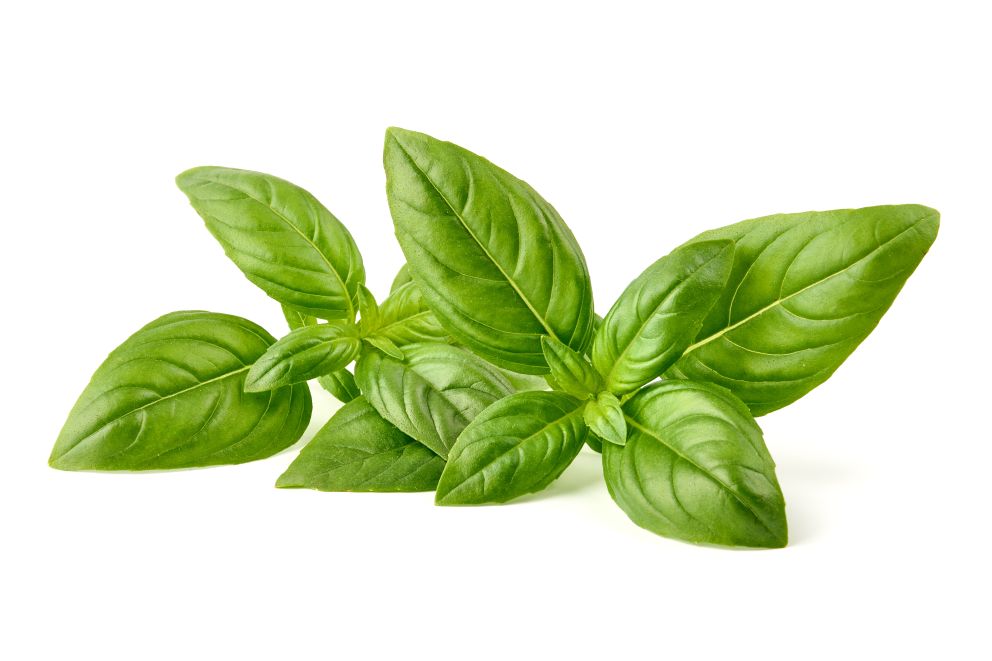
Basil is a nutrient-dense culinary herb rich in antioxidants, flavonoids, and essential minerals that support metabolic, liver, and cardiovascular health. Widely used in traditional medicine, basil is a rich source of bioactive compounds with antimicrobial, anti-inflammatory, and blood sugar-balancing properties.
Basil is a fragrant herb used in traditional medicine to support liver health, promote cardiovascular functions, and help reduce inflammation.
It’s a popular seasoning in Mediterranean, Asian, and African cuisines, prized for its savory, mildly spicy flavor and bold aroma.
Discover five incredible basil benefits and learn how to incorporate this culinary herb into your meal plan.
What is basil?
Ocimum basilicum, widely known as basil, is an annual herb belonging to the Lamiaceae family, which also includes mint, rosemary, and oregano.
Basil has been valued for thousands of years in both culinary applications and traditional herbal medicine, particularly in Southeast Asian and Ayurvedic practices.
Originally native to India, Africa, and Southeast Asia, basil is now grown worldwide and widely used in Italian, Thai, and Vietnamese cuisine.
Because basil is easy to cultivate, it can be found growing in home gardens and kitchens along with many other culinary herbs.
Common varieties of basil
There are nearly 150 varieties of basil, most of which are known for their slightly sweet aroma, peppery flavor, and vibrant green leaves.
However, basil leaves can vary in shape, size, color, and flavor, making it a versatile herb for a wide range of culinary dishes and flavor profiles.
Common varieties of basil include:
- Sweet basil
- Holy basil
- Lemon basil
- Thai basil
- Genovese basil
- Purple basil
Sweet basil is the most popular variety, used primarily in Italian dishes for its mildly sweet and minty taste. Sweet basil leaves are green, rounded, and come to a downward-pointed tip.
Holy basil has a bitter, peppery taste and is revered in India as a sacred herb often used for religious and medicinal purposes. The leaves of holy basil are toothed, oval-shaped, and glossy, and can appear green or purple.
Lemon basils have a citrusy aroma and taste, and are preferred for fish and seafood dishes. These varieties feature light green, narrow leaves and pungent white flower buds.
Thai basil has a spicy, licorice-like taste and a high cooking point, making it an ideal choice for stir-frying and other Asian cooking techniques. Its leaves are flat, narrow, pointed, and deep green.
Genovese basil, native to Genoa, Italy, is renowned for its bold, sweet, and slightly spicy flavor. Its leaves are larger, darker, and more aromatic compared to those of sweet basil.
Purple basil has a spicy taste similar to cloves and is often used in Asian cuisine. Its leaves are reddish-purple, serrated, and glossy with pointed tips.
Watch the video below to learn about the amazing health and nutritional benefits of basil.
Is basil keto-friendly?
Basil is one of the many keto-approved foods as it contains negligible amounts of calories, very few carbohydrates, and no sugars, making it a suitable seasoning and herb for those following a ketogenic diet.
According to the U.S. Department of Agriculture (USDA), five fresh basil leaves contain:
- 0.6 calories
- 0.1 g protein
- 0.0 g fat
- 0 g total sugars
- 0.1 g total carbs
- 0.1 g fiber
- 0 g net carbs
Basil is also a rich source of essential vitamins and minerals, including:
- Vitamin K
- Calcium
- Iron
- Magnesium
- Phosphorous
- Potassium

5 basil benefits
Basil contains several potent health-promoting compounds that can help support cardiovascular health, reduce inflammation, and optimize liver function.
Here are five incredible health benefits of basil.
1. Offers antimicrobial properties
Basil has been shown to have potent antimicrobial properties that are effective against various strains of bacteria, yeast, and fungi.
This is likely due to its high concentrations of linalool, a naturally occurring terpene alcohol often used in cosmetics as a fragrance and antibacterial agent.
“Basil can decrease the activity of pathogenic bacteria, including Staphylococcus, Escherichia, and Listeria,” explains Dr. Berg. “Those who are resistant to antibiotics may benefit from regularly consuming basil.”
2. Supports liver function
Basil is a rich source of flavonoids, a group of potent phytonutrients found in various plant foods.
Flavonoids may have hepatoprotective effects by increasing the activity of antioxidant enzymes and reducing oxidative stress. This helps protect liver cells from damage, supports detoxification processes, and promotes overall liver health.
Basil intake may also help decrease aspartate aminotransferase (AST) and alanine aminotransferase (ALT) levels, two liver enzymes that indicate liver health. Elevated AST and ALT levels are often associated with liver stress, inflammation, or tissue damage.
3. Enhances blood sugar balance
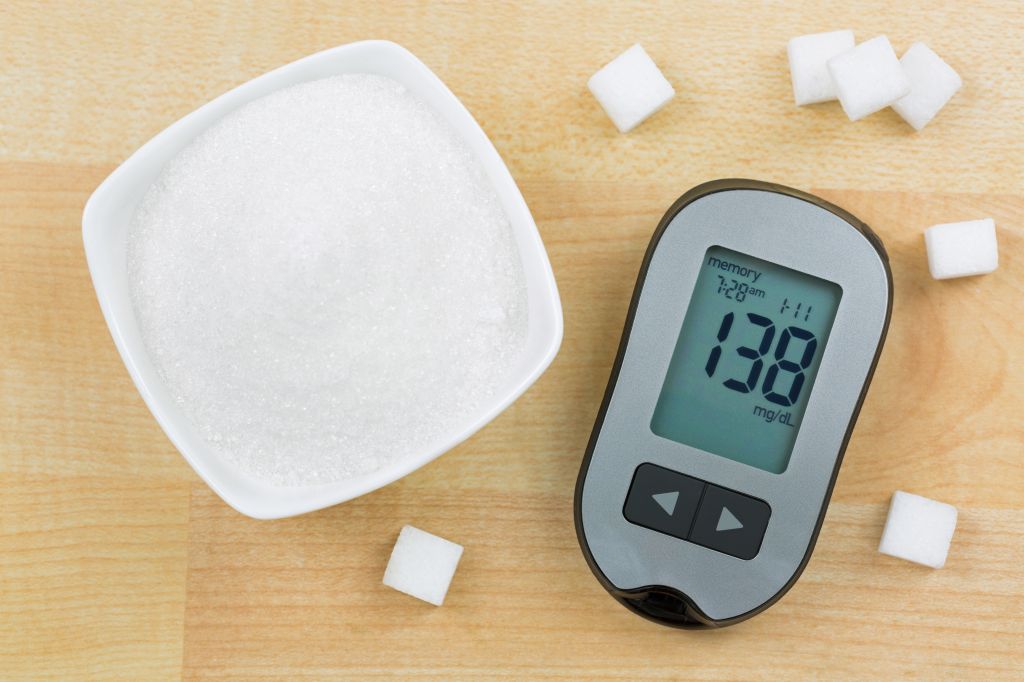
Poor blood sugar control can lead to an increased risk of diabetes, cardiovascular conditions, kidney issues, nerve damage, and vision loss.
Incorporating basil into your diet may help lower elevated blood sugar levels by slowing glucose absorption and enhancing the body’s ability to process and regulate blood sugar levels.
A study published in the Advances in Integrative Medicine investigated the potential blood sugar-balancing effects and subsequent benefits for diabetes management of basil leaves.
The authors conclude, “Basil leaves are effective in reducing diabetes-related markers such as blood glucose levels, oxidative stress, insulin resistance, advanced glycated end products, and in improving insulin sensitivity, pancreatic beta cell functions, and lipid profile in diabetes.”
This suggests that basil leaf extract may offer a natural alternative or complementary approach for regulating blood sugar levels and improving metabolic health.
4. Promotes cardiometabolic health
Sweet basil has been used for centuries to lower the risk of cardiovascular disease and high blood pressure.
Basil contains eugenol, a phenolic compound that may lower blood pressure by relaxing the walls of blood vessels.
Additionally, eugenol can inhibit lipogenesis, the process of converting blood sugar into fatty acids. This explains why basil may help prevent excessive weight gain and supports balanced lipid and cholesterol levels.
5. May reduce inflammation
Basil leaves are rich sources of antioxidants with potent anti-inflammatory properties, which are linked to balanced immune responses and a lower risk of chronic inflammation.
Free radicals are unstable molecules produced during metabolic and detoxification processes. They can damage cellular components, contributing to the development of cardiovascular disease and various inflammation-related conditions.
A study published in the Iranian Journal of Basic Medical Sciences found that basil has immunomodulatory, anti-inflammatory, and antioxidant potential and may help improve the body’s inflammatory response.
Basil uses and recipes
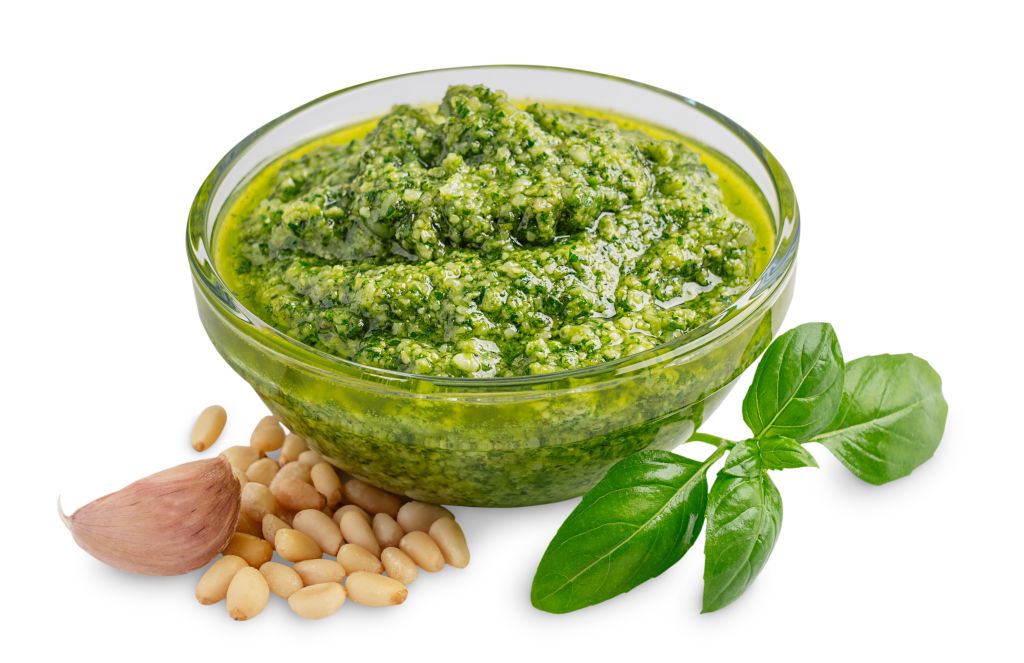
Although basil is primarily known for its role in Italian dishes such as soups, pizzas, salads, pasta dishes, and pesto sauce, it has a wide range of applications.
These include infusions for beverages and vinegar, as well as seasoning and serving as a key ingredient in various dishes.
Fruits such as berries pair well with basil and are often used as a garnish for salads and various beverages.
Basil can also be incorporated into desserts and Asian dishes, including curry, summer rolls, Thai basil chicken, daal, stir fry, and noodle bowls.
Those following a keto diet can savor the health benefits and flavor of basil by opting for low-carb alternatives to traditional Mediterranean and Asian dishes.
Here are some delicious keto basil recipes:
You can also pair homemade pesto with keto-friendly pasta recipes such as Keto Gnocchi, spiralized zucchini noodles, or Keto Egg Noodles to create low-carb Italian and Asian-inspired dishes.

Who should avoid basil?
Incorporating basil in typical dietary amounts is generally considered safe for healthy adults.
However, those with bleeding disorders, low blood pressure, or individuals who have been prescribed blood thinners or diabetes drugs should avoid excessive dietary intake of basil.
Basil has hypotensive properties, which can interfere with certain medications and may cause dangerously low blood pressure, leading to difficulty concentrating, blurred vision, dizziness, and other symptoms.
Holy basil can also slow blood clotting, which may increase the risk of bleeding and bruising in those taking anticoagulants such as warfarin.
Key takeaways
- Basil contains antimicrobial compounds, including linalool, that may help inhibit the growth of harmful bacteria and fungi.
- Due to its high flavonoid content, basil may support liver health by reducing oxidative stress and promoting normal detoxification processes.
- Basil intake can promote balanced blood sugar levels by slowing glucose absorption and supporting metabolic balance.
- There are various basil varieties, adding fresh, aromatic flavor to a wide range of dishes, from salads and sauces to soups, vegetables, and meat or fish-based meals.
FAQ
- 1. What are the top basil benefits?
- 2. Can I have basil on keto?
- 3. Is basil pesto keto-friendly?
- 4. How can I use basil?
- 5. What does basil do for your body?
- 6. Is it okay to eat basil every day?
- 7. Who should avoid consuming basil?
Sources
- https://fdc.nal.usda.gov/food-search/?query=172232
- https://www.sciencedirect.com/science/article/abs/pii/S2212958824000958
- https://pmc.ncbi.nlm.nih.gov/articles/PMC10237160/
Related Articles
-
10 Delicious Keto Cauliflower Recipes
 Food and Drink
10 Delicious Keto Cauliflower Recipes
At a glance Cauliflower is a versatile cruciferous vegetable commonly used in keto cooking because it can serve as a delicious substitute for higher-carb ingredients in many popular dishes. From…09/18/2026 -
Simple Ways to Eat More Nutrient-Dense Foods
 Superfoods
Simple Ways to Eat More Nutrient-Dense Foods
At a glance Choosing nutrient-dense foods can help improve the quality of your meals while reducing reliance on ultra-processed products. Whole foods such as seafood, leafy greens, berries, and grass-fed…08/20/2026 -
Grass-Fed vs. Grain-Fed: What’s the Difference?
 Food and Drink
Grass-Fed vs. Grain-Fed: What’s the Difference?
At a glance Grass-fed and grain-fed beef differ in how cattle are raised and fed throughout their lives. These feeding practices can influence the nutritional characteristics, flavor, texture, and overall…07/30/2026 -
Wild-Caught vs. Farm-Raised Fish: What’s the Difference?
 Nutrition
Wild-Caught vs. Farm-Raised Fish: What’s the Difference?
At a glance Wild-caught and farm-raised fish differ in nutrient quality, sourcing methods, and overall eating experience. Wild-caught fish come from natural environments and support a more balanced fatty acid…07/09/2026 -
Eating Out on Keto: Simple Ordering Strategies
 Food and Drink
Eating Out on Keto: Simple Ordering Strategies
At a glance Restaurant meals are often centered around carbohydrate-rich foods, which can make low-carb dining more difficult. Hidden carbohydrates are also common in sauces, dressings, and other prepared ingredients.…06/25/2026 -
9 Keto Staples for Your Pantry and Fridge
 Nutrition
9 Keto Staples for Your Pantry and Fridge
At a glance Keeping the right foods on hand makes it easier to stay consistent on a ketogenic diet without relying on highly processed products. A well-stocked keto pantry focuses…06/19/2026 -
How to Spot Hidden Carbs
 Keto
KetoHow to Spot Hidden Carbs
At a glance Hidden carbs are found in many everyday foods that may not appear high in carbohydrates, including sauces, processed meats, dairy products, and salad dressings. These overlooked sources…06/05/2026 -
Keto-Friendly Sauces and Condiments
 Nutrition
Keto-Friendly Sauces and Condiments
At a glance Keto-friendly sauces and condiments can help support ketosis by keeping overall carbohydrate intake within the limit of 20 to 50 grams per day. Choosing options made with…06/01/2026 -
8 Unique Benefits of Turmeric Tea
 Nutrition
8 Unique Benefits of Turmeric Tea
At a glance Turmeric tea contains curcumin, a bioactive compound that offers anti-inflammatory and antioxidant effects that may support brain and heart health, improve digestion, help regulate weight, and strengthen…05/15/2026 4.4k views -
Keto on a Budget: Tips and Foods to Eat
 Diet
DietKeto on a Budget: Tips and Foods to Eat
At a glance A ketogenic diet can be maintained using simple, affordable whole foods rather than expensive specialty products. Prioritizing versatile ingredients and planning meals strategically can help reduce grocery…04/24/2026


