

At a glance
While various traditionally fermented cheeses contain live cultures that support gut health, many modern cheeses are highly processed or pasteurized, which destroys beneficial bacteria. Choosing raw, unpasteurized, and properly aged cheeses can provide natural probiotics that promote digestive functions, immune defenses, and overall microbiome balance.
Probiotic cheeses contain live and active cultures that support digestive health and microbiome diversity. However, not all cheeses are healthy or offer probiotics, as pasteurization and processing can destroy beneficial bacteria and nutritional value.
Learn which types of cheese are sources of probiotics and discover other health-promoting probiotic foods that can support gut functions, immunity defenses, and overall well-being.
Does cheese contain beneficial microbes?
Many types of cheese contain beneficial microbes, also known as probiotics, which are formed during traditional fermentation processes.
Raw milk cheeses are the richest sources of probiotics because they are made from unpasteurized milk, which allows the cheese to retain its natural microbial content.
A study published in the International Journal of Food Microbiology found that “Traditional know-how from farming to cheese processing helps maintain both the richness of the microbiota in individual cheeses and the diversity between cheeses throughout processing.”
The consumption of foods rich in probiotic bacteria has been associated with improved gut microbiome balance, optimal digestive health, and robust immune functions.
Supporting a diverse gut microbiome may also influence mental well-being through the gut-brain axis. This bidirectional communication network between the gastrointestinal tract and the brain is partially mediated by microbes present in the large intestine.
A study published in Foods found that probiotic properties of dairy-derived lactic acid bacteria may positively influence weight management, heart health, and mental wellness.
However, ultra-processed options, such as American cheese, cheese spreads, and cheese in cans, aren’t authentic cheeses but rather pasteurized cheese products consisting mainly of additives, emulsifiers, and synthetic fillers.
Additionally, even organic or grass-fed pasteurized cheeses aren’t always beneficial for gut health, as high-heat processing during pasteurization destroys beneficial bacteria.
Watch the video below to learn more about the benefits of probiotic cheeses.
Types of cheese that contain live cultures
During fermentation and aging, the naturally occurring bacteria in raw and traditionally made cheeses help develop their distinct flavors and textures, and many of these microbes remain active in the final products.
Here are six cheeses that contain live cultures.
1. Gruyère
Gruyère is a Swiss hard cheese made by fermenting cow’s milk with thermophilic lactic acid bacteria such as Streptococcus thermophilus and Lactobacillus helveticus.
These beneficial bacterial cultures facilitate a prolonged aging process, producing Gruyère’s distinct nutty and earthy flavors.
Because various bacterial strains in Gruyère can survive the stomach’s acidity, regularly eating this cheese variety may help support a balanced gut microbiome.
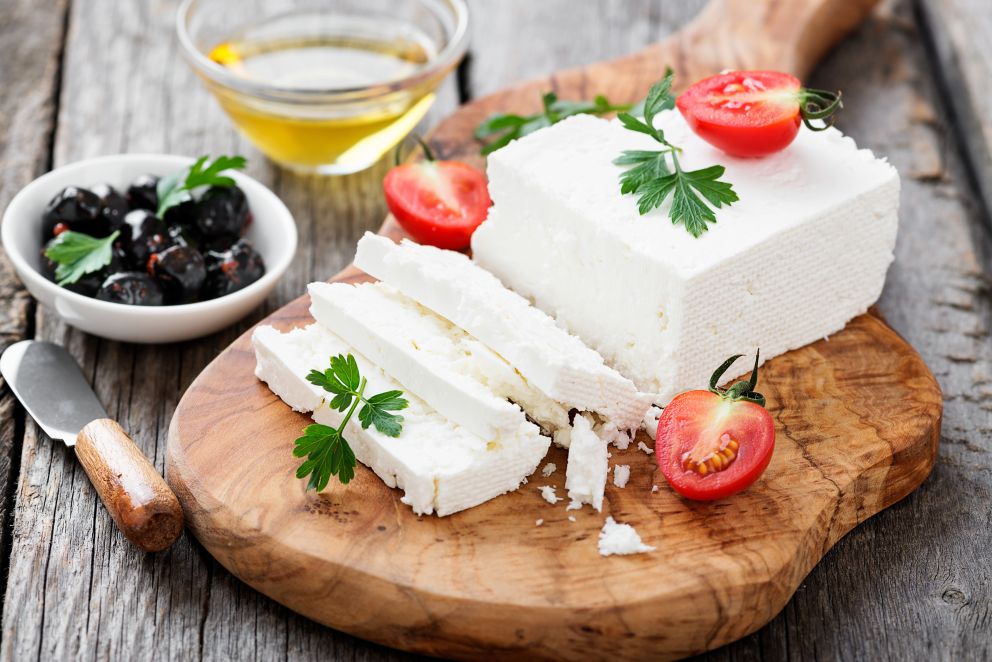
2. Feta
Feta is a soft Greek and brined cheese traditionally made primarily from sheep’s milk or a mixture of sheep and goat’s milk. In contrast, many feta-style cheeses produced outside of Greece use regular cow’s milk instead.
Authentic feta cheese contains lactic acid bacteria, such as Lactobacillus plantarum and Lactococcus lactis, which thrive in its salty brine and contribute to its tangy, savory flavor.
These beneficial strains can survive stomach acid, thereby helping support healthy digestion and boost immunity against harmful microbes, including Salmonella and Escherichia coli (E. coli).
3. Gouda
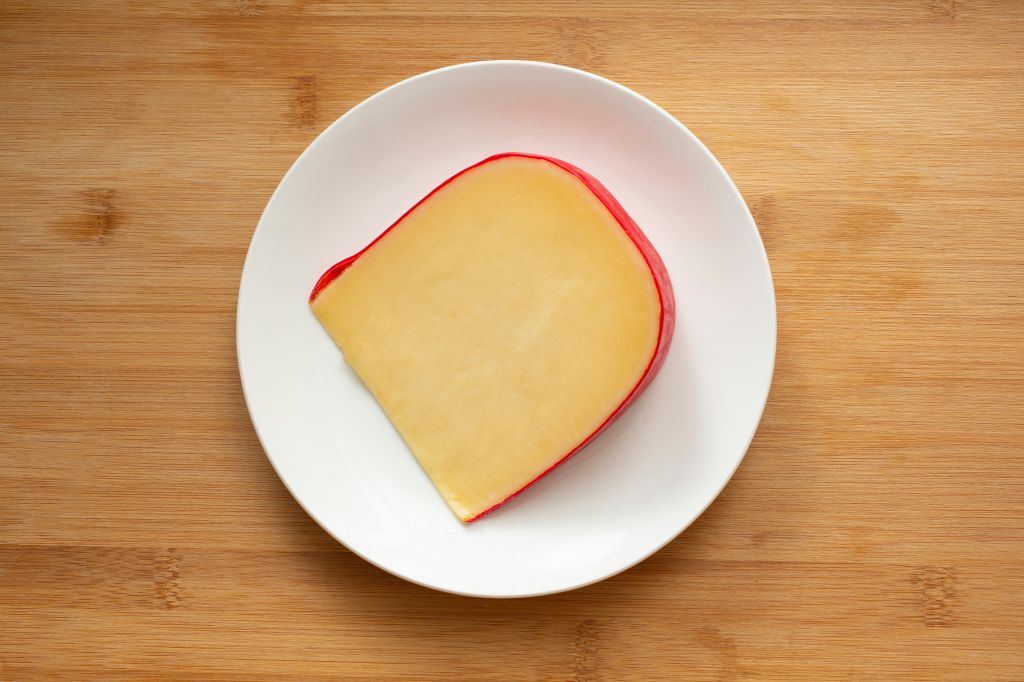
Gouda is a Dutch semi-hard cheese that has been aged for several weeks to years, depending on the exact variety.
It’s a rich source of Lactobacillus rhamnosus, Lactococcus lactis, and Streptococcus thermophilus bacteria, which infuse Gouda with its creamy texture and robust flavor.
These probiotic strains have been shown to help strengthen the gut barrier, support immune function, and help create an intestinal environment less favorable for the growth of harmful pathogens.
Additionally, Gouda is considered one of the most probiotic-rich cheeses, making it an excellent choice for those seeking to boost their probiotic intake through dairy.
4. Parmigiano Reggiano
Parmigiano Reggiano, commonly known as Parmesan, is a popular Italian hard cheese.
Unlike mass-produced Parmesan, which is typically processed quickly, Parmigiano Reggiano develops its savory flavor and crystalline texture through a prolonged aging period of up to 36 months.
“Conventional Parmesan is a pasteurized cheese product made with fillers, which is very different from authentic Parmigiano Reggiano,” explains Dr. Berg. “Parmigiano Reggiano uses only raw milk, salt, and enzymes to develop its rich flavor and beneficial probiotic qualities.”
Additionally, its extended fermentation process reduces lactose content to nearly zero, making Parmigiano Reggiano a potentially suitable option for those with lactose intolerance.
5. Swiss
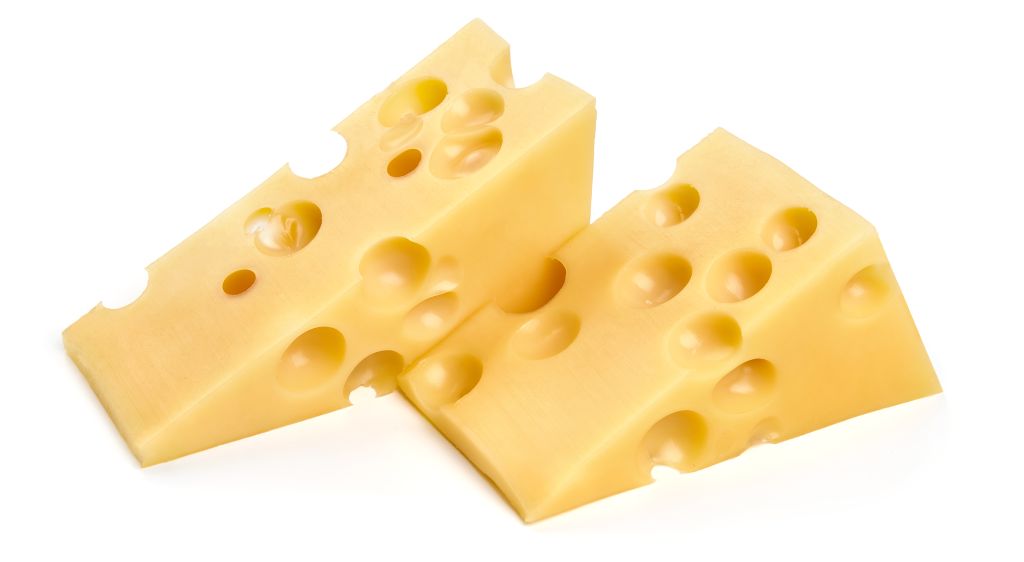
Swiss cheese, such as Emmental, is a hard or semi-hard variety produced in Switzerland that’s known for its large holes and nutty flavor.
Traditional Swiss cheese is made using raw milk and undergoes a long fermentation and aging process, making it a good source of beneficial bacteria, such as Propionibacterium freudenreichii.
A study published in Frontiers in Microbiology found that this probiotic strain exhibits immunomodulatory and anti-inflammatory properties, which may help reduce intestinal inflammation while supporting a diverse and resilient microbiome.
6. Aged cheddar cheese
Aged cheddar is a hard, cow’s-milk-derived cheese typically matured for several months to a year, though specialty varieties can be aged for up to 20 years to develop a deeper flavor.
During the aging process, naturally occurring lactic acid bacteria, including Lactobacillus paracasei, Lactobacillus casei, and Lactobacillus rhamnosus, play a key role in shaping cheddar’s sharp taste and probiotic factors.
In addition, these beneficial microorganisms have been shown to survive stomach acid and bile salts, enabling them to reach the intestines, where they may contribute to microbial diversity and overall gut health.
How to choose probiotic cheese
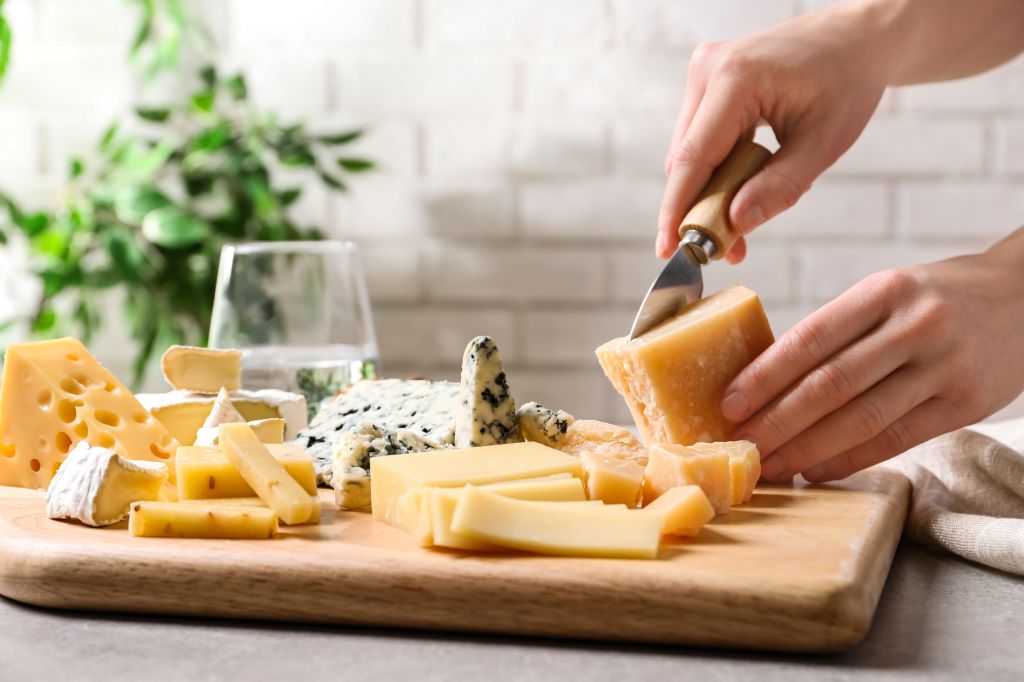
Choosing a high-quality cheese helps ensure that you maximize probiotic value and associated health benefits.
Check the product label to identify varieties containing live cultures. Phrases such as “contains live and active cultures” or the names of specific strains, like Lactobacillus or Bifidobacterium, indicate that the cheese contains beneficial probiotic strains.
It’s also vital to choose brands that are made from unheated raw milk, as raw and fermented milk cheeses contain higher probiotic content and more beneficial enzymes than pasteurized options.
Additionally, organic and grass-fed cheese provide essential nutrients that help support overall health. These include healthy fats and fat-soluble nutrients, including vitamins A, D, E, and K2, which are important for vision, bone, and cardiovascular health.
Cheese also contains calcium and magnesium, conjugated linoleic acid (CLA), and omega-3 fatty acids, rich in anti-inflammatory, immune-boosting, and heart-healthy properties.
Other probiotic-rich foods
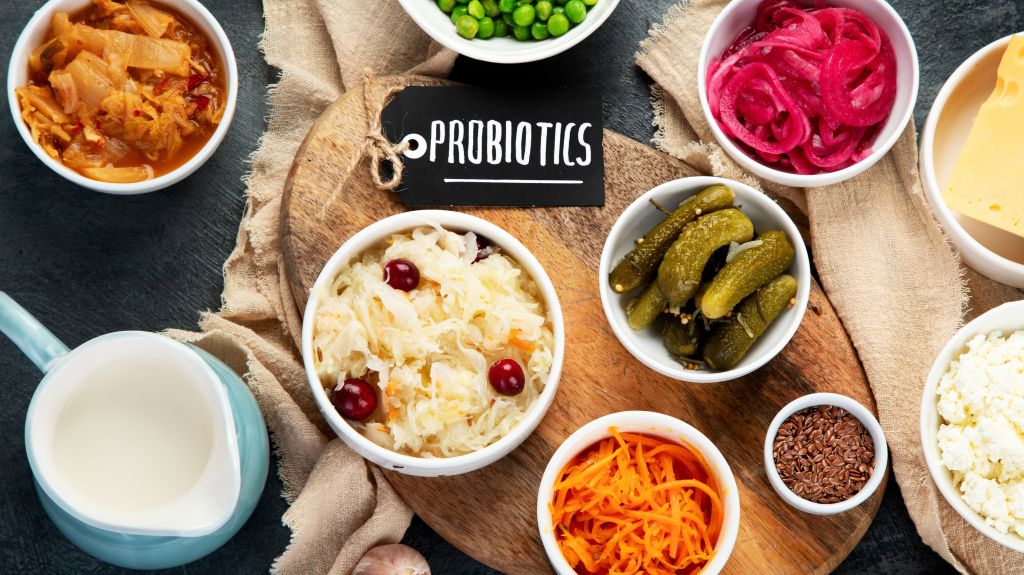
Contrary to common belief, not all fermented foods contain live probiotics.
To support gut health, it’s vital to choose foods that are naturally fermented and unpasteurized, as heat treatment destroys beneficial bacteria.
Additionally, certain foods are preserved using vinegar or alcohol rather than through microbial activity. While these products may have the flavor of fermentation, they don’t offer live probiotic cultures.
Here are five additional foods rich in probiotic microorganisms.
1. Sauerkraut
Sauerkraut is a form of fermented cabbage rich in lactic acid bacteria, including Leuconostoc and Lactobacillus plantarum, that may help support a balanced microbiome, digestive health, and immunity.
It’s also a good source of vitamins C and K, which support collagen production, cardiovascular health, and skeletal integrity.
2. Kombucha
Kombucha is a fermented beverage produced from tea, carbohydrates, and a symbiotic culture of bacteria and yeast, often referred to as SCOBY.
This fermented drink is rich in organic acids and beneficial microbes, such as Gluconacetobacter and Lactobacillus, that boost digestive function and diversity.
3. Kefir
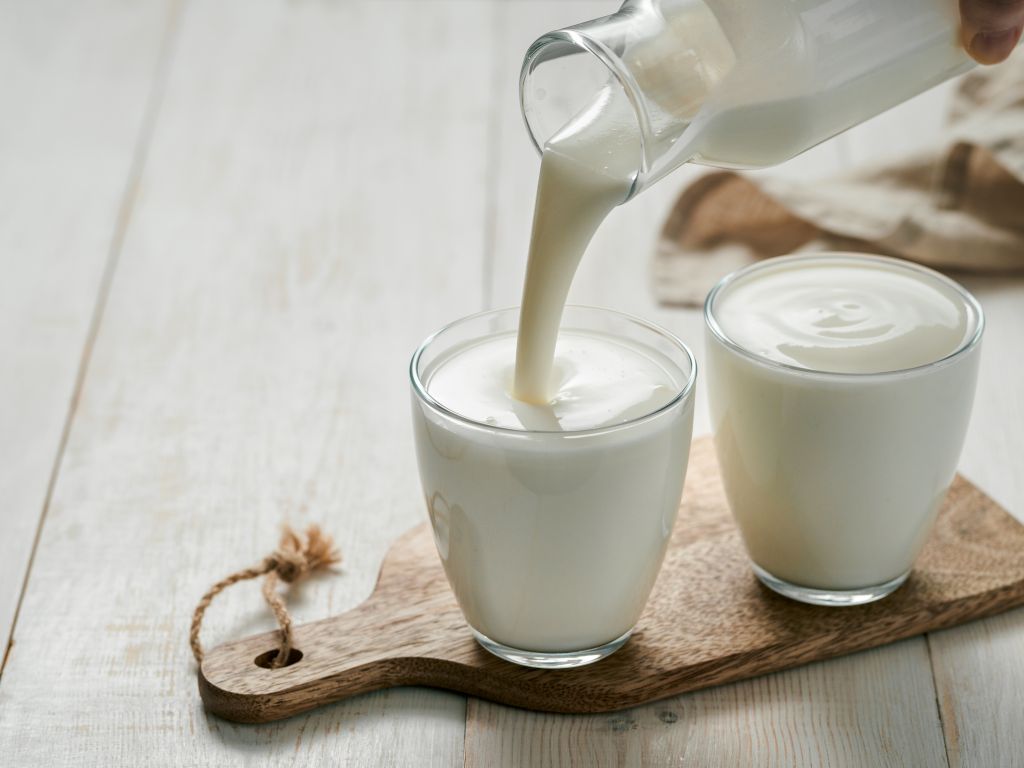
Kefir is a cultured milk drink often compared to yogurt. However, kefir tends to offer a more diverse profile of beneficial bacteria, with each kefir grain containing dozens of bacteria and yeast strains, including Lactobacillus kefiri.
This strain may help maintain a healthy gut microbiome, promote antimicrobial activity against harmful bacteria, reduce symptoms of irritable bowel syndrome (IBS), and potentially reduce lactose intolerance.
4. Kimchi
Kimchi is a traditional fermented Korean dish made from radishes, cabbage, garlic, chili, and ginger.
In addition to being a good source of fiber, antioxidants, and vitamin C, kimchi contains lactic acid bacteria linked to better gut health and weight management.
5. Pickles
Cucumbers fermented in a saltwater brine contain lactic acid bacteria, such as Lactobacillus plantarum, which support digestion and microbiome balance. Brine-cured pickles are also a simple option to prepare at home.
Key takeaways
- Certain raw and traditionally fermented cheeses are excellent sources of live probiotic cultures.
- Cheese varieties such as Gruyère, Gouda, Swiss, feta, Parmesan, and aged cheddar naturally support gut and immune health.
- Mass-produced pasteurized and processed cheeses lack beneficial microbes.
- Raw, unpasteurized, grass-fed cheese options offer the greatest probiotic and nutritional benefits.
- Other fermented foods, such as kefir, sauerkraut, and brine-fermented pickles, also support microbial diversity and are excellent additions to a health-focused diet.
FAQ
- 1. How can I tell if a cheese has live cultures?
- 2. What types of cheese naturally contain probiotics?
- 3. Is all cheese good for gut health?
- 4. Are probiotic cheeses suitable for people with lactose intolerance?
Sources
- Montel MC, Buchin S, Mallet A, et al. Traditional cheeses: rich and diverse microbiota with associated benefits. Int J Food Microbiol. 2014;177:136-54. https://pubmed.ncbi.nlm.nih.gov/24642348/
- https://pubmed.ncbi.nlm.nih.gov/34945650/
- Rabah H, Ferret-Bernard S, Huang S, et al. The Cheese Matrix Modulates the Immunomodulatory Properties of Propionibacterium freudenreichii CIRM-BIA 129 in Healthy Piglets. Front Microbiol. 2018;9:2584. https://pmc.ncbi.nlm.nih.gov/articles/PMC6215859/
Related Articles
-
10 Delicious Keto Cauliflower Recipes
 Food and Drink
10 Delicious Keto Cauliflower Recipes
At a glance Cauliflower is a versatile cruciferous vegetable commonly used in keto cooking because it can serve as a delicious substitute for higher-carb ingredients in many popular dishes. From…09/18/2026 -
Simple Ways to Eat More Nutrient-Dense Foods
 Superfoods
Simple Ways to Eat More Nutrient-Dense Foods
At a glance Choosing nutrient-dense foods can help improve the quality of your meals while reducing reliance on ultra-processed products. Whole foods such as seafood, leafy greens, berries, and grass-fed…08/20/2026 -
Grass-Fed vs. Grain-Fed: What’s the Difference?
 Food and Drink
Grass-Fed vs. Grain-Fed: What’s the Difference?
At a glance Grass-fed and grain-fed beef differ in how cattle are raised and fed throughout their lives. These feeding practices can influence the nutritional characteristics, flavor, texture, and overall…07/30/2026 -
Wild-Caught vs. Farm-Raised Fish: What’s the Difference?
 Nutrition
Wild-Caught vs. Farm-Raised Fish: What’s the Difference?
At a glance Wild-caught and farm-raised fish differ in nutrient quality, sourcing methods, and overall eating experience. Wild-caught fish come from natural environments and support a more balanced fatty acid…07/09/2026 -
Eating Out on Keto: Simple Ordering Strategies
 Food and Drink
Eating Out on Keto: Simple Ordering Strategies
At a glance Restaurant meals are often centered around carbohydrate-rich foods, which can make low-carb dining more difficult. Hidden carbohydrates are also common in sauces, dressings, and other prepared ingredients.…06/25/2026 -
9 Keto Staples for Your Pantry and Fridge
 Nutrition
9 Keto Staples for Your Pantry and Fridge
At a glance Keeping the right foods on hand makes it easier to stay consistent on a ketogenic diet without relying on highly processed products. A well-stocked keto pantry focuses…06/19/2026 -
How to Spot Hidden Carbs
 Keto
KetoHow to Spot Hidden Carbs
At a glance Hidden carbs are found in many everyday foods that may not appear high in carbohydrates, including sauces, processed meats, dairy products, and salad dressings. These overlooked sources…06/05/2026 -
Keto-Friendly Sauces and Condiments
 Nutrition
Keto-Friendly Sauces and Condiments
At a glance Keto-friendly sauces and condiments can help support ketosis by keeping overall carbohydrate intake within the limit of 20 to 50 grams per day. Choosing options made with…06/01/2026 -
8 Unique Benefits of Turmeric Tea
 Nutrition
8 Unique Benefits of Turmeric Tea
At a glance Turmeric tea contains curcumin, a bioactive compound that offers anti-inflammatory and antioxidant effects that may support brain and heart health, improve digestion, help regulate weight, and strengthen…05/15/2026 4.4k views -
Keto on a Budget: Tips and Foods to Eat
 Diet
DietKeto on a Budget: Tips and Foods to Eat
At a glance A ketogenic diet can be maintained using simple, affordable whole foods rather than expensive specialty products. Prioritizing versatile ingredients and planning meals strategically can help reduce grocery…04/24/2026


