

At a glance
Irritable bowel syndrome is a functional digestive disorder marked by abdominal discomfort and irregular bowel habits. While the exact cause is unknown, symptoms are often linked to dietary stressors, lifestyle factors, and gut microbial imbalances. Identifying individual triggers and supporting digestive function with targeted strategies can help promote more predictable and comfortable digestion.
Irritable bowel syndrome is a common gut disorder linked to severe digestive discomfort, recurrent abdominal pain, changes in bowel habits, excessive gas, and bloating.
While the exact cause of irritable bowel syndrome remains unknown, symptoms are often triggered by certain foods, stress, hormonal fluctuations, and changes in gut microbiota diversity.
Discover common causes of irritable bowel syndrome and learn how making beneficial dietary changes can help reduce pain and improve symptoms.
What is IBS (irritable bowel syndrome)?
Irritable bowel syndrome (IBS) is a functional disorder, meaning it’s characterized by changes in gut functions rather than linked to damage or structural alterations of the gastrointestinal tract.
IBS affects how the small intestines and colon move and process food, often leading to digestive discomfort and irregular bowel movements.
It’s a common bowel disorder, with an estimated 10 to 15 percent of the population experiencing IBS-related gastrointestinal symptoms.
While IBS manifestation can vary significantly from person to person, it’s broadly categorized into four subtypes based on predominant bowel patterns.
The four primary IBS categories include:
- Constipation-predominant IBS (IBS-C)
- Diarrhea-predominant IBS (IBS-D)
- Mixed IBS (IBS-M)
- Unclassified (IBS-U)
Because IBS isn’t linked to tissue damage or structural changes, it can be difficult to diagnose using traditional testing methods. Instead, diagnosis typically relies on symptom patterns and ruling out other conditions.
This leaves many individuals feeling frustrated or dismissed as they struggle to receive an accurate diagnosis or effective treatment plan for persistent gut issues.
Watch the video below to discover simple and effective tips for IBS relief.
What causes irritable bowel syndrome?
A report published by the National Center for Complementary and Integrative Health (NCCIH) highlights that IBS is difficult to study due to its vague and fluctuating symptoms as well as the lack of clear diagnostic tests.1
While it’s generally challenging to pinpoint specific root causes that trigger the development of IBS, certain underlying imbalances and risk factors have been identified.
Here are common IBS triggers and risk factors.
IBS triggers
Because IBS doesn’t involve visible tissue damage or significant inflammation, it’s believed that heightened sensitivity in the gut lining, known as visceral hypersensitivity, may be linked to its development.
“Changes in the composition of gut microbes can disrupt the integrity of the intestinal lining,” says Dr. Berg. “This may explain why conditions such as small intestinal bacterial overgrowth and intestinal dysbiosis can contribute to IBS symptoms.”
In addition, intestinal viral or bacterial infections have been associated with the onset of sudden digestive issues and can worsen IBS symptoms.
Certain foods containing gluten, soy, or dairy, as well as those high in fermentable oligosaccharides, disaccharides, monosaccharides, and polyols (FODMAPs), have also been found to trigger IBS symptoms.
Furthermore, research published in the World Journal of Gastroenterology reports that IBS is significantly more common in individuals with anxiety, depression, and psychiatric disorders, pointing to a possible connection between mental health and gut function.2
IBS risk factors
Understanding and recognizing the risk factors of IBS can help identify those who may be more susceptible and support early intervention and management.
People more likely to develop IBS include those with:
- A family history of IBS
- Preexisting gastrointestinal disorders
- Celiac disease
- Chronic fatigue syndrome
- Chronic stress
- Poor sleep patterns
Furthermore, women are twice as likely to develop this disorder and often report more severe symptoms, which may indicate a role of hormonal influences in the development of IBS.

Symptoms of irritable bowel syndrome
IBS symptoms can vary widely but typically involve recurring digestive discomfort and changes in bowel habits, which are often triggered by stress, certain foods, or hormonal changes.
Common IBS symptoms include:
- Abdominal pain or cramping, often relieved after a bowel movement
- Constipation, frequent diarrhea, or both
- Bloating and gas
- Feeling of incomplete evacuation
- Nausea
- Brain fog
- Fatigue or low energy
Although less common, in severe cases, some individuals may experience nocturnal symptoms, including persistent abdominal pain or urgent bowel movements that can disrupt sleep.
In addition, many people report that IBS symptom severity worsens during periods of stress, emotional trauma, or poor sleep.

How to get relief from IBS
While IBS can be unpredictable, simple, natural strategies can help reduce pain, soothe the digestive tract, and improve symptoms.
Here are three effective remedies for fast IBS symptom relief.
1. Gut-soothing herbal teas
Alternative medicine approaches have used herbal teas for centuries to calm the digestive tract and help ease bloating, cramping, and gas.
Some of the best gut-soothing herbal teas include:
- Chamomile tea
- Ginger tea
- Fennel tea
- Lemon balm tea
- Coriander tea
- Carraway seed tea
These teas can help improve IBS symptoms and promote smoother digestion, especially during flare-ups.
Sipping on warm tea can also have a calming effect on the nervous system, which has been found beneficial for IBS management.

2. Deep-breathing exercises
A study published in Frontiers in Neuroscience found that deep breathing activates the parasympathetic nervous system, helping to reduce stress-related IBS flare-ups and relieve tension in the gut.
The authors conclude, “IBS patients receiving slow, deep-breathing intervention reported a significant improvement in stool consistency and the frequency of bowel movements.”
3. Apply heat
Placing a heating pad or hot water bottle on your abdomen relaxes the digestive tract muscles and can bring relief from cramping or spasms.
Heat therapy also improves circulation and soothes the gut, and many people find that this helps reduce pain and discomfort during an active IBS episode.

Healthy lifestyle tips for managing IBS
Effective management and prevention of IBS involves lifestyle changes that support a healthy digestive system and reduce symptom flare-ups.
Here are four healthy lifestyle tips for managing IBS.
1. Keep a food journal
Tracking what you eat can help identify potential connections between certain foods and IBS flare-ups.
Because IBS symptoms are often tied to a food intolerance or sensitivity rather than a true food allergy, keeping a journal can help pinpoint and identify potential trigger foods.
Common IBS food triggers include:
- Soy
- Gluten
- Dairy
- Fiber-rich foods
- Beans and legumes
- Artificial sweeteners
- Alcohol
- Processed foods
2. Support a diverse gut microbiota
Evidence published in Current Developments in Nutrition found that consuming fermented vegetables such as sauerkraut and kimchi showed benefits for individuals with IBS.
It’s believed that these foods support the gastrointestinal tract and immune system by enhancing microbial diversity. This may reduce IBS symptoms and support the gut’s overall function and integrity.
3. Follow a low-FODMAP diet
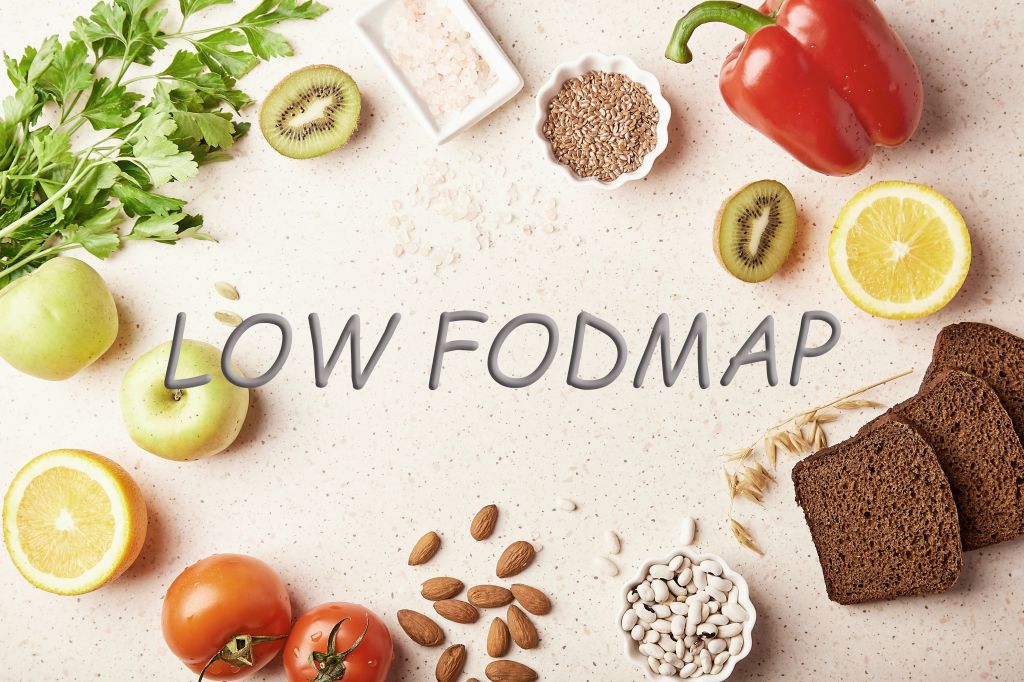
A large proportion of individuals with IBS report symptom improvements after adopting a low-FODMAP diet, which reduces intake of fermentable carbohydrates that can trigger bloating, gas, and discomfort.
FODMAPs are short-chain carbohydrates that are poorly absorbed in the small intestine and tend to ferment in the gut, often contributing to IBS symptoms such as cramping, bloating, gas, and irregular bowel habits.
Common high-FODMAP foods include onions, garlic, leeks, wheat, beans, chickpeas, and certain fruits like apples and pears.
It’s generally recommended to eliminate FODMAP-containing foods and observe if symptoms improve. Then gradually reintroduce one food at a time to identify personal triggers and formulate a more sustainable and individual dietary approach.
4. Support optimal stomach acidity
Effective digestive processes require optimal levels of stomach acid, which is needed to break down food, trigger the release of digestive enzymes, and signal the movement of food through the digestive tract.
Low stomach acid can lead to bloating, indigestion, and poor nutrient absorption, all issues commonly reported by those with IBS.
To support stomach acid levels, consider taking a diluted apple cider vinegar drink or lemon water before or with meals. This can help promote better digestive processes and reduce symptoms like gas, fullness, and discomfort.

When to talk to your doctor
It’s important to consult a healthcare provider if your IBS symptoms suddenly worsen or if you notice new or unusual changes in your bowel habits, such as persistent diarrhea, constipation, or blood in the stool.
These symptoms could indicate a more serious condition, such as inflammatory bowel disease (IBD), a gastrointestinal infection, or, in rare cases, colon cancer.
Your doctor may order stool tests, blood tests, or imaging to rule out other conditions and help accurately diagnose IBS.
Conventional IBS treatment typically involves a combination of dietary changes, stress management, and medications to relieve symptoms.
Depending on the type and severity of IBS, doctors may recommend antispasmodic drugs for cramping, laxatives for constipation, or anti-diarrheal medications for those with loose stools.
Key takeaways
- Irritable bowel syndrome (IBS) is a common gut disorder marked by bloating, abdominal discomfort, and changes in bowel habits such as diarrhea, constipation, or both.
- IBS symptoms are often influenced by food sensitivities, stress, sleep patterns, hormonal shifts, and changes in gut microbial balance.
- Managing IBS typically involves identifying trigger foods, supporting microbial diversity, following a low FODMAP diet, and promoting optimal stomach acidity.
- Gut-soothing herbal teas, deep belly breathing practices, and heat therapy can help ease digestive tension, reduce discomfort, and support overall digestive function.
FAQ
- 1. How can I get relief from irritable bowel syndrome?
- 2. How do you know if you have irritable bowel syndrome?
- 3. How common is IBS?
- 4. What causes IBS flare-ups?
Sources
- “Irritable Bowel Syndrome and Complementary Health Approaches: What the Science Says.” National Center for Complementary and Integrative Health. https://www.nccih.nih.gov/health/providers/digest/irritable-bowel-syndrome-and-complementary-health-approaches
- “Impact of psychological stress on irritable bowel syndrome.” PMC. https://pmc.ncbi.nlm.nih.gov/articles/PMC4202343/
- “Slow, deep breathing intervention improved symptoms and altered rectal sensitivity in patients with constipation-predominant irritable bowel syndrome.” PMC. https://pmc.ncbi.nlm.nih.gov/articles/PMC9673479/
- “Fermented Vegetables as a Potential Treatment for Irritable Bowel Syndrome.” PMC. https://pmc.ncbi.nlm.nih.gov/articles/PMC10111609/
Related Articles
-
Food Intolerance Symptoms and How to Identify Patterns
 Digestive health
Food Intolerance Symptoms and How to Identify Patterns
At a glance Food intolerance symptoms can be difficult to connect to a particular food because they don’t always happen immediately after eating. Reactions may depend on portion size, food…07/30/2026 -
Is Cheese a Good Probiotic?
 Nutrition
Is Cheese a Good Probiotic?
At a glance While various traditionally fermented cheeses contain live cultures that support gut health, many modern cheeses are highly processed or pasteurized, which destroys beneficial bacteria. Choosing raw, unpasteurized,…12/31/2025 5.7k views -
Kefir vs. Yogurt: Benefits and Nutrition Facts
 Nutrition
Kefir vs. Yogurt: Benefits and Nutrition Facts
At a glance Kefir and yogurt are fermented dairy products that provide beneficial probiotics linked to better digestive function, mood regulation, immune defenses, and gut health. While full-fat yogurt is…04/09/2025 13.9k views -
Is Almond Milk Keto-Friendly?
 Keto
KetoIs Almond Milk Keto-Friendly?
At a glance Almond milk is a plant-based, dairy-free milk alternative made from blended almonds and water, known for its mild nutty flavor and smooth texture. Unsweetened almond milk contains…04/09/2025 14.1k views -
Is Yogurt Keto-Friendly? Best and Worst Yogurt Options on Keto
 Diet
DietIs Yogurt Keto-Friendly? Best and Worst Yogurt Options on Keto
At a glance Yogurt contains varying amounts of carbohydrates depending on the type, fat content, and added ingredients. Plain whole-milk and Greek yogurts are lower in carbs and can fit…04/09/2025 60k views -
Is Milk Keto-Friendly? How to Eat Dairy on the Keto Diet
 Keto
KetoIs Milk Keto-Friendly? How to Eat Dairy on the Keto Diet
At a glance Is milk keto? While milk is a rich source of calcium and nutrients, it’s not keto-friendly due to its naturally high carbohydrate content. Several plant-based and fermented…04/09/2025 14.3k views -
The Best Dairy Products to Have on Keto
 Nutrition
The Best Dairy Products to Have on Keto
At a glance Many dairy foods naturally fit into a low-carb lifestyle, but the best dairy products to have on keto are minimally processed, low in carbs, and rich in…04/09/2025 27.4k views -
5 Interesting Benefits of Bulgarian Yogurt
 Nutrition
5 Interesting Benefits of Bulgarian Yogurt
At a glance Bulgarian yogurt is a traditional fermented dairy product rich in beneficial bacteria that can support gut health and overall wellness. Choosing authentic, grass-fed, and traditionally fermented varieties…04/09/2025 5.9k views -
Butter vs. Coconut Oil: Which Is Healthier?
 Nutrition
Butter vs. Coconut Oil: Which Is Healthier?
At a glance Butter and coconut oil are both natural sources of healthy fats valued for their versatility and flavor in cooking. While each can fit well into a nutritious…04/09/2025 12.9k views -
10 Incredible Sheep Milk Cheese Benefits
 Nutrition
10 Incredible Sheep Milk Cheese Benefits
At a glance Although sheep milk isn’t keto-friendly due to its high carbohydrate content, sheep milk cheese provides a nutrient-dense, low-carb alternative. Sheep milk cheese benefits digestive and metabolic health,…04/09/2025 22.6k views


