


At a glance
Kombucha is a probiotic-rich fermented tea that provides organic acids and antioxidants supporting gut, immune, and metabolic health. However, individuals with ulcers, gastritis, or sensitivity to acidity should avoid it until normal digestive function is restored.
Kombucha is a fermented black tea beverage that has been traditionally enjoyed in Asian cultures for thousands of years.
In addition to its rich probiotic content, kombucha offers potent antimicrobial and antioxidant properties that may support immune system function, gut health, and metabolic balance.
Discover six health benefits of kombucha and learn when it’s best to avoid drinking fermented tea beverages.
What is kombucha?
Kombucha, also known as kombucha tea, is a mildly sweet, carbonated beverage believed to have originated in China or Japan.
Made with black or green tea leaves, sugar, and water, kombucha undergoes a fermentation process with a symbiotic culture of bacteria and yeast (SCOBY), introducing probiotic bacteria into this beverage.
This unique fermentation process transforms the tea into a tangy, effervescent drink that’s enjoyed not only for its refreshing taste but also for its potential health benefits.
The beneficial bacteria form a thick, foamy layer on the surface of the tea, resembling a mushroom. This layer can be used as a starter culture for new batches of kombucha, which is why this beverage is also called kombucha mushroom tea.
In addition to breaking down and fermenting sugars, the probiotics in kombucha also produce acetic acid, a carboxylic acid found in vinegar, contributing to the beverage’s tangy flavor profile.
The varying bacterial and fungal compositions of different kombucha brews, along with the levels of acetic acid, create a diverse array of flavor profiles and potential health benefits.
Some kombucha may have a milder, sweeter taste, while others can be more tart and robust, reflecting the unique fermentation process and the specific strains of microorganisms present.
Watch the video below to learn how kombucha tea compares to apple cider vinegar.
6 benefits of kombucha
Fermented foods and beverages have long been associated with many health benefits due to their rich concentrations of live microbial cultures that promote a balanced gut microbiome.
Here are six incredible health benefits of consuming kombucha.
1. Strengthens immune defenses
Between 70 and 80 percent of the body’s immune cells are located in the gut, which explains why a diverse gut flora is vital in protecting against infection and disease.
Kombucha is an excellent source of acetic and lactic acid bacteria, which have been found to help eliminate potentially pathogenic microbes while replenishing beneficial gut bacteria.
A study published in Molecules found that “The fermented metabolic components of kombucha fermented beverage (KFB) act in a synergistic action giving rise to the antimicrobial activity. KFB exerted the strongest antimicrobial activities when compared with neutralized and heat-treated kombucha beverages. Staphylococcus aureus and Escherichia coli were the organisms most susceptible to the antimicrobial activity.”1
2. Improves energy levels
Kombucha contains a small amount of caffeine and L-theanine, an amino acid found in tea that helps boost concentration and energy levels without the side effects commonly associated with caffeinated beverages, such as jitteriness and irritability.
In addition, kombucha contains B vitamins necessary to generate adenosine triphosphate (ATP).
ATP is the body’s currency that powers cellular processes, providing the energy needed for muscle contraction, metabolism, and biochemical reactions essential for maintaining overall health and vitality.

3. Helps lower stress
Kombucha provides a boost of B vitamins, including vitamins B1, B6, and B12, which have a calming effect on the nervous system and may reduce feelings of stress.
Depending on the fermentation process, some kombucha teas can contain up to 20 percent of the recommended daily vitamin C intake. This supports healthy adrenal glands and promotes balanced production of cortisol, the body’s primary stress hormone.
Additionally, kombucha is considered to be an adaptogen, meaning it may help the body adapt to stress and promote overall balance.
This characteristic allows kombucha to potentially support the body’s natural ability to cope with various physical and emotional stressors, contributing to enhanced resilience and well-being.
4. Alcohol alternative
Kombucha is often used as a healthy alternative to alcoholic beverages. With a low alcohol content of approximately 0.5 percent, it offers a refreshing, carbonated mouthfeel while delivering a soothing sensation that may promote better sleep quality.
Kombucha is on the keto-approved food list and a popular choice for keto dieters seeking to avoid sugary alcoholic drinks, as it typically contains fewer carbohydrates than traditional mixers or cocktails.
However, it’s crucial to check the exact sugar content of kombuchas as some store-bought varieties contain added sugars that can negate their health benefits and potentially disrupt a low-carb diet.

5. Supports digestion
An acidic stomach is vital for optimal nutrient absorption, and inadequate stomach acid production can lead to nutritional deficiencies, acid reflux, bloating, and gas.
Acidifying the stomach’s pH with natural organic acids, such as those found in kombucha tea and apple cider vinegar (ACV), can increase the absorption of essential minerals and reduce digestive discomfort.
Those with inflammatory bowel disease (IBD) or Crohn’s disease may also benefit from kombucha, which replenishes beneficial bacteria lost from chronic diarrhea. This may help alleviate symptoms and promote digestive health for those affected by chronic intestinal conditions.
6. Promotes cardiometabolic health
Kombucha has been shown to have hypoglycemic and antilipidemic properties that may reduce the risk of conditions such as type 2 diabetes, heart attack, and stroke.
It’s believed that these effects are likely due to the naturally occurring organic acids generated during the fermentation process.
“Acetic acid can enhance blood sugar control and support insulin sensitivity,” explains Dr. Berg. “Increasing insulin sensitivity is critical for maintaining a healthy body weight and balanced cholesterol levels and may reduce the risk of metabolic disease.”
A study published in Frontiers in Nutrition found that kombucha significantly reduced fasting blood glucose in type 2 diabetics after four weeks, indicating its potential for improving glycemic control and supporting overall cardiometabolic health.2
Who shouldn’t drink kombucha?
While kombucha is generally well tolerated, it’s essential to be aware of the potential downsides of consuming fermented teas.
For example, it’s recommended that those with acidosis avoid kombucha, as its acidic nature could further imbalance the body’s pH levels and worsen symptoms of acidosis.
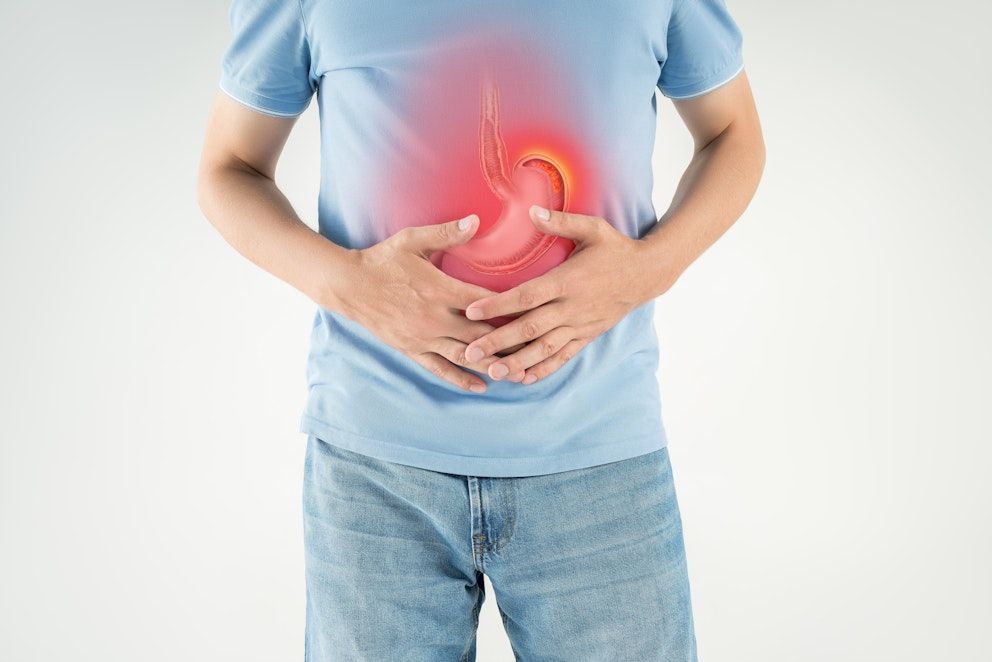
If you have a stomach ulcer or gastritis, it’s recommended to let the stomach lining heal before consuming kombucha. Kombucha’s acidic properties could irritate open sores and exacerbate gastric inflammation, hindering healing.
Additionally, those with small intestinal bacterial overgrowth (SIBO) should also avoid kombucha, as it may exacerbate symptoms by introducing additional fermentation and gas production in the gut.
Pregnant and breastfeeding women are advised to refrain from drinking kombucha, as it contains small amounts of alcohol. Consuming alcohol while pregnant or breastfeeding may increase the risk of fetal alcohol syndrome and potentially affect the infant’s development and health.
Key takeaways
- The benefits of kombucha include supporting gut health, immune balance, and digestion through its probiotic content and naturally occurring acetic and lactic acids.
- Kombucha provides B vitamins and antioxidants that can promote steady energy, mental clarity, and stress resilience.
- Choosing kombucha with minimal added sugars helps maximize its benefits and keep it keto-friendly.
- Those with ulcers, gastritis, acidosis, or small intestinal bacterial overgrowth should avoid kombucha until digestive health is restored, as its acidity may contribute to discomfort.
FAQ
- 1. What are the benefits of kombucha?
- 2. Is kombucha good for you?
- 3. What are the cons of drinking kombucha?
- 4. Is it healthy to drink kombucha every day?
- 5. Can I have kombucha on keto?
- 6. Why does kombucha make you feel good?
- 7. Is apple cider vinegar or kombucha better for you?
- 8. Can kombucha help lower the risk of cancer?
Sources
- https://pmc.ncbi.nlm.nih.gov/articles/PMC8401643/ ↩︎
- https://pmc.ncbi.nlm.nih.gov/articles/PMC10426908/ ↩︎
Related Articles
-
7 Foods High in Minerals
 Minerals
7 Foods High in Minerals
At a glance Mineral-rich foods contribute to many processes involved in cellular activity, tissue maintenance, nerve communication, and physical performance. Many foods, such as sardines, seaweed, Brazil nuts, and grass-fed…08/27/2026 -
How to Read Food Labels
 Food and Drink
How to Read Food Labels
At a glance Food labels can provide useful nutrition information, but they don’t always reflect a food product's actual quality. Serving sizes, nutrient claims, health claims, and ingredient names can…08/21/2026 -
Simple Ways to Eat More Nutrient-Dense Foods
 Superfoods
Simple Ways to Eat More Nutrient-Dense Foods
At a glance Choosing nutrient-dense foods can help improve the quality of your meals while reducing reliance on ultra-processed products. Whole foods such as seafood, leafy greens, berries, and grass-fed…08/20/2026 -
Is Organic Worth It? A Practical Guide
 Food and Drink
Is Organic Worth It? A Practical Guide
At a glance Buying organic may be worth considering for foods that tend to contain higher pesticide residues or for those looking to reduce exposure to certain synthetic chemicals. Organic…07/03/2026 -
Abdominal Gas and Bloating: Causes and Remedies
 Health concerns
Abdominal Gas and Bloating: Causes and Remedies
At a glance Abdominal gas and bloating can signal underlying digestive issues, such as low stomach acid, poor bile flow, or microbial overgrowth. While occasional bloating is normal, persistent symptoms…01/29/2026 35k views -
7 Healthiest Foods and Why Your Body Needs Them
 Nutrition
7 Healthiest Foods and Why Your Body Needs Them
At a glance Eating nutrient-dense, minimally processed foods is crucial for maintaining long-term health, as they support digestion, cardiovascular function, energy production, and immune balance. Discover seven of the healthiest…01/08/2026 41.6k views -
7 Amazing Health Benefits of Green Tea
 Nutrition
7 Amazing Health Benefits of Green Tea
At a glance Green tea is rich in beneficial plant compounds that have long been valued for supporting digestion, steady energy, and overall health. Preparing and timing your tea correctly…12/04/2025 15.6k views -
Can You Eat Cheese on Keto?
 Diet
DietCan You Eat Cheese on Keto?
At a glance Cheese is high in fat, moderate in protein, and low in carbohydrates, making it an ideal choice for those following a ketogenic diet. Choosing traditional, full-fat, grass-fed…04/09/2025 44.8k views -
The Healthiest Ways to Cook Eggs – With Recipes
 Nutrition
The Healthiest Ways to Cook Eggs – With Recipes
At a glance Eggs are a nutrient-dense food that can support eye health, brain function, and skin integrity. Cooking eggs properly helps preserve their essential nutrients while eliminating potentially harmful…04/09/2025 19.2k views -
Is Bacon Good for You?
 Nutrition
Is Bacon Good for You?
At a glance High-quality bacon is a nutrient-rich food ideal for those following a Healthy Keto® diet. It provides heart-healthy monounsaturated fats, supports satiety, promotes ketosis, and may aid cognitive…04/09/2025 18.3k views


