

At a glance
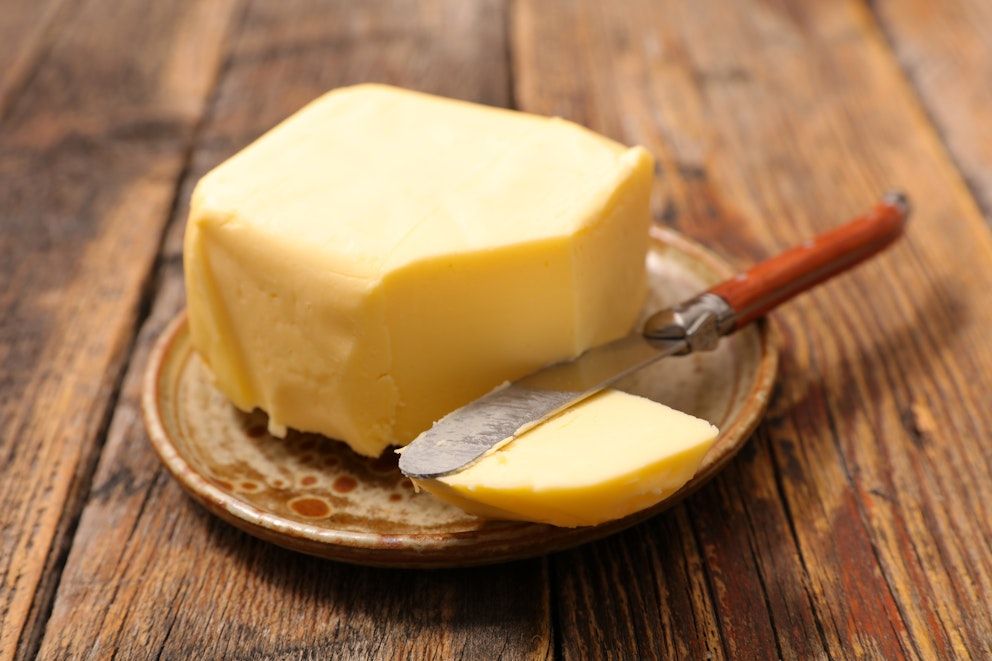
Butter is naturally carb-free and rich in healthy fats, making it an excellent choice for a keto diet. High-quality grass-fed butter provides essential fat-soluble vitamins and beneficial fatty acids that support metabolism and overall well-being.
Butter is rich in anti-inflammatory butyric acid, conjugated linoleic acid, and unsaturated fats, which are linked to various health benefits.
But is butter keto-friendly? Yes, butter contains no carbs and is safe to enjoy on a keto diet.
Learn why grass-fed butter is the best option for a nutritious ketogenic diet, and discover why eating butter won’t significantly raise your cholesterol levels.
How many carbs are in butter?
Butter is a staple in many keto meal prep routines and a perfect ingredient for a low-carb diet.
One tablespoon (14 grams) of butter contains around 0.02 grams of carbs, which isn’t enough to impact blood sugar or insulin levels.
However, it’s important to remember that some butter products may contain carbs.
While salted and unsalted butter is typically carb-free, flavored or sweetened butter spreads can contain up to ten carbs per tablespoon, which can be enough to kick you out of ketosis.
Always check the nutrition label for the carbohydrate content of the butter product you plan to use.
Watch the video below to discover the amazing benefits of eating butter on keto.
Is butter keto-friendly?
Yes, butter is keto-friendly and a perfect addition to a nutritious low-carb diet like Healthy Keto®.
It’s rich in health-promoting fats and a staple keto ingredient that’s ideal for pan-frying and sauteing vegetables. Butter works in a wide range of keto recipes, from Keto Buttercream Fat Bombs to Keto Garlic Lemon Butter Steak.
Butter is also essential for making keto butter coffee, known as Bulletproof coffee.
Drinking coffee mixed with butter and coconut oil—a rich source of medium-chain triglycerides—promotes ketosis and can help to extend fasting periods.
Butter and cholesterol on keto
You may have heard that consuming butter can raise cholesterol levels and increase the risk of heart disease. This is a common misconception.
Butter contains saturated fats, and it has previously been thought that this type of fat can elevate cholesterol.
However, a recent study published in Progress in Cardiovascular Disease has since refuted this claim and found that saturated fat intake doesn’t elevate low-density lipoprotein (LDL), the type of cholesterol associated with an increased risk of heart disease.1
In fact, the study found that high-carb diets, not saturated fatty acids, are linked to increased cholesterol production and cardiovascular disease, which explains why a ketogenic diet can lower cholesterol levels and promote heart health.
Consuming carbs and sugars stimulates enzymes in the liver to produce cholesterol, which can cause significantly elevated blood cholesterol levels. In contrast, fatty acids don’t stimulate hepatic cholesterol production.
What’s more, one tablespoon of butter contains around 30 milligrams of cholesterol, which is minimal compared to the 1500 milligrams of cholesterol produced in the liver daily.
Five benefits of butter on keto
Butter contains a complex mix of more than 400 fatty acids and phospholipids, including butyric acid and conjugated linoleic acid (CLA), two potent anti-inflammatory food compounds with impressive health benefits.
“Regularly consuming butter helps you lose weight, may lower your risk of colon cancer, and has been found to improve metabolic health and insulin sensitivity,” explains Dr. Berg.
Here are five reasons why you should eat butter on keto!
1. Nutritional powerhouse
Butter, especially grass-fed butter, is a rich source of several nutrients needed for cellular functions, energy production, growth and development, and hormonal balance.
Butter is an excellent source of:
- Vitamin A
- Vitamin E
- Vitamin K
- Beta-carotene
- Phosphorus
- Magnesium
- Potassium
- Calcium
- Conjugated linoleic acid
- Butyric acid
- Antioxidants
2. Promotes metabolic health
Butter can enhance the body’s ability to regulate blood sugar and insulin levels, a crucial aspect of metabolic health.
Both butyric acid and CLA have been found to promote insulin sensitivity, a measure of how well your cells respond to insulin. This can significantly lower the risk of insulin resistance, diabetes, metabolic syndrome, and fatty liver disease.
3. Aids weight loss
Butter is rich in healthy fats, promotes satiety, and may boost fat-burning, which explains why eating butter can make you thin.
CLA is needed to transport fats within the body and increases the activity of enzymes necessary to break down and utilize fats for energy production.
This fat-burning effect of CLA has been studied extensively, and research published in The Journal of Food Science found that “CLA may be effective at protecting against fat mass regain following weight loss.”2
4. May lower the risk of cancer
Evidence published in Agricultural and Biological Sciences suggests that eating butter may play a role in reducing the risk of colorectal cancer.3
Butyric acid in butter has been found to promote normal cellular function and may inhibit the growth of cancerous cells in the colon, which is linked to a lower risk of colon polyps associated with cancer development.
5. Natural antimicrobial
Butyric acid is an antimicrobial short-chain fatty acid that may be effective against bacterial strains linked to food poisoning and gastrointestinal infections such as E. Coli and Salmonella.
In addition, butyric acid is a fuel source for friendly gut bacteria, which promote balanced immune responses and lower the risk of intestinal health issues, including inflammatory bowel disease and small intestinal bacterial overgrowth (SIBO).

Best type of butter to have on keto
Grass-fed butter has more nutritional benefits than grain-fed butter and is an excellent choice for Healthy Keto.
Grass-fed cattle have access to pasture and forage on a natural diet of grasses and weeds, which results in butter that contains more nutrients such as beta-carotene and vitamin K and has more unsaturated fatty acids than conventional butter.
Grass-fed butter also contains omega-3 fats, making it a great alternative to salmon and mackerel for people who don’t like the taste of fatty fish.
How much butter can you have on keto?
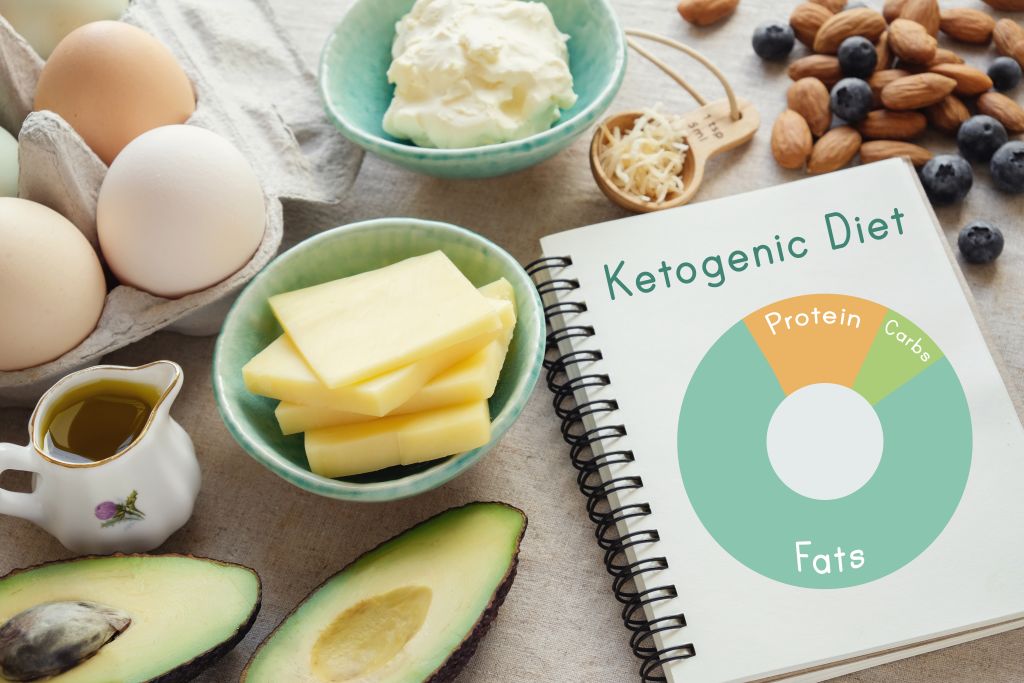
Butter contains no carbs and won’t kick you out of ketosis. However, it’s an energy-dense food that’s high in calories, and eating too much butter can slow down your weight loss.
The liver utilizes dietary fats before breaking down stored body fat. Consuming large amounts of butter can shift your metabolism away from burning body fat as an energy source, which can hinder weight loss.
How much butter you can consume on keto also depends on your daily caloric needs and metabolic health.
One tablespoon of butter contains 14 grams of fat, which can be as much as ten percent of your daily fat requirements.
Key takeaways
- Butter is keto-friendly because it contains virtually no carbohydrates and supports ketosis through its rich fat profile.
- Grass-fed butter provides more omega-3s, vitamin K, and unsaturated fats than conventional butter, making it a more nutrient-dense option.
- Butyric acid and CLA in butter may help support insulin sensitivity, digestive health, and inflammatory balance.
- While butter supports ketosis, overeating it can cause the body to burn dietary fat instead of its own stored fat. Use moderate amounts to maintain optimal fat-burning.
FAQ
- 1. Is butter keto-friendly?
- 2. How much butter can I eat on keto?
- 3. Does butter contain too much cholesterol?
- 4. What are the benefits of butter on keto?
- 5. Can I have butter every day on keto?
- 6. What kind of butter should I have on Healthy Keto?
- 7. Is salted or unsalted butter better on keto?
- 8. Will butter cause weight gain on keto?
- 9. Will one cheat day ruin ketosis?
- 10. Is clarified butter keto-friendly?
- 11. Is butter or olive oil better for keto?
- 12. Can I have buttered popcorn on keto?
Sources
- https://pubmed.ncbi.nlm.nih.gov/26586275/ ↩︎
- https://ift.onlinelibrary.wiley.com/doi/epdf/10.1111/j.1750-3841.2007.00477.x ↩︎
- https://www.sciencedirect.com/topics/nursing-and-health-professions/butyric-acid ↩︎
Related Articles
-
Can Fasting Lower Cholesterol?
 Fasting
Can Fasting Lower Cholesterol?
At a glance Fasting can help lower cholesterol levels by promoting the use of body fat for energy, supporting a healthy weight, reducing inflammation, and maintaining balanced insulin levels. Incorporating…05/01/2026 -
Can You Reverse Atherosclerosis?
 Health concerns
Can You Reverse Atherosclerosis?
At a glance Can you reverse atherosclerosis? While plaque may not fully disappear, the progression of atherosclerosis can be slowed and plaque stability may improve over time. Atherosclerosis develops gradually…03/06/2026 50.4k views -
Does Fish Oil Benefit Cholesterol?
 Nutrition
Does Fish Oil Benefit Cholesterol?
At a glance Fish oil is a rich source of the omega-3 fatty acids EPA and DHA, which support heart health and metabolic wellness. While fish oil may help promote…02/12/2026 27.4k views -
Osteoporosis and Osteopenia: How to Support Strong Bones
 Health concerns
Osteoporosis and Osteopenia: How to Support Strong Bones
At a glance Osteopenia and osteoporosis are age-related conditions marked by gradual bone density loss that often develops without clear symptoms. Changes in bone strength can increase fracture risk and…01/08/2026 5.9k views -
Can High Cholesterol Cause Headaches?
 Health concerns
Can High Cholesterol Cause Headaches?
At a glance High cholesterol doesn’t directly cause headaches, but cholesterol plaques in arteries can reduce blood flow to the brain, potentially triggering migraines or headache symptoms. Supporting healthy cholesterol…12/30/2025 -
How to Lower Cholesterol on Keto
 Diet
DietHow to Lower Cholesterol on Keto
At a glance While a nutrient-focused ketogenic diet is often associated with improved cholesterol balance, it’s not uncommon to see elevated cholesterol levels during the early stages of keto adaptation.…12/05/2025 13.1k views -
What Are the Best Sources of Omega-3 Fatty Acids?
 Nutrition
What Are the Best Sources of Omega-3 Fatty Acids?
At a glance There are several essential omega-3 fatty acids, but not all food sources provide them in the same balance or bioactive form. The best sources of omega-3 fatty…11/06/2025 25k views -
Understanding Cholesterol Levels and Numbers
 Health concerns
Understanding Cholesterol Levels and Numbers
At a glance While cholesterol is vital for hormone production and brain function, imbalanced levels can cause atherosclerosis and increase cardiovascular risk. Understanding your cholesterol numbers and how diet, exercise,…04/09/2025 118k views -
What Is LDL Cholesterol? Why It’s Not Always Bad
 Health concerns
What Is LDL Cholesterol? Why It’s Not Always Bad
At a glance LDL cholesterol is often linked to poor cardiovascular health, yet it also plays an important role in supporting cell structure, hormone production, and nerve function. Its impact…04/09/2025 33.4k views -
Is Saturated Fat Bad? Benefits and Risks of Saturated Fat
 Nutrition
Is Saturated Fat Bad? Benefits and Risks of Saturated Fat
At a glance The role of saturated fat has long been misunderstood due to outdated dietary theories, but whether saturated fat is bad depends largely on its source. Healthy, whole-food…04/09/2025 14k views


