

At a glance
Trace minerals are essential for numerous bodily functions, including immune support, hormone regulation, and cognitive health. Deficiencies are common, which can impact overall health and well-being. When selecting a trace mineral supplement, it’s essential to prioritize bioavailability, plant-based sources, and natural ingredients to optimize absorption and maximize health benefits.
Trace minerals are essential micronutrients required in small quantities to support normal biological functions and maintain physiological balance.
However, deficiencies are common due to factors such as modern agricultural practices, the consumption of ultra-processed foods, and diets rich in carbohydrates and grains.
Discover the importance of trace minerals and learn how to choose the best trace mineral supplement.
What are trace minerals?
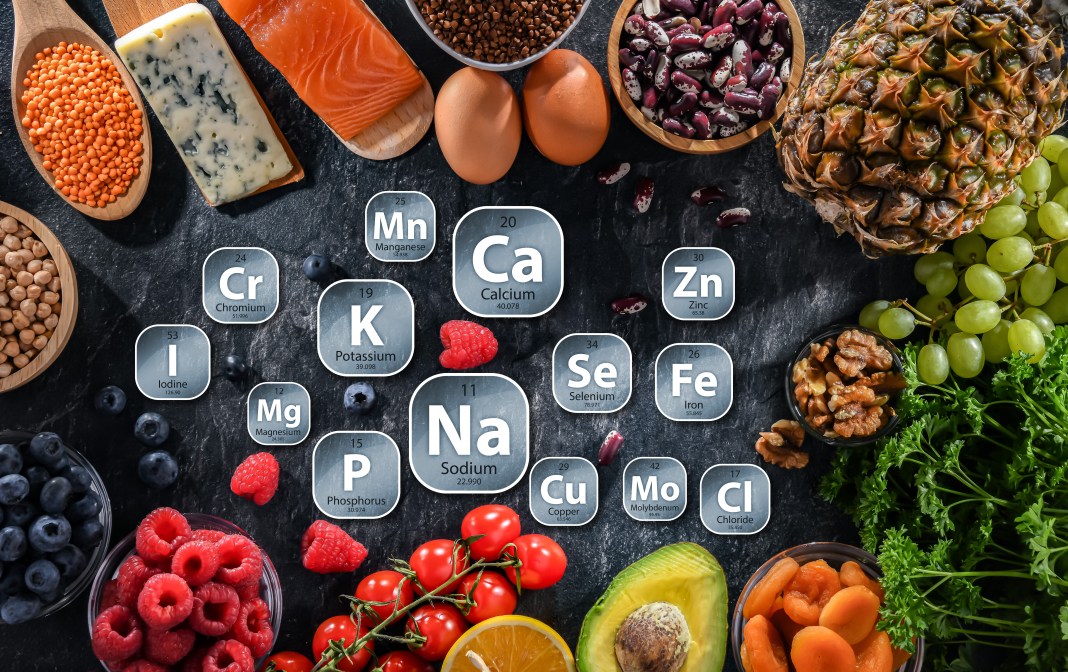
Trace minerals are nutrients required by the body in small amounts, typically less than 100 mg per day. Although only needed in trace amounts, these minerals are vital for maintaining normal physiological processes.
This group of micronutrients includes boron, chromium, copper, cobalt, fluoride, iodine, iron, manganese, molybdenum, selenium, and zinc.
While these are recognized as key trace elements, the total number of trace elements required by the human body is not fully established.
Because the body can’t synthesize trace minerals, these nutrients must be obtained from food sources or supplementation.
Some of the best natural sources of trace minerals include nuts and seeds, beef, sea salt, leafy green vegetables, eggs, avocados, and seafood, particularly shellfish.
Watch the video below to discover the signs your body is craving trace minerals.
Why trace minerals matter for overall health
Several trace minerals serve as cofactors that facilitate hundreds of enzymatic processes that regulate cellular health, energy metabolism, immune function, bone integrity, amino acid utilization, gene expression, and tissue repair.
Here are six incredible health benefits of trace minerals.
1. Facilitate energy production
Iron, copper, and manganese are essential for mitochondrial energy production within the cells.
These trace minerals are vital cofactors needed to support the chemical reactions that generate adenosine triphosphate (ATP), the body’s primary energy currency.
“Mitochondria are the energy factories of your cells where metabolism occurs,” explains Dr. Berg. “Trace mineral deficiencies reduce ATP production and mitochondrial efficiency, leaving you tired and with a general sense of unwellness.”
When trace mineral levels are sufficient, ATP production is optimized, which supports physical stamina, faster recovery, and better endurance.
2. Offer immune system support
Zinc, selenium, and copper facilitate immune responses by supporting the development and activity of immune cells, including neutrophils, natural killer (NK) cells, and T lymphocytes.
Zinc is required for DNA and RNA synthesis, cell division, enzymatic activity, and immune cell signaling. It also plays a crucial role in the development and maturation of T-cells within the thymus, which is vital for both innate and adaptive immune responses.
Selenium is essential for the activity of antioxidant enzymes, such as glutathione peroxidases, which protect immune cells from oxidative damage.
Copper plays a crucial role in the development and function of white blood cells, as well as in regulating balanced inflammatory responses.
3. Promote dental and bone health
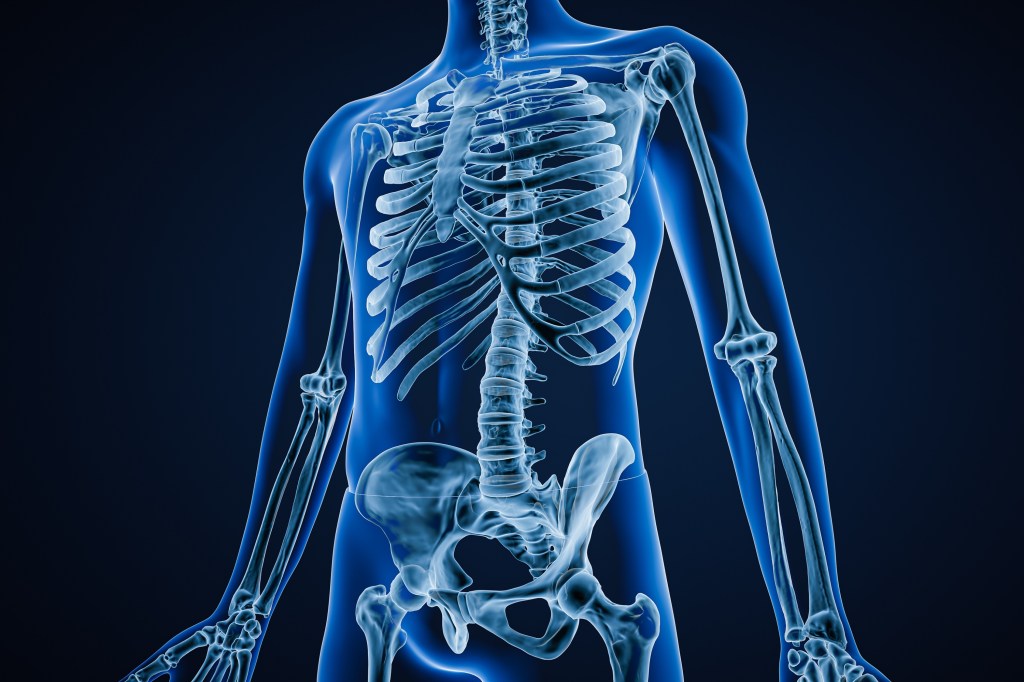
Trace minerals such as boron, copper, fluoride, magnesium, manganese, selenium, and zinc help maintain the structural integrity and metabolic activity of bones and teeth.
These micronutrients support osteoblast and osteoclast function, facilitate mineralization, and contribute to the formation of collagen matrices within skeletal tissues. Trace minerals also serve as cofactors for enzymes involved in bone turnover and enamel development.
Additionally, trace minerals work in conjunction with major minerals, such as calcium and phosphorus, to regulate bone formation, enhance enamel hardness, and support the long-term integrity of skeletal and dental structures.
A study published in Nutrients highlights that trace minerals regulate bone mineral density (BMD) and influence metabolic pathways that can impact bone and dental health.
4. Support brain health and nerve function
Trace minerals support several neurological processes, including the synthesis and regulation of neurotransmitters, the formation of the myelin sheath, and neuronal energy production.
In combination, these functions may contribute to sharper memory and focus, stronger cognitive performance, and overall improved mental well-being.
Interestingly, research published in Frontiers in Nutrition found that micromineral deficiencies are common in adolescents due to poor dietary habits. The researchers concluded that insufficient intake of trace minerals is strongly associated with slower processing speed and diminished academic performance.
5. Supports tissue maintenance
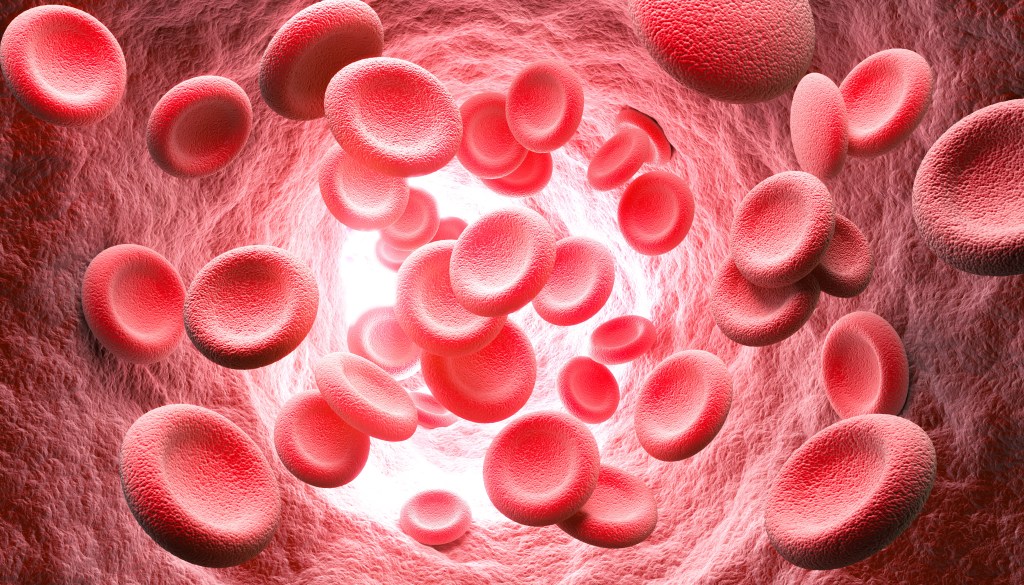
Trace minerals promote tissue maintenance and support normal blood clotting processes, also known as coagulation.
While zinc supports cellular repair and collagen synthesis, copper helps develop connective tissue and red blood cells, which are essential for maintaining overall tissue integrity and facilitating oxygen transport to cells.
Additionally, manganese assists enzymes involved in coagulation and tissue formation, while selenium acts as an antioxidant, critical for the overall health and well-being of cells and tissues.
Evidence published in the Journal of Trace Elements in Medicine and Biology suggests that deficiencies or imbalances in trace minerals directly impair skin barrier function.
6. Promote hormone regulation
Iodine, manganese, selenium, and zinc are vital for hormone regulation and maintaining healthy endocrine function.
These trace minerals promote hormone synthesis, activation, and signaling, including thyroid hormones, insulin, and sex hormones such as estrogen and testosterone.
Sufficient micronutrient levels also support growth and regulate menstrual and reproductive cycles, and help maintain a stable mood, which has been linked to their potential hormone-regulating benefits.
Why many people don’t get enough
Trace mineral deficiencies are increasingly common worldwide, primarily due to soil degradation.
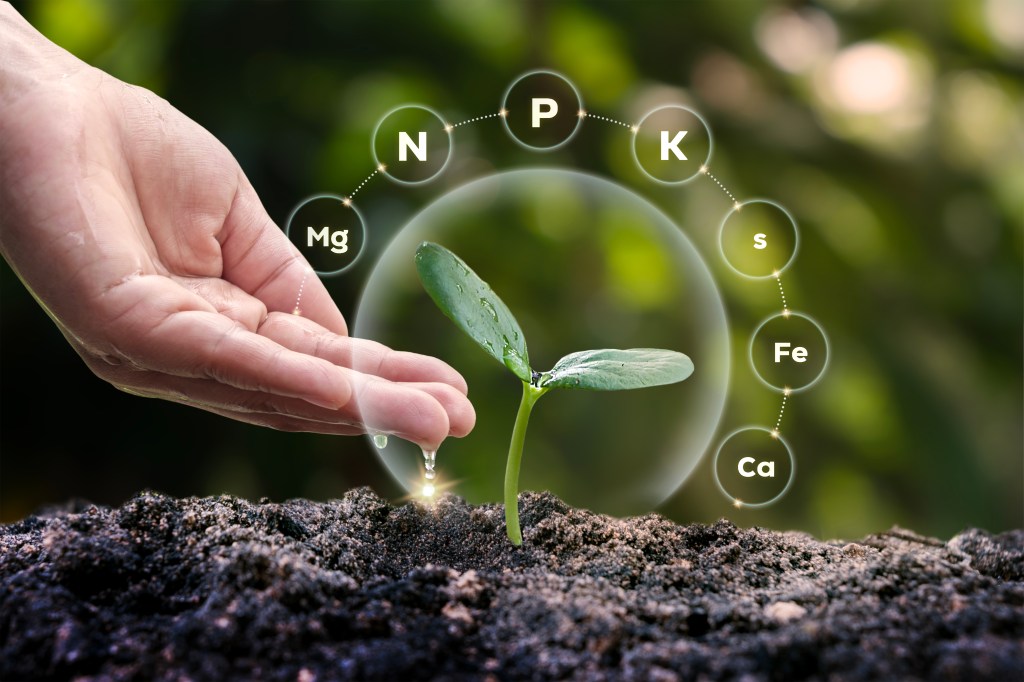
Intensive agricultural practices, such as the use of chemical fertilizers, over-tilling, and monocropping, which is the practice of growing a single crop on the same land, have stripped soil of its micronutrient content.
Conventional fertilizers typically supply only nitrogen, phosphorus, and potassium, commonly referred to as NPK, without replenishing micronutrients such as zinc, selenium, copper, and manganese.
As a result, crops grown in depleted soil contain significantly lower nutrient content than those of previous generations.
Research published in Foods notes “In many countries, the nutrient density and taste quality of fruits, vegetables, and foods crops have fallen extremely in the previous 50 to 70 years regarding sodium (29 to 49%), potassium (16 to 19%), magnesium (16 to 24%), calcium (16 to 46%), iron (24 to 27%), copper (20 to 76%), and zinc (27 to 59%).”
Additionally, impaired nutrient absorption due to low stomach acid, intestinal permeability, or gastrointestinal conditions such as celiac disease and Crohn’s disease can inhibit the body’s ability to effectively extract trace minerals from food.
High consumption of antinutrients, such as phytates found in grains, along with sugar and processed foods, can also impair mineral absorption and contribute to deficiencies, as these foods are generally low in naturally occurring micronutrients.
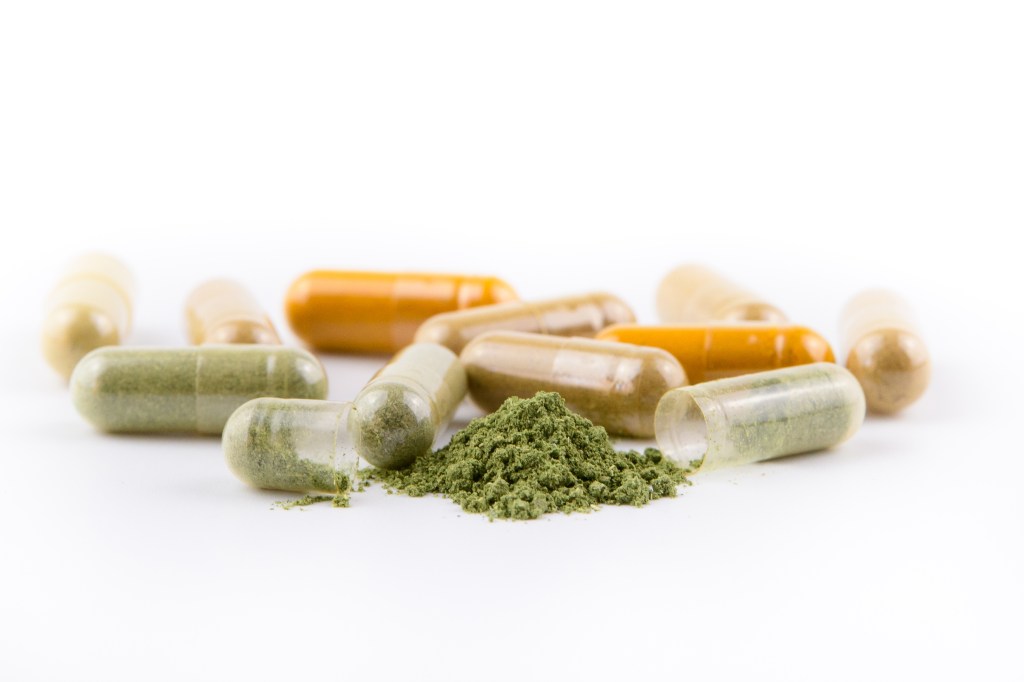
How to choose the best trace mineral supplement
Due to declining soil quality, nutrient-depleted crops, malabsorption, and modern dietary habits high in ultra-processed foods, many individuals struggle to obtain sufficient trace minerals from food alone.
Taking a high-quality supplement can help support trace mineral levels and promote the body’s metabolic, hormonal, and neurological balance.
When selecting a trace mineral supplement to incorporate into your daily routine, opt for a comprehensive blend that provides a broad spectrum of microminerals that offer high bioavailability.
Many trace mineral products are of poor quality and sourced from shale, a type of sedimentary rock, which the body can’t utilize efficiently.
To enhance overall wellness, look for supplements derived from plant-based sources, ideally derived from nutrient-dense soils to ensure optimal intestinal nutrient uptake.
It’s also essential to avoid supplements that are formulated with unnecessary additives, such as artificial fillers, dyes, or flavors.

When to consider additional support
If you experience symptoms that may indicate a lack of trace minerals, such as changes in hair or nail texture, persistent tiredness, or muscle or joint discomfort, additional mineral support may be warranted.
In addition, those who follow a diet high in carbohydrates, sugars, and processed foods, as well as individuals with poor digestive health and low stomach acid, may benefit from trace mineral support to promote a healthy body.
However, it’s important to consult a healthcare professional if you notice worsening or new symptoms. A doctor can assess your overall health, rule out other possible causes, and order laboratory tests to check your mineral levels.
Key takeaways
- Trace minerals are crucial micronutrients that serve as cofactors to hundreds of enzymatic processes.
- These micronutrients help regulate energy production, immunity, bone integrity, brain and nerve function, and hormone balance.
- Many people don’t get enough trace minerals due to soil depletion, poor dietary habits, and malabsorption, making supplementation a convenient option.
- When selecting the best trace mineral supplement, opt for a broad-spectrum, plant-based formula that’s free from artificial additives.
FAQ
- 1. What are trace minerals?
- 2. Why are plant-based or ionic minerals better?
- 3. Can you get enough trace minerals from food alone?
- 4. What should I look for in a trace mineral supplement?
- 5. Do trace minerals work quickly?
Sources
- Li M, Deng F, Qiao L, Wen X, Han J. The Critical Role of Trace Elements in Bone Health. Nutrients. 2024;16(22):3867. https://pmc.ncbi.nlm.nih.gov/articles/PMC11597352/
- Rahman A, Rao M, Aldughpassi A, Jallad R, Shaban L. Blood levels of copper, manganese, selenium, and zinc are positively associated with cognitive function and academic performance in adolescents. Front. Nutr. 2025;12. https://www.frontiersin.org/journals/nutrition/articles/10.3389/fnut.2025.1638283/full#h15
- https://www.sciencedirect.com/science/article/
- Bhardwaj RL, Parashar A, Parewa HP, Vyas L. An Alarming Decline in the Nutritional Quality of Foods: The Biggest Challenge for Future Generations’ Health. Foods. 2024;13(6):877. https://pmc.ncbi.nlm.nih.gov/articles/PMC10969708/
Related Articles
-
How to Spot Hidden Carbs
 Keto
KetoHow to Spot Hidden Carbs
At a glance Hidden carbs are found in many everyday foods that may not appear high in carbohydrates, including sauces, processed meats, dairy products, and salad dressings. These overlooked sources…06/05/2026 -
Keto-Friendly Sauces and Condiments
 Nutrition
Keto-Friendly Sauces and Condiments
At a glance Keto-friendly sauces and condiments can help support ketosis by keeping overall carbohydrate intake within the limit of 20 to 50 grams per day. Choosing options made with…06/01/2026 -
8 Unique Benefits of Turmeric Tea
 Nutrition
8 Unique Benefits of Turmeric Tea
At a glance Turmeric tea contains curcumin, a bioactive compound that offers anti-inflammatory and antioxidant effects that may support brain and heart health, improve digestion, help regulate weight, and strengthen…05/15/2026 4.4k views -
Keto on a Budget: Tips and Foods to Eat
 Diet
DietKeto on a Budget: Tips and Foods to Eat
At a glance A ketogenic diet can be maintained using simple, affordable whole foods rather than expensive specialty products. Prioritizing versatile ingredients and planning meals strategically can help reduce grocery…04/24/2026 -
What Foods Are High in Zinc?
 Minerals
What Foods Are High in Zinc?
At a glance Zinc is an essential trace mineral involved in immune defenses, metabolism, hormone production, and muscle repair. Because the body doesn’t store zinc efficiently, regular dietary intake is…03/06/2026 5.9k views -
Does Spinach Have Iron?
 Nutrition
Does Spinach Have Iron?
At a glance While spinach does contain some iron, it provides the non-heme form, which is poorly absorbed. Iron is essential for oxygen transport, energy production, and cognitive health, making…02/26/2026 3.9k views -
5 Amazing Lemon Peel Benefits
 Natural remedies
5 Amazing Lemon Peel Benefits
At a glance Lemon peel is a concentrated source of vitamins, minerals, and bioflavonoids that support liver, metabolic, and cardiovascular health. Because it's rich in compounds such as eriocitrin and…01/29/2026 54.9k views -
6 Foods to Help Improve Kidney Function
 Health concerns
6 Foods to Help Improve Kidney Function
At a glance The kidneys are essential for eliminating waste, maintaining mineral balance, and regulating the body’s fluid levels. Targeted lifestyle changes and choosing nutrient-dense foods that help support kidney…01/23/2026 5.3k views -
7 Incredible Dandelion Root Benefits
 Natural remedies
7 Incredible Dandelion Root Benefits
At a glance Despite being a weed, the roots of dandelions are a nutrient-rich herbal remedy with a long history of use in traditional medicine. Packed with vitamins, minerals, and…01/22/2026 28.5k views -
3 Unique Benefits of Rosemary
 Nutrition
3 Unique Benefits of Rosemary
At a glance Rosemary is a fragrant, nutrient-rich herb with potent antioxidant and anti-inflammatory compounds such as rosmarinic acid and carnosic acid. It supports cognitive function, helps relieve pain, and…01/22/2026 4.5k views


