


At a glance
Candida overgrowth is often associated with changes in diet, stress, or alterations in microbial balance. Using supportive foods, targeted natural remedies, and lifestyle adjustments may help foster a healthier gut environment and promote better energy, focus, and digestive comfort.
The candida diet eliminates sugar, refined carbohydrates, alcohol, and high-lactose dairy foods, all of which serve as a fuel source for yeast species, including Candida albicans.
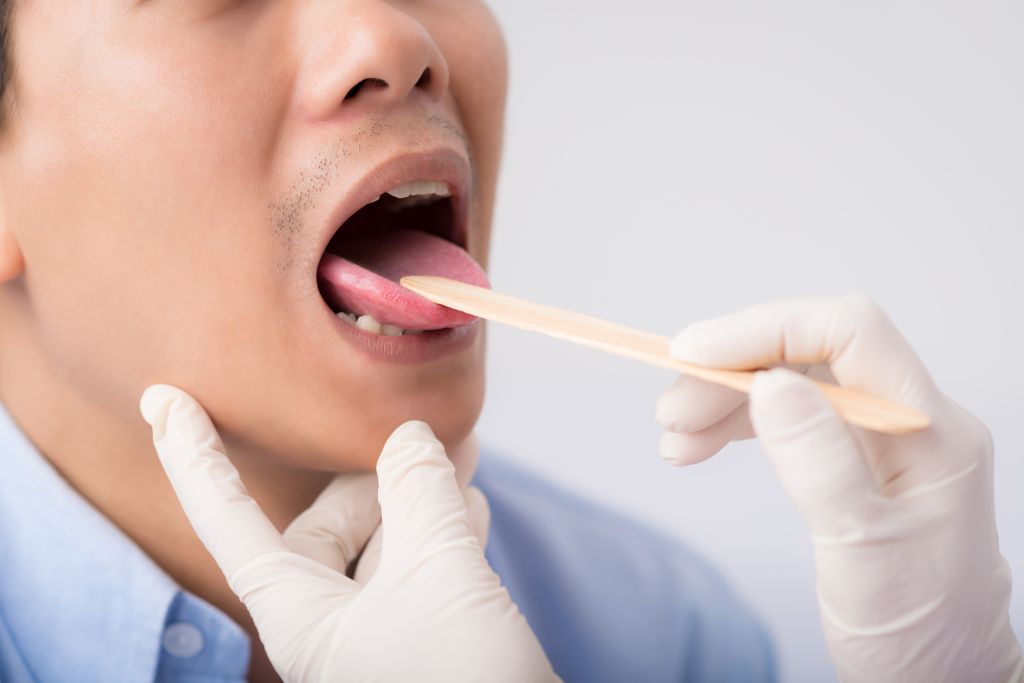
While candida is a normal part of the human microbiome, yeast overgrowth can lead to infections and related symptoms such as brain fog, itching, and a thrush.
Discover how to approach an effective candida diet, and discover home remedies to naturally promote microbial balance and help manage and prevent yeast infections.
What is candida?
Candida is a naturally occurring yeast that can also be classified as a fungus. There are approximately 200 species of candida present within the human microbiome, but only a handful are considered pathogenic.
A study published in Cold Spring Harbor Perspectives in Medicine links five specific Candida species to 90 percent of fungal infections.
These yeast species include:
- Candida albicans
- Candida glabrata
- Candida tropicalis
- Candida parapsilosis
- Candida krusei
Candida albicans is the most common species associated with overgrowth, accounting for more than 65 percent of candida infections, also referred to as candidiasis.
Watch the video below to discover how to manage or prevent candida infections.
When candida is a problem
Although often associated with infections, candida is beneficial when present as part of a balanced microbiome. It’s typically found in the mouth, on the skin, and in the intestines and has been linked to digestive functions and nutrient absorption.
“Candida and other friendly yeasts play a vital role in maintaining a diverse microbiome in normal amounts,” explains Dr. Berg. “Yeast only becomes problematic when given a hospitable environment that promotes unregulated growth.”
Factors such as antibiotic use, high-sugar diets, chronic stress, and estrogen dominance can lead to an imbalance of friendly and pathogenic microbes, thereby contributing to a greater risk of candida infections.
Imbalances in gut microbiota, often caused by poor lifestyle and dietary choices, can diminish beneficial bacteria such as Lactobacillus. This disruption can lead to an overgrowth of candida, as Lactobacillus plays a crucial role in maintaining a healthy balance of microorganisms within the gut.
Besides the digestive tract, candidiasis can affect the vagina, mouth, breasts, skin, esophagus, and nails. Additionally, candida can also spread to organs through bloodstream invasion.
Common symptoms of candidiasis include:
- Brain fog
- Fatigue
- Oral thrush
- Rectal itching
- Vaginal yeast infections
- Fungal nail infections
- Skin rash
- Urinary tract infections (UTIs)
- Digestive issues, such as abdominal pain, bloating, gas
- Joint pain
What is the candida diet?
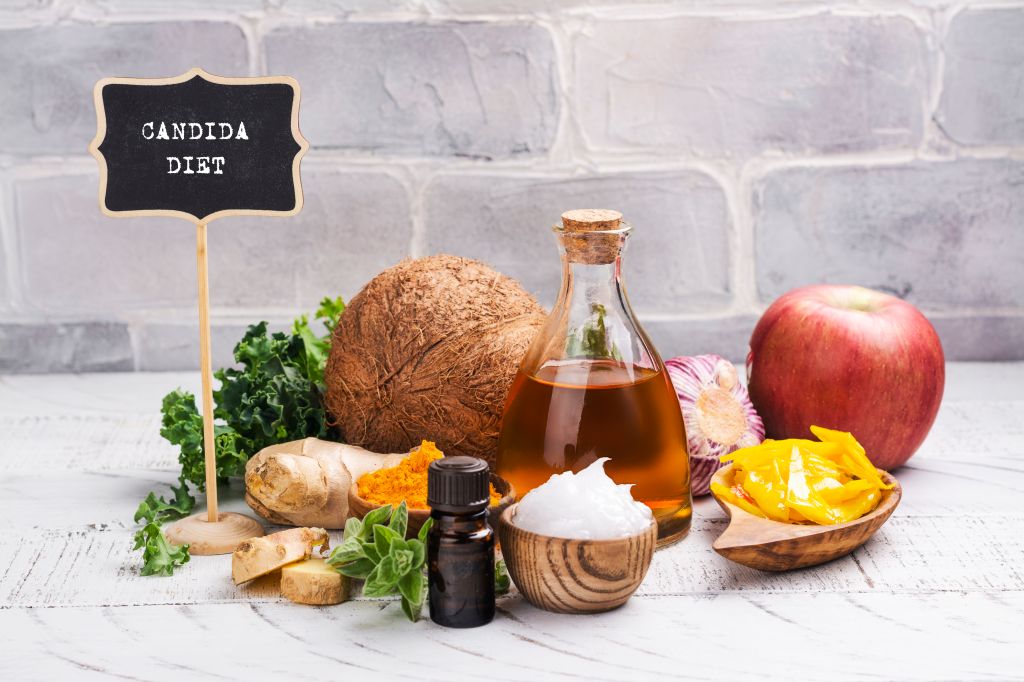
The candida diet is a short-term elimination diet that has shown the potential to serve as a natural alternative to conventional fungal infection treatments.
This dietary approach aims to remove fungal fuel sources, reduce inflammation, and increase the consumption of foods that support a balanced gut microbiome.
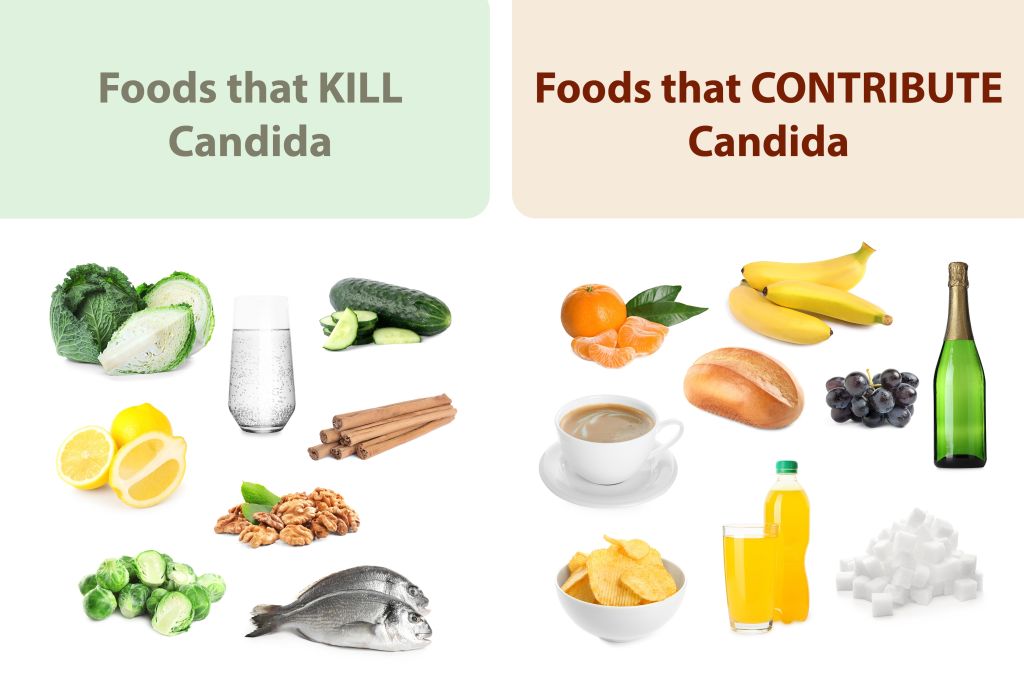
The anti-candida diet focuses on eliminating foods that may aggravate candida infections. This includes avoiding most forms of sugar, refined carbohydrates, gluten-containing grains, alcohol, high-lactose dairy products, and mold-prone nuts.
In addition, proponents of the candida diet claim that it can bolster the immune system, support the proliferation of healthy bacteria, and help the body fight candida more effectively.
This is in line with research published in Microorganisms, linking diets high in sugar and processed foods to a significantly increased risk of yeast overgrowth in the gastrointestinal tract.

The candida diet vs. the keto diet
Both the candida diet and the ketogenic diet share the core principle of restricting carbohydrates, including sugars and lactose-containing dairy foods. In addition, both diets prioritize high-quality protein, non-starchy vegetables, low-sugar fruits, and healthy fats.
While some versions of the candida diet allow for gluten-free grains, such as buckwheat, millet, oat bran, quinoa, and teff, keto eliminates all sources of grains due to their high carbohydrate content.
Additionally, a Healthy Keto® protocol encourages intermittent fasting, which involves time-restricted periods of eating and fasting to maximize fat-burning and ketosis.
The most popular intermittent fasting methods include the 16:8 and 18:6 protocols. These methods restrict eating to an 8 or 6-hour window, followed by a 16 or 18-hour fasting period.
Combining fasting with an anti-candida diet may be beneficial due to fasting’s ability to trigger autophagy.
Autophagy is a crucial repair mechanism that recycles damaged proteins and cellular organelles and helps eliminate pathogenic bacteria, mold, viruses, and fungi, including candida, from the body.
How to do the candida diet
An anti-candida diet typically consists of three phases: elimination, candida cleanse, and gut repopulation.
The first step is to eliminate potentially problematic foods, followed by natural remedies to reduce the risk of yeast proliferation. Finally, you’ll support the growth of beneficial bacteria with probiotic foods and supplements.
Each phase can last for weeks or even months, with symptom relief guiding the transition to the next phase. It’s crucial to introduce the eating plan gradually over several days or weeks to allow your body to adapt.
Foods to eat
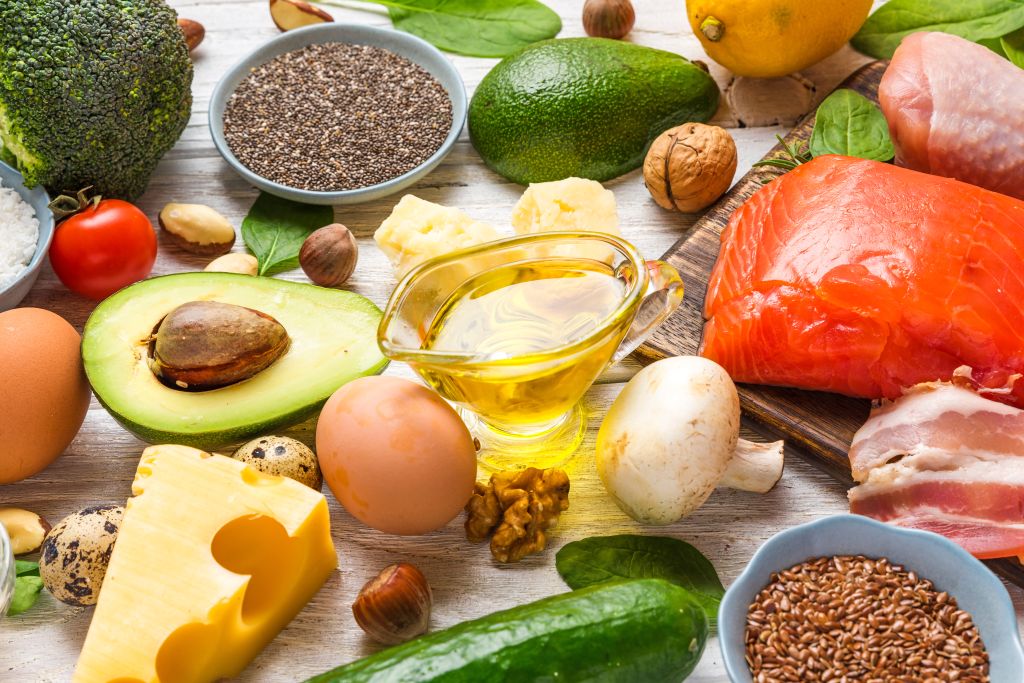
Foods to prioritize while following an anti-candida diet include high-quality animal protein, healthy fats, low-sugar fruits, and non-starchy vegetables.
These foods are permitted and encouraged on a candida diet:
- Fermented foods such as sauerkraut, pickles, kimchi, and kefir
- Grass-fed red meat
- Wild-caught fish
- Organic poultry
- Pasture-raised eggs
- Asparagus
- Brussels sprouts
- Leafy greens
- Tomatoes
- Zucchini
- Celery
- Olives
- Avocados
- Coconut oil
- Olive oil
- Butter
- Ghee
- Bone broth
Lemons, limes, berries, as well as nuts and seeds that aren’t prone to mold, such as almonds and sunflower seeds, may also be enjoyed in small amounts.

Foods to avoid
Those following the anti-candida diet should avoid sugar, alcohol, high-lactose dairy products, refined carbohydrates, starchy vegetables, and most fruits, which are thought to feed candida and promote fungal overgrowth.
Foods to avoid on a candida diet include:
- Bananas
- Apples
- Dates
- Grapes
- Wheat products such as bread, pasta, cereal, crackers
- Barley
- Rye
- Spelt
- Natural sweeteners such as honey, cane sugar, molasses, and maple syrup
- Artificial sweeteners
- Cheese
- Milk
- Cream
- Deli meat
- Farm-raised fish
- Potatoes
- Peas
- Ultra-processed foods
- Corn products
- Seed oils
Caffeinated beverages and mold-prone nuts and seeds, such as peanuts, cashews, and pecans, should also be avoided.
Natural remedies to beat candida
Many natural herbs display powerful antifungal properties against pathogenic microbes, including species of the candida family.
Here are six natural remedies to help get candida under control.
1. Thyme oil
Thyme oil contains thymol, a natural antifungal agent that can help manage candida and fungal growth without harming friendly microbes.
Candida biofilm is a slimy cluster of microbes that helps yeast adhere to bodily surfaces. This protective matrix shields candida from the host’s immune system and protects it from the effects of antimicrobial agents.
Fortunately, thyme essential oils have been found to disrupt biofilm formation, making it less challenging to manage candida proliferation.
2. Grapefruit seed extract
Grapefruit seed extract has antimicrobial and antifungal properties that may inhibit yeast growth and reduce infection when applied topically or ingested.
Evidence published in the Journal of Oral and Maxillofacial Surgery, Medicine, and Pathology found that grapefruit seed extract showed significant fungicidal activity.
Compared to Miconazole, a popular antifungal medication effective against only Candida albicans, grapefruit seed extract has shown therapeutic potential against all tested candida species with no adverse effects.
3. Apple cider vinegar
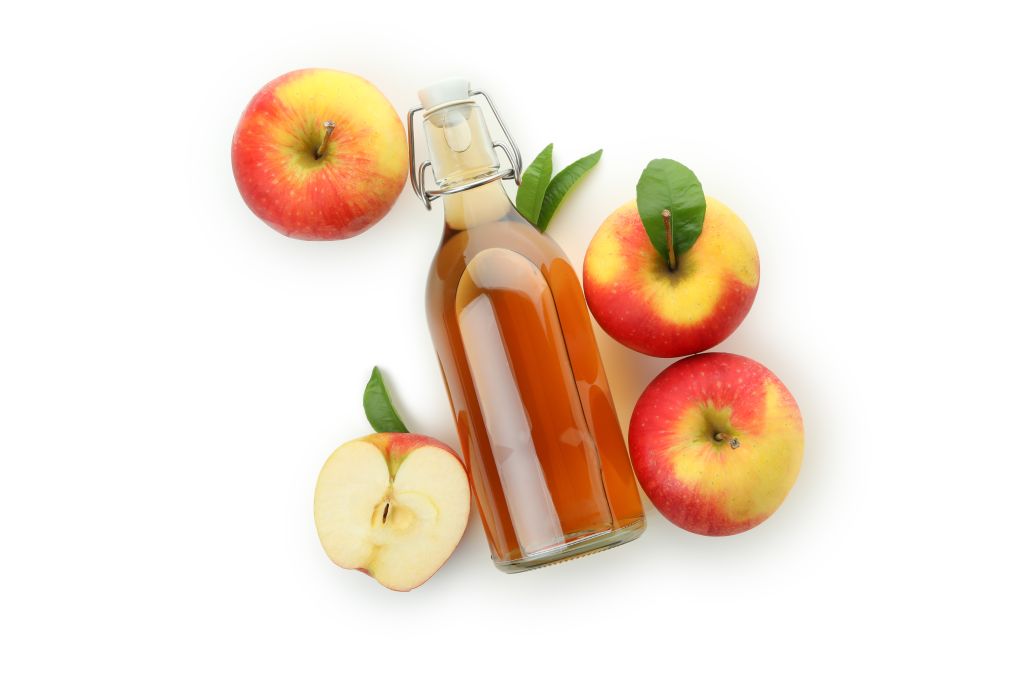
Apple cider vinegar (ACV) has been found to act as a potent antifungal agent that can inhibit yeast overgrowth and may reduce the risk of candida infection when consumed regularly.
In addition, ACV provides prebiotics that support the growth of beneficial gut flora. These beneficial bacteria directly compete with candida for essential nutrients and space within the intestinal environment, which helps reduce the risk of recurrent yeast infections.
It’s recommended to take two tablespoons of ACV diluted in eight ounces of water daily to support gut health.
4. Garlic
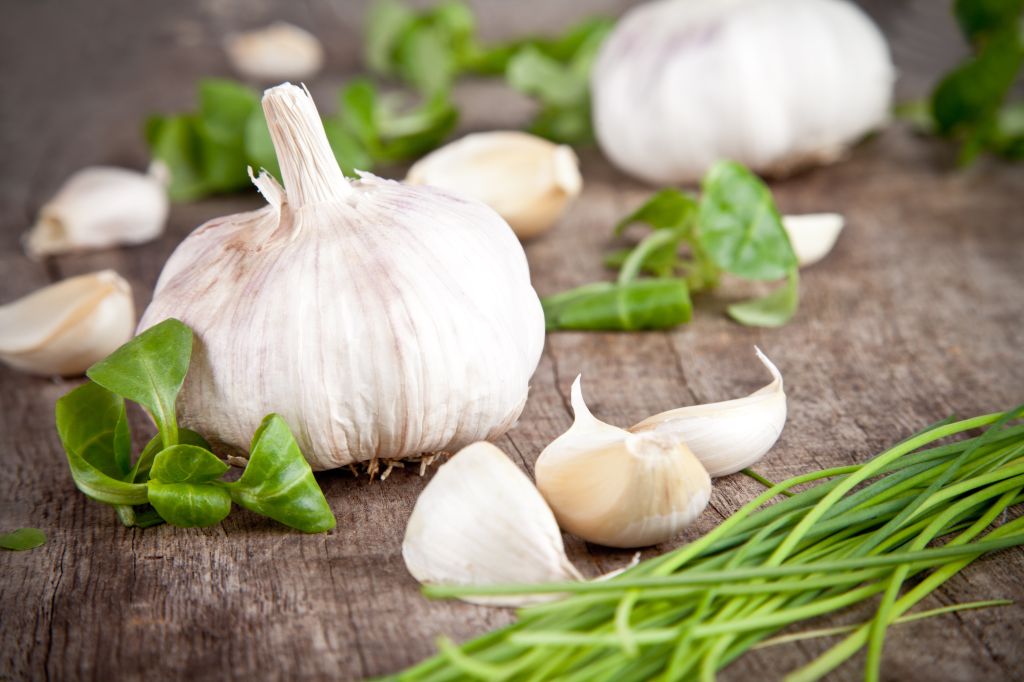
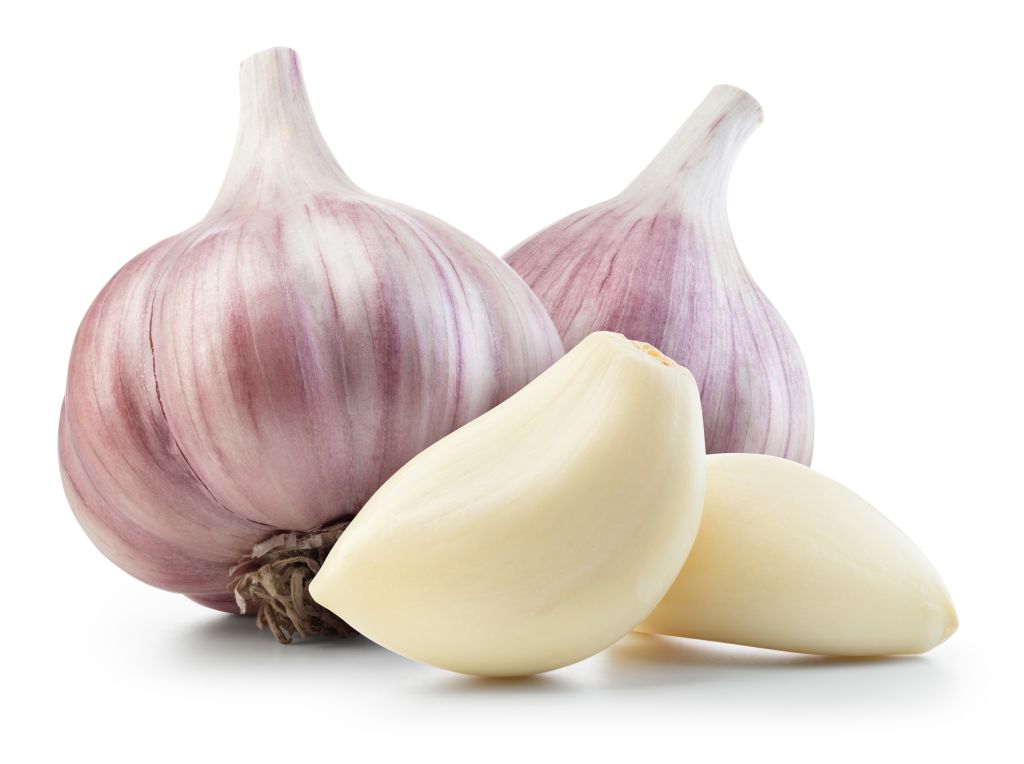
Garlic is often called nature’s antibiotic due to its powerful antifungal, antibacterial, and antiviral properties.
These effects are attributed to allicin, a sulfur-containing compound responsible for garlic’s distinct odor, which has been found to help fight candida infections when consumed regularly.
A study published in FEMS Microbiology Letters confirms this by reporting that allicin displayed similar anti-candida effects to fluconazole, a conventional candidiasis treatment, in animals.
5. Clove oil
Clove oil has potent antifungal, antibacterial, and antiviral properties as it’s a rich source of eugenol. This natural compound has been shown effective against pharmaceutical-resistant strains of fungi in the vagina and gastrointestinal tract.
Additionally, clove essential oil displays similar properties to thyme essential oil, reducing candida biofilm formation by up to 84 percent, according to research published in Molecules.
6. Probiotics
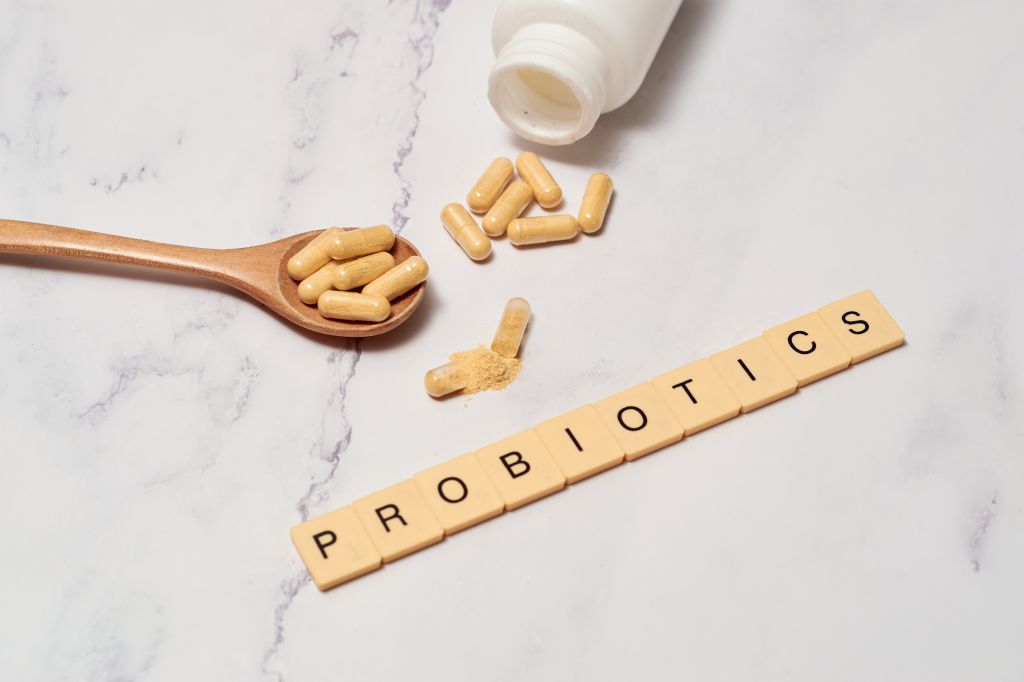
Probiotics are friendly strains of bacteria that help protect against candida overgrowth by competing with yeasts for space and nutrients.
However, frequent antibiotic use, a sugary diet, stress, and alcohol can destroy beneficial bacteria and contribute to an imbalanced microbiome.
Consuming probiotic-rich foods has been found to help repopulate the gut with beneficial microbial strains that help combat fungal infections.
A study published in Clinical Infectious Diseases concluded, “…probiotics, particularly Lactobacilli, suppress candida growth and biofilm development in vitro. A few clinical trials have also shown the beneficial effects of probiotics in reducing oral, vaginal, and enteric colonization by candida and alleviation of clinical signs and symptoms.”
When to talk to your doctor
Information related to candidiasis should be discussed with a healthcare provider to determine suitability based on your individual health needs.
Given the restrictive nature of the candida diet, consulting a nutritionist is strongly recommended to minimize the risk of nutritional deficiencies.
Furthermore, if you experience severe, recurrent, or worsening candida symptoms, it’s crucial to consult your healthcare provider immediately.
A thorough medical evaluation may be necessary to determine the underlying cause of your symptoms, as they can often mimic those of other infections, leading to misdiagnosis.
Key takeaways
- Candida overgrowth is often triggered by antibiotic use, high-sugar diets, stress, and poor lifestyle habits, and may contribute to symptoms including brain fog, thrush, fatigue, joint discomfort, and digestive issues.
- The candida diet limits sugars, refined carbohydrates, alcohol, and high-lactose dairy to help reduce yeast fuel sources while emphasizing gut-supportive, nutritious foods.
- A nutrient-dense Healthy Keto diet combined with intermittent fasting can further support balanced blood sugar and microbial stability, creating an internal environment less favorable for yeast overgrowth.
- Natural home remedies, including garlic, clove oil, thyme oil, grapefruit seed extract, and apple cider vinegar, contain powerful antifungal properties and microbial support that may help restore gut health.
FAQ
- 1. Does the candida diet work?
- 2. What foods should be avoided on a candida diet?
- 3. What kills candida in the gut fast?
- 4. What are the best natural remedies for candida?
- 5. What are the symptoms of candida overgrowth?
Sources
- Turner SA, Butler G. The Candida pathogenic species complex. Cold Spring Harb Perspect Med. 2014;4(9):a019778. doi:10.1101/cshperspect.a019778 https://pmc.ncbi.nlm.nih.gov/articles/PMC4143104/
- Jawhara S. Healthy Diet and Lifestyle Improve the Gut Microbiota and Help Combat Fungal Infection. Microorganisms. 2023;11(6). doi:10.3390/microorganisms11061556 https://pmc.ncbi.nlm.nih.gov/articles/PMC10302699/
- Tsutsumi-Arai C, Terada-Ito C, Tatehara S, et al. Fungicidal activity of grapefruit seed extract against the pathogenic Candida species causing oral candidiasis. J Oral Maxillofac Surg Med Pathol. 2021;33(6):626-632. doi:10.1016/j.ajoms.2021.03.001 https://www.sciencedirect.com/science/article/abs/pii/S2212555821000545
- Khodavandi A, Alizadeh F, Harmal NS, et al. Comparison between efficacy of allicin and fluconazole against Candida albicans in vitro and in a systemic candidiasis mouse model. FEMS Microbiol Lett. 2011;315(2):87-93. doi:10.1111/j.1574-6968.2010.02170.x https://pubmed.ncbi.nlm.nih.gov/21204918/
- Rajkowska K, Nowicka-Krawczyk P, Kunicka-Styczyńska A. Effect of Clove and Thyme Essential Oils on Candida Biofilm Formation and the Oil Distribution in Yeast Cells. Molecules. 2019;24(10). doi:10.3390/molecules24101954 https://pmc.ncbi.nlm.nih.gov/articles/PMC6572016/
- Matsubara VH, Bandara HM, Mayer MP, Samaranayake LP. Probiotics as Antifungals in Mucosal Candidiasis. Clin Infect Dis. 2016;62(9):1143-53. doi:10.1093/cid/ciw038 https://pubmed.ncbi.nlm.nih.gov/26826375/
Related Articles
-
Ketones vs. Glucose: How Your Body Uses Fuel
 Diet
DietKetones vs. Glucose: How Your Body Uses Fuel
At a glance Ketones and glucose are two fuels the body can use, but they are produced and used under different metabolic conditions. Glucose is closely tied to carbohydrate intake,…08/13/2026 -
Eating Out on Keto: Simple Ordering Strategies
 Food and Drink
Eating Out on Keto: Simple Ordering Strategies
At a glance Restaurant meals are often centered around carbohydrate-rich foods, which can make low-carb dining more difficult. Hidden carbohydrates are also common in sauces, dressings, and other prepared ingredients.…06/25/2026 -
9 Keto Staples for Your Pantry and Fridge
 Nutrition
9 Keto Staples for Your Pantry and Fridge
At a glance Keeping the right foods on hand makes it easier to stay consistent on a ketogenic diet without relying on highly processed products. A well-stocked keto pantry focuses…06/19/2026 -
Artificial Sweeteners: Types, Pros, and Cons
 Nutrition
Artificial Sweeteners: Types, Pros, and Cons
At a glance Artificial sweeteners are widely used in sugar-free and low-calorie products as substitutes for added sugar. These compounds provide sweetness with little to no calories or carbohydrates and…06/05/2026 -
Keto-Friendly Sauces and Condiments
 Nutrition
Keto-Friendly Sauces and Condiments
At a glance Keto-friendly sauces and condiments can help support ketosis by keeping overall carbohydrate intake within the limit of 20 to 50 grams per day. Choosing options made with…06/01/2026 -
Keto on a Budget: Tips and Foods to Eat
 Diet
DietKeto on a Budget: Tips and Foods to Eat
At a glance A ketogenic diet can be maintained using simple, affordable whole foods rather than expensive specialty products. Prioritizing versatile ingredients and planning meals strategically can help reduce grocery…04/24/2026 -
Muscle Twitching on Keto: Causes and What to Do
 Diet
DietMuscle Twitching on Keto: Causes and What to Do
At a glance Muscle twitching is common when first starting keto and is often linked to shifts in fluid balance, electrolyte minerals, and digestive function as insulin levels remain steady.…03/19/2026 22.3k views -
What Is Polycystic Ovarian Syndrome (PCOS)?
 Health concerns
What Is Polycystic Ovarian Syndrome (PCOS)?
At a glance Polycystic ovarian syndrome (PCOS) is a hormonal condition characterized by immature ovarian follicles that can disrupt ovulation, menstrual cycles, and fertility. The condition is closely linked to…03/06/2026 42.3k views -
Carnivore Diet: Weight Loss Tips, Benefits, and Risks
 Diet
DietCarnivore Diet: Weight Loss Tips, Benefits, and Risks
At a glance The carnivore diet relies solely on animal-based foods, eliminating all plants and carbohydrate sources. This shift can support weight regulation, stabilize blood sugar levels, and help lower…02/20/2026 5.3k views -
Keto Poop: How Keto Can Change Your Stool and Why
 Diet
DietKeto Poop: How Keto Can Change Your Stool and Why
At a glance Starting a ketogenic diet can alter stool consistency, frequency, and appearance, often referred to as keto poop. These effects are common and typically indicate that the digestive…02/06/2026 26.2k views


