

At a glance
Prebiotics are indigestible fibers that feed the beneficial bacteria in your gut, while probiotics are live microorganisms that help maintain a healthy and diverse microbiome. Consuming foods rich in both prebiotics and probiotics supports digestive functions, strengthens immune defenses, and may help promote better mental and metabolic health.
Prebiotics vs probiotics–what’s the difference, and is one better for supporting health than the other?
While prebiotics are indigestible fibers that feed gut microbes, probiotics are beneficial microorganisms residing in the gastrointestinal tract.
Discover the relationship between prebiotics and probiotics and learn why ensuring you get plenty of both can significantly enhance digestive functions and overall health.
What are probiotics?
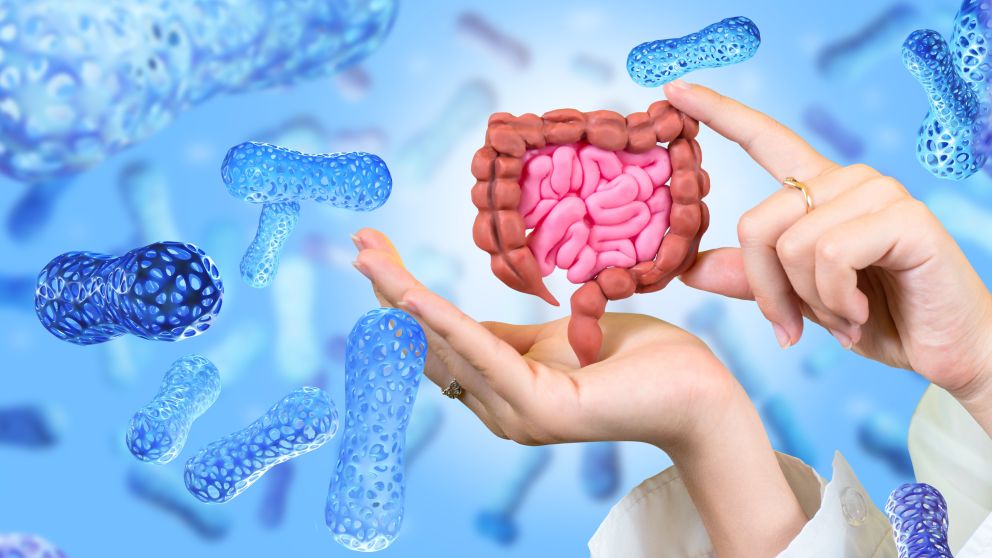
Probiotics are live microorganisms found in fermented foods that help replenish the population of helpful bacteria in the intestines, widely known as the gut microbiome.
The human microbiome consists of trillions of friendly probiotic microbes that influence various aspects of health, including digestive functions, immune defenses, and mood regulation.
The most common strains of beneficial gut microorganisms include:
- Lactobacillus species
- Bifidobacterium species
- Enterococcus faecium
- Saccharomyces boulardii
In addition to the vast amounts of beneficial microorganisms, hundreds of bacterial, viral, and yeast species could potentially have harmful effects if allowed to grow and proliferate uncontrolled.
Watch the video below to learn more about the difference between probiotics and probiotics.
Health benefits of probiotics
When the microbiome is balanced, friendly gut microbes vastly outnumber potentially harmful species.
Antibiotic use, poor dietary habits, and chronic stress can cause significant changes in gut bacteria composition, also known as dysbiosis, which is linked to a range of health issues.
Here are five incredible health benefits of probiotics.
1. Support digestive functions
Probiotics support digestion by fermenting certain fibers and complex carbohydrates that the body cannot digest. This fermentation also produces beneficial short-chain fatty acids (SCFAs) that nourish gut cells and support overall digestive health.
These tiny microorganisms are also essential for optimal nutrient absorption, likely because they create a healthy intestinal environment and can convert nutrients into more bioavailable forms.
Research published in Food Chemistry: X found that probiotics may increase mineral absorption by lowering inflammation and improving gut barrier function.1
2. Strengthen immune defenses
Approximately 70 percent of immune cells are located in the gut, which explains why probiotics may help modulate immune system integrity against infection and disease.
Probiotics also promote the balance of the gut microflora, particularly after antibiotic treatment, as they compete with unfriendly microbes for resources.
“Antibiotics open the immune system up to secondary yeast and fungal infections,” explains Dr. Berg. “Adding probiotics to the diet strengthens the body’s defenses against these opportunistic microbes.”
Additionally, probiotics can support a healthy inflammatory response and help manage symptoms of irritable bowel syndrome (IBS) and inflammatory bowel disease (IBD).
3. Support mental well-being
Enriching your diet with probiotic-rich foods may support mental health and protect against mood disorders, such as depression and anxiety.
This is linked to a bidirectional neural network known as the gut-brain axis, which facilitates the communication between the human gut microbiome and the central nervous system.
It’s believed that the microbiome can directly affect brain function and neurotransmitter release, which are linked to cognition and mood regulation.
A study published in Nutrition found that probiotic food intake significantly improved depression risk and helped mitigate depressive symptoms, particularly in men.2
4. Promote vitamin balance
Dysbiosis can contribute to certain nutrient deficiencies due to the role of gut bacteria in vitamin synthesis.
In a healthy microbiome, friendly gut bacteria can synthesize essential nutrients, including vitamin K and several B vitamins, such as biotin, cobalamin, folate, riboflavin, and pyridoxine.
These nutrients are essential for blood clotting, bone health, nerve functions, immune system regulation, and other critical biological processes.
5. Promotes healthy skin
Though not officially recognized in Western medicine, intestinal permeability, or a leaky gut, refers to a gut lining that has become more permeable than normal.
Factors such as antibiotics, certain inflammatory foods, and other lifestyle or environmental stressors can trigger or worsen increased permeability.
Probiotics may benefit the skin by strengthening the gut barrier and reducing the risk of a leaky gut. This barrier inhibits toxins and food particles from entering the bloodstream, where they can trigger immune responses that can lead to acne, eczema, and other skin issues.
A study published in Probiotics and Antimicrobial Proteins summarizes “Fermented foods containing probiotics, particularly dairy products, positively impact skin health. It seems that probiotics can exert their positive effects through the gut-skin and gut-skin-brain axis on the human body.”3
What are prebiotics?
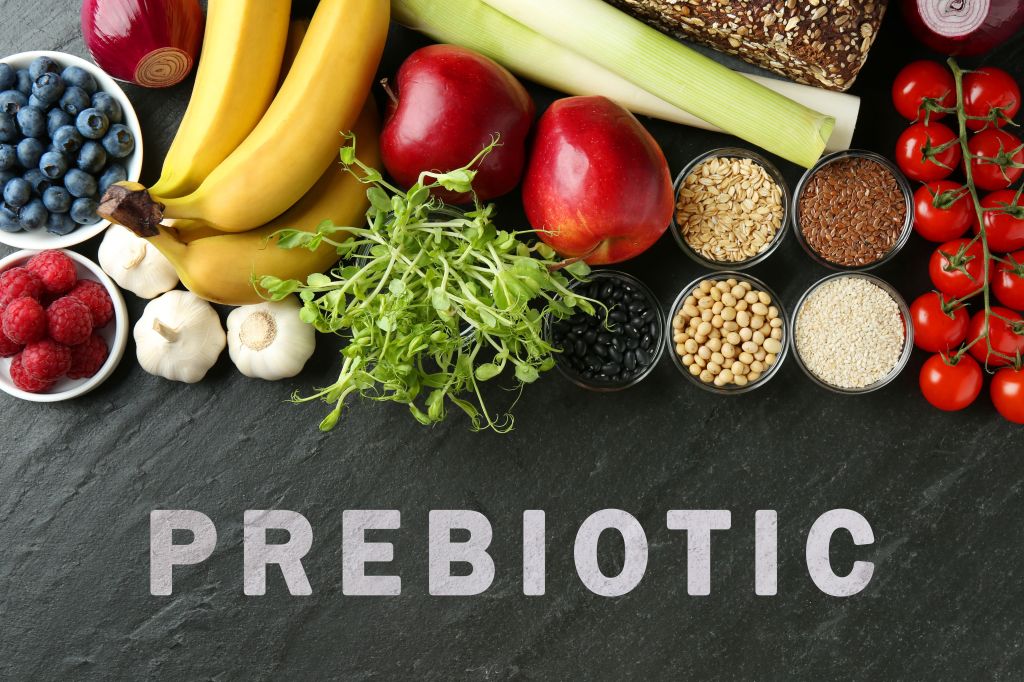
Prebiotics are dietary fibers that the body can’t digest, including inulin, fructans, and resistant starches. These fibers act as a food source for probiotic microbes, encouraging their proliferation, bacterial diversity, and activity within the microbiome.
When prebiotic fibers reach the colon, beneficial bacteria ferment them, using these fibers as a fuel source.
This explains why a diet rich in prebiotic foods is as vital as the consumption of probiotics for supporting a balanced and diverse gut microbiome.
Health benefits of prebiotics
Prebiotics nourish gut microbes, offering various beneficial effects, including a lower risk of chronic diseases and better metabolic health.
Here are four health benefits of prebiotic foods.
1. Help optimize liver function
Prebiotic fibers can reduce the activity of hepatic lipogenic enzymes, a group of liver proteins involved in fatty acid and triglyceride synthesis linked to fat accumulation in liver cells.
This effect is partly due to their fermentation by gut microbes, which produces beneficial metabolites such as SCFAs, including acetate, propionate, and butyrate.
SCFAs help regulate lipid metabolism and improve insulin sensitivity, which reduces fat accumulation in the liver and helps lower the risk of non-alcoholic fatty liver disease (NAFLD).
2. May reduce colon cancer risk factors
Prebiotics feed beneficial bacteria that line the colon walls and produce SCFAs, including butyrate, which may reduce the risk of colon cancer.
Butyrate has been shown to inhibit cancer cell proliferation and promote apoptosis, which is the programmed death of cancer cells.
Prebiotics also support a strong gut barrier and modulate the immune system, lowering inflammation in the colon and potentially enhancing the body’s ability to destroy malignant cells.
A study published in Microorganisms found that high concentrations of SCFAs within the colon are associated with decreased tumor formation in colorectal cancer.4
3. Support blood sugar balance
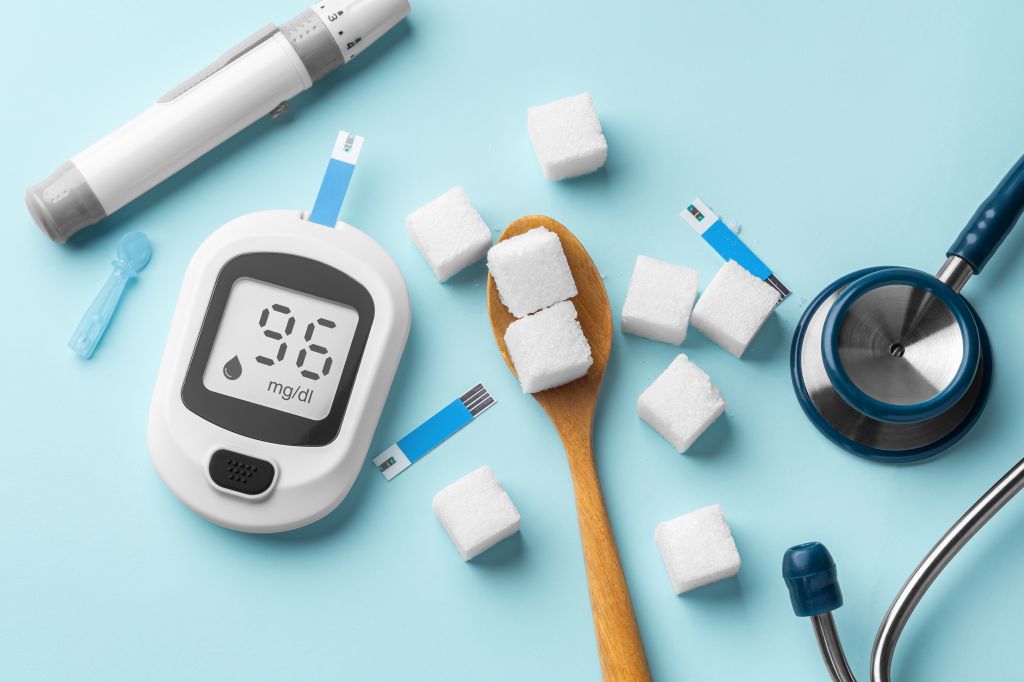
Gut microbiota dysfunction is associated with poor glycemic control and an increased risk of metabolic disease, including type 2 diabetes.
Consuming prebiotic-rich foods may restore a balanced gut microbiome and increase the production of SCFAs, which are linked to lower blood sugar levels and improved insulin sensitivity.
4. Help regulate appetite
Regular intake of prebiotics can favorably alter the composition of beneficial gut bacteria that suppress the hunger hormone ghrelin and release satiety hormones, such as glucagon-like peptide-1 (GLP-1).
Influencing the production and suppression of these hormones may help regulate appetite and lower overall food intake, which can lead to weight loss and aid effective weight maintenance.
Key differences between prebiotics and probiotics
While both prebiotics and probiotics are beneficial for promoting gut health, they differ in their supportive mechanisms.
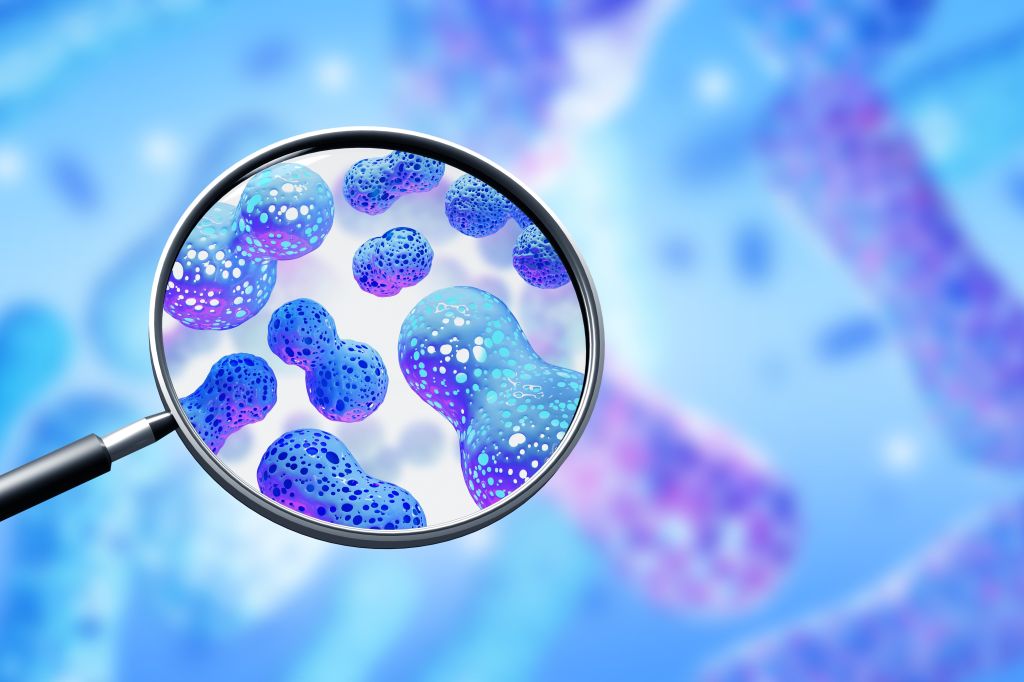
Probiotics are live microorganisms, including beneficial bacteria and yeasts, that are introduced to the gut to help restore or maintain a healthy balance of gut microflora.
In contrast, prebiotics are non-digestible fibers that feed and support the beneficial microorganisms residing within the intestinal microbiome.
Should you have both prebiotics and probiotics?
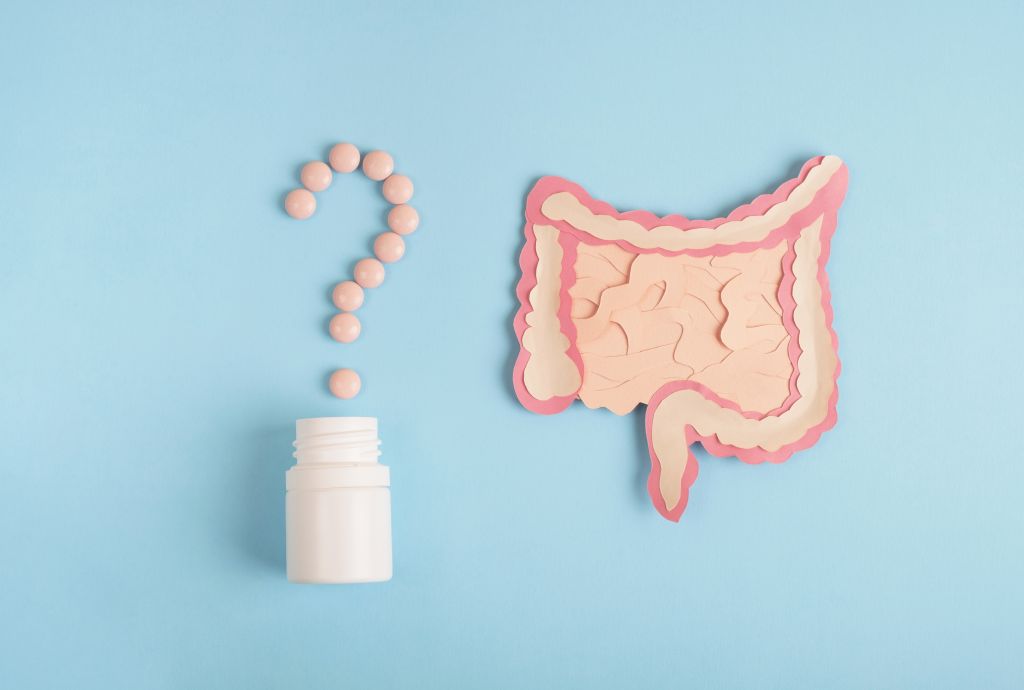
Yes, consuming pre- and probiotics together is recommended, as they work in combination to promote a balanced and diverse microbiome.
Probiotics help diversify and increase the population of beneficial bacteria in the large intestine, while prebiotics feed and support their growth.
This relationship is synbiotic, meaning the combination of pre- and probiotics produces greater effects than they would achieve individually.
However, those with small intestinal bacterial overgrowth (SIBO) should avoid increasing their intake of prebiotic and probiotic foods, as this can worsen symptoms such as bloating, gas, and abdominal pain.

How to add prebiotics and probiotics to your diet
The best way to support your gut microbiome is through a healthy diet rich in natural prebiotic and probiotic foods.
Some of the best sources of prebiotic fibers include:
- Asparagus
- Avocados
- Berries
- Chickpeas
- Leafy greens such as spinach, kale, and dandelion greens
- Garlic
- Jerusalem artichokes
- Leeks
- Onions
While whole grains are sources of prebiotics, they often contain gluten, which can disrupt gut health, induce inflammation, and contribute to a leaky gut.
Consuming cultured and fermented foods and beverages is an excellent way to obtain live probiotic strains to repopulate the gut.
Here are the top sources of probiotic microbes:
- Sauerkraut
- Kimchi
- Kombucha tea
- Kefir
- Sugar-free yogurt
- Tempeh
- Natto
- Unpasteurized pickled vegetables
Synbiotic foods, which contain both prebiotic fibers and probiotic microbes, include sauerkraut, kimchi, miso, tempeh, and kefir.
However, it’s recommended to consult a healthcare professional before adding prebiotics and probiotics to your routine, especially if you experience SIBO symptoms or have been diagnosed with a digestive disorder, such as IBS or IBD.
Key takeaways
- Prebiotic fibers feed beneficial gut microbes, thereby supporting microbial diversity and digestive health.
- Probiotic-rich foods introduce live bacteria to the gut, helping restore and maintain a healthy microbial balance.
- Consuming pre- and probiotics together supports microbial diversity and maximizes gut health benefits.
- Probiotic dietary sources include fermented foods such as kefir, sauerkraut, miso, and tempeh, while leafy greens, avocado, garlic, and onion offer prebiotic fibers.
- Regularly incorporating pre-and probiotic foods can help improve digestion, immunity, blood sugar regulation, mental well-being, and overall health.
FAQ
- What is better, prebiotics or probiotics?
- Can you have prebiotics and probiotics together?
- What foods have prebiotics and probiotics?
- What are the signs you need prebiotics?
- Is avocado a prebiotic or probiotic?
Sources
- https://pmc.ncbi.nlm.nih.gov/articles/PMC10767166/ ↩︎
- https://www.sciencedirect.com/science/article/pii/S0899900718307329 ↩︎
- https://pubmed.ncbi.nlm.nih.gov/38965196/ ↩︎
- https://pmc.ncbi.nlm.nih.gov/articles/PMC8234836/ ↩︎
Related Articles
-
How Does Sugar Affect Digestion?
 Digestive health
How Does Sugar Affect Digestion?
At a glance Sugar is a carbohydrate that the digestive system breaks down into simple molecules for absorption and energy use. While this is a normal part of metabolism, sugar…09/24/2026 -
Food Intolerance Symptoms and How to Identify Patterns
 Digestive health
Food Intolerance Symptoms and How to Identify Patterns
At a glance Food intolerance symptoms can be difficult to connect to a particular food because they don’t always happen immediately after eating. Reactions may depend on portion size, food…07/30/2026 -
Sugar Alcohols: What They Are and How They Affect Digestion
 Food and Drink
Sugar Alcohols: What They Are and How They Affect Digestion
At a glance Sugar alcohols are low-calorie sweeteners commonly used in sugar-free foods, chewing gum, desserts, and other processed foods. Unlike regular sugar, many sugar alcohols are not fully absorbed…05/21/2026 -
Food Preservatives: Types, Safety, and Health Effects
 Nutrition
Food Preservatives: Types, Safety, and Health Effects
At a glance Food preservatives are common additives in packaged and processed food products that help extend shelf life and prevent spoilage. While some preservatives are derived from natural sources…04/03/2026 -
6 Natural Remedies for H. Pylori
 Health concerns
6 Natural Remedies for H. Pylori
At a glance Helicobacter pylori (H. pylori) is a common pathogen that infects the stomach and increases the risk of ulcers and other gastrointestinal symptoms. While conventional treatment relies on…03/19/2026 24.6k views -
How to Kill Parasites: 7 Natural Tips
 Health concerns
How to Kill Parasites: 7 Natural Tips
At a glance Parasitic infections occur when worms or protozoa colonize the body, often through exposure to contaminated pets, food, or water. These organisms can interfere with digestion and other…03/13/2026 15.1k views -
Natural Flavors vs. Artificial Flavors
 Nutrition
Natural Flavors vs. Artificial Flavors
At a glance Both natural and artificial flavors are widely used in everyday food products to enhance their taste and aroma. It’s generally known that artificial flavoring substances are linked…03/12/2026 -
What Causes Pale Colored Stool?
 Health concerns
What Causes Pale Colored Stool?
At a glance Pale-colored stool can be linked to low bile flow, low-fat diets, alcohol use, infections, or underlying liver, gallbladder, or pancreatic issues. Supporting gallbladder function through a nutritious…02/26/2026 14.9k views -
3 Benefits of Oral Probiotics–And How To Use Them
 Digestive health
3 Benefits of Oral Probiotics–And How To Use Them
At a glance Oral probiotics are beneficial microbes that help maintain a balanced environment in the mouth, promoting strong teeth, healthy gums, and fresher breath. Supporting a diverse oral microbiome…02/20/2026 6.3k views -
What Is the Top Cause of Rosacea?
 Health concerns
What Is the Top Cause of Rosacea?
At a glance Rosacea is a chronic skin condition marked by facial redness and discomfort. The cause of rosacea extends beyond the skin, with growing research highlighting the connection between…02/20/2026 8.1k views


