


At a glance
Helicobacter pylori (H. pylori) is a common pathogen that infects the stomach and increases the risk of ulcers and other gastrointestinal symptoms. While conventional treatment relies on antibiotics, natural remedies for H. pylori, such as garlic, onion, and horseradish, may help reduce bacterial activity. Prevention includes good hygiene, safe food and water consumption, and maintaining healthy stomach acidity.
Helicobacter pylori, widely known as H. pylori, is a spiral-shaped bacterium that colonizes the stomach lining and is estimated to affect more than half of the world’s population.
In many people, an H. pylori infection remains asymptomatic. However, severe overgrowth can lead to peptic ulcers, chronic digestive discomfort, and an increased risk of gastric cancer.
Discover the common signs and symptoms of H. pylori and learn about six natural remedies with potent antimicrobial properties that may help support gastric health.
What is H. pylori?
Helicobacter pylori (H. pylori) is a spiral-shaped bacterium that can colonize the stomach and duodenum, which forms the upper portion of the small intestine.
Its distinctive spiral shape, along with multiple flagella that enhance motility, and the production of enzymes such as urease enable H. pylori to penetrate the stomach’s protective mucus layer and neutralize gastric acid, thereby creating a more favorable environment for survival.
Commonly referred to as ulcer bacteria, H. pylori produces cytotoxins that damage the gastric mucosa. This weakens the lining of the stomach and duodenum, which can contribute to gut inflammation and the development of peptic ulcers.
H. pylori bacteria typically infect individuals during childhood and are more prevalent in populations living in crowded conditions or with limited access to clean water and adequate sanitation.
Infection rates are higher in developing regions, although H. pylori remains globally prevalent in developed countries as well.
Watch the video below to learn about six natural remedies for managing H. pylori.
Signs and symptoms
Most individuals infected with H. pylori don’t experience any symptoms, making early detection and management challenging.
However, when these microbes trigger significant gastric inflammation, they can damage the stomach lining and contribute to the development of gastric ulcers and other gut issues.
Common symptoms associated with H. Pylori infection include:
- Abdominal bloating
- Aching or burning abdominal pain
- Frequent burping or excessive gas
- Nausea or stomach discomfort that intensifies when the stomach is empty
- Reduced appetite
- Unexplained weight loss
In more severe cases, H. pylori infections may lead to complications such as iron-deficiency anemia, peptic ulcer disease, or increase the risk of stomach cancer. Warning signs can include black or bloody stools, vomiting blood, chronic fatigue, and difficulty swallowing.
If you experience alarming or persistent symptoms, consult your healthcare provider or visit the nearest emergency room for evaluation.
6 natural remedies for H. pylori
Healthcare providers use diagnostic tools, such as the urea breath test, to confirm infection, and typically manage H. pylori with antibiotic therapy and acid-suppressing medications.
However, as antibiotic resistance increases, many people are seeking natural alternatives to support microbial balance and reduce infection risk.
Here are six natural remedies that may help manage H. pylori infections.
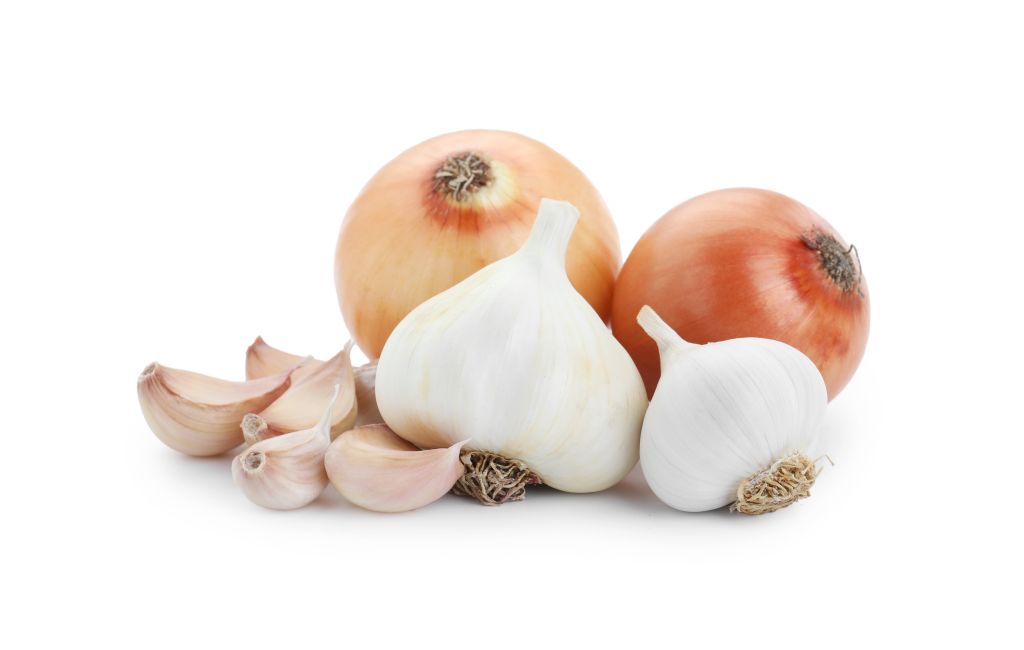
1. Garlic and onion
Garlic and onions are rich sources of allicin and quercetin, two bioactive compounds that have been shown to slow bacterial growth, lower inflammation, and inhibit H. pylori from adhering to cells in the stomach lining.
A study published in the Avicenna Journal of Phytomedicine found that participants who consumed two cloves of raw garlic for three days significantly reduced H. pylori urease activity.
2. Horseradish
Horseradish is a pungent root vegetable belonging to the Brassicaceae family, closely related to mustard, broccoli, and cabbage. It contains isothiocyanates, which are sulfur-containing compounds with notable antimicrobial activity.
Allyl isothiocyanate (AITC), in particular, has been shown to exert strong antibacterial effects against H. pylori by directly damaging bacterial membranes.
These properties suggest that horseradish may help limit pathogenic activity and potentially support the effectiveness of conventional H. pylori treatment options.
3. Fermented foods
Fermented foods are rich sources of live cultures that support a balanced gut microbiome and release compounds that can help inhibit the growth of pathogens such as H. pylori.
“Lactic acid bacteria, found in fermented foods such as sauerkraut or kombucha tea, can help minimize H. pylori growth and limit its colonization in the stomach,” explains Dr. Berg. “These foods also promote digestive health and strengthen the immune response against microbial infection.”
4. Green tea
Green tea is an exceptionally rich source of catechins, such as epigallocatechin gallate (EGCG), which are powerful antioxidants that help inhibit harmful microbes in the digestive tract.
Consuming green tea regularly may lower the risk of H. pylori infection by inhibiting urease activity, slowing bacterial growth, and reducing gastric mucosal inflammation.
Research published in the International Journal of Antimicrobial Agents investigated the benefits of green tea consumption for H. pylori management and concluded, “Components within natural remedies such as green tea could be further used for prevention and treatment of Helicobacter-induced gastritis in humans.”
5. Cranberry juice
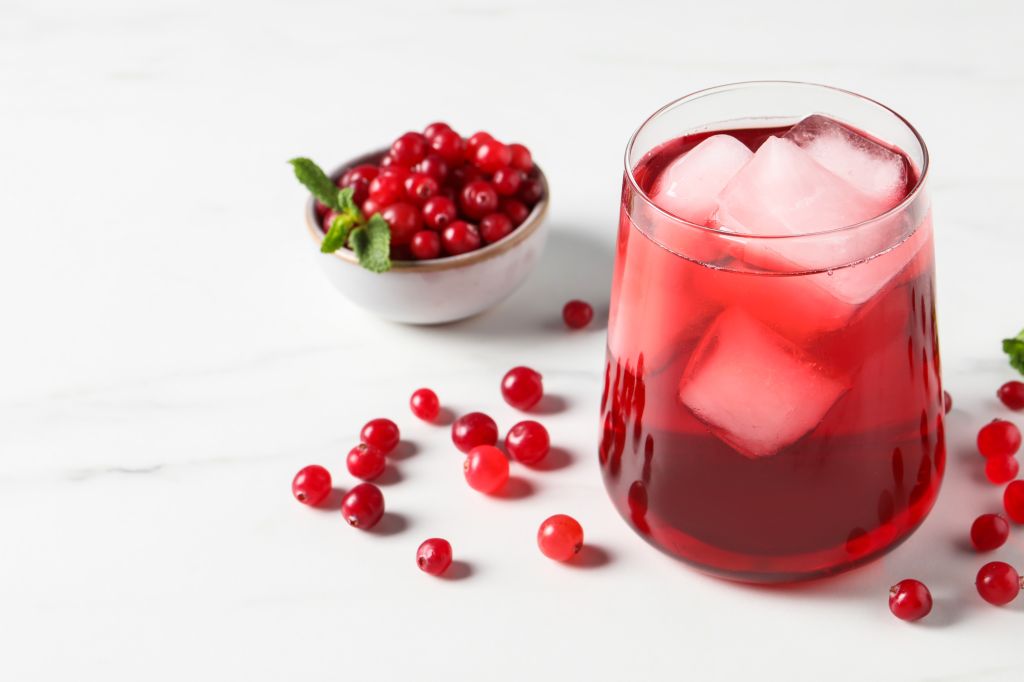
Cranberry juice may help manage H. pylori infection by inhibiting bacterial adherence to the stomach lining, reducing colonization, and supporting the effectiveness of antibiotic therapy.
This protective effect is largely attributed to bioactive compounds called proanthocyanidins (PACs), which are naturally abundant in cranberry juice.
Evidence published in the Journal of Gastroenterology and Hepatology found that daily consumption of PAC-rich cranberry juice significantly lowered H. pylori infection rates.
6. Broccoli sprouts
Broccoli sprouts, broccoli, and other cruciferous vegetables offer sulforaphane, a naturally occurring isothiocyanate with strong antimicrobial and anti-inflammatory properties.
Regular consumption of sulforaphane-containing foods may help reduce bacterial colonization and directly target H.pylori, including strains resistant to conventional treatments.
Research published in Proceedings of the National Academy of Sciences of the United States of America found that “Sulforaphane is a potent bacteriostatic agent against 3 reference strains and 45 clinical isolates of H. pylori irrespective of their resistance to conventional antibiotics.”

Prevention
Reducing exposure to pathogens and supporting the body’s natural defenses are key to minimizing the risk of H. pylori infection.
Because contaminated water is a common source of transmission, always drink water from a clean, treated source, especially when traveling to regions where bacterial and parasitic infections are more common.
Maintaining good hygiene also helps limit the spread of infection. Wash your hands thoroughly before meals or after using the restroom, and avoid sharing utensils, cups, or toothbrushes, as H. pylori can be transmitted through saliva or fecal matter.
Additionally, food safety is another vital preventative measure. Only consume foods that are thoroughly cooked and prepared under sanitary conditions to minimize exposure to harmful bacteria.
Finally, maintaining healthy stomach acidity can help the body defend against microbes. Taking a diluted apple cider vinegar (ACV) drink before or with meals may help maintain stomach acidity and support the body’s ability to defend against pathogens.
However, individuals with peptic ulcers should avoid ACV, as it can worsen irritation.
Key takeaways
- H. pylori is a common pathogen that infects the stomach and duodenum and can contribute to gastric disorders and an increased risk of gastric cancer.
- Many individuals remain asymptomatic, though others may experience abdominal pain, bloating, gas, or nausea, among other symptoms.
- While there is no universally approved H. pylori natural treatment, certain home remedies, such as garlic, onion, horseradish, and fermented foods, may help limit bacterial activity, reduce the risk of spread, and support overall gut health.
- Infection risk can be lowered by consuming food and water from sanitary sources, practicing good hygiene, avoiding the sharing of utensils, and maintaining healthy stomach acidity.
- Consult your healthcare provider if you notice severe symptoms, including black or bloody stool, vomiting blood, or unexplained weight loss.
FAQ
- 1. Can H. pylori be dealt with naturally?
- 2. What are the best natural remedies for H. pylori?
- 3. What foods help get rid of Helicobacter pylori?
- 4. When should H. pylori be medically tested or treated?
Sources
- Zardast M, Namakin K, Esmaelian Kaho J, Hashemi SS. Assessment of antibacterial effect of garlic in patients infected with Helicobacter pylori using urease breath test. Avicenna journal of phytomedicine. 2016;6(5):495-501 https://pmc.ncbi.nlm.nih.gov/articles/PMC5052411/
- Matsubara S, Shibata H, Ishikawa F, Yokokura T, Takahashi M, Sugimura T, et al. Suppression of Helicobacter pylori-induced gastritis by green tea extract in Mongolian gerbils. Biochemical and biophysical research communications. 2003;310(3):715-9 https://pubmed.ncbi.nlm.nih.gov/14550260/
- Stoicov C, Saffari R, Houghton J. Green tea inhibits Helicobacter growth in vivo and in vitro. International Journal of Antimicrobial Agents. 2009;33(5):473-478. doi:10.1016/j.ijantimicag.2008.10.032 https://pmc.ncbi.nlm.nih.gov/articles/PMC2694061/
- Fahey JW, Haristoy X, Dolan PM, Kensler TW, Scholtus I, Stephenson KK, et al. Sulforaphane inhibits extracellular, intracellular, and antibiotic-resistant strains of Helicobacter pylori and prevents benzo[a]pyrene-induced stomach tumors. Proceedings of the National Academy of Sciences of the United States of America. 2002;99(11):7610-5 https://pubmed.ncbi.nlm.nih.gov/12032331/
Related Articles
-
Digestive Enzyme Supplements: Forms and How to Choose
 Nutrition
Digestive Enzyme Supplements: Forms and How to Choose
At a glance Digestive enzymes help facilitate the breakdown of food into nutrients the body can absorb and use for energy and essential bodily functions. Digestive enzyme supplements are available…10/01/2026 -
How Does Sugar Affect Digestion?
 Digestive health
How Does Sugar Affect Digestion?
At a glance Sugar is a carbohydrate that the digestive system breaks down into simple molecules for absorption and energy use. While this is a normal part of metabolism, sugar…09/24/2026 -
Food Intolerance Symptoms and How to Identify Patterns
 Digestive health
Food Intolerance Symptoms and How to Identify Patterns
At a glance Food intolerance symptoms can be difficult to connect to a particular food because they don’t always happen immediately after eating. Reactions may depend on portion size, food…07/30/2026 -
Sugar Alcohols: What They Are and How They Affect Digestion
 Food and Drink
Sugar Alcohols: What They Are and How They Affect Digestion
At a glance Sugar alcohols are low-calorie sweeteners commonly used in sugar-free foods, chewing gum, desserts, and other processed foods. Unlike regular sugar, many sugar alcohols are not fully absorbed…05/21/2026 -
Food Preservatives: Types, Safety, and Health Effects
 Nutrition
Food Preservatives: Types, Safety, and Health Effects
At a glance Food preservatives are common additives in packaged and processed food products that help extend shelf life and prevent spoilage. While some preservatives are derived from natural sources…04/03/2026 -
How to Kill Parasites: 7 Natural Tips
 Health concerns
How to Kill Parasites: 7 Natural Tips
At a glance Parasitic infections occur when worms or protozoa colonize the body, often through exposure to contaminated pets, food, or water. These organisms can interfere with digestion and other…03/13/2026 15.1k views -
Natural Flavors vs. Artificial Flavors
 Nutrition
Natural Flavors vs. Artificial Flavors
At a glance Both natural and artificial flavors are widely used in everyday food products to enhance their taste and aroma. It’s generally known that artificial flavoring substances are linked…03/12/2026 -
What Causes Pale Colored Stool?
 Health concerns
What Causes Pale Colored Stool?
At a glance Pale-colored stool can be linked to low bile flow, low-fat diets, alcohol use, infections, or underlying liver, gallbladder, or pancreatic issues. Supporting gallbladder function through a nutritious…02/26/2026 14.9k views -
3 Benefits of Oral Probiotics–And How To Use Them
 Digestive health
3 Benefits of Oral Probiotics–And How To Use Them
At a glance Oral probiotics are beneficial microbes that help maintain a balanced environment in the mouth, promoting strong teeth, healthy gums, and fresher breath. Supporting a diverse oral microbiome…02/20/2026 6.3k views -
What Is the Top Cause of Rosacea?
 Health concerns
What Is the Top Cause of Rosacea?
At a glance Rosacea is a chronic skin condition marked by facial redness and discomfort. The cause of rosacea extends beyond the skin, with growing research highlighting the connection between…02/20/2026 8.1k views


