


At a glance
Food preservatives are common additives in packaged and processed food products that help extend shelf life and prevent spoilage. While some preservatives are derived from natural sources and have a long history of use, many others are synthetic compounds with growing concerns about their effects on long-term health.
Food preservatives are among the most widely used additives in the modern food supply, appearing in everything from packaged meats and baked goods to condiments and beverages.
While food preservatives help prevent spoilage and reduce the risk of food-borne illness, their use has also raised questions about potential health effects.
Discover the most common types of food preservatives, how they work, and how these ingredients may influence health.
What are food preservatives?
Food preservatives are added to food products to slow deterioration and maintain freshness during storage and distribution, helping prevent spoilage and extend shelf life.
Food preservation techniques have been used for centuries through methods such as salting, drying, fermenting, and smoking.
The modern food industry also relies on chemical preservation, using synthetic additives to achieve similar results on a larger scale.
Food preservatives perform several key functions in food products, including:
- Preventing microbial contamination from bacteria, yeast, and mold
- Slowing oxidation to minimize rancidity and nutrient degradation
- Maintaining color, flavor, and texture
- Extending shelf life and reducing food waste
While the primary purpose of these additives is to maintain food safety and quality during storage and distribution, the widespread use of synthetic preservatives in ultra-processed foods has led to increased interest in their potential long-term effects on human health.
Watch the video below to learn more about additives commonly used in packaged foods.
Common types of food preservatives
Food preservatives can be grouped into several broad categories based on their characteristics and how they are used in food production.
These categories include both naturally derived ingredients and chemically manufactured compounds.
Here are four common types of food preservatives.
1. Moisture-reducing preservatives
Moisture-reducing preservatives work by binding to fluids and lowering water activity in food, which limits the ability of bacteria, yeast, and mold to grow and proliferate.
Sodium and sugar are the most common examples. Salt draws moisture out of food and microbial cells, dehydrating bacteria and limiting their ability to grow and multiply. Salting has long been used to preserve foods such as meats, fish, cheeses, and fermented vegetables.
Sugar works in a similar way and is commonly used to stabilize products such as jams, jellies, syrups, candied fruits, and certain baked goods.

2. Acid-based preservatives
Acidic ingredients help preserve foods by lowering their pH, creating an environment that inhibits the growth of many bacteria and molds.
Common examples include vinegar and acetic acid, and fermentation-derived acids found in pickled vegetables, sauces, canned foods, and beverages. These compounds also often help stabilize flavor and maintain product quality.
3. Antioxidant preservatives
Antioxidant preservatives help protect foods from oxidation, a chemical reaction that can cause fats and oils to become rancid and lead to flavor deterioration and nutrient degradation.
Examples include ascorbic acid, the chemical form of vitamin C, which is commonly used in packaged foods and beverages to prevent discoloration and oxidation.
Synthetic antioxidant preservatives such as butylated hydroxyanisole (BHA) and butylated hydroxytoluene (BHT) are also widely used in processed foods to stabilize fats and extend food shelf life in products such as cereals, snack foods, and baked goods.
4. Antimicrobial preservatives
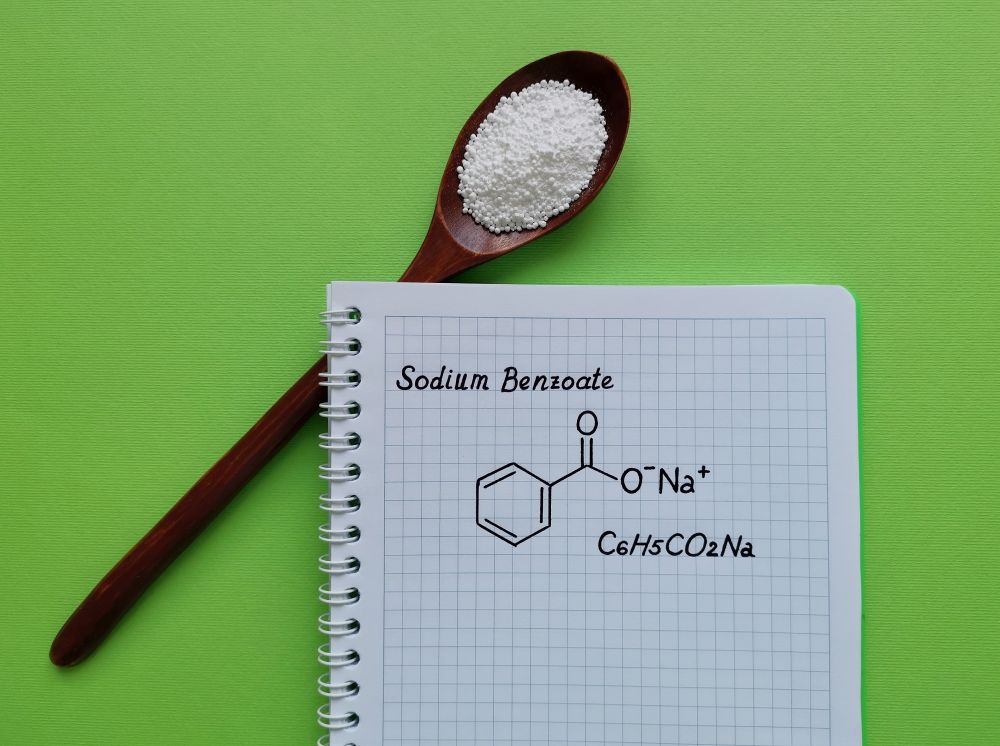
Antimicrobial preservatives help prevent the growth of bacteria, yeast, and mold in packaged foods.
Common antimicrobial preservatives include benzoic acid and sodium benzoate, which are commonly used in acidic foods and beverages such as soft drinks, sauces, and fruit products.
Sorbic acid and potassium sorbate help inhibit mold and yeast growth in foods such as cheese, baked goods, and fruit products.
Sulfites are often utilized to prevent browning and microbial spoilage in foods such as dried fruits and wine. Nitrate and nitrite salts are primarily found in cured and processed meats such as bacon, sausages, and deli meats, where they help prevent the growth of harmful bacteria, including Clostridium botulinum.
Natural vs. synthetic preservatives
The preservatives found in modern foods can be derived from a range of sources. While some are naturally derived ingredients used in traditional food preparation, others are chemically manufactured compounds developed for large-scale food production.
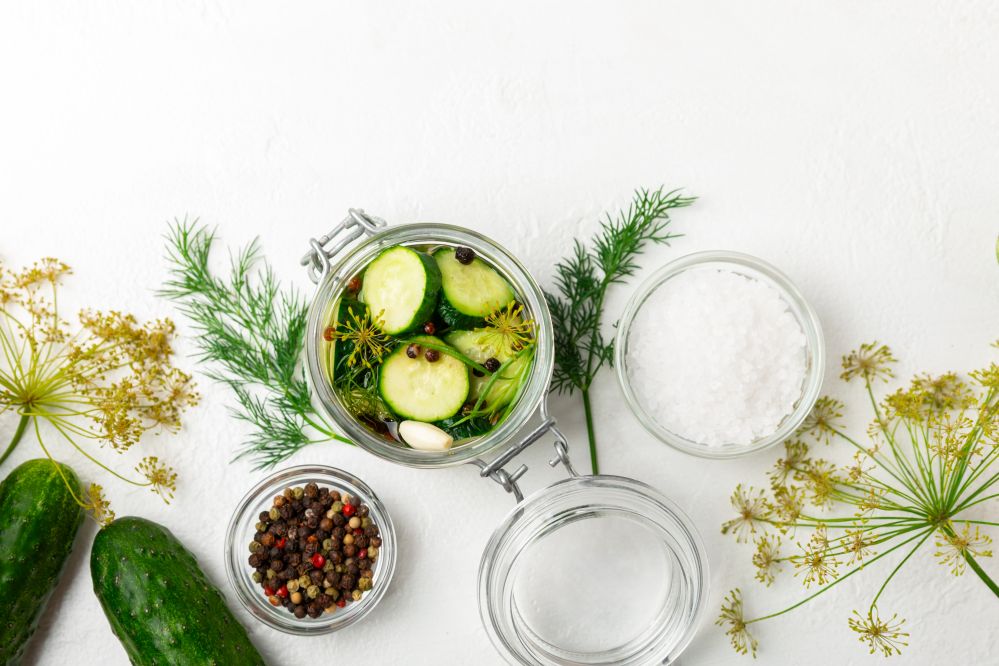
Natural preservatives from food-based or mineral sources are commonly used in traditional food preparation. Ingredients such as salt, vinegar, and fermentation acids help maintain stability in foods that are minimally processed.
Synthetic preservatives are chemically manufactured compounds developed to keep foods stable during large-scale production, transportation, and extended storage. Unlike natural preservatives, these compounds aren’t derived from food sources.
These food additives, also referred to as artificial preservatives, are commonly used in packaged and ultra-processed foods. Examples include sodium benzoate, sorbic acid and potassium sorbate, sulfites, sodium nitrate and sodium nitrite, and antioxidant preservatives such as BHA and BHT.

Natural preservation methods, particularly fermentation, have been used for centuries and may offer health benefits beyond extending shelf life.
Fermentation preserves foods by producing organic acids and beneficial microbes, and fermented products such as sauerkraut, kimchi, yogurt, and kefir can contribute to microbial diversity in the gut.
“Fermented vegetables provide a dual benefit as they supply friendly microbes and the fibers those microbes feed on, which helps maintain a balanced gut environment and supports healthy digestion,” explains Dr. Berg.
Other naturally derived preservatives may also provide biological benefits. Antioxidant compounds such as vitamin E, also known as tocopherols, and various plant polyphenols used to stabilize foods can help protect cellular integrity when consumed as part of a healthy and nutritious diet.
Because synthetic preservatives are most common in ultra-processed foods, overall dietary patterns play an important role in determining exposure.
Approaches such as Healthy Keto® emphasize nutrient-dense whole foods, which naturally reduce consumption of ultra-processed products that often contain synthetic preservatives.

Do preservatives affect health?
The widespread use of synthetic preservatives across the modern food system has raised growing concerns about their potential long-term effects on human health, as some of these compounds may influence biological processes in the body.
Here are three ways synthetic preservatives may affect health.
1. Disrupt digestive health
Certain synthetic preservatives used in processed foods, including sodium benzoate, nitrite, and sorbate, have been shown to alter gut microbiome composition.
A review published in Clinical Nutrition ESPEN reports that these microbiome changes have been associated with inflammation and metabolic disturbances, including impaired glucose regulation, inflammatory bowel disease (IBD), and metabolic syndrome (MetS).
The authors state, “These preservatives were shown to cause a reduction in the beneficial genus Bifidobacterium and enrichment of the phyla Proteobacteria, which has been shown to promote inflammation and is associated with IBD and MetS.”
2. Linked to an increased cancer risk
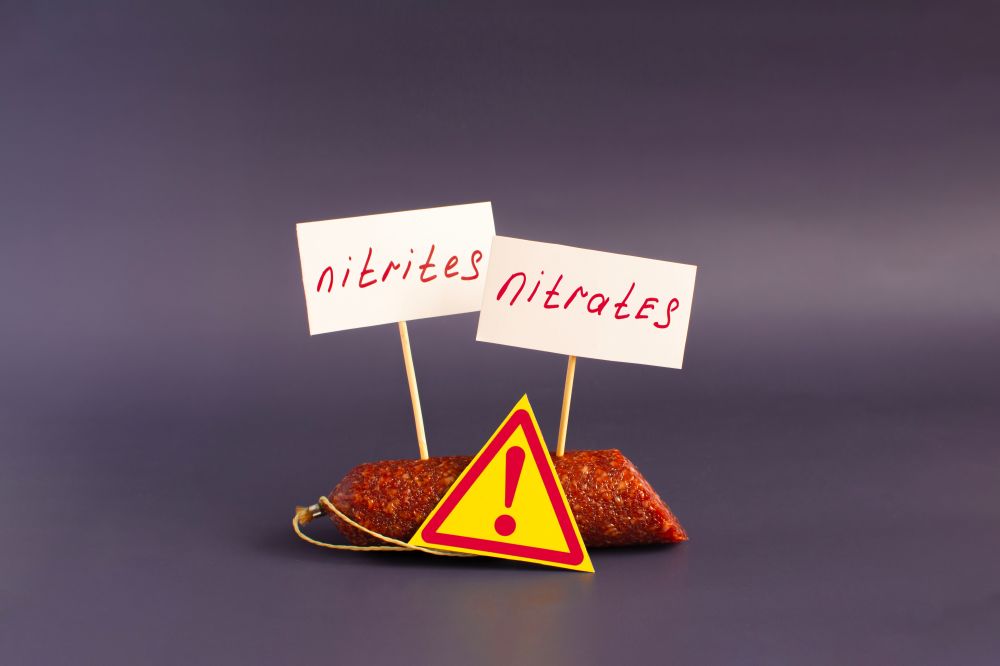
Some preservatives used in processed foods may form potentially harmful compounds under certain conditions. Sodium nitrite, for example, can react with components in meat during high-temperature cooking to form nitrosamines, a group of harmful compounds that have been classified as probable carcinogens.
A review published in Foods reports that excessive nitrite intake has been associated with an increased risk of colorectal cancer in adults.
In addition, research published in Food Science & Nutrition reports that BHA has demonstrated cytotoxic and genotoxic effects in experimental models at high exposure levels.
3. May trigger sensitivities
Certain preservatives may trigger sensitivity reactions or allergies in some individuals.
Research published in the International Journal of Environmental Research and Public Health found that sulphites can trigger symptoms such as hives, flushing, rhinitis, gastrointestinal discomfort, and, in rare cases, bronchospasm and even anaphylaxis.
Key takeaways
- Food preservatives are naturally derived ingredients or synthetic compounds added to foods to slow spoilage, prevent microbial growth, and extend shelf life.
- Synthetic preservatives are most commonly found in ultra-processed foods and have been linked to various health issues, including gut microbiome disruption, inflammation, and metabolic disturbances.
- In contrast, certain natural preservation methods, such as fermentation, can actively support gut health and promote overall wellness.
- Choosing nutrient-dense, minimally processed foods is one of the most effective ways to reduce synthetic preservative intake.
FAQ
- 1. What are the most common food preservatives?
- 2. Are natural preservatives healthier for you than synthetic ones?
- 3. Do all processed foods contain preservatives?
- 4. What is the most unhealthy preservative?
- 5. What are the healthiest preservatives?
Sources
- Besedin D, Shah R, Brennan C, Panzeri E, Hao Van TT, Eri R. Food additives and their implication in inflammatory bowel disease and metabolic syndrome. Clin Nutr ESPEN. 2024;64:483-495. doi:10.1016/j.clnesp.2024.10.171.
- Esazadeh K, Ezzati Nazhad Dolatabadi J, Andishmand H, et al. Cytotoxic and genotoxic effects of tert-butylhydroquinone, butylated hydroxyanisole and propyl gallate as synthetic food antioxidants. Food Sci Nutr. 2024;12(10):7004-7016. doi:10.1002/fsn3.4373.
- Shakil MH, Trisha AT, Rahman M, et al. Nitrites in cured meats, health risk issues, alternatives to nitrites: a review. Foods (Basel). 2022;11(21):3355. doi:10.3390/foods11213355.
- Witkowski M, Grajeta H, Gomułka K. Hypersensitivity reactions to food additives-preservatives, antioxidants, flavor enhancers. Int J Environ Res Public Health. 2022;19(18):11493. doi:10.3390/ijerph191811493.
Related Articles
-
Digestive Enzyme Supplements: Forms and How to Choose
 Nutrition
Digestive Enzyme Supplements: Forms and How to Choose
At a glance Digestive enzymes help facilitate the breakdown of food into nutrients the body can absorb and use for energy and essential bodily functions. Digestive enzyme supplements are available…10/01/2026 -
How Does Sugar Affect Digestion?
 Digestive health
How Does Sugar Affect Digestion?
At a glance Sugar is a carbohydrate that the digestive system breaks down into simple molecules for absorption and energy use. While this is a normal part of metabolism, sugar…09/24/2026 -
Food Intolerance Symptoms and How to Identify Patterns
 Digestive health
Food Intolerance Symptoms and How to Identify Patterns
At a glance Food intolerance symptoms can be difficult to connect to a particular food because they don’t always happen immediately after eating. Reactions may depend on portion size, food…07/30/2026 -
Sugar Alcohols: What They Are and How They Affect Digestion
 Food and Drink
Sugar Alcohols: What They Are and How They Affect Digestion
At a glance Sugar alcohols are low-calorie sweeteners commonly used in sugar-free foods, chewing gum, desserts, and other processed foods. Unlike regular sugar, many sugar alcohols are not fully absorbed…05/21/2026 -
6 Natural Remedies for H. Pylori
 Health concerns
6 Natural Remedies for H. Pylori
At a glance Helicobacter pylori (H. pylori) is a common pathogen that infects the stomach and increases the risk of ulcers and other gastrointestinal symptoms. While conventional treatment relies on…03/19/2026 24.6k views -
How to Kill Parasites: 7 Natural Tips
 Health concerns
How to Kill Parasites: 7 Natural Tips
At a glance Parasitic infections occur when worms or protozoa colonize the body, often through exposure to contaminated pets, food, or water. These organisms can interfere with digestion and other…03/13/2026 15.1k views -
Natural Flavors vs. Artificial Flavors
 Nutrition
Natural Flavors vs. Artificial Flavors
At a glance Both natural and artificial flavors are widely used in everyday food products to enhance their taste and aroma. It’s generally known that artificial flavoring substances are linked…03/12/2026 -
What Causes Pale Colored Stool?
 Health concerns
What Causes Pale Colored Stool?
At a glance Pale-colored stool can be linked to low bile flow, low-fat diets, alcohol use, infections, or underlying liver, gallbladder, or pancreatic issues. Supporting gallbladder function through a nutritious…02/26/2026 14.9k views -
3 Benefits of Oral Probiotics–And How To Use Them
 Digestive health
3 Benefits of Oral Probiotics–And How To Use Them
At a glance Oral probiotics are beneficial microbes that help maintain a balanced environment in the mouth, promoting strong teeth, healthy gums, and fresher breath. Supporting a diverse oral microbiome…02/20/2026 6.3k views -
What Is the Top Cause of Rosacea?
 Health concerns
What Is the Top Cause of Rosacea?
At a glance Rosacea is a chronic skin condition marked by facial redness and discomfort. The cause of rosacea extends beyond the skin, with growing research highlighting the connection between…02/20/2026 8.1k views


