

At a glance
Keeping the right foods on hand makes it easier to stay consistent on a ketogenic diet without relying on highly processed products. A well-stocked keto pantry focuses on whole, nutrient-dense ingredients that provide healthy fats, quality protein, and minimal carbohydrates to support ketosis and overall metabolic health.
A low-carb diet like keto becomes far more manageable when your kitchen is stocked with reliable keto-friendly options you can reach for at any time.
Keto staples are everyday foods that support fat-burning, help control blood sugar, and make it easier to prepare satisfying meals without complex recipes or specialty products.
Discover essential keto staples to keep in your pantry and fridge, and learn which foods are best left off the shopping list.
What makes a food keto-friendly?
A food is considered keto-friendly primarily based on its carbohydrate content and how it fits within daily keto macros.
Foods that are low in net carbohydrates and do not significantly raise blood sugar levels are more likely to support ketosis, which is the metabolic state targeted by a ketogenic diet.
While carbohydrate content is the main determining factor, some approaches, such as Healthy Keto®, also emphasize nutrient-dense, whole foods and higher-quality fat sources.
Understanding how different foods impact carbohydrate intake can help guide more consistent choices and support a structured approach to keto meal planning.
Watch the video below to learn which ingredients best support a keto diet.
Nine keto staples to keep on hand
Building keto meals becomes easier when your pantry and fridge are stocked with reliable, low-carb ingredients.
Here are nine keto staples to seek out when grocery shopping for a well-rounded ketogenic diet.
1. Pasture-raised eggs
Eggs are one of the most adaptable ingredients in a keto diet, delivering a combination of protein and fat that supports satiety and steady energy.
From scrambled eggs to omelets and baked dishes, they fit into a wide range of keto meals. Their short cook time also makes them a practical option when you need something quick and filling.
2. Nuts and seeds
Many nuts and seeds provide healthy fats, fiber, and minerals while keeping carbs relatively low. They work well in salads, smoothies, and low-carb recipes.
Chia seeds absorb liquid and create a gel-like texture that works well in puddings and keto baked goods. Macadamia nuts are especially popular because they contain high amounts of monounsaturated fat and relatively few net carbs.
“Brazil nuts provide selenium, a trace mineral involved in normal thyroid and immune function,” says Dr. Berg. “Adding Brazil nuts into your diet regularly is a beneficial way to support overall well-being.”
Nut butters like almond butter, when made without added sugars or highly processed oils, can also add richness and flavor to many low-carb foods.
3. Apple cider vinegar
Apple cider vinegar is a fermented ingredient that can be used in salad dressings, marinades, or diluted in water before meals. It contains acetic acid, which has been studied for its role in supporting stable blood sugar levels and digestion when consumed with meals.
Research published in Frontiers in Clinical Diabetes and Healthcare suggests that daily consumption of apple cider vinegar may support healthy blood glucose levels and lipid profiles.
4. Almond flour
Almond flour is a low-carb, grain-free alternative to traditional wheat flour and is commonly used in keto baking and cooking.
Because almond flour is made from whole almonds, it retains many of their nutritional properties, including vitamin E, magnesium, and other nutrients that support metabolic function.
Research published in Nutrients found that almonds may have a protective effect against diabetes, obesity, and heart disease.
The authors state that “frequent consumption of almonds has been associated with reduced risk of various diseases, including obesity, hypertension, diabetes mellitus, and metabolic syndrome.”
5. Cheese
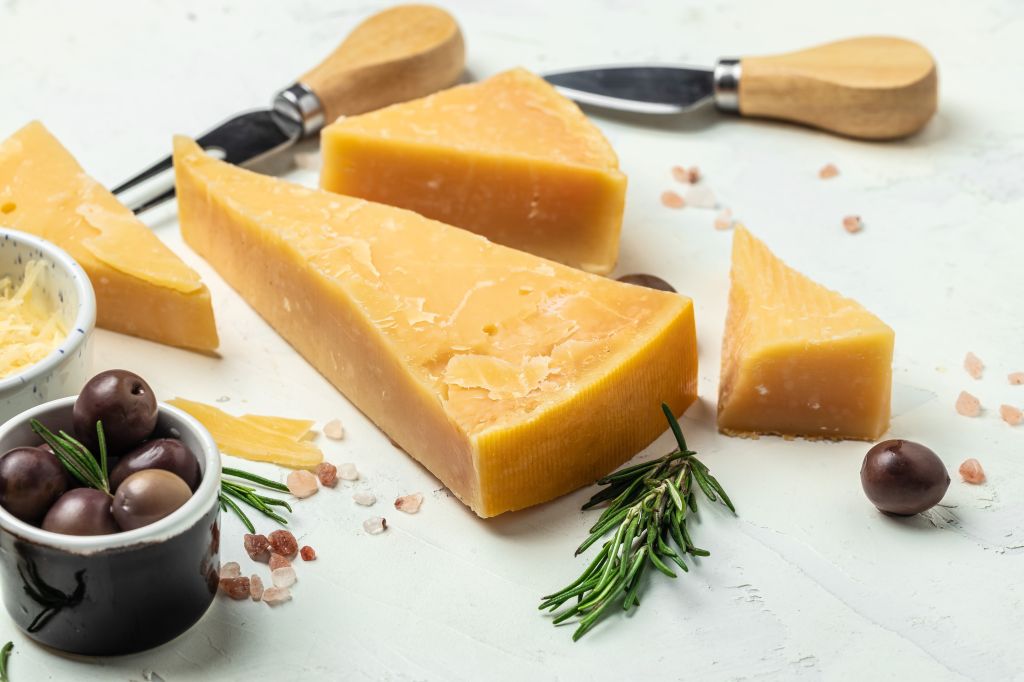
Cheese is a versatile keto staple that provides a combination of fat and protein, making it a common component of many keto meals. It can be melted into eggs, added to cooked dishes, or used to create sauces that help bring ingredients together.
With a huge range of flavors, from milder cheeses like mozzarella to sharper varieties like cheddar cheese, this ingredient helps keep variety in a low-carb diet.
Checking ingredient labels helps with avoiding cheeses that have added starches, fillers, or anti-caking agents that may increase carbohydrate content or indicate a more highly processed product.
6. Greek yogurt
Greek yogurt can be included in meals when eating keto as long as it is a plain, full-fat variety with no added sugars.
Compared to regular yogurt, Greek yogurt is lower in carbohydrates due to the straining process, which removes some of the lactose.
It also contains beneficial bacteria from fermentation, which support digestive function and overall gut health.
7. Canned fish
Shelf-stable foods like sardines, tuna, and canned salmon are carb-free and convenient options to add protein and fat without additional preparation.
Fatty fish such as sardines and salmon are especially valuable on a ketogenic diet, as they provide healthy fats, including omega-3 polyunsaturated fatty acids, such as docosahexaenoic acid (DHA) and eicosapentaenoic acid (EPA), which support cardiovascular and metabolic health.
8. Grass-fed beef
Grass-fed beef is a versatile protein source that can serve as a reliable foundation for keto meals.
Compared to conventional options, grass-fed beef contains higher levels of certain nutrients, including omega-3 fatty acids and fat-soluble vitamins such as vitamin A and vitamin E.
9. Pork rinds
Pork rinds are a zero-carb snack made from fried pork skin and are often used as a crunchy alternative to chips or breadcrumbs in keto meals.
Pork rinds contain oleic acid, a monounsaturated fatty acid that has been associated with various health benefits.
Research published in Nutrients highlights that oleic acid may influence immune function, inflammatory pathways, and vascular health through multiple cellular mechanisms.

Foods to avoid stocking
Foods such as bread, pasta, and grains are widely recognized as high in carbohydrates and are typically avoided on a ketogenic diet.
However, some commonly used pantry items and packaged foods may appear compatible with keto but can still increase carbohydrate intake or affect overall dietary quality.
Here are three types of high-carb foods and ingredients to keep off your keto shopping list.
1. Ultra-processed foods
Highly processed carbohydrates are often used as fillers in packaged foods, including in many products marketed as low-carb or keto-friendly.
Ingredients such as maltodextrin, modified food starch, and dextrins are rapidly absorbed and can raise blood sugar levels.
Artificial sweeteners are also common in ultra-processed food products. Such sweeteners can spike insulin and take the body out of ketosis, derailing common health goals for those on keto, like blood sugar control and weight loss.
2. Sweetened dairy products
Flavored yogurts, sweetened creamers, and other processed dairy products often contain added sugars or starch-based thickeners that can increase carbohydrate intake.
Even seemingly healthy options like almond milk often contain added sugars that can derail ketosis. These ingredients may not be immediately obvious from front-label claims, so it’s important to check nutrition labels carefully.
Choosing plain, full-fat, unsweetened dairy options can help you avoid hidden carbs. Keto-friendly dairy options include aged block cheeses, cottage cheese, cream cheese, and heavy cream.
3. Refined seed oils
Highly refined seed oils such as soybean, canola, corn, and sunflower oil are commonly found in packaged snacks, dressings, and restaurant foods.
These oils are typically extracted and processed using high heat and chemical methods, which can alter their composition and reduce overall quality.
Better alternatives include extra virgin olive oil, avocado oil, coconut oil, ghee, and butter.
How to build simple keto meals from staples
Creating keto meals becomes more practical when meals are built directly from the staple ingredients already in your kitchen.
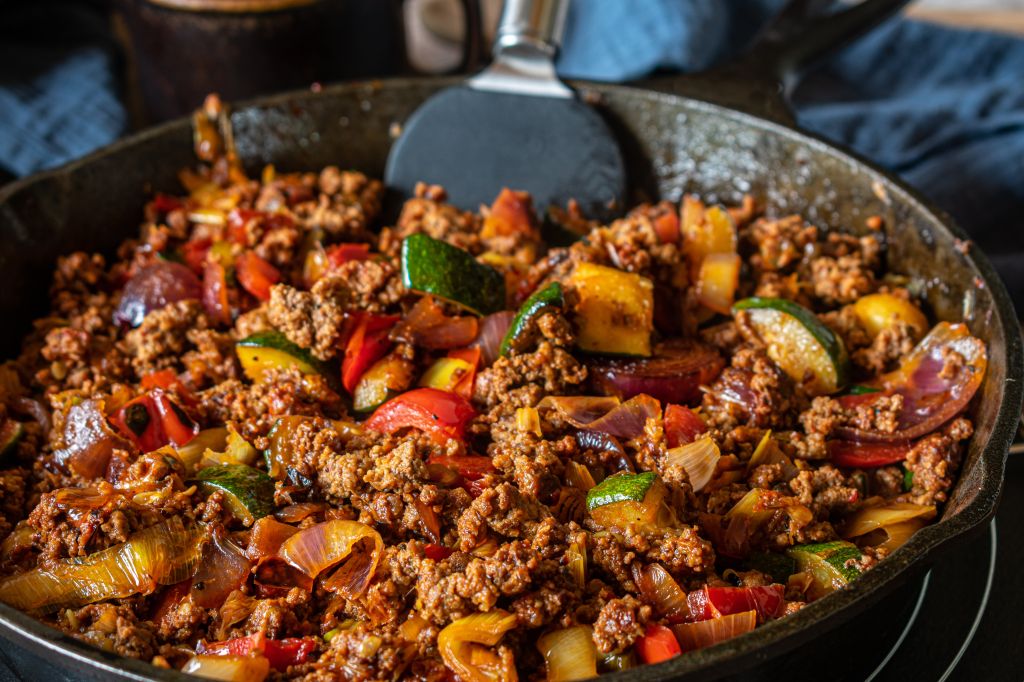
A simple formula is to combine a protein, a source of fat, and low-carb vegetables. Proteins such as eggs, canned fish, chicken, or ground beef can be paired with fats like olive oil, cheese, avocado, or ghee, along with vegetables to round out the meal.
Keeping these components prepared or readily available can make it easier to assemble meals quickly without additional planning.
Other staples can be used to recreate familiar textures and replace higher-carbohydrate ingredients. Almond flour can be used for low-carb baking or as a coating for proteins, while pork rinds offer a crisp texture as a topping or breading alternative.
Rotating these combinations allows the same ingredients to be used in different ways, helping reduce decision fatigue while maintaining consistency with a ketogenic approach.
Key takeaways
- Keto staples are low-carbohydrate foods that support ketosis and make it easier to prepare meals without relying on processed products.
- Keeping a consistent set of staple ingredients on hand helps simplify meal planning and supports adherence to a ketogenic diet.
- Common keto staples include eggs, avocados, nuts, seeds, apple cider vinegar, almond flour, cheese, Greek yogurt, canned fish, grass-fed beef, and pork rinds.
- Building meals using a simple formula of protein, fat, and low-carbohydrate vegetables allows for flexibility while staying within keto macros.
FAQ
- 1. What are the most important keto staples to keep on hand?
- 2. Do you need specialty keto products?
- 3. Can you stay on keto with a small grocery budget?
- 4. Are canned and frozen foods okay on keto?
- 5. What condiments are safe to keep in a keto pantry?


