

At a glance
Nightshade vegetables are packed with nutrients, and most are low in carbs, making them a great fit for many Healthy Keto meals. However, they may trigger discomfort in individuals with autoimmune or gut-related sensitivities. Whether to include or limit nightshades ultimately depends on your personal tolerance.
Many nightshade vegetables, such as bell peppers, tomatoes, and eggplants, are highly nutritious and offer potential health benefits.
However, nightshade plants also contain alkaloids, which may trigger inflammation and digestive issues, especially in sensitive individuals with autoimmune diseases and irritable bowel syndrome (IBS).
Learn about the benefits and potential downsides of nightshade vegetables and discover whether including or excluding them from your diet may be beneficial.
What are nightshade vegetables?
Nightshade vegetables belong to the Solanaceae family, a diverse group of plants that includes some of the most commonly consumed fruits and vegetables.
The majority of plants belonging to the nightshade family are considered highly nutritious, as they offer a broad range of vitamins, minerals, antioxidants, and fiber.
Nightshades also contain alkaloids, a group of compounds that can be problematic for some individuals, especially those with sensitivities or inflammatory conditions.
Certain types of nightshade plants are sources of highly toxic tropane alkaloids, which can cause confusion and hallucinations and even lead to respiratory failure or death in severe cases.
However, tropane alkaloids are primarily found in non-edible members of the nightshade family, such as banewort, deadly nightshade and jimsonweed, rather than culinary vegetables.
Types of nightshade vegetables
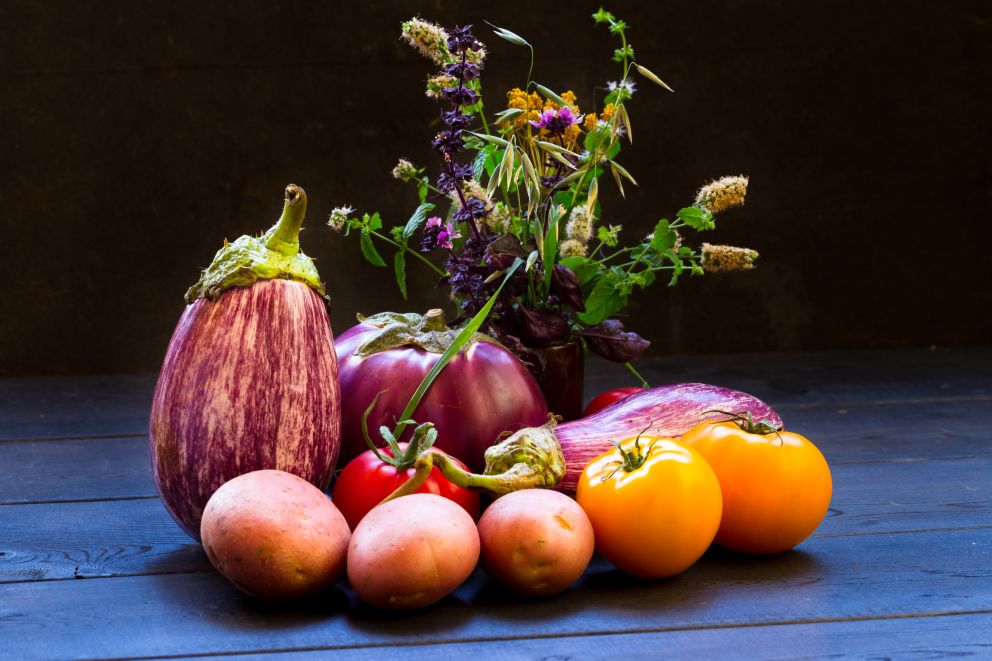
The nightshade family includes a variety of widely consumed vegetables that are both flavorful and nutritious.
Fruits and vegetables belonging to the nightshade plant family include:
- Bell peppers
- Paprika
- Tomatoes
- Eggplants
- Potatoes
- Chili peppers
- Tomatillos
- Okra
- Pepino melons
Sprouted and green potatoes contain particularly high concentrations of solanine, a potent alkaloid that can be toxic if consumed in large amounts. To avoid solanine exposure, it’s best to discard green or sprouted potatoes as well as those with a bitter taste.
Watch the video to learn if you can eat nightshade vegetables if you have arthritis.
Benefits of nightshade vegetables
Because of their impressive nutritional profile, nightshade vegetables have been linked to many health benefits and are known to support digestive health, cardiovascular functions, and immune defenses.
Here are some of the essential nutrients found in nightshade vegetables.
Vitamin C
Nightshade fruits and vegetables such as tomatoes, bell peppers, chili peppers, and Pepino melons are excellent sources of vitamin C.
“Vitamin C is a powerful antioxidant that helps protect cells from the harmful effects of oxidative damage,” explains Dr. Berg. “This water-soluble vitamin also promotes healthy skin and immune functions, aids in the absorption of iron, and contributes to the production of collagen for wound healing and tissue repair.”
Beta-carotene
Bell peppers, eggplants, and tomatoes are rich sources of beta-carotenes, a group of carotenoid pigments responsible for the vibrant orange, yellow, purple, and red colors of these vegetables.
Beta-carotenes are potent antioxidants that have been found to neutralize free radicals. These highly reactive metabolic by-products can cause damage to cells and cellular organelles, including the mitochondria and DNA.
Research published in Advances of Nutrition summarizes the health benefits of beta-carotenes as follows, “Their dietary intake and circulating levels have been associated with a reduced incidence of obesity, diabetes, certain types of cancer, and even lower total mortality.”
Lycopene
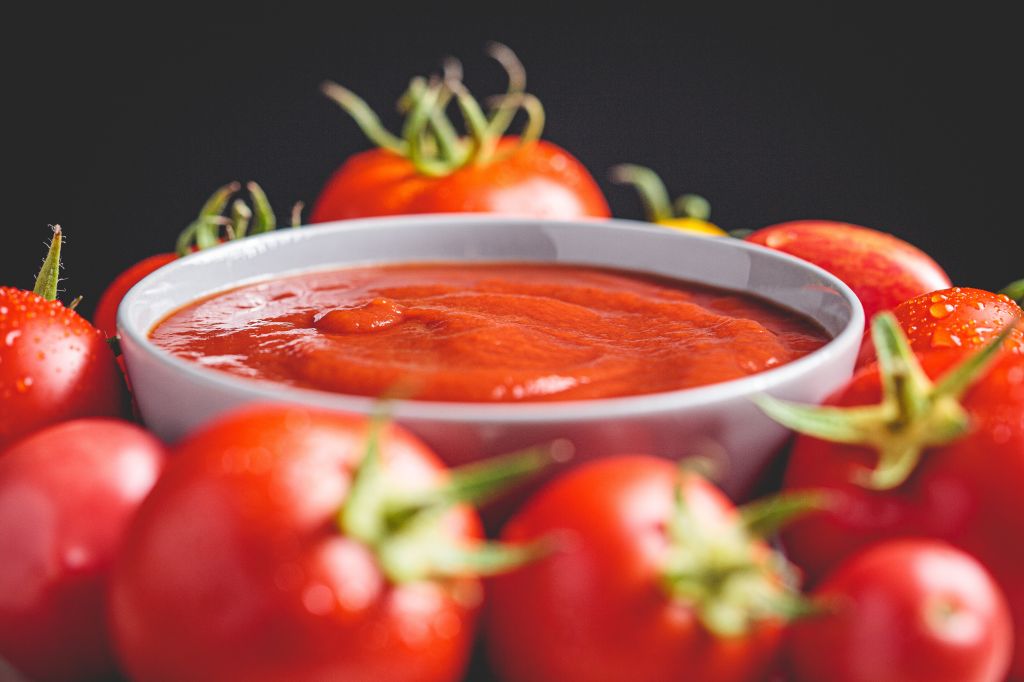
Tomatoes, especially when cooked, provide incredibly high concentrations of lycopene, an antioxidant compound that may help reduce the risk of prostate cancer.
According to a study published in Nutrients, lycopene improved the treatment outcomes of advanced prostate cancer, reduced prostate cancer-specific mortality, and delayed the progression of recurrent prostate cancer.
It’s believed that lycopene influences the cell cycle and helps regulate the growth of prostate cells, which may reduce the development of abnormal cells linked to prostate enlargement and prostate cancer.
Fiber
Nightshade vegetables offer plenty of dietary fiber, which plays a crucial role in promoting digestive health by serving as a fuel source for beneficial gut bacteria.
Maintaining a diverse gut microbiome is essential for overall health, as it supports immune function, enhances nutrient absorption, and helps regulate inflammation.
Dietary fiber intake also increases satiety and promotes feelings of fullness, thereby reducing overall calorie intake and helping with weight management.

Downsides of nightshade vegetables
There is a widespread belief that nightshade vegetables can worsen arthritis symptoms. This is believed to be due to the inflammatory nature of alkaloids, which may exacerbate joint pain and swelling.
However, scientific evidence appears inconclusive. According to a report published by the Arthritis Foundation (AF), no robust link exists between nightshade intake and a worsening of joint swelling or pain.
In contrast, evidence published in Trials reports an association between alkaloid intake and an increased risk of chronic diseases related to inflammation, including arthritis and osteoarthritis.
This potentially points to a more individual response to nightshade plants, with some people experiencing worsening symptoms due to food allergies to certain vegetables rather than sensitivities to alkaloids.
Furthermore, many nightshade vegetables, such as tomatoes, potatoes, eggplants, and peppers, contain lectins. These hard-to-digest proteins can irritate the gut, trigger immune responses, and contribute to inflammation.
Individuals with autoimmune diseases such as inflammatory bowel disease (IBD), celiac disease, and rheumatoid arthritis appear especially sensitive to dietary lectins. This may explain why they often report symptom improvement after eliminating lectin-rich foods, including nightshade vegetables, from their diet.
If you suspect a nightshade allergy is contributing to your symptoms, an elimination diet can be an effective way to determine if these vegetables are a trigger.
To follow an elimination diet, it’s recommended to avoid all nightshade vegetables for several weeks, then gradually reintroduce them one at a time while monitoring for any adverse symptoms.

Are nightshade vegetables keto-friendly?
While many nightshade vegetables are keto-friendly due to their low carbohydrate content, others aren’t suitable for a low-carb diet.
Vegetables such as bell peppers, tomatoes, eggplants, and chilies are low in net carbs and highly nutritious, making them ideal choices for those following a Healthy Keto® diet.
However, some nightshades, such as potatoes, are high in starch and carbohydrates, which can quickly interfere with ketosis and should, therefore, be avoided on a ketogenic diet.
When incorporating nightshade vegetables into a keto diet, it’s important to choose low-carb options to stay within your daily carbohydrate limit and maintain fat-burning and ketosis.
Keto recipes with nightshade vegetables
Unless you have a nightshade allergy or sensitivity to lectins, there’s no reason to exclude these vegetables from your diet.
In fact, nightshades are highly nutritious and can contribute to overall health by providing essential vitamins, minerals, antioxidants, and fiber that support a strong immune system, healthy digestion, and overall well-being.
Here are keto-friendly recipes featuring low-carb nightshade vegetables:
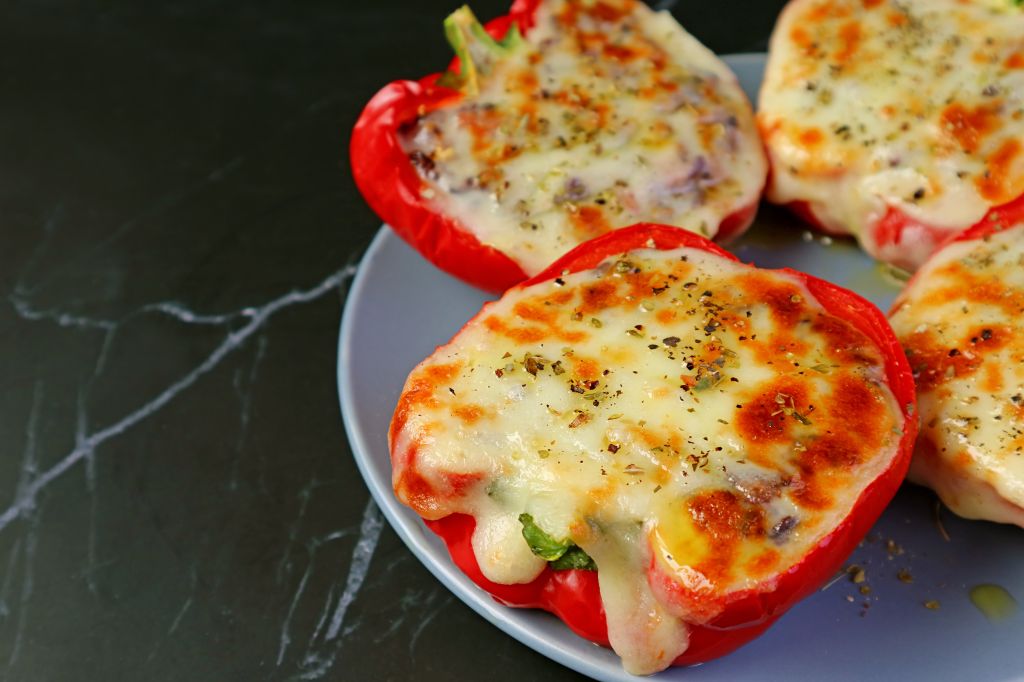
- Italian Keto Stuffed Bell Peppers: Savor the rich flavors of stuffed bell peppers, a hearty, low-carb comfort food packed with seasoned meat, cheese, and fresh tomatoes.
- Keto Roasted Eggplant: This deliciously smoky roasted eggplant recipe transforms into an irresistible keto-friendly side dish that complements any meal.
- Zucchini and Eggplant Bake: Enjoy layers of zucchini and eggplant baked in a cheesy, herb-infused keto casserole.
- Keto Baba Ghanoush: Relish the creamy, smoky goodness of keto-friendly baba ghanoush, perfect for dipping crisp veggies or spreading on low-carb wraps and sandwiches.
- Sun-Dried Tomato Pesto Dip Recipe: This keto-approved dip, featuring sun-dried tomato pesto, organic cream cheese, and sharp cheddar, will captivate your taste buds with every creamy, tangy bite.
- Keto Caprese Chicken: Delight in juicy chicken topped with melted mozzarella, fresh basil, and tomatoes for an irresistible keto meal.
- Fried Halloumi Salad: Crispy golden halloumi paired with roasted vegetables and fresh microgreens make this keto salad a satisfying and nutritious treat.
Key takeaways
- Nightshade vegetables such as tomatoes, peppers, chillies, and eggplants are highly nutritious and provide vitamins, antioxidants, and fiber.
- Alkaloids and lectins found in nightshades can trigger gut irritation or inflammatory responses in sensitive individuals, particularly those with autoimmune or gastrointestinal conditions.
- Most nightshades are low in carbs and work well in Healthy Keto meals, but starchy nightshades, including potatoes, aren’t keto-friendly.
- Nightshade vegetables are well-tolerated by most people, but for those who suspect a nightshade sensitivity, an elimination diet can help identify potential triggers.
FAQ
- 1. Who should avoid nightshade vegetables?
- 2. Should I avoid nightshades if I have arthritis?
- 3. What vegetables are nightshades?
- 4. Are nightshades inflammatory?
- 5. Is a sweet potato a nightshade?
Sources
- https://www.sciencedirect.com/science/article/pii/S2161831322013084
- https://pmc.ncbi.nlm.nih.gov/articles/PMC9741066/
- 10 Arthritis Food Myths. arthritis.org. Accessed 2026. https://www.arthritis.org/health-wellness/healthy-living/nutrition/anti-inflammatory/10-arthritis-food-myths
- Golmohammadi A, Hosseinikia M, Sadeghi MK, Golampur D, Hosseinzadeh Z, Panahande SB. The evaluation of nightshade elimination diet (NED) on inflammatory and rheumatologic markers of rheumatoid arthritis patients: study protocol for a randomized controlled trial. Trials. 2024;25(1):531. https://pmc.ncbi.nlm.nih.gov/articles/PMC11316282/
Related Articles
-
10 Delicious Keto Cauliflower Recipes
 Food and Drink
10 Delicious Keto Cauliflower Recipes
At a glance Cauliflower is a versatile cruciferous vegetable commonly used in keto cooking because it can serve as a delicious substitute for higher-carb ingredients in many popular dishes. From…09/18/2026 -
Simple Ways to Eat More Nutrient-Dense Foods
 Superfoods
Simple Ways to Eat More Nutrient-Dense Foods
At a glance Choosing nutrient-dense foods can help improve the quality of your meals while reducing reliance on ultra-processed products. Whole foods such as seafood, leafy greens, berries, and grass-fed…08/20/2026 -
Grass-Fed vs. Grain-Fed: What’s the Difference?
 Food and Drink
Grass-Fed vs. Grain-Fed: What’s the Difference?
At a glance Grass-fed and grain-fed beef differ in how cattle are raised and fed throughout their lives. These feeding practices can influence the nutritional characteristics, flavor, texture, and overall…07/30/2026 -
Wild-Caught vs. Farm-Raised Fish: What’s the Difference?
 Nutrition
Wild-Caught vs. Farm-Raised Fish: What’s the Difference?
At a glance Wild-caught and farm-raised fish differ in nutrient quality, sourcing methods, and overall eating experience. Wild-caught fish come from natural environments and support a more balanced fatty acid…07/09/2026 -
Eating Out on Keto: Simple Ordering Strategies
 Food and Drink
Eating Out on Keto: Simple Ordering Strategies
At a glance Restaurant meals are often centered around carbohydrate-rich foods, which can make low-carb dining more difficult. Hidden carbohydrates are also common in sauces, dressings, and other prepared ingredients.…06/25/2026 -
9 Keto Staples for Your Pantry and Fridge
 Nutrition
9 Keto Staples for Your Pantry and Fridge
At a glance Keeping the right foods on hand makes it easier to stay consistent on a ketogenic diet without relying on highly processed products. A well-stocked keto pantry focuses…06/19/2026 -
How to Spot Hidden Carbs
 Keto
KetoHow to Spot Hidden Carbs
At a glance Hidden carbs are found in many everyday foods that may not appear high in carbohydrates, including sauces, processed meats, dairy products, and salad dressings. These overlooked sources…06/05/2026 -
Keto-Friendly Sauces and Condiments
 Nutrition
Keto-Friendly Sauces and Condiments
At a glance Keto-friendly sauces and condiments can help support ketosis by keeping overall carbohydrate intake within the limit of 20 to 50 grams per day. Choosing options made with…06/01/2026 -
8 Unique Benefits of Turmeric Tea
 Nutrition
8 Unique Benefits of Turmeric Tea
At a glance Turmeric tea contains curcumin, a bioactive compound that offers anti-inflammatory and antioxidant effects that may support brain and heart health, improve digestion, help regulate weight, and strengthen…05/15/2026 4.4k views -
Keto on a Budget: Tips and Foods to Eat
 Diet
DietKeto on a Budget: Tips and Foods to Eat
At a glance A ketogenic diet can be maintained using simple, affordable whole foods rather than expensive specialty products. Prioritizing versatile ingredients and planning meals strategically can help reduce grocery…04/24/2026


