

At a glance
Ginger is a nutrient-dense spice rich in potent phenolic compounds that support inflammation control, digestive comfort, and immune resilience. Incorporating ginger into your meals can also ease nausea, promote healthy blood sugar levels, and help manage pain.
Ginger is an incredibly rich source of phenols and flavanols, a group of health-promoting compounds with impressive anti-inflammatory, antibacterial, and pain-relieving properties.
Discover five amazing benefits of ginger and learn how to incorporate this aromatic spice into your daily routine.
What is ginger?
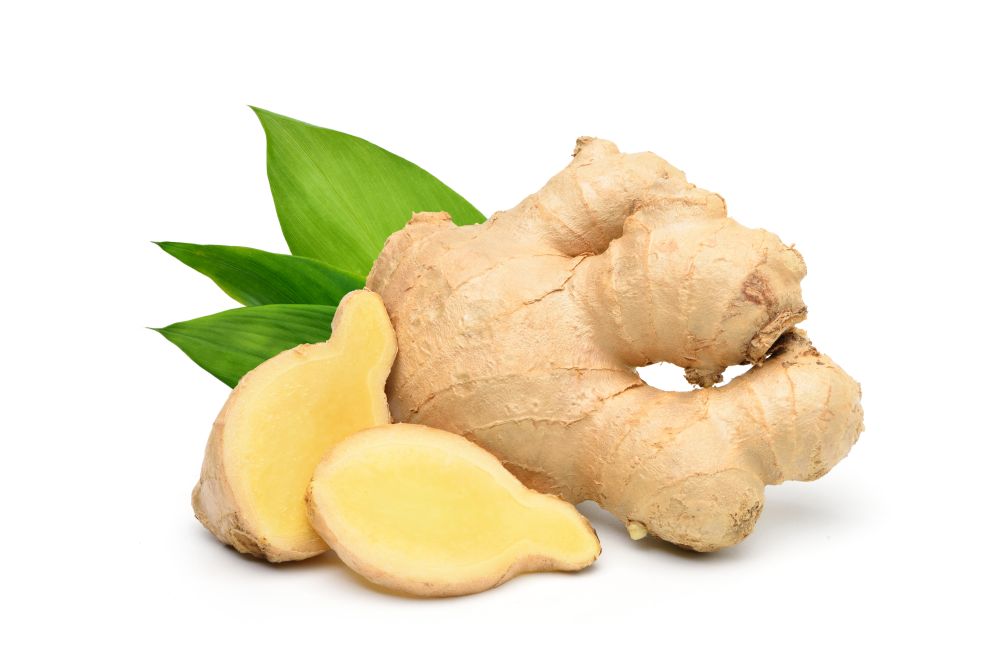
Ginger is a flowering plant belonging to the Zingiberaceae family, closely related to turmeric and cardamom plants. It’s primarily grown for its underground stems, also known as rhizomes, which are widely used as a spice and valued for their impressive health benefits.
This aromatic herb has a distinct spicy and intense flavor, which is largely attributed to ginger’s high levels of unique phenolic compounds such as gingerols, shogaols, and zingerone.
These phenols are also linked to ginger’s numerous medicinal properties due to their potent anti-inflammatory, analgesic, and antimicrobial effects.
“For thousands of years, traditional medicine has utilized ginger extracts to alleviate nausea, boost immune function, and promote healthy blood circulation,” explains Dr. Berg.
In modern times, ginger remains a popular natural remedy, especially for managing pregnancy-related nausea and morning sickness, alleviating rheumatoid arthritis symptoms, and supporting digestive functions.
Watch the video below to learn about four incredible health benefits of ginger.
Nutrition facts
According to data released by the U.S. Department of Agriculture (USDA), one teaspoon (2 grams) of fresh ginger root contains:
- 1.6 calories
- 0.1 g protein
- 0.1 g fat
- 0.4 g total carbohydrates
- 0.1 g fiber
- 0.3 g net carbs
Ginger also offers several essential vitamins, minerals, and bioactive compounds, including:
- Vitamin C
- Vitamin B3
- Vitamin B6
- Potassium
- Magnesium
- Manganese
- Gingerols
- Shogaols
- Zingerone
- Zingiberene
- Beta-bisabolene

Is ginger keto-friendly?
Yes, ginger is keto-friendly as it’s a low-calorie, low-carb aromatic spice packed with health-promoting nutrients.
With just 0.3 grams of net carbs per teaspoon, ginger deserves its place on the keto-approved food list, and its impressive nutritional profile makes it perfect for those following a Healthy Keto® diet.
Its bold, spicy flavor can elevate the taste of many keto recipes, from soups and stir-fries to teas, ginger shots, desserts, and smoothies.
Because ginger has potential metabolic health benefits and helps promote steady blood sugar levels, it’s a valuable addition for those aiming to optimize their health while maintaining a low-carb lifestyle.

5 benefits of ginger
Ginger boasts a distinct nutritional profile, including flavonoids and phenols, which are linked to impressive health benefits.
These bioactive substances are believed to impact various critical physiological processes and have been shown to be effective in balancing inflammation, enhancing immune function, and improving digestion.
Here are five reasons you should incorporate ginger into your routine.
1. Potent antimicrobial properties
Regularly consuming ginger may reduce your risk of microbial infections.
Ginger-derived phenolic compounds such as gingerols have been found to disrupt the membranes of bacteria and fungi, which compromises their structural integrity and can trigger microbial cell death.
A study published in Infections and Drug Resistance found that ginger has shown potential antimicrobial activity against various bacterial strains associated with common infectious diseases, including Staphylococcus, Escherichia coli, and Salmonella.
The authors concluded, “This study emphasizes that Zingiber officinale against Gram-positive bacteria is an effective antimicrobial herb.”
Combining fresh or powdered ginger with other antimicrobial spices, apple cider vinegar, and olive oil creates a potent natural antibiotic drink that can help protect against various infections.
2. Helps alleviate digestive issues
Dietary ginger intake has been shown to effectively relieve nausea and vomiting, making it a popular natural remedy for managing motion sickness and digestive issues related to pregnancy.
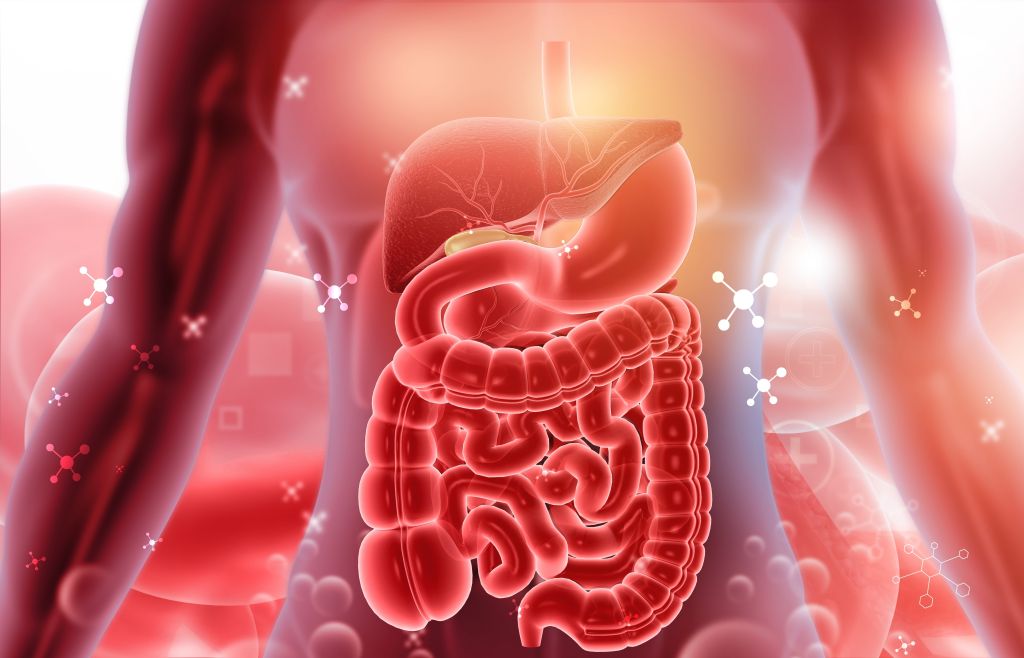
In addition, compounds such as gingerols and shogaols have been found to stimulate the production of digestive enzymes and bile. This promotes better gut health and helps reduce gastrointestinal discomfort, such as bloating, gas, and indigestion.
Evidence published in Modern Chinese Medicine found that the consumption of ginger showed therapeutic benefits in the management of inflammatory bowel disease (IBD), Crohn’s disease, and irritable bowel syndrome (IBS).
The researchers suggest that gingerol’s anti-inflammatory properties may help protect the intestinal lining, which may explain ginger’s effectiveness in supporting digestive comfort.
Ginger intake may also support the gut microbiome, thereby contributing to improved digestive health, strong immune defenses, and mental wellness.
3. Supports cardiometabolic health
Ginger supports cardiometabolic functions and may be especially beneficial for individuals with poor metabolic health, as well as those with elevated blood pressure.
The high concentrations of phenols in ginger may help improve circulation and lower blood pressure by promoting blood vessel relaxation.
Ginger has also been shown to have the potential to improve blood sugar regulation by enhancing insulin sensitivity. This is a crucial aspect for reducing the risk of metabolic disorders, such as obesity, diabetes, and insulin resistance.

4. Promotes balanced inflammatory regulation
Research published in Gene suggests that ginger may support the body’s ability to balance and regulate inflammation.
The study found that ginger can alter the expression of genes associated with key inflammatory pathways, thereby helping the body manage inflammation and maintain a more balanced immune response.
This highlights ginger’s potential to support long-term musculoskeletal comfort, skin integrity, gut functions, and cardiovascular wellness.
5. May improve menstrual pain
Due to its anti-inflammatory and potentially pain-relieving properties, consuming ginger may help alleviate menstrual discomfort.
According to a study published in the Journal of Health and Allied Sciences, women who regularly consumed ginger tea experienced less menstrual pain and reported fewer cramps.

The best ways to use ginger
There are several excellent ways to incorporate ginger into your daily routine.
Fresh ginger root adds a warm, zesty flavor to both sweet and savory foods, making it perfect for soups, stir-fries, marinades, and even desserts such as these Keto Speckled Gingerbread Fat Bombs.
Ginger powder, readily available in the spice aisle, is a versatile option for adding a bold, spicy kick to your dishes. Whether used for seasoning savory meals or baking sweet treats, dried ginger delivers the same robust flavor as fresh ginger with the added ease of storage and use.
You can also enjoy the soothing benefits of ginger tea by steeping fresh ginger slices or ginger tea bags in hot water. This aromatic tea is particularly effective for relieving nausea, soothing an upset stomach, and aiding digestion.
Ginger essential oil can be used in aromatherapy or as a topical application to relieve muscle discomfort and promote relaxation. However, it’s crucial to dilute ginger essential oil with a carrier medium such as olive or coconut oil to prevent skin irritation.

Who should avoid ginger?
Although ginger consumption in moderation is generally considered safe and well-tolerated, those with allergies to members of the Zingiberaceae family, such as turmeric or cardamom, should avoid ginger.
Despite ginger’s digestive-enhancing properties, it may worsen symptoms of acid reflux and heartburn in sensitive individuals, especially if consumed in excess.
While ginger is an effective home remedy for pregnancy-related nausea, it’s recommended that pregnant women avoid consuming large amounts of fresh ginger.
High levels of ginger consumption may lead to complications, such as an increased risk of bleeding, particularly during labor, as ginger has natural blood-thinning properties.
Because of its blood-thinning properties, ginger should also be used cautiously by individuals with bleeding disorders and those taking anticoagulant medication.
To minimize the risk of potential adverse effects, it’s recommended that pregnant women, people with underlying health conditions, and those who are taking medications discuss the use of ginger with a healthcare professional.
Key takeaways
- Ginger is an exceptionally rich source of bioactive compounds with potential anti-inflammatory, antimicrobial, and analgesic effects.
- Regular consumption of ginger can support digestion, ease nausea, and may help protect the gut lining.
- Ginger also promotes cardiometabolic health by supporting circulation and maintaining stable blood sugar levels, and may help alleviate menstrual discomfort.
- While most people tolerate ginger well, large amounts may not be suitable for pregnant women or individuals with blood-clotting disorders.
FAQ
- 1. What are the top benefits of ginger?
- 2. Can I have ginger on keto?
- 3. Will ginger break a fast?
- 4. What happens if you eat ginger every day?
- 5. How can I use ginger?
- 6. Who shouldn’t consume ginger?
Sources
- Food Search | USDA FoodData Central. fdc.nal.usda.gov. Accessed 2026. https://fdc.nal.usda.gov/food-search/?query=169231
- Ahmed N, Karobari MI, Yousaf A, et al. The Antimicrobial Efficacy Against Selective Oral Microbes, Antioxidant Activity and Preliminary Phytochemical Screening of Zingiber officinale. Infect Drug Resist. 2022;15:2773-2785. https://pmc.ncbi.nlm.nih.gov/articles/PMC9166953/
- https://www.sciencedirect.com/science/article/pii/S266714252400099X#
- Aryaeian N, Shahram F, Mahmoudi M, et al. The effect of ginger supplementation on some immunity and inflammation intermediate genes expression in patients with active Rheumatoid Arthritis. Gene. 2019;698:179-185. https://pubmed.ncbi.nlm.nih.gov/30844477/
- Ginger Tea on Dysmenorrhoea Among Nursing Students. thieme-connect.com. Accessed 2026. https://www.thieme-connect.com/products/ejournals/html/10.1055/s-0039-1700705
Related Articles
-
Folic Acid vs. Folate: What’s the Difference?
 Nutrition
Folic Acid vs. Folate: What’s the Difference?
At a glance Folic acid and folate are two forms of vitamin B9 that differ in how the body absorbs and uses them. Folic acid is a synthetic form added…03/12/2026 2.3k views -
3 Incredible Health Benefits of Paprika
 Natural remedies
3 Incredible Health Benefits of Paprika
At a glance Paprika is a vibrant red spice derived from dried peppers that supports eye health, strengthens the immune system, and helps lower inflammation. In addition to its impressive…01/30/2026 9.5k views -
5 Amazing Lemon Peel Benefits
 Natural remedies
5 Amazing Lemon Peel Benefits
At a glance Lemon peel is a concentrated source of vitamins, minerals, and bioflavonoids that support liver, metabolic, and cardiovascular health. Because it's rich in compounds such as eriocitrin and…01/29/2026 54.9k views -
7 Incredible Dandelion Root Benefits
 Natural remedies
7 Incredible Dandelion Root Benefits
At a glance Despite being a weed, the roots of dandelions are a nutrient-rich herbal remedy with a long history of use in traditional medicine. Packed with vitamins, minerals, and…01/22/2026 28.5k views -
3 Unique Benefits of Rosemary
 Nutrition
3 Unique Benefits of Rosemary
At a glance Rosemary is a fragrant, nutrient-rich herb with potent antioxidant and anti-inflammatory compounds such as rosmarinic acid and carnosic acid. It supports cognitive function, helps relieve pain, and…01/22/2026 4.5k views -
4 Unique Health Benefits of Mustard
 Food and Drink
4 Unique Health Benefits of Mustard
At a glance Mustard is a low-calorie condiment made from nutrient-dense seeds that contain health-promoting compounds. As a member of the cruciferous vegetable family, mustard is a rich source of…01/15/2026 7.8k views -
9 Incredible Health Benefits of Cucumber
 Food and Drink
9 Incredible Health Benefits of Cucumber
At a glance Cucumbers are low-calorie, nutrient-rich vegetables that support hydration and overall health. Packed with vitamins, minerals, antioxidants, and fiber, they promote digestive health, healthy blood sugar, and glowing…01/15/2026 8.9k views -
Does Chocolate Have Caffeine?
 Food and Drink
Does Chocolate Have Caffeine?
At a glance Chocolate has varying amounts of caffeine, depending on how many cocoa solids it contains. Dark chocolate has the highest caffeine content, while milk chocolate contains much less,…01/08/2026 4.5k views -
Cilantro Benefits – 8 Reasons to Eat More Cilantro
 Health concerns
Cilantro Benefits – 8 Reasons to Eat More Cilantro
At a glance Cilantro is an aromatic herb rich in antioxidants, vitamins, and bioactive compounds that have been found to support multiple aspects of health. Regularly consuming cilantro may help…01/08/2026 5.6k views -
Wormwood Benefits, Uses, and Side Effects
 Natural remedies
Wormwood Benefits, Uses, and Side Effects
At a glance Wormwood is a bitter medicinal herb traditionally used to support digestion, gallbladder function, and skin healing through its bioactive plant compounds. It also plays a role in…12/11/2025 6.3k views


