

At a glance
Wormwood is a bitter medicinal herb traditionally used to support digestion, gallbladder function, and skin healing through its bioactive plant compounds. It also plays a role in promoting gut balance and easing physical discomfort. While widely used in teas, oils, and extracts, wormwood has strong effects on the nervous system, which makes careful use and awareness of precautions important.
Wormwood is a bitter herb with high concentrations of phenolic compounds that possess anti-inflammatory, antiparasitic, and analgesic properties.
Although wormwood has been used safely in traditional medicine for centuries, its potent effects on the central nervous system may cause adverse reactions in some individuals and should be used with caution.
Discover five wormwood benefits and learn who should avoid this medical plant to minimize the risk of side effects.
What is wormwood?
Wormwood, scientifically known as Artemisia absinthium L. or Artemisia annua, has been used for centuries to promote digestion, reduce skeletal and muscular discomfort, and encourage wound healing.
The medicinal plant has a bitter taste, and its bioactive compounds, including flavonoids, phenols, and essential oils, are believed to contribute to its antiparasitic effects and analgesic activity.
Its antiparasitic properties also earned wormwood its name, as it has long been used in folk medicine to address parasitic infections, including pinworms and tapeworms.
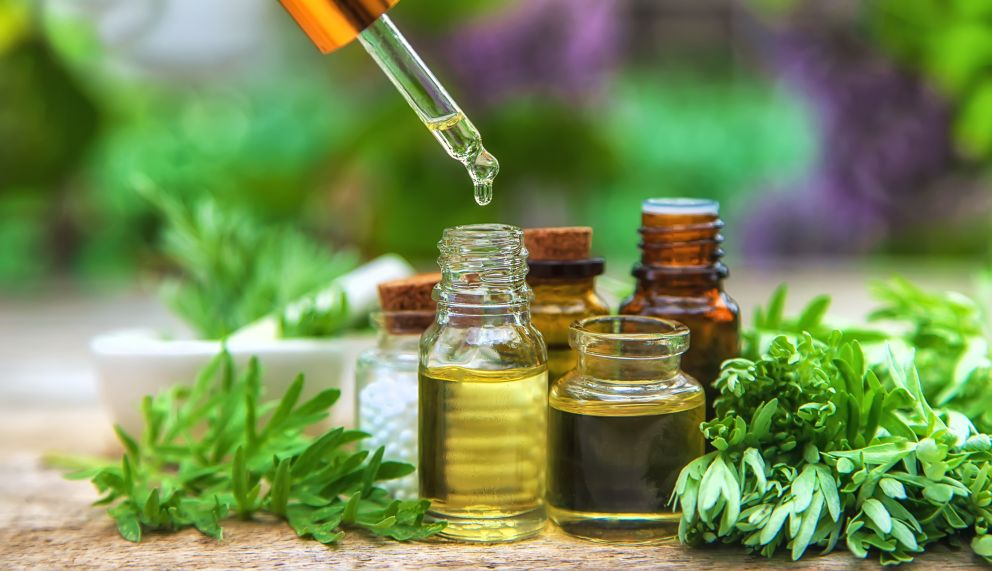
Wormwood products are commonly found in health food stores, with wormwood oil, wormwood tea, and wormwood extract being popular forms of this natural remedy that are used for various health benefits.
Wormwood is also famously used in alcoholic beverages, such as absinthe, which is a potent spirit with a distinct pungent aroma and bitter flavor.
Although wormwood has been used safely for centuries, it’s essential to be cautious, as its strong pharmacological actions can have potent effects, especially on the central nervous system.
Watch the video below to discover some of the potential health benefits of wormwood.
Potential wormwood benefits
Due to its high concentration of bioactive compounds, wormwood has been traditionally used to support digestion, reduce inflammation, and promote overall gut health.
Its potent antimicrobial and antifungal properties also make it a popular natural remedy for various infections and digestive concerns.
Here are five potential health benefits of taking wormwood.
1. Antiparasitic properties
Wormwood oil has been traditionally used to support the body’s natural defense against parasitic infections, such as tapeworms, roundworms, hookworms, pinworms, and giardia.
It’s believed that wormwood’s chemical composition triggers a cascade of biochemical reactions that directly target the membranes of parasitic organisms, disrupting their ability to maintain cellular integrity and survive in the host’s body.
In addition, wormwood contains compounds, such as artemisinin, that have been studied for their role in supporting traditional approaches to malaria management, as noted in research published in Antibiotics.
2. May help reduce joint discomfort
Wormwood’s anti-inflammatory compounds may offer relief from joint discomfort by reducing inflammation and promoting better circulation.
Evidence published in the Iranian Journal of Medical Sciences explored the effects of Artemisia absinthium ointment on knee joint discomfort in osteoarthritis patients and found that topical wormwood application showed promising results.
3. Supports gallbladder health
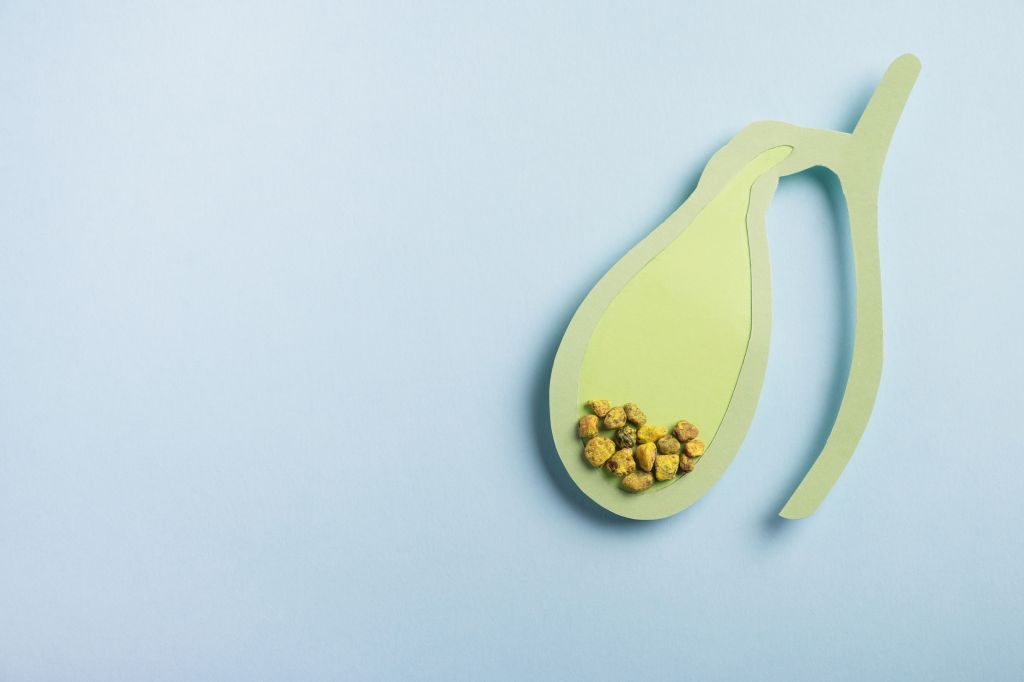
Bitter herbs such as wormwood have choleretic properties, meaning they promote bile production and bile flow, and thereby stimulate digestion.
“Wormwood contains bitter compounds, including absinthin and artabsin, which help stimulate the release of bile,” explains Dr. Berg. “This supports fat digestion and helps prevent bile stagnation linked to an increased risk of gallstones.”
This can promote gallbladder health by reducing the risk of gallstone formation and aiding in the breakdown of dietary fats for improved nutrient absorption.

4. Promotes digestive functions
Wormwood has traditionally been used to support digestive health, and emerging research explores its role in gut function.
A study published in Phytomedicine investigated wormwood’s potential in alleviating discomfort associated with various digestive disorders.
The authors summarize, “These results strongly suggest that wormwood has a steroid-sparing effect and indicate that wormwood also affects the mood and quality of life of Crohn’s disease patients.”
5. Wound healing properties
When applied topically, wormwood has notable wound-healing properties due to its antimicrobial and anti-inflammatory compounds, which help reduce the risk of infections and alleviate inflammation.
This herb may also promote tissue regeneration and skin healing processes, which explains why it’s a widely used remedy for cuts, bruises, minor burns, and irritations.

Wormwood uses and dosage
Wormwood is commonly used orally in the form of tea, tinctures, or capsules to promote digestive health, relieve bloating, and enhance bile flow and gallbladder function.
For digestive support, the typical dosage is 1 to 2 teaspoons of dried wormwood in tea, 1 to 2 mL of tincture, or approximately 400 mg of wormwood extract, taken once or twice daily.
Topically, wormwood essential oil can be used in diluted form to promote skin health and support healing processes.
However, it’s essential to consult with a healthcare provider before using wormwood to ensure its safety and suitability for your specific health needs.
In addition, it’s crucial to choose wormwood products that are thujone-free. Thujone is a toxic compound found in certain wormwood preparations, which can cause adverse effects when consumed in high amounts.

Precautions and possible side effects
While wormwood may have various potential uses, it should be approached with caution due to its potent bioactive compounds, such as thujone, a naturally occurring terpenoid, that can have neurotoxic effects if consumed in excessive amounts.
Thujone may cause seizures, hallucinations, or heightened anxiety, especially in individuals with a history of epilepsy or seizure disorders.
Pregnant women should avoid wormwood, as it may cause uterine contractions, which increase the risk of miscarriage.
Breastfeeding mothers and children should also avoid wormwood preparations, as its potent compounds may negatively affect the developing nervous system.
In addition, those with kidney disease or kidney failure should be cautious when using wormwood products, as they may strain kidney function.
Prolonged use of wormwood, especially in high doses, can lead to kidney damage, and it’s essential to consult with a healthcare provider before incorporating this herb into your routine.
Key takeaways
- Wormwood is a bitter medicinal herb rich in bioactive compounds, including flavonoids, phenols, and essential oils, traditionally used to support digestion, reduce inflammation, and promote wound healing.
- Its high concentration of phenolic compounds contributes to its antiparasitic, antimicrobial, and analgesic properties, which explain its long-standing use in folk medicine for treating parasites and digestive concerns.
- Wormwood is available in several forms, including tea, extracts, oils, and tinctures, and is also known for its use in absinthe due to its strong, bitter profile.
- Some wormwood preparations contain thujone, a terpenoid that can be neurotoxic in high doses, and it’s essential to consult a healthcare provider before using wormwood products.
FAQ
- 1. What are the top wormwood benefits?
- 2. What does wormwood do to your body?
- 3. Can you take wormwood every day?
- 3. Is wormwood toxic?
- 4. Who should not take wormwood?
Sources
- Batiha GE, Olatunde A, El-Mleeh A, et al. Bioactive Compounds, Pharmacological Actions, and Pharmacokinetics of Wormwood (Artemisia absinthium). Antibiotics (Basel). 2020;9(6):353. https://pmc.ncbi.nlm.nih.gov/articles/PMC7345338/#B153-antibiotics-09-00353
- Basiri Z, Zeraati F, Esna-Ashari F, et al. Topical Effects of Artemisia Absinthium Ointment and Liniment in Comparison with Piroxicam Gel in Patients with Knee Joint Osteoarthritis: A Randomized Double-Blind Controlled Trial. Iran J Med Sci. 2017;42(6):524-531. https://pubmed.ncbi.nlm.nih.gov/29184260/
- Omer B, Krebs S, Omer H, Noor TO. Steroid-sparing effect of wormwood (Artemisia absinthium) in Crohn’s disease: a double-blind placebo-controlled study. Phytomedicine. 2007;14(2-3):87-95. https://pubmed.ncbi.nlm.nih.gov/17240130/
Related Articles
-
6 Benefits of Vitamin E
 Nutrition
6 Benefits of Vitamin E
At a glance Vitamin E is a fat-soluble vitamin and a powerful antioxidant that protects cells against oxidative stress, free radical damage, and inflammation, all of which contribute to poor…07/03/2026 -
Nitric Oxide and Viagra: What’s the Connection?
 Health concerns
Nitric Oxide and Viagra: What’s the Connection?
At a glance Nitric oxide is a key signaling molecule that relaxes blood vessels, improves circulation, and supports sexual functions. Viagra works by prolonging the effects of nitric oxide, which…03/19/2026 5.9k views -
How to Get Rid of Toenail Fungus – 3 Natural Solutions
 Health concerns
How to Get Rid of Toenail Fungus – 3 Natural Solutions
At a glance Toenail fungus is a common nail infection often linked to environmental exposure to infectious microbes, nail injury, and poor metabolic or immune health. Natural topical solutions and…03/13/2026 33.6k views -
How to Kill Parasites: 7 Natural Tips
 Health concerns
How to Kill Parasites: 7 Natural Tips
At a glance Parasitic infections occur when worms or protozoa colonize the body, often through exposure to contaminated pets, food, or water. These organisms can interfere with digestion and other…03/13/2026 15.1k views -
HPV Skin Tags: Causes and What to Do
 Health concerns
HPV Skin Tags: Causes and What to Do
At a glance While both skin tags and warts can be linked to human papillomavirus (HPV), they differ in appearance and how they affect the body. Targeted dietary and lifestyle…03/13/2026 16.6k views -
4 Asthma Remedies to Try at Home
 Health concerns
4 Asthma Remedies to Try at Home
At a glance Asthma is a chronic inflammatory condition that narrows the airways and makes breathing difficult, especially during asthma attacks. While conventional care is often necessary, natural asthma remedies…03/06/2026 17.6k views -
Too Much Keto Weight Loss? What to Do If You’re Too Skinny
 Diet
DietToo Much Keto Weight Loss? What to Do If You’re Too Skinny
At a glance Keto weight loss often occurs rapidly during the early adaptation phase, primarily due to fluid loss rather than immediate fat reduction. While fat loss is expected, ongoing…03/06/2026 10.2k views -
How to Ease a Sore Throat Quickly Using Acupressure
 Health concerns
How to Ease a Sore Throat Quickly Using Acupressure
At a glance Acupressure offers a simple, hands-on approach to promoting physical comfort, which may help soothe sore throat pain. While it’s not a substitute for a medical evaluation, acupressure…02/27/2026 25.2k views -
What Causes Pale Colored Stool?
 Health concerns
What Causes Pale Colored Stool?
At a glance Pale-colored stool can be linked to low bile flow, low-fat diets, alcohol use, infections, or underlying liver, gallbladder, or pancreatic issues. Supporting gallbladder function through a nutritious…02/26/2026 14.9k views -
Can Low Vitamin D Cause Depression in Teenagers?
 Vitamins
Can Low Vitamin D Cause Depression in Teenagers?
At a glance Vitamin D is essential for brain health, and low levels in teenagers may increase the risk of depression. Insufficient sunlight exposure and poor dietary habits can contribute…02/26/2026 10.8k views