


At a glance
The role of saturated fat has long been misunderstood due to outdated dietary theories, but whether saturated fat is bad depends largely on its source. Healthy, whole-food saturated fats help support cell membrane integrity and other essential physiological functions. Including high-quality saturated fats within a nutritious diet can help maintain metabolic balance and overall well-being.
Fats play a vital role in energy metabolism, hormone production, satiety regulation, nutrient absorption, and many other critical functions. But is saturated fat bad?
No, saturated fats aren’t unhealthy and should regularly be consumed as part of a balanced diet.
Let’s address the myths surrounding saturated fats and learn how these fatty acids help promote healthy skin, cognitive functions, and immune defenses.
What is saturated fat?
Saturated fat is primarily found in animal products and tropical oils and is one of the three types of naturally occurring fats, alongside monounsaturated and polyunsaturated fats.
Unlike unsaturated fats, which are liquid, saturated fats remain solid at room temperature. This is because its carbon molecules contain single bonds instead of double bonds, meaning they’re fully saturated with hydrogen.
Saturated fats aren’t a single nutrient but comprise a group of different types of saturated fatty acids, including short-, long-, medium-, and very long-chain fatty acid varieties.
These fatty acids include:
- Capric acid
- Caprylic acid
- Caproic acid
- Lauric acid
- Myristic acid
- Palmitic acid
- Stearic acid
Stearic, palmitic, and lauric acids are the most commonly consumed saturated fatty acids found in animal fats, meat, and dairy products.
On the other hand, caproic, caprylic, and capric acids are health-promoting medium-chain triglycerides primarily derived from coconut oil.
Different types of saturated fats affect varying physiological processes and have distinct effects on health.
Watch the video below to learn more about the health benefits of saturated fats.
Is saturated fat bad for you?
Saturated fat has been categorized as an unhealthy type of fat, alongside trans fats, since the introduction of the diet-heart hypothesis in the 1950s.
This hypothesis was based on research suggesting that saturated fats raise low-density lipoprotein (LDL) cholesterol levels and consequently increase the risk of heart disease.
However, this research was deeply flawed, and more recent studies cannot identify a causal link between saturated fats and cardiovascular conditions. Contrarily, healthy saturated fats, such as those found in dairy products, have repeatedly been shown to lower cardiometabolic risk.
A review of The Framingham Offspring Study published in the American Journal of Clinical Nutrition found that higher saturated fat intake was associated with decreased occurrences of atherosclerosis, a major contributor to heart disease.1
Although foods with a high saturated fat content are often rich in cholesterol, no evidence suggests that consuming dietary cholesterol raises blood cholesterol levels. This may be attributed to the body’s ability to reduce cholesterol production in response to increased dietary intake.
Unfortunately, the misguided diet-heart hypothesis prompted public health initiatives to recommend replacing saturated fats with vegetable oils and carbohydrates.
This may have likely contributed to the dramatic rise in metabolic conditions, such as obesity, heart disease, and type 2 diabetes.
Research published in the Lancet concluded, “High carbohydrate intake was associated with higher risk of total mortality, whereas total fat and individual types of fat were related to lower total mortality. Total fat and types of fat were not associated with cardiovascular disease, myocardial infarction, or cardiovascular disease mortality.”2
The researchers also discovered an inverse relationship between saturated fat intake and the risk of stroke, indicating that higher consumption of saturated fats was associated with a lower likelihood of experiencing a stroke.
These findings underscore the need to reevaluate the long-standing beliefs about saturated fats and their role in heart health, as a more accurate understanding of dietary fats is essential for promoting overall health and well-being.
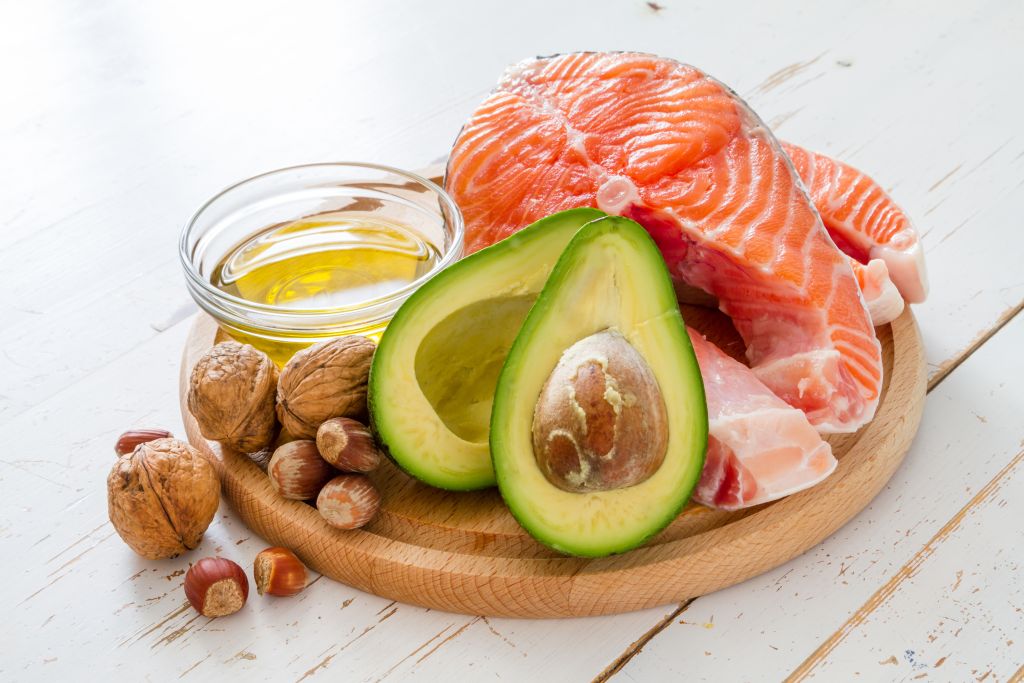
Saturated fat vs. unsaturated fat
The Dietary Guidelines for Americans recommends that no more than ten percent of your daily calorie needs should come from saturated fats, which equates to around 20 grams of fat based on an average 2000-calorie diet.3
In addition, these guidelines suggest that unsaturated fats should make up between 20 to 35 percent of your daily energy intake.
There are two main types of unsaturated fats: monounsaturated and polyunsaturated fats.
Monounsaturated fats, such as oleic and palmitoleic acid, are primarily obtained from plant sources, such as raw nuts, seeds, olive oil, and avocado oil.
Polyunsaturated fats consist of omega-6 and omega-3 fatty acids and are found in a variety of foods, including:
- Canola oil
- Peanut oil
- Sunflower/safflower oil
- Corn oil
- Soybean oil
- Oily fish such as salmon, sardines, and tuna
- Seeds and nuts
Despite a lack of convincing evidence, public health messages recommend replacing saturated fats, such as butter, lard, or tallow, with unsaturated fatty acids like seed oils to reduce the risk of heart disease.
However, seed and vegetable oils can pose health risks due to their extensive refining processes. In addition, when these oils are heated, they can generate various types of trans fat and other harmful byproducts through oxidation, which can contribute to chronic inflammation and related health issues.

5 benefits of saturated fat
Many healthcare providers believe saturated fats increase heart disease risk and recommend replacing saturated fats with carbohydrates or unsaturated fat sources such as canola oil, corn oil, or sunflower oil.
However, it’s essential to incorporate saturated fats into your diet to support organ function, hormonal balance, and strong immune defenses.
Here are five benefits of saturated fat.
1. Supports brain health
The brain comprises approximately 60 percent fat and requires various types of fatty acids to function optimally.
This includes saturated fatty acids, as well as a balanced intake of omega-6 and omega-3 fatty acids, particularly docosahexaenoic acid (DHA), which plays a crucial role in brain health and cognitive function.
The brain holds the highest concentration of cholesterol among all organs, accounting for 20 to 25 percent of the body’s total cholesterol.
Cholesterol is essential for normal brain function and neuronal development, and foods rich in saturated fats and cholesterol can play a critical role in supporting cognitive health.
“Most of your brain is composed of fat and cholesterol,” explains Dr. Berg. “You need saturated fatty acids, especially from sources such as nuts and dairy, for good cognitive function, memory, focus, and concentration.”
2. Enhances nutrient absorption
Fat-soluble nutrients, including vitamins A, D, E, and K, support vital bodily functions, such as healthy vision, cognitive functions, skin integrity, bone strength, and immunity.
These fat-soluble vitamins require dietary fat for optimal absorption, and consuming nutritious sources of saturated fats, such as grass-fed meat and organic dairy products, enhances the body’s ability to utilize these essential nutrients.

3. Strengthens immune functions
Rich sources of saturated fatty acids, such as lard, tallow, and dairy products, contain essential vitamins that promote a healthy immune system.
Vitamins A and D, found in certain saturated fats, play a crucial role in the production and functioning of white blood cells, which are essential for combating viral, bacterial, and fungal infections.
These nutrients also help reduce the risk of autoimmune conditions by regulating immune cell activity and promoting balanced immune system responses.
4. Promotes healthy skin
Your skin is composed of both protein and fat, which explains why a low-fat diet can lead to premature aging, dull, dry skin, and brittle hair.
Healthy fats are vital for skin hydration and elasticity and may help reduce inflammation linked to skin conditions such as acne, eczema, and psoriasis.
A study published in The British Journal of Nutrition found that an increase in total fat consumption, including saturated fatty acids, resulted in greater skin elasticity in women.4
5. Hormone production
Various hormones are synthesized from fatty acids, which are involved in the production of sex and steroid hormones, such as estrogen, testosterone, progesterone, and cortisol.
Evidence published in the American Journal of Clinical Nutrition found that total fat intake may improve human fertility, testosterone levels, and menstrual cycle function.5
This is likely due to fat’s role in prostaglandin production and steroidogenesis, which is the process of generating steroid hormones from cholesterol.
The study also reported that increasing fat intake while reducing carbohydrate consumption can improve pregnancy outcomes and fertility issues, such as polycystic ovarian syndrome (PCOS).
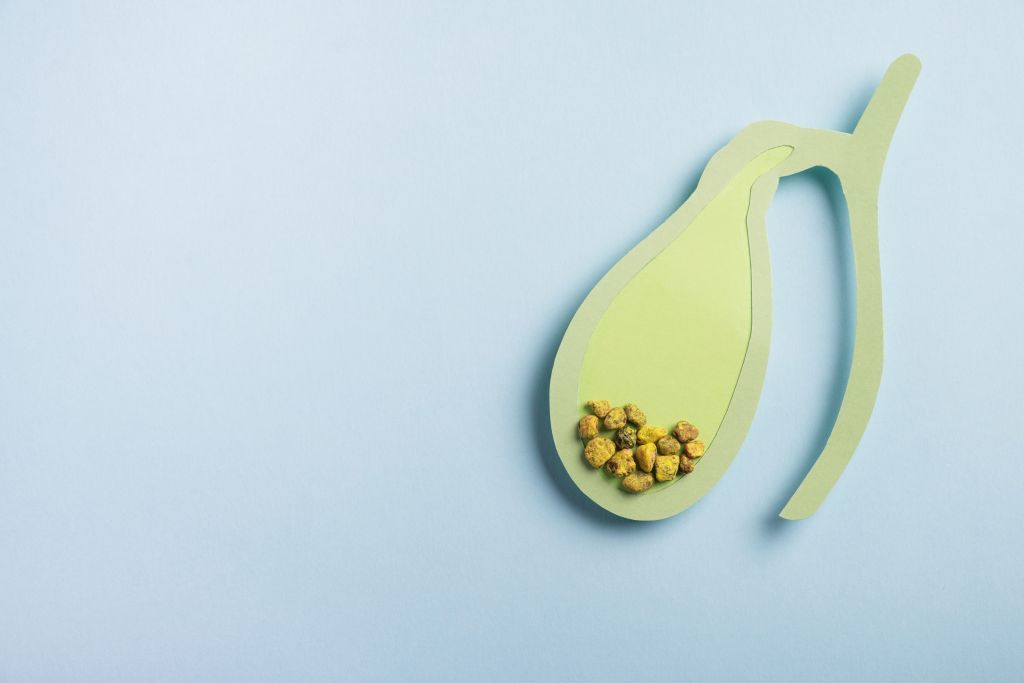
When to avoid saturated fat
While saturated fats are safe for healthy adults, those who underwent gallbladder removal surgery, also known as cholecystectomy, and individuals with sluggish gallbladder function should limit saturated fat intake.
Consuming excessive amounts of fat can overload the gallbladder and, in those without a gallbladder, strain the liver, making it difficult to digest fats effectively.
Additionally, individuals with high cholesterol or heart issues should avoid consuming too much saturated fat, particularly when adhering to a high-carbohydrate, high-sugar diet.
This dietary pattern can increase the risk of complications, such as plaque formation and hypertension, due to heightened inflammation and oxidative stress within the vascular system, which are associated with the pro-inflammatory effects of a high-carbohydrate diet.

Foods rich in saturated fats
As with any other macro- and micronutrient, it’s recommended to obtain dietary fat, including saturated fats, from minimally processed, whole-food sources.
Some of the best sources of saturated fatty acids include:
- Butter
- Lard
- Tallow
- Ghee
- Full-fat cheese and milk
- Red meat
- Coconut oil
- Palm oil
Choosing grass-fed, organic animal sources can reduce exposure to artificial growth hormones, which can disrupt the endocrine system and contribute to hormonal imbalances.
Grass-fed beef, lamb, and pork are also more nutrient-dense and contain higher amounts of omega-3 fatty acids, a potent anti-inflammatory essential fatty acid linked to various health benefits.
Additionally, avoid unhealthy sources of saturated fats, such as:
- Ice cream and milkshakes
- Pastries, cakes, pies, and donuts
- Cookies and brownies
- Chips and crackers
- Hot dogs
- Sausages
- Processed deli meat
These ultra-processed foods are not only packed with unhealthy seed oils, modified starches, and sugars but also typically contain artificial preservatives and additives linked to obesity, chronic inflammation, and even premature death.
Key takeaways
- Is saturated fat bad? No, healthy sources of saturated fat play essential roles in cell structure, nutrient absorption, and normal hormone production.
- Some findings associate higher saturated fat consumption with favorable cardiometabolic markers, while high-carbohydrate diets were linked to greater mortality risk.
- Saturated fats support brain health, immune function, hormone synthesis, skin integrity, and the absorption of fat-soluble vitamins, including A, D, E, and K.
- High-quality saturated fats from whole foods, including grass-fed meat, organic dairy, and minimally processed tropical oils, offer a more beneficial nutrient profile than those found in processed foods high in refined sugars and additives.
- Individuals without a gallbladder, with sluggish gallbladder function, or those following high-carbohydrate diets may need to moderate saturated fat intake to prevent digestive discomfort or metabolic strain.
FAQ
- 1. Is saturated fat bad?
- 2. How much saturated fat can I have?
- 3. Which fat is good, saturated or unsaturated?
- 4. What saturated fats should I avoid?
- 5. What are the healthiest fats?
- 6. Does saturated fat cause high cholesterol?
- 7. Are eggs high in saturated fat?
Sources
- https://pubmed.ncbi.nlm.nih.gov/36307959/ ↩︎
- https://pubmed.ncbi.nlm.nih.gov/28864332/ ↩︎
- https://www.dietaryguidelines.gov/sites/default/files/2021-11/DGA_FactSheet_SaturatedFats-07-09_508c_0.pdf ↩︎
- https://pubmed.ncbi.nlm.nih.gov/20085665/ ↩︎
- https://pmc.ncbi.nlm.nih.gov/articles/PMC4763493/ ↩︎
Related Articles
-
Can Fasting Lower Cholesterol?
 Fasting
Can Fasting Lower Cholesterol?
At a glance Fasting can help lower cholesterol levels by promoting the use of body fat for energy, supporting a healthy weight, reducing inflammation, and maintaining balanced insulin levels. Incorporating…05/01/2026 -
Can You Reverse Atherosclerosis?
 Health concerns
Can You Reverse Atherosclerosis?
At a glance Can you reverse atherosclerosis? While plaque may not fully disappear, the progression of atherosclerosis can be slowed and plaque stability may improve over time. Atherosclerosis develops gradually…03/06/2026 50.4k views -
Does Fish Oil Benefit Cholesterol?
 Nutrition
Does Fish Oil Benefit Cholesterol?
At a glance Fish oil is a rich source of the omega-3 fatty acids EPA and DHA, which support heart health and metabolic wellness. While fish oil may help promote…02/12/2026 27.4k views -
Osteoporosis and Osteopenia: How to Support Strong Bones
 Health concerns
Osteoporosis and Osteopenia: How to Support Strong Bones
At a glance Osteopenia and osteoporosis are age-related conditions marked by gradual bone density loss that often develops without clear symptoms. Changes in bone strength can increase fracture risk and…01/08/2026 5.9k views -
Can High Cholesterol Cause Headaches?
 Health concerns
Can High Cholesterol Cause Headaches?
At a glance High cholesterol doesn’t directly cause headaches, but cholesterol plaques in arteries can reduce blood flow to the brain, potentially triggering migraines or headache symptoms. Supporting healthy cholesterol…12/30/2025 -
How to Lower Cholesterol on Keto
 Diet
DietHow to Lower Cholesterol on Keto
At a glance While a nutrient-focused ketogenic diet is often associated with improved cholesterol balance, it’s not uncommon to see elevated cholesterol levels during the early stages of keto adaptation.…12/05/2025 13.1k views -
What Are the Best Sources of Omega-3 Fatty Acids?
 Nutrition
What Are the Best Sources of Omega-3 Fatty Acids?
At a glance There are several essential omega-3 fatty acids, but not all food sources provide them in the same balance or bioactive form. The best sources of omega-3 fatty…11/06/2025 25k views -
Understanding Cholesterol Levels and Numbers
 Health concerns
Understanding Cholesterol Levels and Numbers
At a glance While cholesterol is vital for hormone production and brain function, imbalanced levels can cause atherosclerosis and increase cardiovascular risk. Understanding your cholesterol numbers and how diet, exercise,…04/09/2025 118k views -
What Is LDL Cholesterol? Why It’s Not Always Bad
 Health concerns
What Is LDL Cholesterol? Why It’s Not Always Bad
At a glance LDL cholesterol is often linked to poor cardiovascular health, yet it also plays an important role in supporting cell structure, hormone production, and nerve function. Its impact…04/09/2025 33.4k views -
Health Benefits of Nattokinase
 Nutrition
Health Benefits of Nattokinase
At a glance Nattokinase is a natural enzyme found in natto, a traditional Japanese food made from fermented soybeans. It helps maintain healthy blood flow, supports normal cholesterol and blood…04/09/2025 16.5k views


