


At a glance
High cholesterol doesn’t directly cause headaches, but cholesterol plaques in arteries can reduce blood flow to the brain, potentially triggering migraines or headache symptoms. Supporting healthy cholesterol levels through dietary and lifestyle choices may help lower the risk of cholesterol-related headaches.
Can high cholesterol cause headaches?
Although high cholesterol doesn’t directly cause headaches, cholesterol plaques in blood vessels can restrict blood flow to the brain, which may trigger migraines and headache symptoms.
Discover the potential link between high cholesterol and headaches and learn why cholesterol isn’t always a risk factor for cardiovascular disease.
Can High Cholesterol Cause Headaches?
Headaches aren’t a classic symptom of high cholesterol. However, individuals with elevated total cholesterol, also known as hypercholesterolemia, appear to be at increased risk of intense migraines.
A study published in Pain Practice compared the frequency and severity of migraines in individuals with elevated cholesterol to those with healthy cholesterol levels.
The authors report, “A significant positive association between migraine frequency and intensity with total and low-density lipoprotein (LDL) cholesterol.”
Certain types of cholesterol have been linked to an increased risk of arterial plaque buildup and atherosclerosis, which are significant risk factors for coronary artery disease and heart attacks.
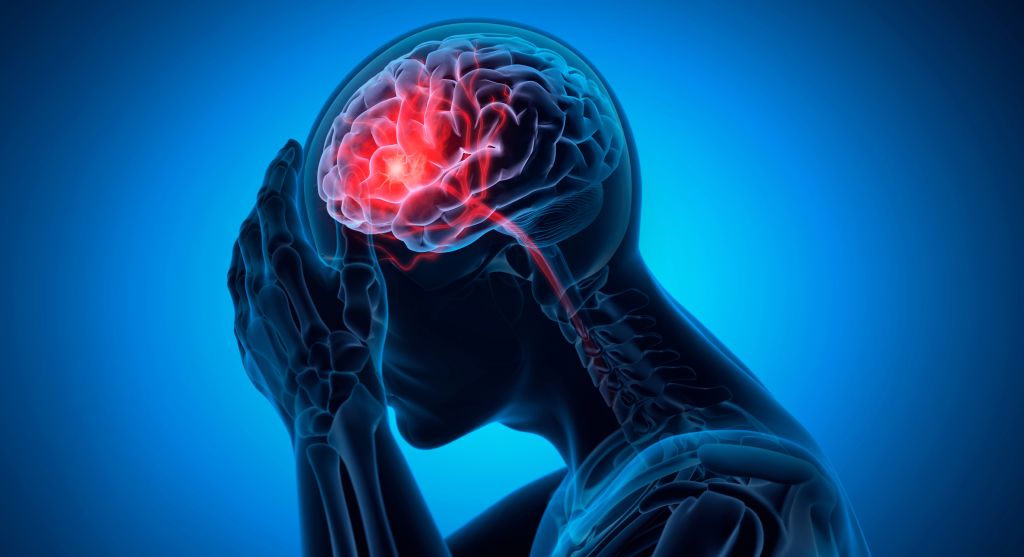
Plaque buildup can narrow arteries, impacting the blood supply to the central nervous system and brain, which may trigger headaches and migraines.
In addition, the narrowing of arteries can contribute to high blood pressure, which increases pressure in the brain and can cause headaches.
Watch the video below to learn more about the link between LDL cholesterol and heart disease.
What is cholesterol, and is it dangerous?
Cholesterol is a waxy, fat-like substance that plays a crucial role in many bodily functions, such as cell membrane formation, bile production, vitamin D synthesis, and hormone balance.
Every cell in the body requires cholesterol. This highlights its importance for overall well-being and explains why prescription drugs to lower cholesterol levels are associated with side effects and long-term health concerns.
There’s a common misconception that cholesterol is dangerous and that the consumption of cholesterol-rich foods is the cause of hypercholesterolemia.
Research published in Nutrients refutes this claim, confirming that there is no direct correlation between dietary cholesterol intake and elevated blood cholesterol levels.
In addition, there remains a widespread belief that high cholesterol levels are detrimental to cardiovascular health.
However, it’s important to understand that it isn’t cholesterol that’s linked to heart disease but the type of lipoprotein it’s bound to.
Good cholesterol vs. bad cholesterol
Because cholesterol is a lipid and not water-soluble, it must be packaged into specialized transport proteins to be carried through the body.
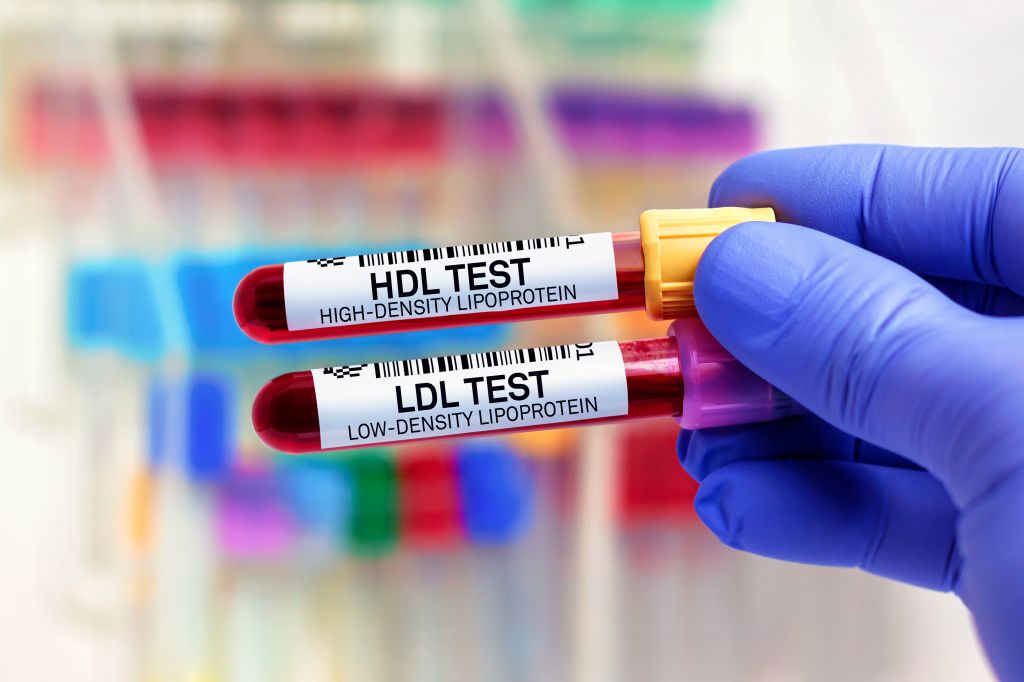
The two main cholesterol proteins are low-density lipoprotein (LDL) and high-density lipoprotein (HDL) cholesterol.
LDL particles carry cholesterol throughout the bloodstream, delivering it to cells where it’s needed for various physiological functions.
HDL transports cholesterol away from cells and back to the liver, where it’s recycled or eliminated. This helps remove excess cholesterol from the blood, explaining why HDL cholesterol is referred to as good cholesterol, associated with a lower risk of cardiovascular disease.
In contrast, LDL cholesterol is generally regarded as “bad” cholesterol, as it can accumulate in the lining of blood vessel walls, contributing to the formation of arterial plaques. This buildup narrows the arteries and can lead to atherosclerosis, increasing the risk of heart disease, blood clot formation, and stroke.
However, recent evidence suggests that not all LDL cholesterol is linked to an increased risk of health problems and heart disease.
A study published in Clinical Chimica Acta found that LDL-related cardiovascular disease risk depends on the size of LDL particles rather than the overall amount of LDL in the blood.
The authors highlight that LDL occurs in two patterns. Type A pattern LDL consists of larger, more buoyant particles that are less likely to contribute to atherosclerosis.
Type B pattern LDL is characterized by smaller, denser particles that are more likely to penetrate arterial walls and contribute to plaque buildup, thereby increasing the risk of cardiovascular disease.
Interestingly, evidence published in the American Journal of Clinical Nutrition found that regular intake of saturated fats is associated with higher concentrations of type A LDL.
Conversely, type B LDL appears linked to carbohydrate intake and consumption of sugar. This suggests that a high-carb diet is more detrimental to heart health than a high-fat diet.
Unfortunately, most conventional blood tests only evaluate LDL and HDL cholesterol levels without differentiating between LDL subclasses.
“Standard cholesterol tests may not accurately reflect cardiovascular disease risk,” explains Dr. Berg. “This may also result in individuals being prescribed drugs for managing high cholesterol without being at risk of heart disease.”
Other potential causes of headaches
While cholesterol plaques may contribute to headaches and migraines, there are many other potential causes of frequent headaches.
Here are some of the most common causes of headaches.
1. Dehydration
Headaches are one of the first signs of dehydration. Lack of adequate bodily fluids can cause a drop in blood volume, impairing the transport of oxygen and nutrients to the brain, which is a common trigger of headache symptoms.
2. Electrolyte imbalances
Excessive fluid loss and inadequate intake of essential minerals, such as sodium, potassium, and magnesium, can lead to electrolyte imbalances.
Electrolytes regulate the movement of water into and out of cells. An imbalanced sodium-to-potassium ratio can impact the body’s fluid control, potentially leading to dehydration and associated symptoms such as headaches.
3. Hormonal fluctuations
Changes in estrogen levels can impact the dilation and constriction of blood vessels, including those in the brain.
This explains why many women experience tension headaches or migraines during their menstrual cycle, pregnancy, and menopause.
4. Stress
A study published in Therapeutic Advances in Chronic Disease found that individuals suffering from migraines and recurrent headache attacks tend to have elevated cortisol levels.
Cortisol, a primary stress hormone, disrupts normal blood sugar control. Fluctuating blood sugar levels have been found to impact brain function and can lead to headaches and migraines.

Natural remedies for headaches
The best natural remedy for headaches depends on the underlying cause.
Headaches related to dehydration or electrolyte imbalances can typically be managed by maintaining adequate fluid intake and replacing electrolytes through nutritious whole foods or a homemade electrolyte drink.
It’s also crucial to consume a healthy diet focusing on minimally processed foods to obtain essential minerals, including magnesium, calcium, and potassium. These nutrients support muscle and nerve functions, and deficiencies may increase the risk of frequent headaches.
Cases of headaches linked to cholesterol plaques impairing blood flow to the brain may require more significant dietary and lifestyle changes.
One of the most effective strategies for promoting cholesterol balance is to follow a low-carb diet such as Healthy Keto® in combination with intermittent fasting.
Research published in the Journal of the American College of Nutrition suggests excessive carbohydrate intake is associated with imbalanced cholesterol and triglyceride levels. The authors conclude that limiting dietary carbohydrate intake may be crucial in managing vascular disease risk.
In addition, intermittent fasting can maximize the beneficial effects of a low-carb diet on cholesterol balance.
Caloric restriction enhances the body’s ability to utilize stored fat for energy, thereby reducing overall body fat and improving lipid profiles.
Key takeaways
- While elevated cholesterol isn’t a direct cause of headaches, arterial plaque buildup may reduce blood flow to the brain, potentially contributing to migraine symptoms.
- Other common headache triggers include dehydration, electrolyte imbalances, hormonal fluctuations, and stress.
- Natural approaches, such as a low-carb diet like Healthy Keto and intermittent fasting, may help support balanced cholesterol levels and reduce the risk of headaches
- LDL particle size and overall lipoprotein balance are more important indicators of cardiovascular risk than total cholesterol levels alone.
FAQ
- 1. Can high cholesterol cause headaches?
- 2. Can high cholesterol affect the brain?
- 3. How to get rid of cholesterol headaches?
- 4. How does your body feel when your cholesterol is too high?
- 5. What is the first noticeable symptom of high cholesterol?
Sources
- https://onlinelibrary.wiley.com/doi/10.1111/papr.12229
- https://pmc.ncbi.nlm.nih.gov/articles/PMC9143438/
- https://www.sciencedirect.com/science/article/abs/pii/S0009898112004457
- https://pubmed.ncbi.nlm.nih.gov/9583838/
- https://pmc.ncbi.nlm.nih.gov/articles/PMC7495027/
- https://pmc.ncbi.nlm.nih.gov/articles/PMC1479303/
Related Articles
-
Can Fasting Lower Cholesterol?
 Fasting
Can Fasting Lower Cholesterol?
At a glance Fasting can help lower cholesterol levels by promoting the use of body fat for energy, supporting a healthy weight, reducing inflammation, and maintaining balanced insulin levels. Incorporating…05/01/2026 -
Can You Reverse Atherosclerosis?
 Health concerns
Can You Reverse Atherosclerosis?
At a glance Can you reverse atherosclerosis? While plaque may not fully disappear, the progression of atherosclerosis can be slowed and plaque stability may improve over time. Atherosclerosis develops gradually…03/06/2026 50.4k views -
Does Fish Oil Benefit Cholesterol?
 Nutrition
Does Fish Oil Benefit Cholesterol?
At a glance Fish oil is a rich source of the omega-3 fatty acids EPA and DHA, which support heart health and metabolic wellness. While fish oil may help promote…02/12/2026 27.4k views -
Osteoporosis and Osteopenia: How to Support Strong Bones
 Health concerns
Osteoporosis and Osteopenia: How to Support Strong Bones
At a glance Osteopenia and osteoporosis are age-related conditions marked by gradual bone density loss that often develops without clear symptoms. Changes in bone strength can increase fracture risk and…01/08/2026 5.9k views -
How to Lower Cholesterol on Keto
 Diet
DietHow to Lower Cholesterol on Keto
At a glance While a nutrient-focused ketogenic diet is often associated with improved cholesterol balance, it’s not uncommon to see elevated cholesterol levels during the early stages of keto adaptation.…12/05/2025 13.1k views -
What Are the Best Sources of Omega-3 Fatty Acids?
 Nutrition
What Are the Best Sources of Omega-3 Fatty Acids?
At a glance There are several essential omega-3 fatty acids, but not all food sources provide them in the same balance or bioactive form. The best sources of omega-3 fatty…11/06/2025 25k views -
Understanding Cholesterol Levels and Numbers
 Health concerns
Understanding Cholesterol Levels and Numbers
At a glance While cholesterol is vital for hormone production and brain function, imbalanced levels can cause atherosclerosis and increase cardiovascular risk. Understanding your cholesterol numbers and how diet, exercise,…04/09/2025 118k views -
What Is LDL Cholesterol? Why It’s Not Always Bad
 Health concerns
What Is LDL Cholesterol? Why It’s Not Always Bad
At a glance LDL cholesterol is often linked to poor cardiovascular health, yet it also plays an important role in supporting cell structure, hormone production, and nerve function. Its impact…04/09/2025 33.4k views -
Is Saturated Fat Bad? Benefits and Risks of Saturated Fat
 Nutrition
Is Saturated Fat Bad? Benefits and Risks of Saturated Fat
At a glance The role of saturated fat has long been misunderstood due to outdated dietary theories, but whether saturated fat is bad depends largely on its source. Healthy, whole-food…04/09/2025 14k views -
Health Benefits of Nattokinase
 Nutrition
Health Benefits of Nattokinase
At a glance Nattokinase is a natural enzyme found in natto, a traditional Japanese food made from fermented soybeans. It helps maintain healthy blood flow, supports normal cholesterol and blood…04/09/2025 16.5k views


