

At a glance
Fasting can help lower cholesterol levels by promoting the use of body fat for energy, supporting a healthy weight, reducing inflammation, and maintaining balanced insulin levels. Incorporating fasting is an effective strategy to support healthy lipid levels, vascular function, and overall cardiovascular wellness.
Time-restricted eating has various profound health benefits, but can fasting lower cholesterol?
Yes, intermittent fasting has been shown to improve lipid metabolism, reduce triglycerides, and support healthier cholesterol levels by enhancing insulin sensitivity and promoting fat burning.
Let’s debunk a few common cholesterol misconceptions and discover why fasting is an excellent tool for supporting cholesterol balance and heart health.
What is cholesterol?
Cholesterol is a type of lipid with a wax-like consistency. It is produced in liver cells and plays a vital role in cell membrane structure, hormone balance, vitamin D production, and digestive processes.
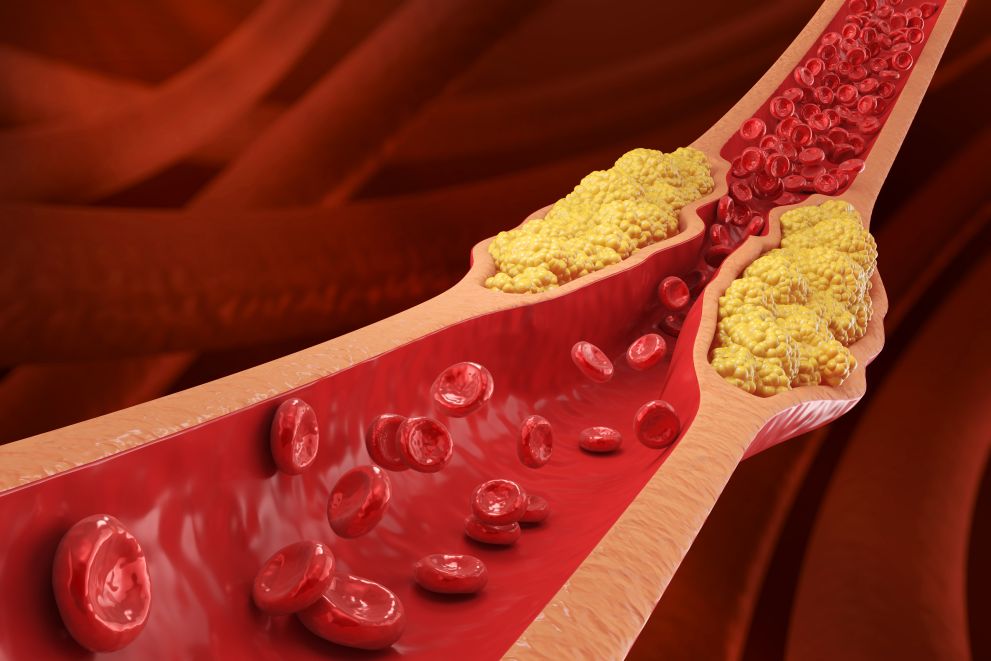
Its impact on cardiovascular health is widely discussed, as certain cholesterol-containing lipoproteins can accumulate in arterial walls and contribute to plaque formation.
This process, known as atherosclerosis, leads to narrowing and stiffening of the arteries. It is associated with elevated blood pressure and an increased risk of stroke and heart attacks.
However, cardiovascular risk depends more on how cholesterol is transported in the blood than on total cholesterol levels.
Cholesterol travels bound to lipoproteins. These include high-density lipoprotein (HDL), known as good cholesterol, which is linked to improved heart health. Low-density lipoprotein (LDL), often called bad cholesterol, can promote plaque buildup.
“Especially small, dense LDL particles are particularly prone to penetrating arterial walls and promoting plaque formation, whereas larger, buoyant LDL particles are less likely to contribute to cardiovascular disease risk,” explains Dr. Berg.
This underscores the importance of detailed lipid panel tests that measure lipoprotein types, particle size, and triglycerides. Such tests offer a more accurate assessment of heart health than total cholesterol alone.
Watch the video below to debunk the myth that fasting increases your heart disease risk.
Can fasting lower cholesterol?
Fasting has long been recognized for its profound benefits on various clinical health markers, including cholesterol balance.
Following a time-restricted eating pattern reduces meal frequency and shortens the eating window, thereby lengthening the periods during which the body must rely on stored body fat as an energy source.
This not only supports weight loss, which is associated with more balanced cholesterol levels, but also shifts liver metabolism from producing new fats toward breaking down fatty acids.
As fatty acids are utilized as an energy source, the liver reduces LDL cholesterol synthesis, which in turn can help lower circulating LDL levels.
At the same time, fasting-stimulated fat burning promotes the production of beneficial HDL cholesterol, which transports cholesterol and other lipids from peripheral tissues back to the liver for processing and excretion.
This has been confirmed by evidence published in The Journal of Nursing Research, which compared the effects of intermittent fasting and alternate-day fasting with a standard diet on cardiometabolic risk factors in overweight or obese adults with prediabetes.
Both fasting protocols led to significantly more weight loss than the standard diet and improved HDL levels while lowering LDL cholesterol.
The authors concluded, “These findings indicate the potential benefit of integrating intermittent fasting regimens into normal dietary patterns to reduce the risk of diabetes and cardiovascular disease.”
While fasting is an excellent strategy for supporting overall heart health, it can sometimes cause temporary cholesterol imbalances during the early stages, particularly when significant weight loss occurs.
Rapid fat breakdown mobilizes large amounts of lipids, including cholesterol, into the bloodstream, which can temporarily elevate blood cholesterol levels before long-term improvements are seen.

Other factors that affect cholesterol
While animal-derived foods contain cholesterol, research published in Nutrients highlights that dietary cholesterol has little to no effect on the body’s total cholesterol levels, as the liver tightly regulates cholesterol balance by adjusting its production in response to intake.
In contrast, high consumption of sugar, refined carbohydrates, and ultra-processed foods can significantly disrupt the body’s ability to maintain balanced cholesterol.
These foods cause blood sugar and insulin levels to rise, which signals the liver to produce more fatty acids. This process increases LDL cholesterol to transport these lipids and may contribute to the development of atherosclerosis.
Evidence published in Genetic Research found that diets high in carbohydrates and processed foods are also a primary cause of weight gain, contributing to a body composition characterized by visceral fat around the organs.
Visceral fat constantly releases fatty acids into the bloodstream. The liver attempts to process them by packing them into small, dense LDL particles, which are linked to cardiovascular disease.
In addition, genetic predisposition, a sedentary lifestyle, poor liver function, and health conditions such as metabolic syndrome, insulin resistance, and thyroid dysfunction have been linked to abnormal lipid profiles, including elevated LDL cholesterol levels.
More ways fasting supports cardiovascular health
In addition to supporting balanced cholesterol levels, a consistent intermittent fasting regimen has additional benefits that can support heart health and help lower your cardiovascular risk.
Here are four more ways fasting supports cardiovascular wellness and overall health.
1. Helps lower inflammation
Fasting triggers various hormonal changes and cellular adaptations that help the body manage inflammation. This is crucial for maintaining optimal vascular function and lowering the risk of atherosclerosis.
Periods of caloric restriction help support stable blood sugar and insulin balance, allowing the body to switch to fat burning and minimizing the pro-inflammatory effects of elevated insulin.
Research published in Nutrients supports this, reporting that intermittent fasting is consistently associated with lower circulating levels of pro-inflammatory signaling molecules, including interleukins and other cytokines involved in systemic inflammation.
2. Supports a healthy body weight
Fasting can support sustainable weight management, especially when combined with a nutrient-dense, low-carbohydrate ketogenic diet and an overall healthy lifestyle.
By reducing meal frequency and promoting steady insulin levels, an intermittent fasting diet encourages the body to rely on stored body fat as its primary fuel source. This explains why fasting is an excellent strategy for supporting a healthy body weight.
Reducing excess visceral fat is one of the most important factors in lowering cardiovascular risk. Visceral fat is metabolically active and contributes to insulin resistance, systemic inflammation, elevated triglycerides, and increased production of harmful small, dense LDL cholesterol.

3. Aids blood pressure control
A study published in Nature Communications highlights that fasting has shown therapeutic potential for reducing high blood pressure and, therefore, supporting overall cardiovascular health.
The combined effects of fasting, including a healthy body composition, lower inflammation, and improved insulin sensitivity, are believed to contribute to these heart-health supportive benefits.
Supporting steady insulin levels may also help improve the body’s sodium balance and promote vascular relaxation. This helps maintain optimal blood volume and reduce arterial stiffness, two critical factors in poor blood pressure.
Healthy blood pressure reduces stress on blood vessel walls, supporting overall circulatory health and lowering cardiovascular strain, which is linked to an increased risk of stroke and heart attack.
4. Activates autophagy
Not only does fasting help you lose weight, but it can also trigger and enhance cellular repair and recycling processes known as autophagy.
Caloric restriction acts as a mild, controlled metabolic stressor. In response, cells shift into a maintenance mode that facilitates the breakdown and recycling of damaged proteins, dysfunctional mitochondria, and other cellular debris.
By clearing out impaired cellular components, autophagy helps reduce oxidative stress-related inflammation, which is vital for healthier vascular function for reducing the risk of arterial plaque formation.
Over time, this enhanced cellular housekeeping may contribute to improved metabolic resilience and reduced cardiovascular risk.
Evidence published in the Annual Review of Physiology investigated the role of autophagy in the maintenance of cardiovascular functions.
The authors summarize, “Autophagy has emerged as a major regulator of cardiac homeostasis and function. Autophagy preserves cardiac structure and function under baseline conditions and is activated during stress, limiting damage under most conditions.”
Key takeaways
- Intermittent fasting can help lower cholesterol, making it an effective tool for supporting vascular function and overall heart health.
- Time-restricted eating encourages the body to use stored fat for energy, which in turn influences cholesterol production in the liver.
- Fasting may help raise beneficial HDL cholesterol while reducing harmful LDL cholesterol, particularly the small, dense LDL particles associated with arterial plaque formation.
- Both intermittent and prolonged fasting further support cardiovascular health by promoting a healthy body weight, reducing inflammation, and helping maintain balanced blood pressure.
FAQ
- 1. Can fasting help lower cholesterol?
- 2. Can fasting change triglyceride levels?
- 3. How long should you fast to support healthy cholesterol?
- 4. How long does it take to see changes in lipid markers?


