

At a glance
Osteopenia and osteoporosis are age-related conditions marked by gradual bone density loss that often develops without clear symptoms. Changes in bone strength can increase fracture risk and may not become noticeable until after physical changes or injury. Bone health is closely influenced by dietary nutrients that support mineral density, along with lifestyle habits such as regular weight-bearing movement, healthy body weight, and avoiding factors that accelerate bone loss.
Bone density naturally declines with age, which increases the risk of bone-related health conditions, such as osteoporosis and osteopenia.
Fortunately, various dietary and lifestyle changes can support skeletal health and bone strength, reducing the risk of fractures and breaks.
Learn how to support strong bones and maintain overall skeletal integrity through targeted nutrition, regular exercise, and healthy habits.
What are osteoporosis and osteopenia?
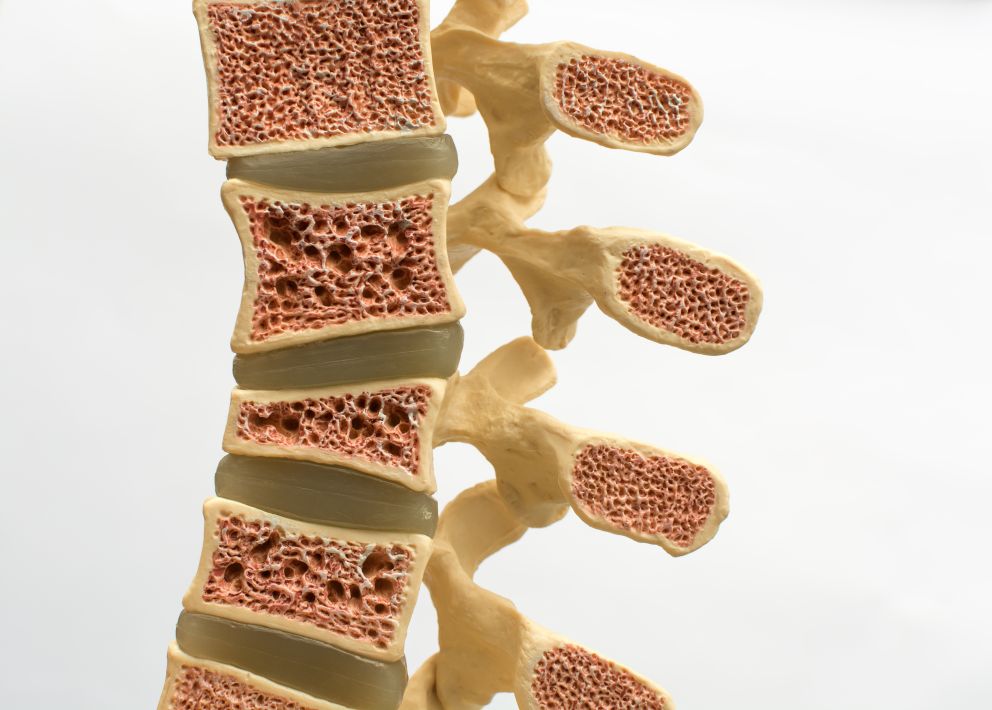
Osteopenia and osteoporosis are typically age-related skeletal issues characterized by lower-than-normal bone mineral density.
These conditions are diagnosed using a bone density test called dual-energy X-ray absorptiometry (DEXA) scan. This diagnostic test provides a T-score comparing a patient’s bone density to that of a healthy young adult at peak bone mass.
A normal T-score is -1.0 or higher. Osteopenia, with a T-score between -1.0 and -2.5, is a precursor to osteoporosis, in which bones are less dense but not fragile enough to fracture easily.
Conversely, osteoporosis, defined by a T-score of -2.5 or lower, is a more advanced condition in which bones have become brittle, porous, and prone to fractures from everyday movements or minor falls.
While prescription medications can help treat osteoporosis, preventative measures are far more effective for maintaining lifelong bone health.
Watch the video below to learn the truth about osteoporosis and osteopenia.
Signs and risk factors
Osteopenia and osteoporosis are commonly referred to as silent conditions, meaning they often don’t cause noticeable symptoms.
Many people only discover that they have osteoporosis when they suddenly break a bone while engaging in an everyday activity. However, osteoporosis may also lead to other physical changes that can indicate bone density loss.
Common signs of changes in bone density include:
- Losing one or several inches of your height
- Posture changes
- Shortness of breath
- Chronic back pain
- Muscle weakness
- Joint pain
While anyone can develop osteopenia or osteoporosis, postmenopausal women over the age of 50 are four times more likely to develop these skeletal issues than men, due to declining estrogen levels.
Those who smoke or consume excessive amounts of alcohol are also at a greater risk of reduced bone mass and associated fracture risk.
Certain medical conditions can also increase the risk of developing osteoporosis:
- Malnutrition
- Rheumatoid arthritis
- Inflammatory bowel disease (IBD)
- Kidney or liver disease
- Diabetes
- Hyperthyroidism
- Celiac disease
Certain medications can contribute to an increased bone fracture risk in later life, especially when used long-term. These include corticosteroids, certain hormone therapies for breast or prostate cancer, proton pump inhibitor use, anticoagulants, and loop diuretics.
Nutrients that support strong bones
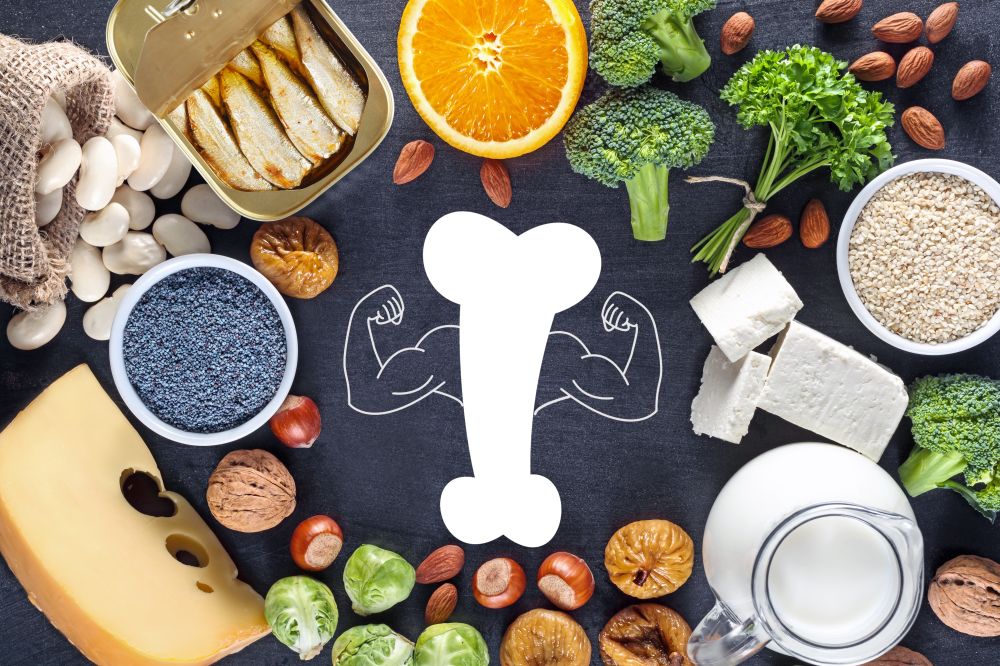
A healthy diet that offers plenty of vitamins and minerals is crucial to promoting skeletal strength and reducing the risk of broken bones and fractures.
Here are seven key nutrients that can help slow bone loss naturally.
1. Vitamin D
Vitamin D is vital for maintaining bone strength as it directly regulates and facilitates intestinal calcium absorption.
This fat-soluble vitamin also helps regulate bone remodeling, which is the process of breaking down and rebuilding bone tissue, which is vital for maintaining skeletal integrity.
A study published in the International Journal of Molecular Sciences found that “Vitamin D deficiency increases the risk of osteoporosis and several other diseases and complications characterized by impaired bone metabolism.”
In addition to regular sun exposure, foods such as fatty fish, organ meats, cod liver, egg yolks, and mushrooms are good sources of vitamin D.
2. Vitamin K2
Vitamin K2 activates proteins called osteocalcin and matrix Gla protein, which build bone and help prevent the calcification of soft tissues by moving calcium into the bones and teeth.
Consuming sufficient amounts of vitamin K2-rich foods may help increase bone mineral density and reduce osteoporosis markers.
Some of the best dietary sources of vitamin K2 include chicken, beef, egg yolks, and organic dairy products, such as cheese and grass-fed butter.
3. Phosphorus
Phosphorus is a vital trace mineral and primary component of hydroxyapatite crystals, which support bone’s hardness and rigidity, making up between 70 and 80 percent of bone tissue.
Although severe phosphorus insufficiency is rare, it can occur in those following plant-based diets or individuals with impaired kidney function, diabetes, and gastrointestinal disorders.
A study published in Nutrients found that phosphorus deficiency causes skeletal demineralization and can lead to rickets in children and osteomalacia in adults—conditions characterized by soft bones and deformities.
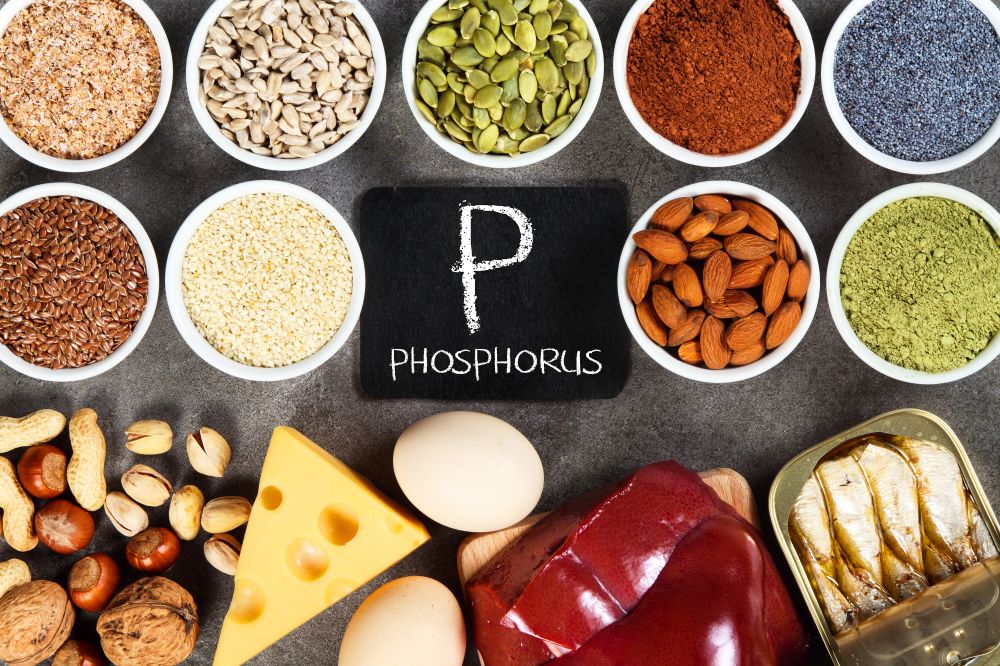
Good sources of phosphorus include meat and poultry, fish and seafood, dairy products, and nuts and seeds, such as pumpkin seeds and almonds.
4. Calcium
Calcium plays a crucial role in building and maintaining the structure and strength of bones and teeth.
However, excessive calcium, particularly from calcium supplements, may increase the risk of other conditions, such as kidney stones and vascular calcification, without improving bone composition.
“Many supplemental forms of calcium are poorly absorbed and not very effective in the body,” explains Dr. Berg.“Relying on those could lead to imbalances, ultimately impacting skeletal health.”
Instead, it’s recommended to focus on food sources and nutrients that boost calcium absorption and bone strength.
Calcium-rich foods include dairy products, such as whole milk, sugar-free yogurt, and organic cheeses. Leafy green vegetables, such as kale, collard greens, broccoli, and spinach, are also high in calcium and excellent options to support healthy bones.
5. Magnesium
Low magnesium levels contribute to osteoporosis by weakening bones at the structural and cellular level. Magnesium is essential for proper crystal formation and bone cell activity, helping maintain resilient, healthy bones.
Evidence published in Nutrients found that magnesium deficiency enlarges hydroxyapatite crystals and disrupts the balance of bone-building cells, known as osteoblasts, and bone-resorbing cells, referred to as osteoclasts, which accelerates bone loss.
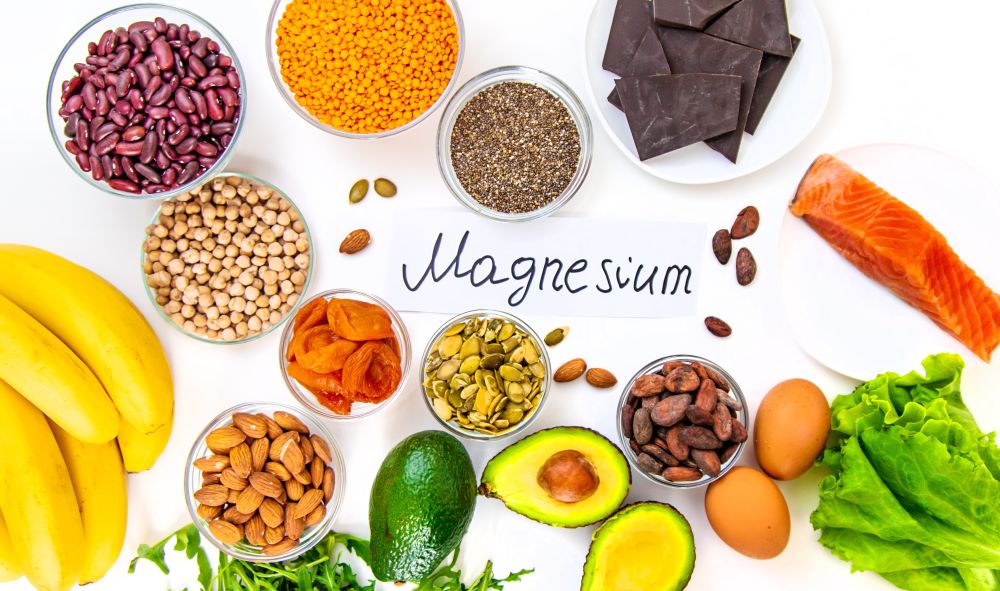
Some of the best sources of magnesium include leafy green vegetables, nuts and seeds, avocados, fatty fish, and sugar-free dark chocolate.
6. Trace minerals
Trace minerals, such as zinc, strontium, and boron, support bone formation, mineralization, and density, thereby reducing the risk of fractures and breaks.
Zinc strengthens the bone matrix and overall skeletal structure by boosting osteoblast activity and collagen synthesis.
Strontium promotes bone formation while inhibiting its resorption, helping maintain balanced bone remodeling.
Boron aids in the metabolism of calcium, magnesium, and vitamin D, ensuring these nutrients are retained and utilized effectively. It also regulates the production of steroid hormones, including estrogen and testosterone, which are crucial for maintaining bone density.
Trace-mineral-rich food sources include beef, chicken, seafood, such as oysters, avocados, almonds, pumpkin seeds, and walnuts.
7. Protein
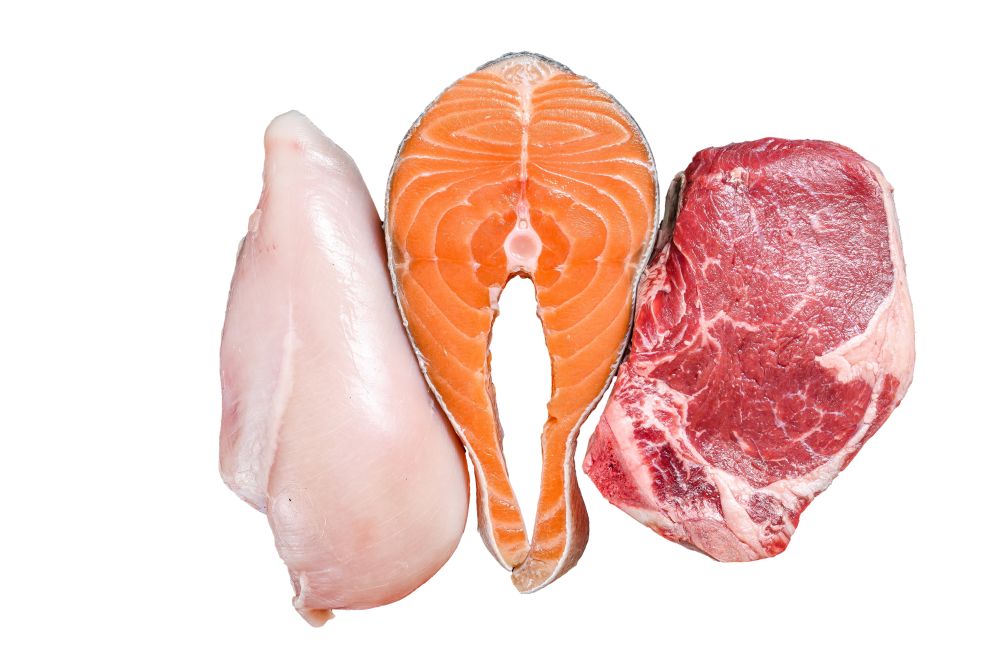
Protein makes up approximately 50 percent of bone volume and one-third of its mass, by providing the collagen matrix that gives bone its structure.
Adequate dietary protein supports bone remodeling and repair, helping reduce age-related bone loss and the risk of osteoporosis.
A study published in the Journal of the American College of Nutrition found that low protein intake is linked to an increased risk of hip fractures in older adults.
Although some plant foods provide protein, animal sources such as beef, chicken breast, pork, lamb, and venison offer highly bioavailable protein for maintaining healthy bone tissue.

Lifestyle habits that protect bone density
Resistance and weight-bearing exercises, such as hiking, strength training, and stair climbing, stimulate bone growth and support bone density. Balance exercises can also improve coordination and flexibility, reducing the risk of falls and fractures.
It’s crucial to avoid excessive alcohol consumption and smoking, which accelerate bone loss and reduce bone density by decreasing calcium absorption and inhibiting osteoblast formation.
Maintaining a healthy weight is also essential for keeping bones strong and healthy. Being underweight is linked to lower bone mass and decreased bone mineral density, and malnourished individuals are at a greater risk of fractures and accelerated bone loss.
While being overweight can lead to higher bone density due to the mechanical stress of excess weight, comorbidities, such as type 2 diabetes and chronic kidney disease (CKD), can contribute to bone loss and associated health issues.
When to talk to your doctor
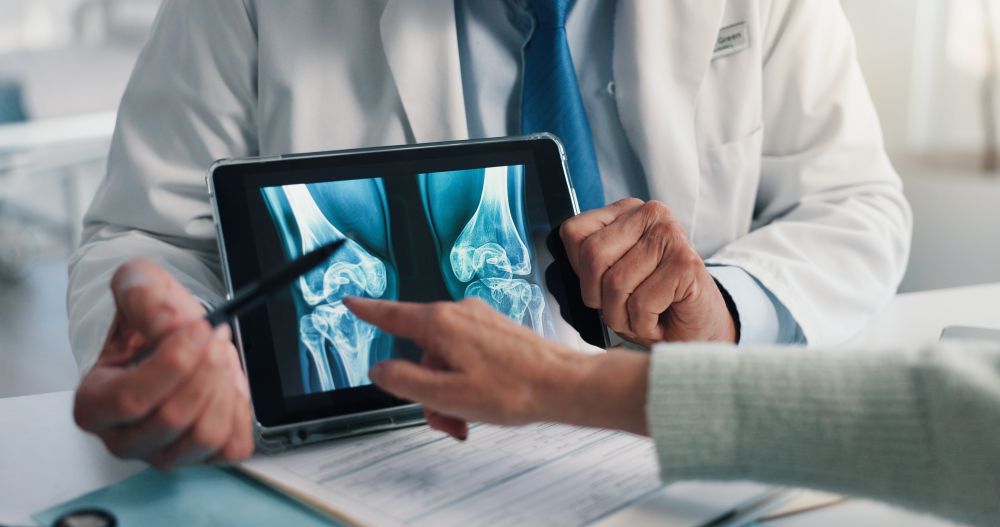
Consult your healthcare provider about osteoporosis and osteopenia if you’re over the age of 50 and have risk factors, such as early menopause, a family history of osteoporosis, low body weight, or are a smoker.
Women aged 65 or older and men over 70 should visit their doctor for regular screening, especially if they notice changes in body composition or bone health, such as a stooped posture, loss of height, or back pain.
Those in the early stages of osteopenia who want to avoid the use of osteoporosis medications should discuss alternative options to support bone health naturally.
Your doctor can provide guidance on managing osteoporosis through lifestyle modifications, including targeted exercise and dietary adjustments.
Key takeaways
- Osteoporosis and osteopenia involve a loss of bone density that weakens the skeletal structure and increases the likelihood of fractures over time.
- Supporting bone strength starts with a nutrient-rich diet that provides vitamins D and K2, calcium, magnesium, phosphorus, trace minerals, and adequate high-quality protein.
- Weight-bearing exercise, maintaining a healthy body weight, and limiting alcohol and tobacco use work together to help slow age-related bone loss and support long-term bone health.
FAQ
- 1. What is the difference between osteoporosis and osteopenia?
- 2. What is the fastest way to increase bone density?
- 3. Is exercise safe if you have low bone density?
- 4. What worsens osteopenia?
- 5. What are the best vitamins and minerals for bone health?
Sources
- De Martinis M, Allegra A, Sirufo MM, et al. Vitamin D Deficiency, Osteoporosis and Effect on Autoimmune Diseases and Hematopoiesis: A Review. Int J Mol Sci. 2021;22(16):8855. https://pmc.ncbi.nlm.nih.gov/articles/PMC8396272/
- Serna J, Bergwitz C. Importance of Dietary Phosphorus for Bone Metabolism and Healthy Aging. Nutrients. 2020;12(10):3001. https://www.mdpi.com/2072-6643/12/10/3001
- Castiglioni S, Cazzaniga A, Albisetti W, Maier JA. Magnesium and osteoporosis: current state of knowledge and future research directions. Nutrients. 2013;5(8):3022-33. https://pmc.ncbi.nlm.nih.gov/articles/PMC3775240/
- Bonjour JP. Dietary protein: an essential nutrient for bone health. J Am Coll Nutr. 2005;24(6 Suppl):526S-36S. https://pubmed.ncbi.nlm.nih.gov/16373952/
Related Articles
-
Liquid vs. Capsule Vitamin D Supplements
 Nutrients
Liquid vs. Capsule Vitamin D Supplements
At a glance Vitamin D is a fat-soluble nutrient that functions more like a hormone than a traditional vitamin by regulating calcium absorption, supporting immune function, and influencing critical cellular…05/21/2026 -
How Estrogen Levels Change During Menopause
 Health concerns
How Estrogen Levels Change During Menopause
At a glance Estrogen levels fluctuate before menopause and decline after a woman’s final period, shaping how the body functions during midlife and beyond. These changes can trigger common menopausal…03/06/2026 10.4k views -
Benefits of Colostrum for Babies and Adults
 Nutrition
Benefits of Colostrum for Babies and Adults
At a glance Colostrum is the first milk produced after birth and delivers concentrated nutrients, immune factors, and growth compounds that support a newborn’s early development. This nutrient dense milk…02/13/2026 13.3k views -
5 Best Sources of Calcium
 Nutrition
5 Best Sources of Calcium
At a glance Low calcium may contribute to issues with bone density, muscle coordination, or energy regulation, making it essential to include enough calcium-rich foods in your diet. Because nutrient…04/09/2025 19.8k views -
5 Powerful Boron Benefits
 Nutrition
5 Powerful Boron Benefits
At a glance Boron is a trace mineral obtained primarily through the consumption of plant foods. Though only small amounts are needed, maintaining adequate boron levels has been linked to…04/09/2025 39.5k views -
Bone Broth: Benefits and Nutrition
 Nutrition
Bone Broth: Benefits and Nutrition
At a glance Bone broth is made from simmering animal bones, connective tissue, and meat to extract the nutrients into the water. Drinking bone broth supports skeletal, gut, and neurological…04/09/2025 19.8k views -
High-Dose Vitamin D Benefits and Risks: What Research Reveals
 Health concerns
High-Dose Vitamin D Benefits and Risks: What Research Reveals
At a glance High-dose vitamin D can help raise low levels, especially in people with limited sun exposure or absorption challenges. While higher doses may support bone and immune health,…04/08/2025 16.8k views


