

At a glance
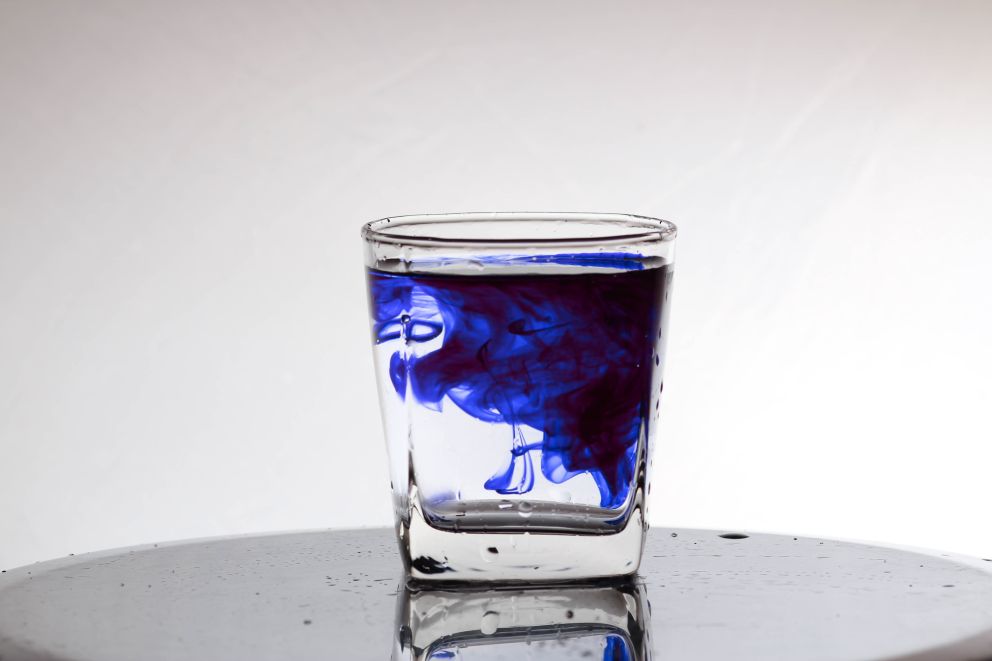
Most artificial food colors are petroleum-derived compounds that offer no nutritional benefits but have been linked to hyperactivity, allergic reactions, and other potential health concerns. Many synthetic dyes are restricted or banned in several countries, but remain permitted in the U.S.
Artificial food colors are widely used throughout the U.S. food supply to enhance the visual appeal and increase consumer attraction to everyday food products.
Although these dyes are permitted, concerns about possible health effects—particularly in young children—have driven changes in consumer habits and government policies aimed at reducing the use of artificial food colors.
Discover how to identify artificial colors on food labels and learn what to look for when seeking healthier options.
What are artificial food colors?
Artificial food dyes are synthetic chemicals used to make food products more attractive. These additives are responsible for the bright hues found in a wide array of packaged goods, including breakfast cereals, candies, baked goods, and beverages.
While primarily used in highly processed foods, the Food and Drug Administration (FDA) also permits specific artificial colors for use in whole foods. For example, the food industry may use them on orange peels or to maintain the fresh appearance of frozen fruits such as mangoes.
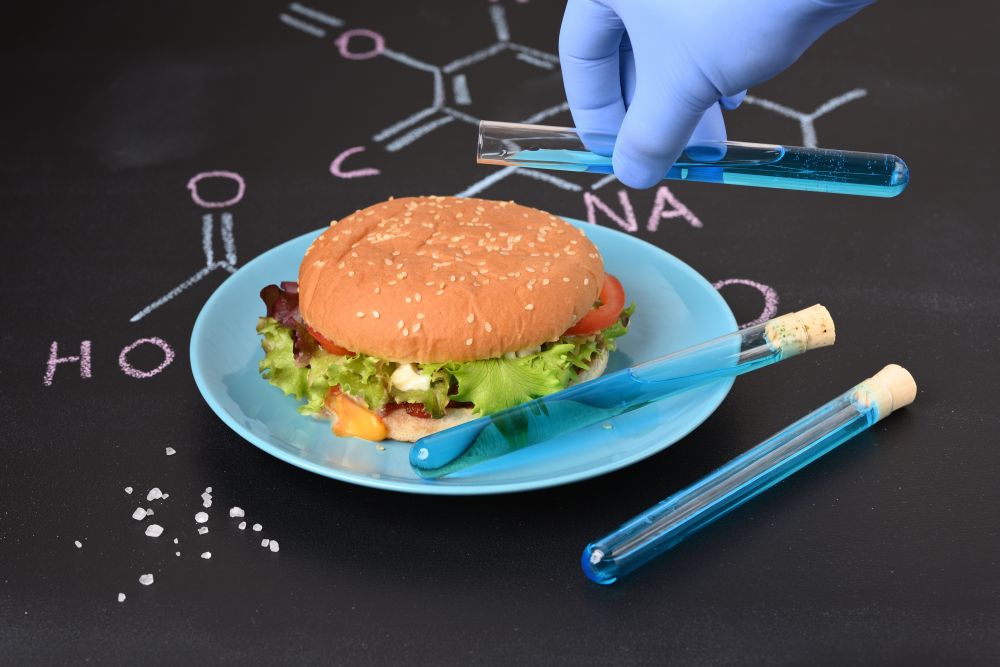
Most artificial food colors are petroleum-based and are banned in several countries due to adverse health effects. These include an increased risk of cancer development, metabolic disruptions, birth defects, organ damage, allergic reactions, and behavioral problems in children.
Although some states have banned certain color additives and adopted measures to phase out petroleum-based food dyes, many of these artificial ingredients remain in everyday food products.
Watch the video below to uncover the potential dangers of consuming synthetic color additives.
Common types of synthetic food dyes
Under the Federal Food, Drug, and Cosmetic Act (FD&C), the FDA requires synthetic dyes to undergo batch certification for safety before they’re permitted in consumer products.
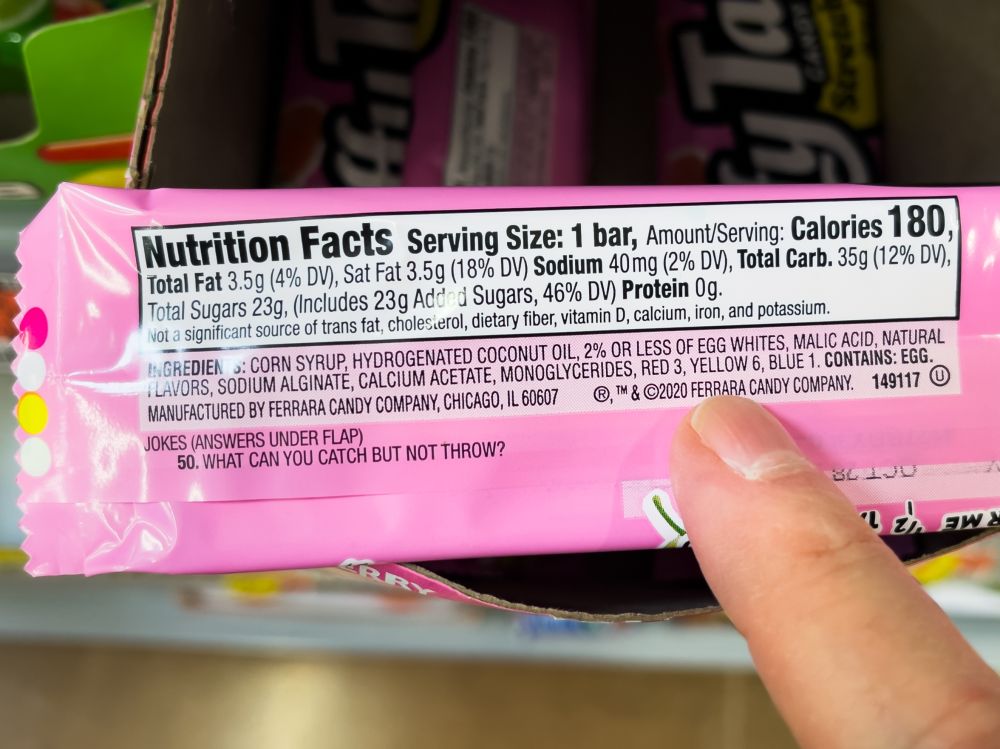
In the U.S., each approved dye has an assigned regulatory identifier, typically the color followed by a number. Food manufacturers are required to list these specific names, or their abbreviated form, on ingredient labels so consumers can easily recognize them.
However, internationally, these same colors are often listed with the name given by the original manufacturers or by their European E-number. For example, what is labeled as Red 40 in the U.S. may appear in Europe as E129 or by its common name, Allura Red AC.
Currently, there are nine synthetic dyes authorized for use in the U.S.:
- Blue No. 1: Brilliant Blue (E133)
- Blue No. 2: Indigotine (E132)
- Green No. 3: Fast Green (E143)
- Red No. 40: Allura Red (E129)
- Red No. 3: Erythrosine (E127), U.S. phase-out ends 2027
- Yellow No. 5: Tartrazine (E102)
- Yellow No. 6: Sunset Yellow (E110)
- Citrus Red No. 2: N/A (banned in EU), authorized for coloring orange peels in the U.S.
- Orange B: N/A (banned in EU), authorized for hot dog and sausage casings in the U.S.
According to Kobylewski S, Jacobson MF. Food Dyes: A Rainbow of Risks. Center for Science in the Public Interest. 2010. released by the Center for Science in the Public Interest (CSPI), three of the nine approved dyes dominate the U.S. market. Red 40, Yellow 5, and Yellow 6 together account for roughly 90 percent of all food dye use in the U.S.
Potential concerns surrounding artificial dyes
Artificial food dyes face increasing scrutiny for potential behavioral and physiological impacts, particularly among children.
A Report Links Synthetic Food Dyes to Hyperactivity and Other Neurobehavioral Effects in Children. – California Office of Environmental Health Hazard Assessment – Published April 16, 2021. published by the California Office of Environmental Health Hazard Assessment (OEHHA) concluded that children exhibit varying sensitivities to synthetic dyes, linking exposure to adverse neurobehavioral outcomes.
Further Warner JO. Artificial food additives: hazardous to long-term health? – Arch Dis Child. 2024;109(11):882-885., published in the Archives of Disease in Childhood, examined ultra-processed food additives, including azo dye food colourants (AFCs).
The study associated high intake of these foods with disturbed behavior in children, attention deficit hyperactivity disorder (ADHD), cardiometabolic disease, and chronic conditions, concluding: “Based on risk/benefit analysis, azo dye AFCs should be banned.”
Synthetic food color intake has also been linked with alterations in hormone levels, gut inflammation, dysbiosis, and allergic reactions, including hives, asthma symptoms, and tissue swelling.
Federal awareness of the potential risks associated with artificial food colors has also increased under the Make America Healthy Again (MAHA) movement.
In an FDA HHS, FDA to Phase Out Petroleum-Based Synthetic Dyes in Nation’s Food Supply. – U.S. Food and Drug Administration – Published April 22, 2025, the Health and Human Services (HHS) emphasizes that petroleum-based dyes offer no nutritional value while posing risks to child development.
Consequently, federal initiatives are now working towards phasing out petroleum-derived additives while expanding industry access to natural color alternatives.
While a ban on Red No. 3 is already in effect and major food manufacturers have pledged to remove artificial colors over the coming months, many dyes remain permitted under current regulations.
For consumers, this underscores the importance of understanding ingredient labels and recognizing synthetic dyes to help reduce exposure to artificial color additives.
How to identify artificial food colors on labels
Synthetic colorants can typically be easily identified by their designated FD&C number, common name, or E-number in ingredient lists.
Products using natural dyes will typically list naturally derived and recognizable ingredients such as beet extract, beta carotene, turmeric, or spirulina instead.
When shopping for dye-free citrus, look for labels indicating California or Arizona origin, as these states prohibit the use of artificial dyes on citrus.
Generally, choosing minimally processed foods significantly reduces the risk of consuming synthetic dyes.
Additionally, opting for United States Department of Agriculture (USDA)-certified organic products can help reduce exposure to artificial coloring, as these products prohibit the use of synthetic, petroleum-based dyes.
Natural alternatives to artificial food dyes
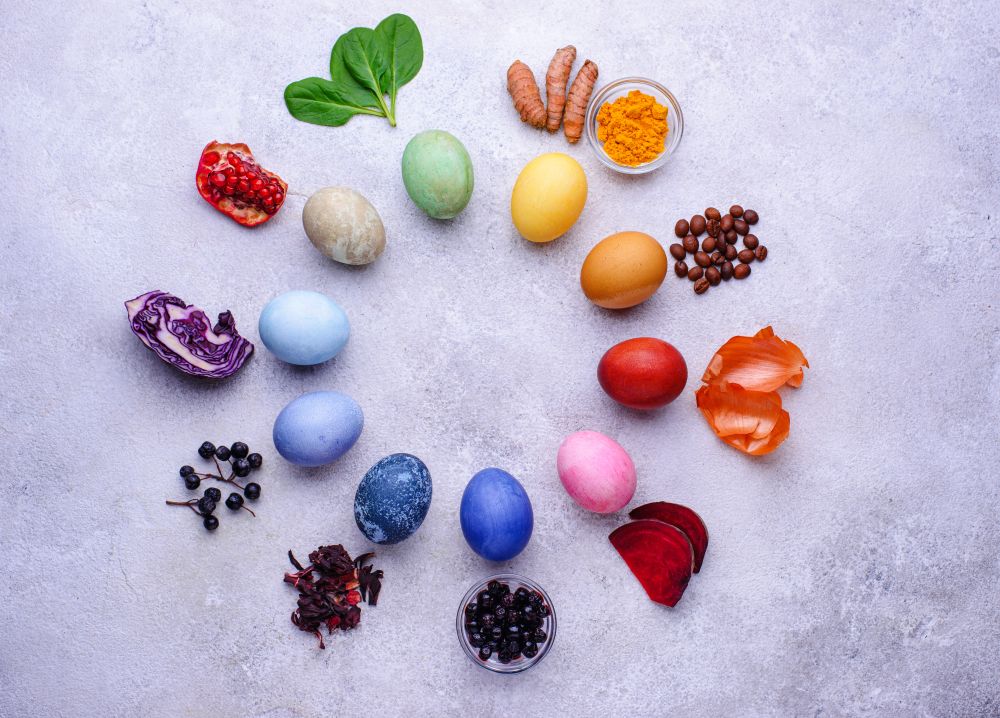
While synthetic dyes lack nutritional value and are added purely to enhance appearance, natural dyes from whole foods offer both vibrant color and measurable health-supporting properties.
“Natural pigments, including carotenoids, flavonoids, anthocyanins, chlorophyll, and betalains, are more than decorative, as they’re active molecules that help support cellular health,” explains Dr. Berg.
Many of these pigments have antioxidant properties, strengthening the body’s defenses against oxidative stress and supporting healthy mitochondrial function, inflammatory balance, and metabolic health.
Common natural coloring agents currently approved include:
- Beet powder and dehydrated beets
- Grape color extract
- Paprika
- Saffron
- Turmeric
- Tomato lycopene extract
- Vegetable juice
- Fruit juice
- Butterfly pea flower extract
- Spirulina extract
- Carrot oil
Many other natural ingredients can also color foods without being classified technically as color additives. These are often listed as primary ingredients and include options such as matcha green tea powder, coffee, chlorella, dragonfruit powder, and acai.
Related Articles
-
Are Naps Good? Benefits, Timing, and Tips
 Healthy lifestyle
Are Naps Good? Benefits, Timing, and Tips
At a glance Daytime naps provide a brief period of rest outside the main sleep schedule. Their effects vary based on duration, timing, sleep habits, and individual needs. When used…10/08/2026 -
Ashwagandha Supplements: Forms and How to Choose
 Supplements
Ashwagandha Supplements: Forms and How to Choose
At a glance Ashwagandha supplements, widely available as root powders and extracts, are often used to support emotional well-being, sleep quality, and hormonal balance. Because ashwagandha formulations vary in concentrations…04/24/2026 -
Cortisol Cravings: How Stress Can Lead to Weight Gain
 Healthy lifestyle
Cortisol Cravings: How Stress Can Lead to Weight Gain
At a glance Elevated cortisol levels, typically linked to stress, disrupt appetite signaling, which can increase the desire for processed, calorie-dense foods. Persistently high cortisol levels may also promote weight…04/24/2026 -
How Much Caffeine Is Too Much? Signs and Daily Limits
 Food and Drink
How Much Caffeine Is Too Much? Signs and Daily Limits
At a glance Caffeine is a widely consumed stimulant that can temporarily increase alertness and reduce fatigue. Its effects depend on dose, timing, and individual sensitivity. While moderate intake is…04/16/2026 -
How Estrogen Levels Change During Menopause
 Health concerns
How Estrogen Levels Change During Menopause
At a glance Estrogen levels fluctuate before menopause and decline after a woman’s final period, shaping how the body functions during midlife and beyond. These changes can trigger common menopausal…03/06/2026 10.4k views -
Top 6 Benefits of Carbonated Water
 Nutrition
Top 6 Benefits of Carbonated Water
At a glance Plain carbonated water is an excellent alternative to traditional soft drinks, which are often laden with sugar and additives. When enjoyed unsweetened, sparkling water can support hydration…01/29/2026 4.5k views -
Does Cortisol Cause Weight Gain?
 Healthy lifestyle
Does Cortisol Cause Weight Gain?
At a glance As a key stress hormone that helps regulate energy and metabolism, cortisol can cause weight gain when it remains elevated for too long. By adopting daily habits…10/16/2025 -
Prebiotics vs. Probiotics: What’s the Difference?
 Health concerns
Prebiotics vs. Probiotics: What’s the Difference?
At a glance Prebiotics are indigestible fibers that feed the beneficial bacteria in your gut, while probiotics are live microorganisms that help maintain a healthy and diverse microbiome. Consuming foods…09/25/2025 -
8 Benefits of OMAD (One Meal a Day)
 Diet
Diet8 Benefits of OMAD (One Meal a Day)
At a glance One meal a day (OMAD) is a form of intermittent fasting that involves eating within a one-hour window and fasting for the remaining 23 hours. This approach…04/09/2025 190k views -
Keto and Mood Swings – Does Keto Affect Your Mood?
 Keto
KetoKeto and Mood Swings – Does Keto Affect Your Mood?
At a glance Keto and mood swings are closely connected, particularly during the early phase of a low-carb diet. Supporting gut health and maintaining nutrient balance are key factors in…04/09/2025 6.2k views
Key takeaways
- Artificial food colors are synthetic additives used by the food industry to enhance the appearance of both whole and packaged foods.
- Most artificial colors are petroleum-derived and provide no nutritional value but may be linked to hyperactivity, metabolic imbalances, and chronic diseases.
- Nine artificial dyes are currently approved in the U.S. for food, with Red No. 40, Yellow No. 5, and No. 6 accounting for approximately 90 percent of all use.
- Natural colors from whole foods, such as turmeric, spirulina, and beets, provide color while containing biologically active compounds that support normal cellular function.
FAQ
- 1. Should artificial food colors be avoided?
- 2. What are the most common artificial dyes?
- 3. Are natural food colors better for you?
- 4. How can I avoid artificial food dyes?
Sources
- Kobylewski S, Jacobson MF. Food Dyes: A Rainbow of Risks. Center for Science in the Public Interest. 2010.
- Report Links Synthetic Food Dyes to Hyperactivity and Other Neurobehavioral Effects in Children. – California Office of Environmental Health Hazard Assessment – Published April 16, 2021.
- Warner JO. Artificial food additives: hazardous to long-term health? – Arch Dis Child. 2024;109(11):882-885.
- HHS, FDA to Phase Out Petroleum-Based Synthetic Dyes in Nation’s Food Supply. – U.S. Food and Drug Administration – Published April 22, 2025.
Related Articles
-
Are Naps Good? Benefits, Timing, and Tips
Healthy lifestyle
Are Naps Good? Benefits, Timing, and Tips
At a glance Daytime naps provide a brief period of rest outside the main sleep schedule. Their effects vary based on duration, timing, sleep habits, and individual needs. When used…10/08/2026 -
Ashwagandha Supplements: Forms and How to Choose
Supplements
Ashwagandha Supplements: Forms and How to Choose
At a glance Ashwagandha supplements, widely available as root powders and extracts, are often used to support emotional well-being, sleep quality, and hormonal balance. Because ashwagandha formulations vary in concentrations…04/24/2026 -
Cortisol Cravings: How Stress Can Lead to Weight Gain
Healthy lifestyle
Cortisol Cravings: How Stress Can Lead to Weight Gain
At a glance Elevated cortisol levels, typically linked to stress, disrupt appetite signaling, which can increase the desire for processed, calorie-dense foods. Persistently high cortisol levels may also promote weight…04/24/2026 -
How Much Caffeine Is Too Much? Signs and Daily Limits
Food and Drink
How Much Caffeine Is Too Much? Signs and Daily Limits
At a glance Caffeine is a widely consumed stimulant that can temporarily increase alertness and reduce fatigue. Its effects depend on dose, timing, and individual sensitivity. While moderate intake is…04/16/2026 -
How Estrogen Levels Change During Menopause
Health concerns
How Estrogen Levels Change During Menopause
At a glance Estrogen levels fluctuate before menopause and decline after a woman’s final period, shaping how the body functions during midlife and beyond. These changes can trigger common menopausal…03/06/2026 10.4k views -
Top 6 Benefits of Carbonated Water
Nutrition
Top 6 Benefits of Carbonated Water
At a glance Plain carbonated water is an excellent alternative to traditional soft drinks, which are often laden with sugar and additives. When enjoyed unsweetened, sparkling water can support hydration…01/29/2026 4.5k views -
Does Cortisol Cause Weight Gain?
Healthy lifestyle
Does Cortisol Cause Weight Gain?
At a glance As a key stress hormone that helps regulate energy and metabolism, cortisol can cause weight gain when it remains elevated for too long. By adopting daily habits…10/16/2025 -
Prebiotics vs. Probiotics: What’s the Difference?
Health concerns
Prebiotics vs. Probiotics: What’s the Difference?
At a glance Prebiotics are indigestible fibers that feed the beneficial bacteria in your gut, while probiotics are live microorganisms that help maintain a healthy and diverse microbiome. Consuming foods…09/25/2025 -
8 Benefits of OMAD (One Meal a Day)
Diet
8 Benefits of OMAD (One Meal a Day)
At a glance One meal a day (OMAD) is a form of intermittent fasting that involves eating within a one-hour window and fasting for the remaining 23 hours. This approach…04/09/2025 190k views -
Keto and Mood Swings – Does Keto Affect Your Mood?
Keto
Keto and Mood Swings – Does Keto Affect Your Mood?
At a glance Keto and mood swings are closely connected, particularly during the early phase of a low-carb diet. Supporting gut health and maintaining nutrient balance are key factors in…04/09/2025 6.2k views


