

At a glance
Mustard is a low-calorie condiment made from nutrient-dense seeds that contain health-promoting compounds. As a member of the cruciferous vegetable family, mustard is a rich source of glucosinolates and isothiocyanates that support digestive health, help modulate inflammation, and may reduce exposure to harmful compounds formed during high-heat cooking.
Mustard is a popular condiment made from the seeds of the mustard plant. Not only does mustard add a tangy and aromatic flavor to a variety of dishes, but it’s also a rich source of health-promoting nutrients.
Let’s explore four unique benefits of mustard and discover how to incorporate it into a nutrient-focused diet.
Is mustard good for you?
The seeds of the mustard plant are incredibly nutritious, and consuming mustard as part of a healthy diet can offer various health benefits.
There are many mustard varieties, each with its distinct flavor and characteristic:
- Dijon mustard—made from black or brown mustard seeds
- Yellow mustard—prepared using yellow mustard seeds
- Wholegrain mustard—a combination of brown and black mustard seeds and vinegar
Compared to many other condiments, mustard is low in calories and an excellent alternative to sugar-laden relishes and dressings such as ketchup, barbecue sauce, or hoisin sauce.
Mustard plants are classified as cruciferous vegetables, making them close relatives to other health-promoting vegetables such as Brussels sprouts, broccoli, and cabbage.
“Mustard seeds are rich sources of glucosinolates, a group of sulfur-containing compounds with potent anti-inflammatory effects, wound healing properties, and potential cancer-preventative benefits,” explains Dr. Berg.
Watch the video below to discover why you should regularly consume mustard.
4 benefits of mustard
Mustard seeds have a longstanding use in traditional medicine as a natural remedy for gut inflammation, high blood pressure, and pain relief.
Here are four benefits of mustard seeds.
1. Nutritional powerhouses
Mustard is a rich source of essential vitamins and minerals, and research published in Plants summarizes, “Mustard seeds contain compounds widely known for their health benefits that include reducing inflammation and lowering the risk of cardiovascular diseases and cancer.”
Mustard seeds are packed with various essential nutrients, including:
- Vitamin B6
- Vitamin C
- Folate
- Selenium
- Magnesium
- Calcium
- Manganese
- Iron
- Zinc
- Omega-3 fatty acids
In addition, mustard seeds contain other beneficial plant compounds, such as isothiocyanates, which strengthen the body’s antioxidant defenses and may help lower the risk of cancer, heart disease, and neurodegenerative disorders.
2. Help balance inflammation
Mustard plants offer an abundance of anti-inflammatory nutrients, including selenium, omega-3 fatty acids, glucosinolates, and isothiocyanates.
Consuming mustard seeds can help reduce inflammation, a common factor in many chronic diseases, including arthritis, diabetes, and cardiovascular disease.

3. Promote digestive health
Mustard seeds are a good source of dietary fiber, which promotes regular bowel movements, helps prevent constipation, and supports a diverse gut microbiome.
Mustard’s mild acidity stimulates the release of digestive enzymes, aiding the breakdown of food and overall digestive processes.
In addition, a study published in Human and Experimental Toxicology found that mustard seed’s anti-inflammatory and antioxidant effects can protect intestinal cells from DNA damage linked to a reduced risk of stomach cancer.
4. Helps reduce toxins generated by cooking
Isothiocyanates in mustard seeds may help reduce potentially harmful compounds generated when cooking meat at high temperatures.
Grilling, frying, or broiling meat can lead to the formation of heterocyclic amines (HCAs) and polycyclic aromatic hydrocarbons (PAHs), which are associated with an increased risk of cancer.
Evidence published in Cellular and Molecular Life Sciences suggests that using mustard as a marinade or coating can help minimize HCA and PAH concentrations.

What is the healthiest type of mustard?
Although mustard is a low-calorie condiment with various impressive health benefits, certain types of mustard are made with genetically modified (GMO) mustard seeds and contain added sugars, harmful seed oils, preservatives, monosodium glutamate, or artificial colorings.
These ingredients are associated with various potential health risks, including intestinal inflammation, food sensitivities, high blood pressure, hormonal imbalances, weight gain, and poor liver function.
To benefit from mustard’s health-promoting properties while minimizing exposure to potentially harmful additives, it’s recommended to opt for minimally processed mustard products made with natural ingredients.
Look for organic, non-GMO stone-ground mustard made with simple ingredients, including mustard seeds, vinegar, sea salt, and water.
It’s best to avoid mustard in squeeze bottles, as these products are often highly processed and contain added sugars, hydrogenated oils, and other non-nutritious ingredients.

How to use mustard
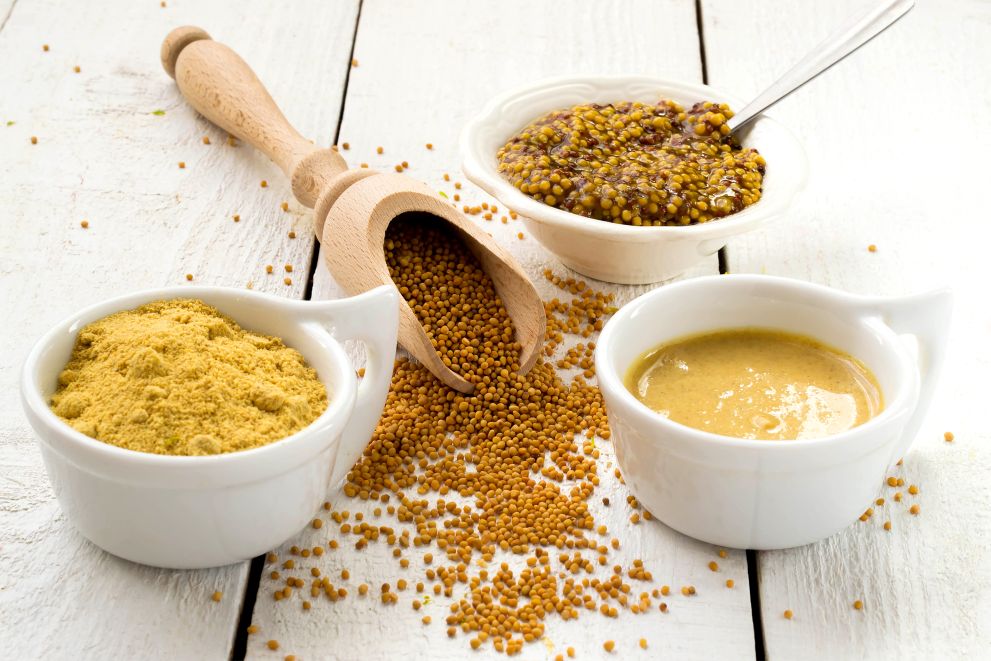
Mustard is a versatile condiment that has been used for centuries to add a spicy taste to a wide range of dishes and is available in various forms to suit different culinary applications.
Here are popular forms of mustard:
- Mustard seeds
- Mustard powder
- Mustard oil
- Mustard extracts
- Mustard paste
Mustard is an ideal ingredient for salad dressings, adding a delightful aromatic flavor to green leafy salads when combined with apple cider vinegar, minced garlic, sea salt, and pepper.
Mustard has traditionally been used throughout the Mediterranean region to marinate and season meats and fish, and many Asian dishes utilize spicy mustard to create rich sauces with a sharp taste.
Pure mustard is low in carbs and on the keto food list, making it an excellent alternative to sugary sauces and condiments such as honey mustard, sweet chili sauce, and teriyaki sauces.
Mustard pairs well with a wide range of ingredients and meats, making it a flavorful addition to dishes such as Keto Seared Salmon with Dijon Herb Butter and Keto Dijon Chicken Breast.
White mustard seeds are frequently included in pickling recipes to add flavor and texture to pickled vegetables and relishes.

Possible side effects
Although eating mustard seeds is generally considered safe, excessive consumption of mustard seeds, especially when eaten raw, can trigger gastrointestinal issues such as heartburn, indigestion, and abdominal pain in sensitive individuals.
While mustard allergies are relatively uncommon, people sensitive to cruciferous vegetables may be at increased risk of allergic reactions. They should seek immediate medical attention if they develop symptoms such as hives, rashes, or difficulty breathing after consuming mustard.
Key takeaways
- Mustard seeds are rich in vitamins, minerals, omega-3 fatty acids, and bioactive compounds such as glucosinolates and isothiocyanates.
- These compounds help support normal inflammatory balance and antioxidant defenses linked to better cardiovascular and digestive health.
- Mustard’s fiber content and mild acidity support digestion by promoting enzyme activity and regular bowel function.
- Using mustard as a marinade may help reduce potentially harmful compounds formed when cooking meat at high temperatures.
- Opting for organic, minimally processed mustard without added sugars or preservatives preserves its nutritional value.
FAQ
- 1. What are the top benefits of mustard?
- 2. Why is mustard good for your stomach?
- 3. How much mustard should I have each day?
- 4. Does mustard contain turmeric?
- 5. What are the side effects of too much mustard?
Sources
- Das G, Tantengco OAG, Tundis R, et al. Glucosinolates and Omega-3 Fatty Acids from Mustard Seeds: Phytochemistry and Pharmacology. Plants (Basel). 2022;11(17):2290. https://pmc.ncbi.nlm.nih.gov/articles/PMC9459965/
- Dhiman M, Mendiz E, Rao AR, Kale RK. Chemopreventive effects of mustard (Brassica compestris) on chemically induced tumorigenesis in murine forestomach and uterine cervix. Hum Exp Toxicol. 2005;24(6):303-12. https://pubmed.ncbi.nlm.nih.gov/16004197/
- Juge N, Mithen RF, Traka M. Molecular basis for chemoprevention by sulforaphane: a comprehensive review. Cell. Mol. Life Sci. 2007;64(9):1105-1127. https://link.springer.com/article/10.1007/s00018-007-6484-5?error=cookies_not_supported&code=8708adbc-998f-4549-a8de-e833756bc9a5
Related Articles
-
Folic Acid vs. Folate: What’s the Difference?
 Nutrition
Folic Acid vs. Folate: What’s the Difference?
At a glance Folic acid and folate are two forms of vitamin B9 that differ in how the body absorbs and uses them. Folic acid is a synthetic form added…03/12/2026 2.3k views -
3 Incredible Health Benefits of Paprika
 Natural remedies
3 Incredible Health Benefits of Paprika
At a glance Paprika is a vibrant red spice derived from dried peppers that supports eye health, strengthens the immune system, and helps lower inflammation. In addition to its impressive…01/30/2026 9.5k views -
5 Amazing Lemon Peel Benefits
 Natural remedies
5 Amazing Lemon Peel Benefits
At a glance Lemon peel is a concentrated source of vitamins, minerals, and bioflavonoids that support liver, metabolic, and cardiovascular health. Because it's rich in compounds such as eriocitrin and…01/29/2026 54.9k views -
7 Incredible Dandelion Root Benefits
 Natural remedies
7 Incredible Dandelion Root Benefits
At a glance Despite being a weed, the roots of dandelions are a nutrient-rich herbal remedy with a long history of use in traditional medicine. Packed with vitamins, minerals, and…01/22/2026 28.5k views -
3 Unique Benefits of Rosemary
 Nutrition
3 Unique Benefits of Rosemary
At a glance Rosemary is a fragrant, nutrient-rich herb with potent antioxidant and anti-inflammatory compounds such as rosmarinic acid and carnosic acid. It supports cognitive function, helps relieve pain, and…01/22/2026 4.5k views -
9 Incredible Health Benefits of Cucumber
 Food and Drink
9 Incredible Health Benefits of Cucumber
At a glance Cucumbers are low-calorie, nutrient-rich vegetables that support hydration and overall health. Packed with vitamins, minerals, antioxidants, and fiber, they promote digestive health, healthy blood sugar, and glowing…01/15/2026 8.9k views -
Does Chocolate Have Caffeine?
 Food and Drink
Does Chocolate Have Caffeine?
At a glance Chocolate has varying amounts of caffeine, depending on how many cocoa solids it contains. Dark chocolate has the highest caffeine content, while milk chocolate contains much less,…01/08/2026 4.5k views -
Cilantro Benefits – 8 Reasons to Eat More Cilantro
 Health concerns
Cilantro Benefits – 8 Reasons to Eat More Cilantro
At a glance Cilantro is an aromatic herb rich in antioxidants, vitamins, and bioactive compounds that have been found to support multiple aspects of health. Regularly consuming cilantro may help…01/08/2026 5.6k views -
5 Amazing Health Benefits of Ginger
 Health concerns
5 Amazing Health Benefits of Ginger
At a glance Ginger is a nutrient-dense spice rich in potent phenolic compounds that support inflammation control, digestive comfort, and immune resilience. Incorporating ginger into your meals can also ease…12/18/2025 7.1k views -
Wormwood Benefits, Uses, and Side Effects
 Natural remedies
Wormwood Benefits, Uses, and Side Effects
At a glance Wormwood is a bitter medicinal herb traditionally used to support digestion, gallbladder function, and skin healing through its bioactive plant compounds. It also plays a role in…12/11/2025 6.3k views


