


At a glance
What is betaine HCl? This supplement combines betaine and hydrochloric acid to help support healthy stomach acidity and promote digestive comfort. By enhancing nutrient absorption and overall gut functions, betaine HCl supports efficient digestion and helps the body break down and absorb proteins and fats more effectively.
What Is betaine HCl? Betaine hydrochloride (HCl) is a popular supplement that has sparked interest for its ability to enhance digestive health and nutrient absorption.
Discover how betaine HCl promotes optimal digestion and learn how to use this natural compound to transform your gut health.
What is betaine HCl?
Betaine HCl is a supplement combining betaine with hydrochloric acid.
First discovered in beets, betaine serves as one of the body’s critical methyl donors and has been identified to play a crucial role in the methylation cycle.
This cycle is critical to maintaining several important functions, such as regulating gene and hormone expression, triggering neurotransmitter release, and aiding detoxification.
HCl is a vital digestive acid in the stomach essential for protein breakdown and nutrient absorption while helping prevent potentially harmful microbes from entering the body.
Combined, these substances work as a synergistic blend that supports the breakdown and absorption of nutrients and promotes a healthy gut microbiome.
Watch the video below to learn how to support digestive processes with betaine HCl.
What Is Betaine HCL?
What Is Betaine HCL?
Benefits of betaine hydrochloride
A growing body of research investigating the health benefits of betaine HCl confirms its significant role in enhancing digestive functions.
Here are three impressive health benefits of betaine HCl.
1. Promotes digestion
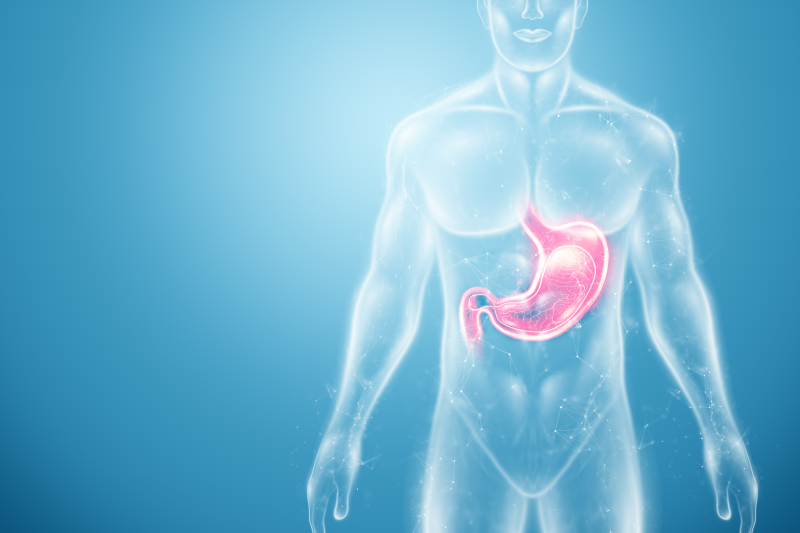
Proper stomach acidity levels are crucial for breaking down and absorbing food effectively.
Betaine HCl helps maintain the stomach’s pH levels between 1.5 and 3.5, which can speed up digestion by triggering the production of digestive enzymes that break down nutrients, including protein, carbohydrates, and fat.
This enhanced enzymatic activity helps mitigate uncomfortable side effects of low stomach acid, such as bloating, gas, difficulties digesting protein, constipation, and acid reflux.
According to research published in Integrative Medicine, when combined with a functional nutrition plan, betaine HCl supplements were effective in providing significant relief from gastrointestinal symptoms in individuals with low stomach acid (hypochlorhydria) induced by proton pump inhibitors, irritable bowel syndrome (IBS), or gastroesophageal reflux disease (GERD).
2. May enhance nutrient absorption
Betaine HCl can significantly enhance the stomach’s acidity, which plays a crucial role in breaking down and absorbing vital nutrients such as vitamin B12, minerals, trace minerals, and proteins.
A common cause of reduced stomach acid production is the regular use of nonsteroidal anti-inflammatory drugs (NSAIDs).
NSAIDs are commonly used for pain relief and inflammation but can contribute to reduced gastric acid secretion when used over long periods.
Lack of adequate stomach acid can hinder the body’s ability to absorb certain medications and nutrients, potentially diminishing drug efficacy and increasing the risk of nutritional deficiencies.
Research published in Integrative Medicine indicates that using betaine HCl as a dietary supplement can be effective in enhancing the absorption of prescription drugs and nutrients for individuals with hypochlorhydria.
3. Supports immune system function
“One of the primary functions of HCl in the stomach is to prevent harmful pathogens and microbes from entering into the small intestine,” explains Dr. Berg.
By improving stomach acidity, betaine HCl can strengthen the body’s first line of defense against ingested pathogens and help prevent the overgrowth of potentially harmful bacteria in the gut.
This makes betaine HCl particularly beneficial for individuals experiencing small intestinal bacterial overgrowth (SIBO), as it aids in maintaining a balanced gut microbiome.
In essence, betaine HCl not only enhances digestive health through improved nutrient breakdown and absorption but also plays a critical role in immune system support by maintaining a hostile environment that defends against microbial imbalances in the gut.
How to use betaine HCl
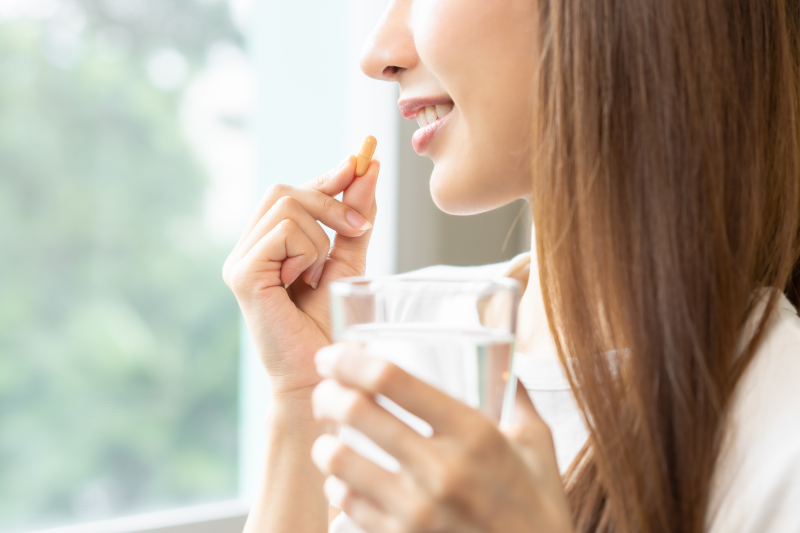
Betaine HCl is a valuable dietary supplement designed to enhance stomach acid production and facilitate digestive processes when taken around meal times.
Here’s how to properly integrate a betaine HCl supplement into your mealtime routine.
Start with a lower dose
Start with a low dose to evaluate your body’s response. While there is no established daily betaine HCl intake value, it’s recommended to start with taking one capsule containing between 350 and 750 milligrams of betaine HCl.
Over time, the dose can be gradually increased. However, it’s crucial to carefully follow the intake recommendation of the betaine HCl supplement you plan to use.
Take with meals
It’s best to take betaine HCl at the beginning or during your meal. This timing is critical as it allows the supplement to mix with food, mimicking natural stomach acid release patterns for optimal digestion.
Avoid chewing betaine HCl supplements
HCl is highly acidic, and chewing betaine HCl capsules can prematurely release HCl into areas of the body that are not meant to tolerate high acidity levels, such as the mouth and esophagus.
To avoid potential tissue damage, tooth enamel erosion, and gum irritation, betaine HCl should always be swallowed whole with water.
Choose the right betaine supplement
It’s important to note that individuals often confuse betaine hydrochloride with betaine anhydrous. Understanding this distinction is crucial, as their effects and potential risks differ significantly.
Betaine HCl is used explicitly to increase stomach acidity and improve digestion, while betaine anhydrous is often taken to support cellular hydration and methylation processes.
Confusing these two forms of betaine could lead to improper use, diminishing the intended health benefits or potentially causing adverse effects.

Possible risks and side effects
While further scientific evidence is needed regarding the long-term impacts and efficacy of betaine HCl supplementation, it’s generally recognized as safe.
However, certain groups should err on the side of caution and refrain from using betaine HCl to minimize the risk of side effects.
The increased acidity in the stomach due to betaine HCl can irritate stomach ulcers, particularly in individuals with peptic ulcer disease or atrophic gastritis.
Additionally, the safety of betaine HCl during pregnancy and lactation remains unclear, and it’s recommended that pregnant or breastfeeding mothers avoid taking betaine HCl.
It’s crucial to consult a healthcare provider before starting betaine HCl, especially for individuals with a history of gastrointestinal issues or those who are taking medications that could interact with betaine HCl supplementation.
Key takeaways
- Betaine HCl supports optimal stomach acidity, which promotes efficient digestion and nutrient absorption.
- Taking betaine HCl can help promote digestive comfort and support the absorption of essential nutrients, including vitamin B12, protein, iron, and magnesium.
- Betaine HCl should be taken with meals to support natural digestive processes and minimize the risk of side effects.
- Individuals with ulcers, gastritis, or who are pregnant should avoid betaine HCl unless advised by a healthcare professional.
FAQ
- What is betaine HCl?
- What are the top benefits of betaine hydrochloride?
- How do I know if I need betaine HCl?
- What are the side effects of betaine hydrochloride?
- What foods contain betaine HCl?
- How do I use betaine hydrochloride?
Sources
- Kines K, Krupczak T. Nutritional Interventions for Gastroesophageal Reflux, Irritable Bowel Syndrome, and Hypochlorhydria: A Case Report. Integr Med (Encinitas). 2016;15(4):49-53. https://pmc.ncbi.nlm.nih.gov/articles/PMC4991651/
- Guilliams TG, Drake LE. Meal-Time Supplementation with Betaine HCl for Functional Hypochlorhydria: What is the Evidence?. Integr Med (Encinitas). 2020;19(1):32-36. https://pmc.ncbi.nlm.nih.gov/articles/PMC7238915/
Related Articles
-
Food Intolerance Symptoms and How to Identify Patterns
 Digestive health
Food Intolerance Symptoms and How to Identify Patterns
At a glance Food intolerance symptoms can be difficult to connect to a particular food because they don’t always happen immediately after eating. Reactions may depend on portion size, food…07/30/2026 -
Sugar Alcohols: What They Are and How They Affect Digestion
 Food and Drink
Sugar Alcohols: What They Are and How They Affect Digestion
At a glance Sugar alcohols are low-calorie sweeteners commonly used in sugar-free foods, chewing gum, desserts, and other processed foods. Unlike regular sugar, many sugar alcohols are not fully absorbed…05/21/2026 -
Food Preservatives: Types, Safety, and Health Effects
 Nutrition
Food Preservatives: Types, Safety, and Health Effects
At a glance Food preservatives are common additives in packaged and processed food products that help extend shelf life and prevent spoilage. While some preservatives are derived from natural sources…04/03/2026 -
6 Natural Remedies for H. Pylori
 Health concerns
6 Natural Remedies for H. Pylori
At a glance Helicobacter pylori (H. pylori) is a common pathogen that infects the stomach and increases the risk of ulcers and other gastrointestinal symptoms. While conventional treatment relies on…03/19/2026 24.6k views -
How to Kill Parasites: 7 Natural Tips
 Health concerns
How to Kill Parasites: 7 Natural Tips
At a glance Parasitic infections occur when worms or protozoa colonize the body, often through exposure to contaminated pets, food, or water. These organisms can interfere with digestion and other…03/13/2026 15.1k views -
Natural Flavors vs. Artificial Flavors
 Nutrition
Natural Flavors vs. Artificial Flavors
At a glance Both natural and artificial flavors are widely used in everyday food products to enhance their taste and aroma. It’s generally known that artificial flavoring substances are linked…03/12/2026 -
What Causes Pale Colored Stool?
 Health concerns
What Causes Pale Colored Stool?
At a glance Pale-colored stool can be linked to low bile flow, low-fat diets, alcohol use, infections, or underlying liver, gallbladder, or pancreatic issues. Supporting gallbladder function through a nutritious…02/26/2026 14.9k views -
3 Benefits of Oral Probiotics–And How To Use Them
 Digestive health
3 Benefits of Oral Probiotics–And How To Use Them
At a glance Oral probiotics are beneficial microbes that help maintain a balanced environment in the mouth, promoting strong teeth, healthy gums, and fresher breath. Supporting a diverse oral microbiome…02/20/2026 6.3k views -
What Is the Top Cause of Rosacea?
 Health concerns
What Is the Top Cause of Rosacea?
At a glance Rosacea is a chronic skin condition marked by facial redness and discomfort. The cause of rosacea extends beyond the skin, with growing research highlighting the connection between…02/20/2026 8.1k views -
Carnivore Diet: Weight Loss Tips, Benefits, and Risks
 Diet
DietCarnivore Diet: Weight Loss Tips, Benefits, and Risks
At a glance The carnivore diet relies solely on animal-based foods, eliminating all plants and carbohydrate sources. This shift can support weight regulation, stabilize blood sugar levels, and help lower…02/20/2026 5.3k views


