


At a glance
Food intolerance symptoms can be difficult to connect to a particular food because they don’t always happen immediately after eating. Reactions may depend on portion size, food combinations, digestive capacity, stress, and overall gut health. Recognizing these patterns can help identify which foods may be contributing to recurring symptoms.
Food intolerance symptoms can occur when the body has difficulty digesting or processing certain foods, ingredients, or food components. These reactions often affect the digestive tract, but they may also contribute to brain fog, fatigue, headaches, or general discomfort after eating.
Discover common food intolerance symptoms, why they can be difficult to trace, and how to identify patterns that may point to specific food triggers.
What is food intolerance?
Food intolerance occurs when the body has difficulty digesting or processing a particular food, ingredient, or food component. This can happen when the digestive system lacks the enzyme needed to break down a substance, such as lactase for lactose, or when certain carbohydrates ferment in the digestive tract.
Unlike a food allergy, which involves the immune system, food intolerance typically affects digestion and is generally not life-threatening. However, it can still trigger uncomfortable symptoms, especially when the triggering food is eaten regularly.
Food intolerance is sometimes referred to as food sensitivity, though these terms may be used differently depending on the context. In general, both describe food-related reactions that don’t follow the same immune pathways as food allergies.
One of the most common examples is lactose intolerance, which occurs when the small intestine doesn’t make enough lactase, the enzyme needed to digest milk sugar.
A review published in Gut found that lactose intolerance is defined by abdominal symptoms such as pain, bloating, and diarrhea after lactose ingestion in individuals with lactose malabsorption.
Because food-related reactions can involve digestion, immune activity, or both, symptoms may not always point clearly to one cause. This underscores the importance of distinguishing between food intolerance, food allergies, and digestive issues when identifying possible patterns.
Watch the video below to learn about food allergies and digestive issues.
Food intolerance vs. food allergy
Food intolerances and food allergies can both cause symptoms after being triggered, but they each involve different bodily systems. This distinction matters because food allergies affect the immune system, while intolerances are usually related to digestion.
A food allergy involves an immune reaction to a specific food protein. Food allergies can trigger allergy symptoms such as hives, swelling, wheezing, vomiting, or trouble breathing. In severe cases, an allergic reaction can be life-threatening.
Food intolerance is typically linked to difficulty digesting or processing certain foods, as seen with lactose intolerance.
A review published in Nutrients explains that adverse food reactions can involve several mechanisms, including immune-mediated food allergies and non-immune food intolerances.
The authors state, “The public perception of a blurred line between allergy and intolerance carries the costly risk of inappropriate approach of their proper identification and subsequent dietary management.”
As food intolerance and food allergy reactions can cause similar digestive or systemic symptoms, the underlying cause isn’t always obvious from symptoms alone. Determining whether you have a food intolerance or allergy is key to proper management.
Common food intolerance symptoms
Food intolerance symptoms are often digestive, but they can also affect energy, focus, and overall comfort.
Symptoms may appear within a few hours after food is eaten, though some reactions can feel delayed or inconsistent.
Common signs of food intolerance include:
- Bloating
- Gas
- Stomach pain or cramping
- Diarrhea
- Nausea
- Reflux or indigestion
- General digestive discomfort after meals
- Brain fog
- Fatigue
- Headaches
- Joint pain
- Changes in bowel habits
These symptoms can also overlap with other digestive issues, making patterns more important than isolated reactions.
How to identify patterns
Identifying food intolerance patterns requires looking at repeated reactions rather than one isolated episode. For most people, symptoms can vary depending on timing, portion size, food combinations, and overall digestive health.
Here are five steps to help identify possible food intolerance patterns.
1. Keep a food diary
A food diary can help connect symptoms with the food eaten, timing, portion size, and surrounding factors. Track meals, snacks, beverages, symptoms, bowel habits, stress levels, sleep quality, and any over-the-counter medicines taken.
This helps separate repeated food-related patterns from random digestive changes. For example, symptoms after dairy products on multiple occasions may point toward lactose intolerance, while symptoms after wheat, onions, garlic, or certain vegetables may suggest sensitivity to fermentable carbohydrates.
A food diary is also helpful for healthcare providers because it gives a clearer patient history.
2. Track symptom timing
Timing can help reveal whether symptoms tend to appear after a specific food, meal, or food combination. Food intolerance symptoms may occur within a few hours, but they can also be delayed or inconsistent.
Lactose intolerance symptoms typically develop within 30 minutes to 2 hours after consuming milk or dairy products. However, other intolerances may be harder to trace, especially when meals contain several possible triggers.
Recording symptoms for a few weeks can make recurring timing patterns more visible.
3. Look for common trigger foods
Trigger foods vary from person to person. A food that causes symptoms in one individual may be tolerated by another, especially in small amounts.
Common trigger foods and food components include:
- Dairy products and lactose
- Wheat and gluten-containing foods, especially for those with gluten sensitivity
- High-FODMAP foods, including onions, garlic, cabbage, asparagus, and some mushrooms
- Certain fruits and fructose-containing foods
- Sugar alcohols and artificial sweeteners
- Aged cheese and fermented foods
- Monosodium glutamate and other food additives
- Ultra-processed foods with long ingredient lists
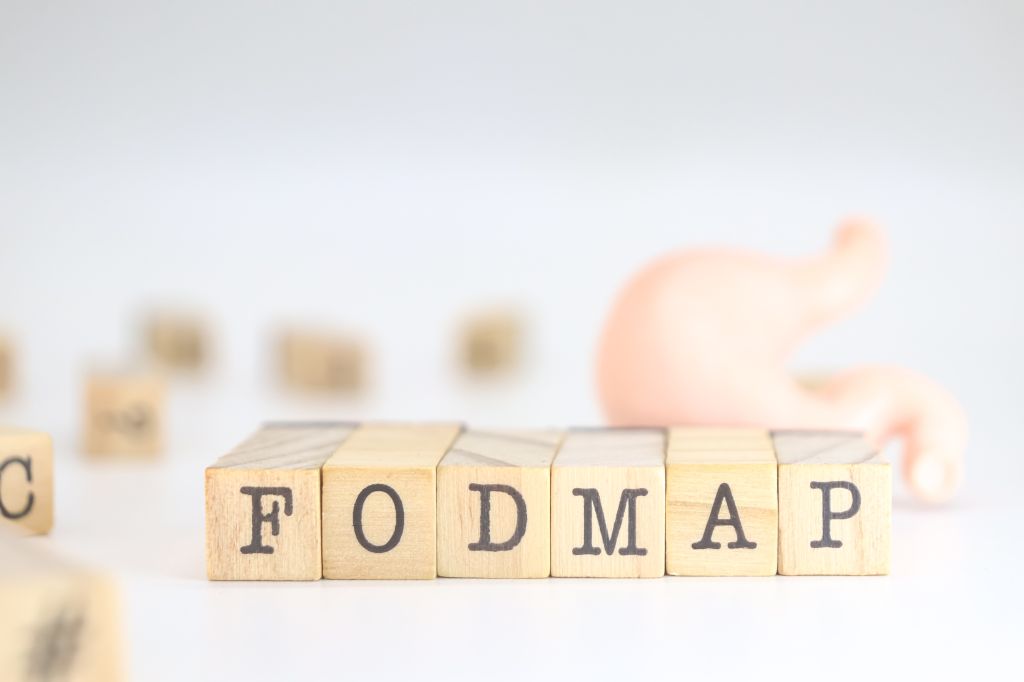
FODMAPs are fermentable carbohydrates that can be difficult for some people to digest. These include fructose, lactose, fructans, galactans, and polyols, which can draw water into the intestines and ferment in the digestive tract.
“FODMAPs can be a common culprit of stomach pain, diarrhea, bloating, and gas in those with functional gastrointestinal disorders,” explains Dr. Berg.
Research published in Clinical Nutrition found that a low-FODMAP diet reduced gastrointestinal symptom severity and improved bowel habits in adults with irritable bowel syndrome compared with a moderate-FODMAP diet.
4. Remove one suspected trigger at a time
An elimination diet involves removing a suspected trigger food for a short period and monitoring symptoms. This approach is more useful when done in a structured way rather than cutting out multiple foods at once.
For suspected FODMAP sensitivity, elimination phases are often followed for 2 to 6 weeks before foods are gradually reintroduced. The goal is to identify specific foods that trigger symptoms while keeping the diet as varied and nutrient-dense as possible.
5. Reintroduce specific foods carefully
After symptoms improve, reintroduce one food at a time in small amounts. Avoid testing several foods on the same day, as this makes it harder to identify the problematic food.
Start with a small serving and monitor symptoms over the following day or two. If symptoms return after the same food is reintroduced several times, that pattern may indicate intolerance.
This process can also reveal tolerance levels. Some people can digest small amounts of a food but develop symptoms with larger servings. Keeping track of how different serving sizes affect digestion can help you find a healthy balance with potentially triggering foods.

When to talk to a doctor
Food intolerance symptoms should be evaluated by a doctor when they’re severe, persistent, or difficult to explain. Medical guidance is also important when symptoms may point to another digestive condition, such as celiac disease or inflammatory bowel disease.
Symptoms such as blood in the stool, unexplained weight loss, repeated vomiting, persistent diarrhea, or ongoing stomach pain should be evaluated promptly. Children, pregnant individuals, and those with existing digestive or autoimmune conditions should also talk to a doctor before making major dietary changes.
Medical professionals can perform a variety of tests depending on the suspected cause. Breath tests may help evaluate lactose intolerance or fructose malabsorption, while blood tests and small intestine biopsies are commonly used to assess celiac disease.
Skin prick tests and allergy-specific blood tests are only relevant when symptoms suggest an immune reaction, such as hives, swelling, wheezing, or difficulty breathing. These tests don’t diagnose food intolerance.
Over-the-counter medications may temporarily reduce discomfort, but persistent symptoms shouldn’t be managed long-term without identifying the cause.
Key takeaways
- Food intolerance symptoms can occur when the body has trouble digesting or processing a specific type of food, ingredient, or food component.
- Symptoms can be difficult to trace because timing, portion size, and food combinations can all influence reactions.
- Common trigger foods and components include lactose, wheat, high-FODMAP foods, artificial sweeteners, aged cheese, and monosodium glutamate.
- Ongoing digestive issues, suspected gluten sensitivity, fructose intolerance, or symptoms related to a child’s diet should be discussed with a doctor before making major dietary changes.
FAQ
- 1. What are the common signs of food intolerance?
- 2. How long after eating do food intolerance symptoms appear?
- 3. What is the difference between gluten sensitivity and celiac disease?
- 4. Can food intolerance go away?
- 5. What is the treatment for food intolerance?


