

At a glance
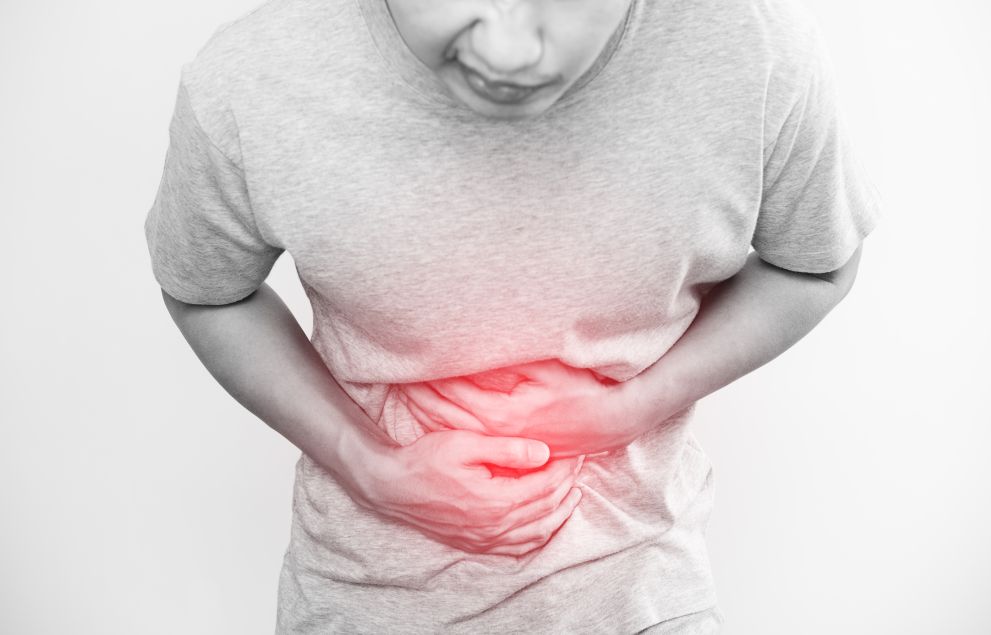
A sensitive stomach can be linked to stress, dietary changes, or other lifestyle factors affecting gut health, manifesting as recurring discomfort, changes in bowel habits, gas, or bloating. Recognizing these patterns helps you see how everyday habits influence digestive symptoms.
A sensitive stomach reflects how your body responds to foods, stress, and changes in routine, often leading to discomfort that’s hard to ignore.
Common symptoms include bloating, indigestion, vomiting, or abdominal pain that may appear after eating or during periods of physical or emotional strain.
Let’s look at common causes of a sensitive stomach and explore practical strategies to help support gut functions and overall digestive comfort.
What is a sensitive stomach?
A sensitive stomach, sometimes referred to as a sensitive gut, isn’t a formal medical diagnosis but a common term used to describe a digestive system that becomes easily upset by everyday factors.
These factors may include intolerance to dairy products, sensitivity to certain carbohydrates, acid reflux, imbalanced stomach acid levels, or unhealthy lifestyle habits, which can trigger uncomfortable symptoms such as nausea, abdominal discomfort, diarrhea, or constipation.
A sensitive stomach can also be linked to irritable bowel syndrome (IBS) or functional dyspepsia (FD), which involves discomfort during digestion, though an upset stomach doesn’t automatically indicate either condition.
A common underlying factor is heightened nerve sensitivity in the gut, known as visceral hypersensitivity, where normal digestive activity is perceived more intensely. This means that sensations typically unnoticed can become uncomfortable or even painful.
Over time, this can trigger stress related to eating and digestion, even when consuming familiar foods or following consistent routines, further amplifying discomfort and creating a cycle of digestive sensitivity.
While a sensitive stomach may not be indicative of an underlying health issue, ongoing or severe abdominal pain or poor digestive function should always be discussed with a healthcare provider.
Watch the video below to uncover the number one hidden cause of digestive issues.
Signs of a sensitive stomach
A sensitive stomach can manifest through a range of physical symptoms that tend to recur over time, rather than appear only once.
Here are common signs of stomach sensitivities that could affect daily comfort:
- Ongoing abdominal discomfort
- Persistent bloating or pressure
- Shifting bowel habits
- Nausea after eating
- Excessive gas buildup

Common triggers of stomach sensitivity
Certain digestive conditions, including functional gastrointestinal disorders, can influence how efficiently food moves through the stomach and intestines.
Additionally, issues involving the upper digestive tract, such as gastroesophageal reflux disease (GERD), can alter how the stomach responds to meals, leading to increased sensations of pressure or irritation.
Medications can also affect stomach comfort by changing stomach acid balance, slowing digestion, or irritating the stomach lining.
Pain relievers, certain antibiotics, and medications that impact muscle activity in the gut are common contributors to digestive issues.
Moreover, lifestyle factors, such as limited physical activity or prolonged periods of sitting, can further disrupt digestive coordination and increase the risk of a sensitive stomach.
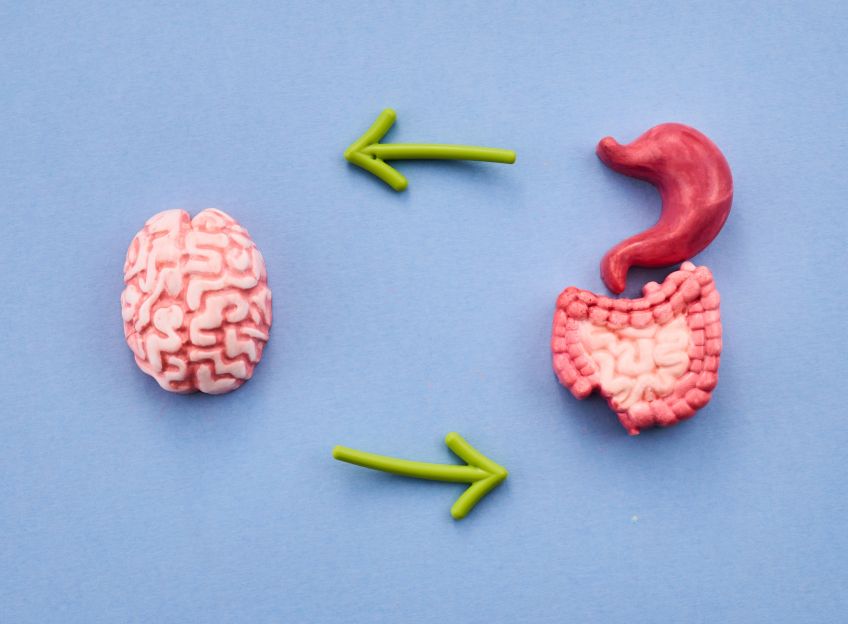
In addition, mental strain and chronic stress can also influence the gut-brain connection, which can shift inflammatory balance and gut functions, making normal digestive sensations feel more intense and harder to ignore.

Tips for a sensitive stomach
A sensitive stomach is common, but simple lifestyle and dietary adjustments can help ease discomfort.
By making mindful choices, you can support smoother digestion and reduce the likelihood of upset, helping your stomach feel more balanced and predictable over time.
Here are five approaches that can help manage a sensitive stomach.
1. Avoid alcohol
Alcohol is toxic, can interfere with stomach muscle activity, and alter acid secretion, all of which may increase stomach sensitivity and discomfort.
Because alcohol can also affect intestinal movement and nutrient absorption, avoiding alcoholic beverages may help reduce the risk of digestive disorders and associated symptoms.
In addition, alcohol causes dehydration, a common cause of gut sensitivity. Opting for non-alcoholic options such as sparkling water, unsweetened coconut water, and herbal teas can support hydration and overall digestive health.
2. Practice intermittent fasting
Intermittent fasting (IF) may help reduce stomach sensitivity by allowing the digestive system regular periods of rest, which can minimize ongoing strain.
“Fasting may lower inflammatory markers and activate natural repair processes in the body, including autophagy, which can help decrease inflammation associated with gut sensitivity,” explains Dr. Berg.
Additionally, IF has been shown to positively influence the diversity and balance of gut bacteria, a crucial factor in maintaining digestive and immune function.
3. Follow a low FODMAP diet
A low-FODMAP diet focuses on reducing a group of carbohydrates known as fermentable oligosaccharides, disaccharides, monosaccharides, and polyols.
FODMAPs are poorly absorbed and easily fermented in the gut, which can trigger bloating, pressure, and irregular bowel patterns, all linked to a sensitive stomach.
Moreover, FODMAPs can draw excess water into the intestines, which can worsen bloating and abdominal distention, making digestive discomfort more noticeable.
Focusing on a low-carb diet and eliminating FODMAP sources may help ease stomach sensitivity by limiting microbial fermentation and promoting a calmer digestive process.

4. Stay hydrated
Staying well hydrated plays a crucial role in maintaining the function and stability of the digestive system, and dehydration can make the gut significantly more sensitive.
According to a study published in iScience, dehydration can disrupt the balance of gut bacteria and immune activity, greatly impacting overall digestive health and gut functions.
The authors summarize, “We revealed the adverse effects of chronic water restriction on gastrointestinal homeostasis, characterized by an increase in the number and changes in the composition of gut microbiota.”
Drinking enough water throughout the day and incorporating other fluids, such as soothing herbal teas or mineral water, can help maintain gut balance and digestive comfort.
5. Incorporate stress-reduction
Stress and anxiety can trigger a wide range of stomach issues by disrupting communication between the brain and the gut, which may affect acid release and muscle movement.
When stress levels remain elevated, normal stomach activity can feel uncomfortable or exaggerated, contributing to ongoing digestive problems.
Reducing stress through practices such as controlled breathing, gentle movement, consistent sleep, and scheduled breaks during the day can help calm the gut and support more comfortable digestion.

Foods that may aggravate a sensitive stomach
Certain foods and ingredients can strain digestive function or trigger sensitivities, thereby significantly increasing the likelihood of discomfort.
Here are common problem foods that may contribute to stomach issues:
- Fried foods, such as French fries, fried chicken, and battered fish
- Spicy dishes and heavily seasoned meals
- Refined vegetable and seed oils
- Dairy products, including yogurt and certain cheeses
- Gluten-containing foods, such as bread, pasta, and baked goods
- Highly processed, fast food, and packaged snacks

Foods that are typically easy on a sensitive stomach
Choosing whole, nutritious foods that are gentle on the digestive system can help support gut health and improve daily comfort.
Here are some of the best foods for those with a sensitive stomach:
- Homemade bone broths, soups, and stews
- Fatty fish such as salmon, sardines, or mackerel
- Low-fiber vegetables, including zucchini, spinach, cucumbers, and lettuce
- Healthy fats such as olive oil, avocado oil, or coconut oil
- Low FODMAP foods such as full-fat cheese, eggs, grass-fed meats, and berries
Even easy-to-digest foods can cause discomfort in some cases, especially if food sensitivities or allergies are present.
Therefore, it’s recommended that individuals with a sensitive stomach keep a detailed food diary to identify dietary patterns and pinpoint specific foods that may trigger symptoms.
Key takeaways
- A sensitive stomach is typically linked to heightened reactions within the digestive system to everyday factors, such as stress, certain foods or ingredients, or changes in schedule.
- Symptoms linked to a sensitive gut often follow a recurring pattern and may include irregular bowel movements, stomach pain, and bloating.
- A high FODMAP diet, alcohol intake, and reactions to certain foods can trigger immune responses or changes in gut function that can influence sensitivity.
- Following a healthy diet that emphasizes nutritious whole foods, maintaining optimal hydration, and managing stress effectively helps maintain daily digestive comfort.
FAQ
- 1. What does it mean to have a sensitive stomach?
- 2. Why is my stomach more sensitive as I get older?
- 3. Why does my stomach feel so sensitive?
- 4. Can stress make a sensitive stomach worse?
- 5. Why does my stomach react to foods other people tolerate?
Source
Related Articles
-
How Stress Affects Digestion
 Healthy lifestyle
How Stress Affects Digestion
At a glance Stress activates the body's fight-or-flight response, which redirects energy and resources away from digestion. This shift can cause irregular gut motility, abdominal discomfort, alter your gut microbiome,…08/13/2026 -
How to Kill Parasites: 7 Natural Tips
 Health concerns
How to Kill Parasites: 7 Natural Tips
At a glance Parasitic infections occur when worms or protozoa colonize the body, often through exposure to contaminated pets, food, or water. These organisms can interfere with digestion and other…03/13/2026 15.1k views -
Keto Poop: How Keto Can Change Your Stool and Why
 Diet
DietKeto Poop: How Keto Can Change Your Stool and Why
At a glance Starting a ketogenic diet can alter stool consistency, frequency, and appearance, often referred to as keto poop. These effects are common and typically indicate that the digestive…02/06/2026 26.2k views -
Abdominal Gas and Bloating: Causes and Remedies
 Health concerns
Abdominal Gas and Bloating: Causes and Remedies
At a glance Abdominal gas and bloating can signal underlying digestive issues, such as low stomach acid, poor bile flow, or microbial overgrowth. While occasional bloating is normal, persistent symptoms…01/29/2026 35k views -
6 Reasons You Feel Tired and Fatigued After Eating
 Diet
Diet6 Reasons You Feel Tired and Fatigued After Eating
At a glance Feeling tired after eating can signal underlying blood sugar and metabolic imbalances. High-carb meals, poor digestion, and frequent snacking can cause post-meal fatigue by disrupting insulin and…12/31/2025 26.1k views -
6 Best Supplements for Bloating
 Health concerns
6 Best Supplements for Bloating
At a glance Bloating is a common sign of impaired digestion and may stem from food sensitivities, low digestive fluids, or imbalances in the gut microbiome. Certain supplements and supportive…10/03/2025 -
How to Reset Your Gut Naturally
 Health concerns
How to Reset Your Gut Naturally
At a glance A natural gut reset involves restoring digestive balance through beneficial dietary and lifestyle changes. Supporting the gut microbiome, strengthening the intestinal lining, optimizing bile flow, and maintaining…09/25/2025 -
Gut Health 101: Everything You Need to Know
 Health concerns
Gut Health 101: Everything You Need to Know
At a glance A healthy gut is essential for maintaining optimal digestion, nutrient absorption, strong immune defenses, hormone balance, and mood regulation. When gut function is disrupted, it can lead…09/18/2025 -
GERD Diet: What to Eat and Avoid for Acid Reflux Relief
 Health concerns
GERD Diet: What to Eat and Avoid for Acid Reflux Relief
At a glance Contrary to popular belief, gastroesophageal reflux disease (GERD) is often linked to low stomach acid, not excess gastric acidity. A GERD-friendly diet centered on whole foods, healthy…09/05/2025 -
Can You Use Apple Cider Vinegar for Acid Reflux?
 Health concerns
Can You Use Apple Cider Vinegar for Acid Reflux?
At a glance Acid reflux is often linked to low stomach acid rather than excess gastric acidity, which can lead to digestive fluids backing up into the esophagus. Due to…04/09/2025 110.2k views


