

At a glance
Bloating after eating is often linked to swallowed air, gas production, food intolerance, constipation, or changes in how the digestive tract moves food. While occasional bloating is normal, frequent bloating may point to food triggers, a microbial imbalance, or an underlying condition. Simple dietary changes, slower consumption of meals, and light movement can help support smoother digestion.
While occasional stomach bloating after a meal is normal, frequent episodes can feel frustrating and may signal that the digestive system is struggling to break down, move, or tolerate certain foods.
Learn the most common causes of post-meal abdominal bloating and simple home remedies that may help promote digestive comfort.
What is abdominal bloating, and why does it happen?
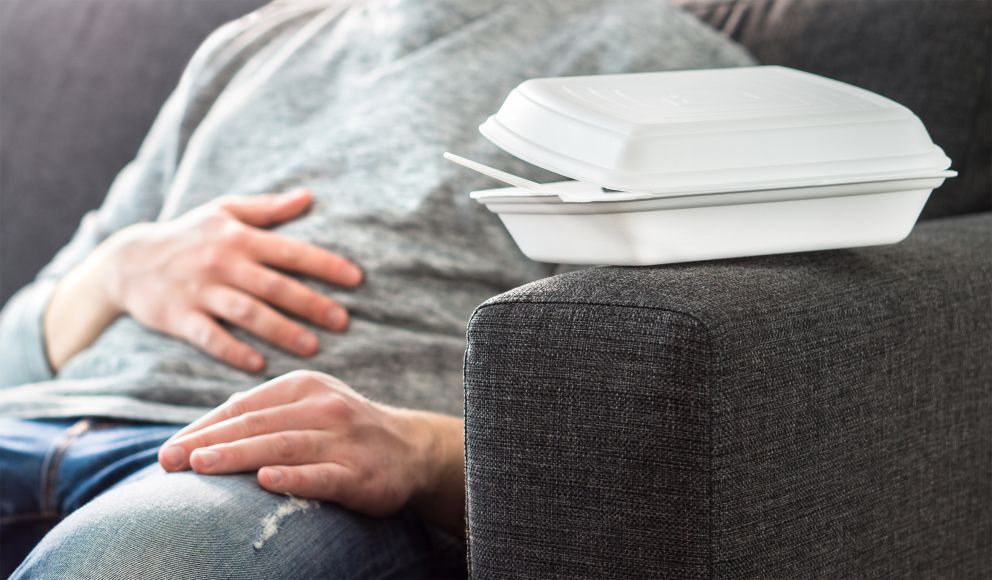
Abdominal bloating is a sensation of fullness, pressure, or tightness in the abdomen. In some cases, bloating is accompanied by visible distention, which is when the abdomen physically expands.
Research published in Neurogastroenterology & Motility suggests that abdominal bloating affects around one-third of the general population and up to 96 percent of people with functional digestive tract conditions.
Typically, bloating occurs when excess gas, food, stool, or fluid stretches the gastrointestinal (GI) tract. Bloating after eating is often linked to swallowed air, carbonated beverages, high fiber foods, food intolerances or sensitivities, processed foods, microbial imbalance, or slower bowel habits.
While occasional bloating after a meal is normal, daily, severe, or worsening bloating symptoms may signal an underlying imbalance or potential medical condition.
Watch the video below to learn how to reduce the risk of bloating after eating.
Common causes of bloating after eating
There are several reasons you may experience bloating after eating. It could be due to relatively simple factors such as swallowing air or regularly consuming gas-promoting foods.
It could also be attributed to more complex issues, such as food sensitivities or intolerances, microbial imbalances, or other digestive conditions that affect gas buildup.
Here are six common causes of abdominal bloating after eating.
1. High-FODMAP foods
Fermentable oligosaccharides, disaccharides, monosaccharides, and polyols (FODMAP foods) are short-chain carbohydrates that aren’t always fully absorbed in the small intestine.
When poorly absorbed, they can draw water into the intestines and pass into the colon, where gut bacteria ferment them and produce intestinal gas. This combination of fluid and gas production can stretch the intestinal wall, contributing to bloating, fullness, and abdominal discomfort.
Tolerance varies widely and depends on the type of FODMAP, portion size, gut sensitivity, and microbiome balance.
People with irritable bowel syndrome (IBS) or heightened digestive sensitivity may experience more noticeable symptoms from high-FODMAP foods, including onions, garlic, wheat, legumes, certain fruits, dairy products, and Brussels sprouts.
2. Food intolerances
Food intolerances occur when the body struggles to digest or process certain foods, which can lead to gas, pressure, and a bloated stomach.
This is often linked to low levels of specific digestive enzymes. For example, lactose-intolerant individuals produce too little lactase to fully digest lactose, the natural sugar in dairy products.
Undigested lactose can then be fermented by gut bacteria, often contributing to gas buildup, flatulence, abdominal discomfort, and bloating after consuming lactose-containing dairy products.
Food intolerance-like gastrointestinal reactions may also occur in response to certain additives commonly found in processed foods, including some artificial sweeteners, stabilizers, and thickeners.
3. Dietary shifts
Sudden dietary changes, such as significantly increasing fiber intake or switching to a plant-based or meat-based diet, can temporarily trigger bloating and gas.
The gut microbiome can shift within days in response to a new diet, but this transition may briefly increase fermentation as microbial populations and digestive patterns adapt. This is one reason bloating may occur after suddenly adding more vegetables, salads, legumes, or high fiber foods.
4. Gut microbiome imbalance
The gut microbiome is highly personal and can be shaped by dietary habits, antibiotic or medication use, stress, environment, and genetics.
A healthy gut microbiome helps regulate fermentation, digestive byproducts, and normal gut function. Gut dysbiosis, or an imbalance of friendly and unfriendly microbes, can influence digestion and increase gas production.
“You can have two people eat the same food and one person bloats and the other person doesn’t,” explains Dr. Berg. “One big difference is often the type, amount, and diversity of gut bacteria they have.”
One example is small intestinal bacterial overgrowth (SIBO), where higher-than-normal amounts of bacteria are present in the small intestine. These bacteria can ferment food in the wrong part of the digestive tract, contributing to excess gas, pressure, a bloated stomach, and digestive discomfort.
5. Swallowed air and carbonated beverages
Swallowed air is one of the simplest causes of bloating after eating. Eating too quickly, sipping through straws, chatting during meals, and regularly chewing gum can all cause a person to swallow extra air, which can accumulate in the stomach.
Carbonated beverages can also contribute because they deliver gas directly into the stomach. For some people, having carbonated drinks with meals increases belching, fullness, and pressure.
6. Constipation and slower digestion
Constipation can contribute to bloating because stool and gas move more slowly through the intestines. This gives gas more time to build up, leading to pressure, fullness, and visible distention.
Hormonal changes, psychological stress, reduced physical activity, dehydration, and abrupt dietary shifts can all affect gut motility and contribute to constipation.
Bloating may also occur when food isn’t broken down efficiently before it reaches the lower intestines. Stomach acid, bile, pancreatic enzymes, and gut microbes all help process food, and when this sequence is sluggish, more partially digested food may become available for bacterial fermentation, leading to excess gas, pressure, and stomach bloating.
Remedies for bloating after eating
For many people, small changes to meal timing, food choices, and movement can make digestion feel more comfortable.
Here are four simple ways to help reduce bloating and support more comfortable digestion after meals.
1. Practice mindful eating
For those who tend to eat too quickly, it can be beneficial to focus on slowing down and chewing thoroughly. This can help reduce swallowed air and may help prevent overeating that can contribute to feeling uncomfortably full after a meal.
2. Light movement after meals
Light physical activity, such as walking or stretching after eating, can help ease post-meal fullness and reduce bloating sensations.
Research published in Gastroenterology and Hepatology from Bed to Bench found that light physical activity after meals, such as a 10 to 15-minute walk, significantly reduced gastrointestinal symptoms, including bloating, in individuals with functional abdominal issues.
This may be because gentle movement supports normal digestive motility, helping move gas and stool through the digestive tract more efficiently.
3. FODMAP elimination diet
While many people experience gas after eating FODMAPs, they don’t always cause the same symptoms for everyone. Because digestive components and microbial diversity vary from person to person, some individuals may experience more bloating and discomfort than others.
Rather than permanently eliminating all FODMAP foods, temporarily adopting a low-FODMAP diet and slowly reintroducing certain ingredients can help you identify your personal triggers, so you can enjoy the widest possible variety of foods while keeping symptoms under control.

4. Microbiome support
Fermented foods may support a healthy gut microbiome, which plays an important role in fermentation, digestive byproducts, and overall digestive comfort.
Foods such as kefir, plain yogurt with live cultures, raw sauerkraut, and kimchi provide beneficial bacteria and organic acids that may help promote gut microbial diversity and support healthy digestion.
However, probiotic foods aren’t the right fit for every bloating pattern. If SIBO is suspected, adding fermented foods, probiotics, or large amounts of fiber may worsen symptoms by feeding the overgrown bacteria in the small intestine, which can increase fermentation and gas production.
Key takeaways
- Bloating after eating occurs when gas, fluid, food, or stool stretches the GI tract, leading to fullness, pressure, or a bloated stomach.
- Common triggers include FODMAP foods, food intolerances, microbial imbalances, processed foods, sudden dietary changes, swallowed air, and carbonated beverages.
- Ongoing bloating symptoms may be linked to digestive conditions such as irritable bowel syndrome (IBS), small intestinal bacterial overgrowth (SIBO), chronic constipation, or slower digestion.
- Slower eating, walking after meals, short-term FODMAP elimination, and microbiome support may help with digestive comfort.
- Frequent, severe, or worsening bloating, especially if accompanied by other symptoms such as bloody stools, more gas than usual, unexplained weight loss, stomach pain, or major bowel changes, should be discussed with a healthcare professional.
FAQ
- 1. Why do I get bloated every time I eat?
- 2. What foods cause the most bloating?
- 3. Do Gas-X or Dairy Ease help with bloating?
- 4. How can I prevent bloating after eating?
- 5. When should I see a doctor about bloating?


