

At a glance
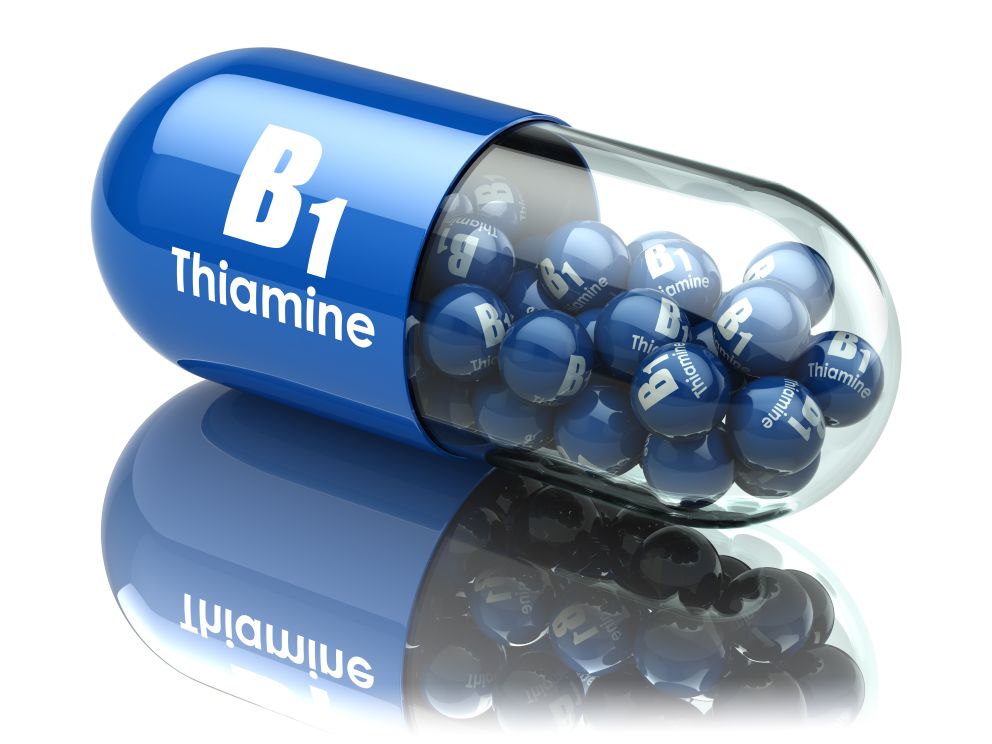
Benfotiamine is a fat-soluble derivative of vitamin B1, also known as thiamine. Compared to water-soluble thiamine, benfotiamine may support more sustained thiamine levels and efficient cellular uptake, particularly in nerve, muscle, and cardiovascular tissues. Understanding what to look for in a benfotiamine supplement quality can help guide informed choices for metabolic and nervous system support.
Benfotiamine, a fat-soluble vitamin B1 derivative, may help support nerve health, promote cardiovascular function, aid metabolic balance, and enhance cellular integrity.
Explore the benefits of maintaining balanced vitamin B1 levels and find out how to select the most effective benfotiamine supplements.
What is benfotiamine, and what does it do?
Benfotiamine is a synthetic derivative of vitamin B1, a member of the B-vitamin complex also known as thiamine.
Vitamin B1 has many vital functions and supports a wide range of physiological processes, primarily linked to metabolic balance, such as converting food into usable energy and facilitating the cellular uptake of glucose.
In addition, thiamine supports:
- Nerve signalling
- Brain function
- Muscle tissue maintenance
- “Cardio vs Strength Training: Fitness Breakdown | Dr. Berg.” drberg.com. https://www.drberg.com/blog/weight-training-vs-cardio-exercise
Benfotiamine has been specifically designed to be highly bioavailable, meaning it’s readily absorbed and utilized within the body. Therefore, benfotiamine may be an excellent choice to support the body’s thiamine status.
Research published in the European Journal of Pharmaceutical Sciences found that benfotiamine showed significant potential to support circulating thiamine levels compared with other forms of vitamin B1 supplementation.
The combination of benfotiamine’s fat solubility and high bioavailability may help deliver thiamine to tissues with greater vitamin B1 demands, such as the nervous system, brain, heart, and muscle tissue.
In addition, benfotiamine can more easily enter lipid-rich structures, including peripheral nerve tissue, where thiamine plays a critical role in nerve signaling and cellular integrity.
Because of its potential benefits for glucose metabolism and the nervous system, benfotiamine is often incorporated into wellness routines aimed at supporting peripheral nerve function, blood sugar control, and overall metabolic health.
How is benfotiamine different from other vitamin B1 forms?
Vitamin B1 is available in various forms, including benfotiamine, thiamine hydrochloride, thiamine mononitrate, and allithiamine.
“Thiamine hydrochloride and thiamine mononitrate are water-soluble forms of vitamin B1 that rely on active transport processes within the intestinal lining,” explains Dr. Berg. “This can limit how much thiamine the body can absorb at one time.”
In addition, because these water-soluble forms of thiamine are less efficiently absorbed, they may contribute to digestive discomfort in sensitive individuals, particularly at higher doses.
In contrast, benfotiamine is fat-soluble and can be absorbed through passive diffusion. This enables more efficient uptake and aids the delivery of thiamine into tissues throughout the body.
Because of its chemical structure, benfotiamine can cross cell membranes more readily than water-soluble thiamine forms. This may help support thiamine availability in lipid-rich tissues, such as nerve tissue and myelin, the protective sheath surrounding nerve fibers.
As a result, benfotiamine is a popular option for individuals seeking to benefit from thiamine’s role in metabolic and cellular processes while also promoting optimal nervous system function.
Compared to allithiamine, another fat-soluble form of thiamine with specific benefits for the brain and central nervous system, benfotiamine is generally more stable in the bloodstream and may more effectively support overall thiamine levels in the body.

What forms do benfotiamine supplements come in?
Benfotiamine is widely available as a standalone product to provide targeted support for thiamine balance and nervous system health.
It can also be combined with other nutrients and is often included in dietary supplements formulated to promote energy metabolism, cardiovascular functions, and neurological wellness.
While most benfotiamine supplements are available in capsule form, they can also be found as tablets, softgels, powders, and liquids.
Capsules and tablets are popular options for those looking for convenience and easy dosing. Benfotiamine in softgels supports rapid absorption, while powders offer flexible dosing for individuals who prefer mixing it into drinks or smoothies.
Although less common, liquid benfotiamine offers an alternative for those who have difficulty swallowing pills or want more precise, customizable dosing.
How much vitamin B1 do you need?
Evidence published in Nutrients highlights the importance of meeting the body’s vitamin B1 needs, summarizing, “Ensuring adequate thiamine intake through diet or supplements can support overall cellular health and potentially aid in DNA repair processes.”
Here are recommended daily thiamine intakes as set by the National Institutes of Health (NIH):
- Birth to 6 months: 0.2 mg
- 7 to 12 months: 0.3 mg
- 1 to 3 years: 0.5 mg
- 4 to 8 years: 0.6 mg
- 9 to 13 years: 0.9 mg
- 14 to 18 years: 1.2 mg for males, 1.0 mg for females
- 19 years and older: 1.2 mg for males, 1.1 mg for females
Pregnancy and lactation are associated with increased nutrient requirements, and it’s recommended that pregnant or breastfeeding women consume an additional 0.3 mg of thiamine each day.
Factors that can affect vitamin B1 needs
Individual vitamin B1 needs can be influenced by dietary habits, alcohol consumption, age, digestive health, and certain medical conditions or medications that affect nutrient absorption.
Periods of rapid growth are generally associated with increased vitamin B1 needs, while older age can reduce thiamine absorption and increase the risk of deficiency.
Diets high in ultra-processed foods may increase the risk of nutritional deficiencies, including inadequate thiamine intake. Vitamin B1 is sensitive to heat, and extensive processing can rapidly degrade this vital nutrient.
In addition, vitamin B1 helps facilitate carbohydrate metabolism, which explains why a high-carb diet can increase the risk of low thiamine status.
Furthermore, a study published in Alcohol Research & Health found that chronic alcohol consumption is a leading cause of thiamine depletion and deficiency.
Individuals who underwent bariatric surgery or live with malabsorption disorders such as Crohn’s disease, inflammatory bowel disease, or celiac disease may also be at higher risk of deficiency due to poor intestinal nutrient absorption.

How to choose a benfotiamine supplement
When selecting a benfotiamine supplement, it’s critical to check the label to ensure it clearly states the amount of benfotiamine per serving and lists any additional ingredients.
Pay close attention to added nutrients, fillers, or artificial additives, and choose products without unnecessary ingredients to reduce the risk of side effects or interactions.
It’s also important to select brands that prioritize quality ingredients and transparency, adhere to Good Manufacturing Practices (GMP), and undergo third-party testing to verify purity and potency.
Additionally, consider the benfotiamine dosage per serving and the supplement’s delivery form, such as capsules, tablets, softgels, powders, or liquids, since each can affect absorption and offer different levels of convenience depending on your lifestyle and preferences.

Who should be cautious with benfotiamine supplementation?
While vitamin B1 supplements, including benfotiamine, are generally considered safe for healthy adults when taken as directed, certain individuals should use caution.
Those with kidney disorders should consult a healthcare provider, as impaired renal function can affect the processing and elimination of B vitamins.
Pregnant or breastfeeding individuals, as well as children under the age of 12, should avoid the use of benfotiamine due to limited safety data in these groups.
In addition, individuals taking prescription medications, particularly those used for blood sugar control, should seek professional guidance, as benfotiamine may influence metabolic pathways.
Because individual vitamin B1 needs can vary based on life stage, age, health status, diet, and lifestyle habits, it’s best to consult a healthcare provider to determine whether benfotiamine is appropriate and to ensure safe, individualized use.
Key takeaways
- Benfotiamine is a fat-soluble form of vitamin B1, which may offer higher bioavailability than water-soluble thiamine.
- Maintaining balanced thiamine status supports energy metabolism, glucose utilization, nerve signaling, and cardiovascular function.
- Because benfotiamine is fat-soluble, it can efficiently be delivered to lipid-rich tissues, including the nervous system.
- Poor dietary habits, regular alcohol intake, older age, and poor digestive health can increase vitamin B1 needs.
FAQ
- 1. Is vitamin B1 the same as benfotiamine?
- 2. Is benfotiamine fat-soluble?
- 3. Can benfotiamine be taken with other B vitamins?
- 4. What should you look for on a benfotiamine supplement label?
Sources
- Portari GV, Vannucchi H, Jordao AA. Liver, plasma and erythrocyte levels of thiamine and its phosphate esters in rats with acute ethanol intoxication: a comparison of thiamine and benfotiamine administration. Eur J Pharm Sci. 2013;48(4-5):799-802. doi:10.1016/j.ejps.2013.01.010 https://pubmed.ncbi.nlm.nih.gov/23369791/
- “404_PAGE.” mdpi.com. https://www.mdpi.com/2072-6643/17/13/2206
- Thiamin – Consumer. National Institutes of Health. Accessed 2026. https://ods.od.nih.gov/factsheets/Thiamin-Consumer/
- Peter R Martin, Charles K Singleton, Susanne Hiller-Sturmhöfel. The Role of Thiamine Deficiency in Alcoholic Brain Disease. Alcohol Research & Health. 2003;27(2):134. https://pmc.ncbi.nlm.nih.gov/articles/PMC6668887/
Related Articles
-
Allithiamine vs. Benfotiamine Supplements
 Vitamins
Allithiamine vs. Benfotiamine Supplements
At a glance Allithiamine and benfotiamine are two fat-soluble forms of vitamin B1. While both support cellular energy production, their structural differences determine whether they primarily support the brain and…07/09/2026 -
Vitamin B1 Supplements: Forms and How to Choose
 Nutrition
Vitamin B1 Supplements: Forms and How to Choose
At a glance Vitamin B1, also known as thiamine, plays an essential role in cellular energy production, nervous system function, and carbohydrate metabolism. Several supplemental forms of vitamin B1 are…04/16/2026 -
Can Benfotiamine Help With Tinnitus?
 Nervous system health
Can Benfotiamine Help With Tinnitus?
At a glance Tinnitus may be linked to poor blood sugar control and metabolic stress, which can affect nerve function in the auditory system. Benfotiamine, a fat-soluble form of vitamin…03/27/2026 17.4k views -
What Is Postural Orthostatic Tachycardia Syndrome (POTS)?
 Health concerns
What Is Postural Orthostatic Tachycardia Syndrome (POTS)?
At a glance Postural orthostatic tachycardia syndrome (POTS) is an autonomic nervous system disorder defined by dizziness, palpitations, sweating, or fainting upon standing. While its exact cause remains unclear, nutrient…01/29/2026 15.2k views -
Keto Diet Side Effects and How to Avoid Them
 Diet
DietKeto Diet Side Effects and How to Avoid Them
At a glance Starting a ketogenic diet prompts the body to move from using carbohydrates to relying on fat for fuel, a change that can bring short-term side effects. Fluid…12/19/2025 37.1k views -
5 Supplements That Actually Work
 Nutrition
5 Supplements That Actually Work
At a glance Choosing the right supplements is crucial because the quality and bioavailability of nutrients significantly impact how well they support energy production, metabolic health, and immune balance. Many…12/19/2025 3.1k views -
What Is Emotional Eating and How to Gain Control
 Health concerns
What Is Emotional Eating and How to Gain Control
At a glance Emotional eating often leads to overconsumption and poor food choices, which can compromise both physical and emotional well-being. Identifying common signs and triggers of emotional eating and…10/23/2025 -
The Real Cause of Restless Legs Syndrome
 Health concerns
The Real Cause of Restless Legs Syndrome
At a glance Several underlying factors, including nutrient deficiencies, hormonal shifts, and age-related changes in nervous system function, may contribute to the development of restless leg syndrome. Supporting healthy nutrient…04/09/2025 69k views -
Natural Remedies for Cataracts
 Health concerns
Natural Remedies for Cataracts
At a glance Aging, oxidative stress, and long-term blood sugar imbalances are all factors that can accelerate the progression of cataracts. While cataracts can’t be reversed without surgery, there are…04/09/2025 54k views -
Keto Flu: Causes, Symptoms, and Remedies
 Keto
KetoKeto Flu: Causes, Symptoms, and Remedies
The keto flu, also known as the carb flu, is a common side effect of this dramatic reduction in carbohydrate intake, which can trigger symptoms similar to the flu, though…04/09/2025 35.4k views


